


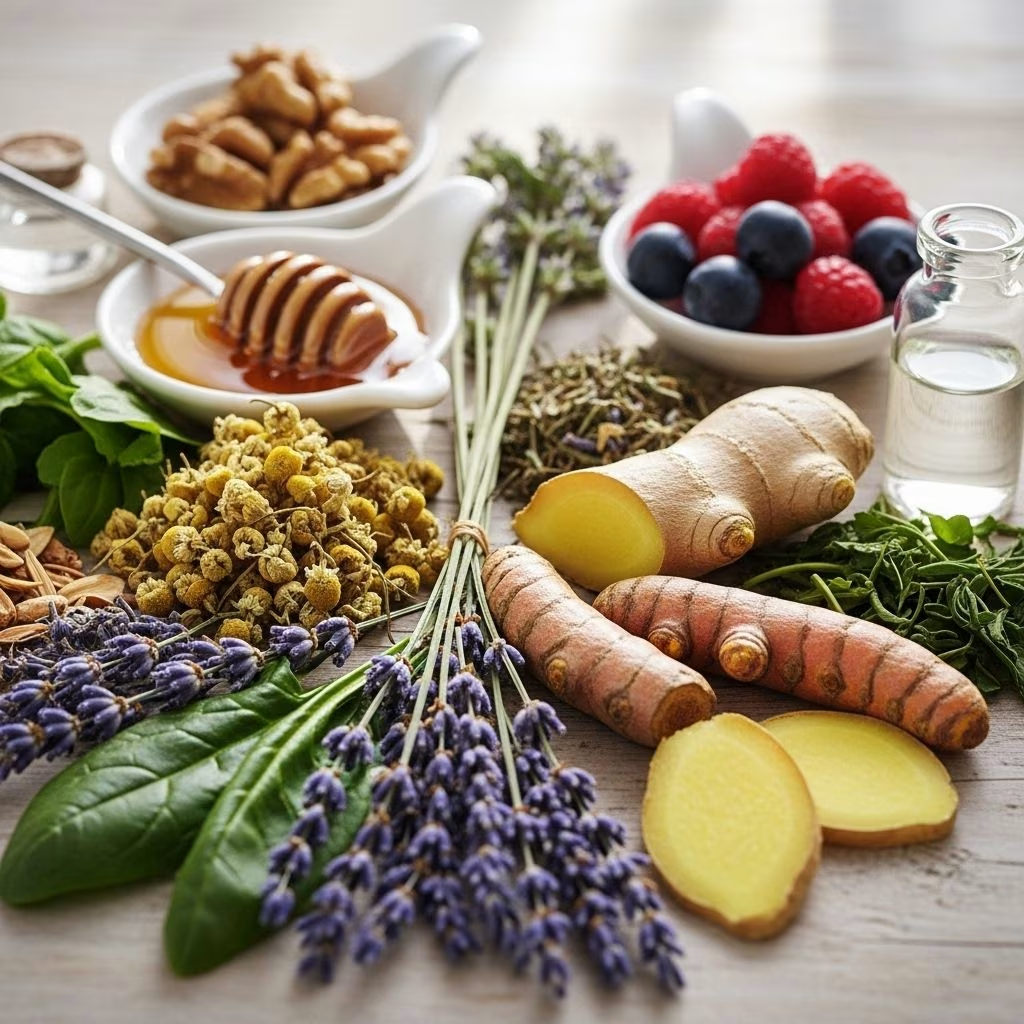
Navigating Side Effects of Natural Remedies and Supplements
Natural remedies and supplements have become increasingly popular in recent years, with many people turning to these products for perceived health benefits. However, while they are often regarded as safe due to their natural origins, there are potential risks and side effects that users should be aware of.
Introduction to Natural Remedies and Supplements
Natural remedies and supplements include a wide range of products, from herbal supplements to vitamins and minerals. These products are often marketed as safe and effective without the need for rigorous testing, unlike conventional drugs. The U.S. Food and Drug Administration (FDA) does not regulate herbal supplements for premarketing purity and potency, which can lead to issues with contaminants, adulterants, and inconsistent quality.
Common Uses of Natural Remedies and Supplements
Many people use natural remedies and supplements for general wellness, to boost immunity, increase energy, improve memory, or enhance physical performance. Some of the most common reasons for using these products include:
- General Wellness or Disease Prevention: Many individuals use supplements as a preventive measure against illnesses.
- Boosting Immunity and Energy: Supplements like vitamins C and D are popular for immune system support, while others are used to enhance energy levels.
- Improving Memory or Concentration: Some supplements claim to improve cognitive function, although evidence varies.
- Weight Loss and Athletic Performance: Supplements are commonly used for weight loss and to enhance athletic performance, but they can also pose significant health risks.
Potential Side Effects and Risks
While natural remedies and supplements are perceived as safe, they can cause a range of side effects and health risks, including:
- Herb-Drug Interactions: Herbal supplements can interact with conventional medications, leading to adverse effects such as reduced drug efficacy or increased toxicity.
- Contaminants and Adulterants: Supplements may contain contaminants like heavy metals, pesticides, or adulterants that can cause serious health issues.
- Organ Damage: Some herbal supplements have been associated with liver or kidney damage, and in rare cases, they can lead to organ failure.
- Allergic Reactions: Users may experience allergic reactions, which can range from mild to severe.
High-Risk Groups
Certain groups are more vulnerable to the risks associated with natural remedies and supplements. These include:
- Pediatric and Geriatric Populations: Children and older adults may be more susceptible to adverse effects due to their age and potential health conditions.
- Pregnant Women and Breastfeeding Mothers: The use of some supplements during pregnancy or breastfeeding can pose risks to the fetus or baby.
- Immunocompromised Patients: Individuals with weakened immune systems should be cautious when using supplements to avoid exacerbating their condition.
- Surgical Candidates: Certain supplements can interfere with anesthesia or surgical recovery, making it important to disclose their use to medical professionals.
Herbal Supplements to Avoid
Some herbal supplements are particularly risky and should be avoided in certain situations. These include:
- St. John’s Wort: Can interact with many medications and reduce their effectiveness.
- Ginkgo Biloba: May increase the risk of bleeding, especially when combined with anticoagulant medications.
- Aristolochia: Associated with kidney damage and cancer in some cases.
Ensuring Safety
To minimize the risks associated with natural remedies and supplements:
- Consult Healthcare Providers: Before starting any supplement, it is crucial to consult with a healthcare provider to discuss potential risks and benefits.
- Choose Reputable Brands: Look for products from manufacturers that adhere to good manufacturing practices (GMPs) and have third-party testing.
- Monitor Side Effects: Be aware of any side effects and report them to your healthcare provider or the FDA.
Conclusion
While natural remedies and supplements may offer benefits, it is important to approach them with caution. By understanding the potential side effects and risks, users can make informed decisions and use these products safely.
Frequently Asked Questions (FAQs)
Q: Are all natural remedies and supplements safe?
A: No, not all natural remedies and supplements are safe. They can cause side effects and interact with conventional medications.
Q: How can I ensure the safety of supplements?
A: Consult a healthcare provider, choose reputable brands, and monitor for side effects to ensure safety.
Q: What groups should avoid using natural remedies and supplements?
A: High-risk groups include children, older adults, pregnant women, breastfeeding mothers, immunocompromised patients, and surgical candidates.
References
- https://www.utmb.edu/utmb/news-article/utmb-news/2024/05/29/navigating-side-effects-of-natural-remedies-and-supplements
- https://www.utmb.edu/pedi/news/news-article-page/2024/06/21/beware-of-supplement
- https://www.utmb.edu/news/articles/6?_page=30
- https://www.utmb.edu/news/articles?_page=29
- https://www.utmb.edu/news/articles/5?_page=27
- https://www.utmb.edu/news/article/60
- https://pmc.ncbi.nlm.nih.gov/articles/PMC9375827/
- https://pmc.ncbi.nlm.nih.gov/articles/PMC3780488/
- https://guides.utmb.edu/Drugs
- https://blogs.bcm.edu/2021/01/20/are-herbal-supplements-safe/


