


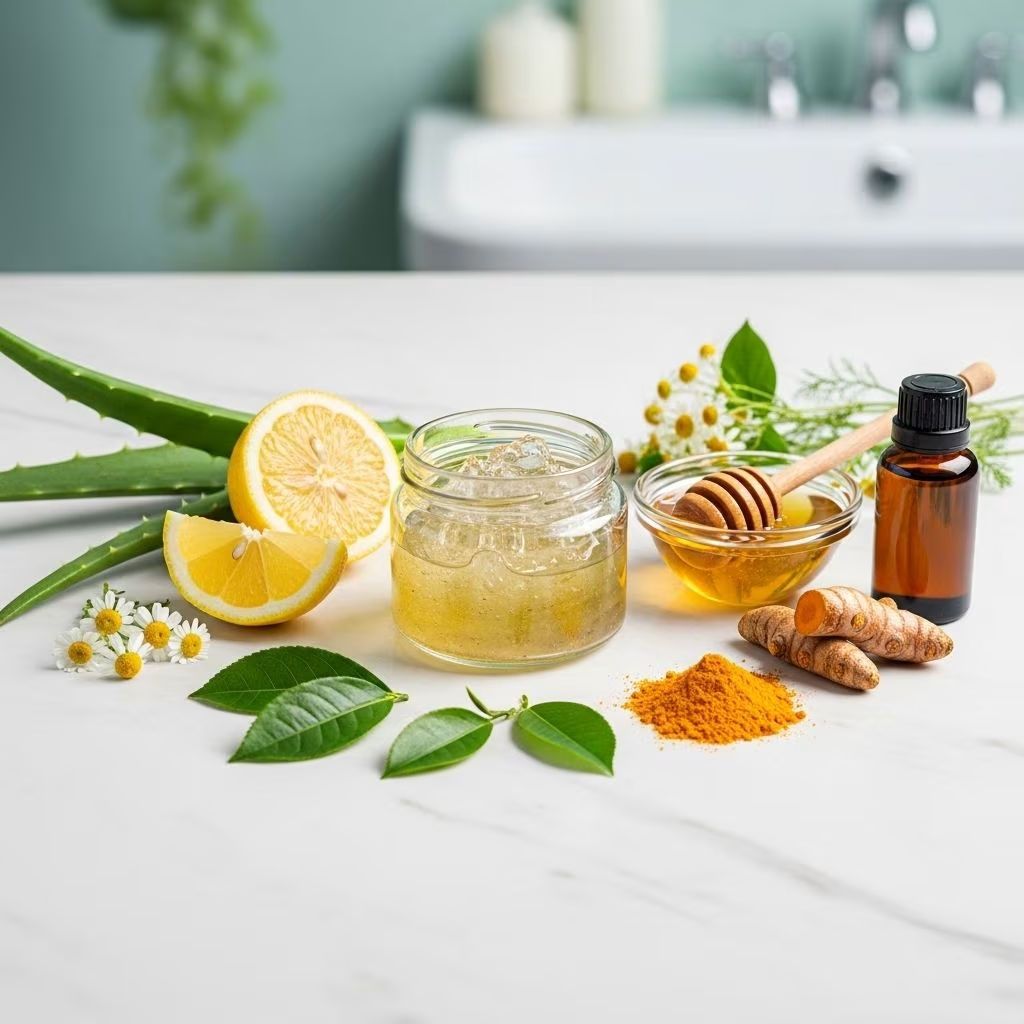
Natural Remedies for Acne Scars: Expert Q&A and Proven Solutions
Acne can be challenging to manage, and for many people, scars left behind are an ongoing concern that affects their confidence and skin health. Fortunately, a variety of natural remedies, lifestyle changes, and expert-backed tips can help minimize and sometimes erase acne scars. This comprehensive guide explores the mechanisms of acne scarring, the most effective natural treatments, expert advice, and frequently asked questions to help you make informed decisions about your skin health.
Understanding Acne Scars: What, Why, and How
Acne scars are permanent textural changes and indentations that occur on the skin following severe acne. They result from the skin’s healing process after inflammation damages collagen and other skin structures. In the quest to rebuild tissue, the skin sometimes overproduces or underproduces collagen, leading to either raised or depressed scars.
- Atrophic scars (depressed): Caused by loss of tissue or collagen during healing, leading to pitted or sunken marks.
- Hypertrophic scars (raised): Develop from excessive collagen production, resulting in thick, raised areas.
- Post-inflammatory hyperpigmentation (PIH): Dark spots left behind after acne heals rather than true scars, but often mistaken for them.
Collagen remodeling is crucial for scar healing. Natural remedies tend to support this process by promoting skin renewal, hydration, and inhibiting inflammation or bacterial overgrowth.
Core Natural Remedies for Acne Scars
Over the years, both anecdotal wisdom and scientific research have highlighted several key ingredients and techniques that can help reduce the appearance of acne scars. Below is a breakdown of the most widely used and studied natural remedies.
1. Aloe Vera
Aloe vera is highly regarded for its anti-inflammatory, soothing, and skin-repairing properties. Applying the clear gel from aloe leaves (or a pure commercial gel) directly to scars twice a day can nurture skin regeneration and reduce both the size and color of scars.
- Promotes collagen synthesis and tissue repair.
- Reduces inflammation and redness associated with scarring.
- Moisturizes skin without clogging pores.
2. Honey and Manuka Honey
Honey—especially raw or Manuka honey—is a staple in natural scar care. Its natural antibacterial and anti-inflammatory effects help speed wound healing and inhibit the growth of acne-causing bacteria.
- Direct application can accelerate wound healing and reduce risk of scar formation.
- Manuka honey, with higher methylglyoxal content, offers superior antimicrobial properties.
- Can be used as an overnight mask or in targeted applications for persistent scars.
3. Rosehip Seed Oil
Rosehip seed oil contains essential fatty acids and vitamins such as vitamin A and C, promoting skin regeneration and reducing hyperpigmentation. Research supports its use in fading the appearance of post-inflammatory scars and improving skin texture when applied twice daily.
- Fades discoloration and dark spots linked to post-acne marks.
- Boosts collagen production and aids skin cell renewal.
- Non-comedogenic and suitable for most skin types.
4. Black Seed Oil (Nigella sativa)
Black seed oil is valued for its anti-inflammatory and antioxidant properties. Studies suggest that it helps reduce inflammation, improves wound healing, and may even balance skin pigmentation, thus reducing both red and brown marks after acne.
- Speeds up recovery of damaged skin tissue.
- Regulates melanin production, reducing hyperpigmentation.
- May also help prevent future acne due to antimicrobial effects.
5. Coconut Oil
Coconut oil is rich in medium-chain fatty acids and antioxidants, known for moisturizing and softening the skin. Its application can help support skin healing and reduce the appearance of scars, but it is best suited for dry or normal skin as it can be comedogenic on oily or acne-prone skin.
- Improves skin hydration and barrier function.
- May reduce the visibility of some types of scars.
- Should be avoided on active breakouts or very oily skin types.
6. Tea Tree Oil
Tea tree oil is a natural antimicrobial and anti-inflammatory essential oil derived from the leaves of Melaleuca alternifolia. Spot application with a carrier oil may help decrease inflammation, reduce pigmentation, and support clearer skin with regular use.
- Reduces redness and swelling in both active acne and scars.
- Antibacterial action helps clear skin and prevent further breakouts.
- Always dilute before using to prevent irritation.
7. Apple Cider Vinegar
Apple cider vinegar (ACV) is praised for its acidic properties, which can exfoliate dead skin, stimulate new cell growth, and balance the skin’s pH. Always use well-diluted (1 part ACV to 2–3 parts water) to prevent burns or irritation.
- May help fade dark spots and mild surface scars over time.
- Should not be applied undiluted to avoid damaging sensitive skin.
8. Turmeric Powder
Turmeric contains curcumin, offering anti-inflammatory and antioxidant benefits. Used as part of a mask or spot treatment (mixed with honey or yogurt), it can help brighten skin and reduce the intensity of scars.
- Soothes inflammation and prevents pigmentation changes after acne.
- Enhances overall radiance and skin evenness.
9. Lemon Juice (With Caution)
Lemon juice is a natural bleaching agent with citric acid, aiding gentle exfoliation and brightening dark marks. Extreme caution is advised as it can irritate sensitive skin and worsen redness.
- Works best when diluted or used in combination with other soothing ingredients.
- Should be patch tested and used sparingly as prolonged use can disrupt skin barrier.
10. Olive Oil
Olive oil is rich in vitamins A, E, and C. Regular, gentle massage with olive oil may help soften the skin around scars, making them less obvious and providing extra hydration to facilitate healing.
Other Notable Remedies
- Vitamin E oil: Popular for scar massage, though studies on its direct efficacy in scar reduction are mixed.
- Lavender essential oil: Sometimes used diluted in a carrier oil to calm skin and aid in regenerative processes.
- Acupuncture: For some, traditional Chinese medicine like acupuncture has shown promise in improving scar tissue through increased circulation and collagen stimulation.
How to Use Natural Remedies Effectively
- Patch test new ingredients on a small skin area to check for irritation or allergies.
- Consistency is key; natural remedies often take weeks or months of regular application to yield noticeable results.
- Gentle application: Always use clean hands or tools to avoid introducing bacteria to healing skin.
- Sun protection: Many remedies, especially those with acids or essential oils, can make the skin more sensitive to sunlight. Apply broad-spectrum SPF before going outside.
- Combine with a healthy lifestyle: Hydration, balanced nutrition, and minimal stress support better skin recovery.
When to See a Dermatologist
Natural remedies are best suited for mild to moderate acne scars or as an addition to professional treatments. Consider consulting a dermatologist if:
- Scarring is deep (e.g., ice-pick, boxcar, or keloid scars).
- You experience persistent pain, itching, or infection at scar sites.
- Home treatments do not yield visible improvement after several months.
- You have concerns about pigmentation disorders or sensitive skin reactions.
Professional options include laser therapy, microneedling, chemical peels, and specialized topical medications, which can be combined with home remedies for maximal effect.
Frequently Asked Questions (FAQs): Natural Acne Scar Remedies
Q1: Can natural remedies completely remove acne scars?
A: Natural remedies can significantly improve the appearance of scars, especially superficial and recent ones, but deep or long-standing scars may require professional intervention. Consistent application over months can noticeably fade discoloration and smooth the skin to some extent.
Q2: How long does it take to see results from natural treatments?
A: Most people observe visible changes within 6 to 12 weeks of daily use. More pronounced improvements may require several months.
Q3: Are there risks with using natural remedies on the skin?
A: Some treatments can cause irritation, allergic reactions, or photosensitivity (increased sensitivity to sunlight). Always patch test new ingredients and avoid harsh application on broken or very sensitive skin. Lemon juice and undiluted ACV are particularly likely to irritate.
Q4: Can I use natural remedies during active breakouts?
A: It is generally better to focus on active acne treatment and wait until breakouts have subsided before applying scar remedies, especially oils or heavy occlusives, which can worsen current acne.
Q5: What lifestyle changes can help in reducing scars?
- Stay hydrated (drink at least 1.5–2 litres of water daily).
- Maintain a balanced diet rich in antioxidants and skin-healing nutrients (vitamins A, C, E, and zinc).
- Avoid picking or squeezing pimples, as this increases the risk of scarring.
- Regularly apply sunscreen to prevent darkening of scars.
Quick Reference Table: Popular Natural Remedies for Acne Scars
| Remedy | Primary Benefits | Best For | Precautions |
|---|---|---|---|
| Aloe Vera | Soothe, heal, moisturize | All skin types, fresh scars | Rare allergy |
| Honey/Manuka Honey | Antibacterial, promotes healing | All scars, sensitive skin | Patch test for allergy |
| Rosehip Seed Oil | Pigmentation, skin renewal | Dark marks, mature skin | Avoid with active breakouts |
| Black Seed Oil | Reduces inflammation, evens tone | Inflamed and dark scars | May be comedogenic for some |
| Coconut Oil | Moisturizing, softens skin | Dry skin, healing stage | Can clog pores |
| Tea Tree Oil | Antibacterial, reduces swelling | Oily, breakout-prone skin | Always dilute; avoid near eyes |
| Apple Cider Vinegar | Light exfoliation, fades dark marks | Hyperpigmentation | Strongly dilute, avoid open wounds |
| Turmeric | Soothes, anti-pigmentation | Red/brown scars, inflammation | May stain skin/clothing |
| Lemon Juice | Fades dark spots | Superficial pigmentation | Irritation risk, always dilute |
Expert Advice: Tips for Maximizing Scar Recovery
- Patience is essential – Natural scar fading takes time, but gentle care and consistency yield the safest, best results.
- Avoid harsh scrubs and aggressive exfoliation, which can worsen scarring and cause further inflammation.
- Support skin barrier repair: Use fragrance-free and hypoallergenic moisturizers alongside natural remedies.
- Nighttime skincare is crucial, as skin regenerates most during sleep.
- Don’t neglect overall skincare: Cleanse gently, moisturize daily, and use sun protection year-round.
Conclusion: Embracing Natural Healing for Acne Scars
While acne scarring can be disheartening, a combination of proven natural remedies and expert skincare principles offers hope for visible improvement. Through understanding your skin, making healthy lifestyle choices, and applying safe, effective natural treatments consistently, you can empower your skin’s natural ability to heal and renew—revealing smoother, more radiant skin over time.
References
- https://www.healthline.com/health/beauty-skin-care/natural-products-for-acne-scars
- https://www.stratumclinics.com/natural-acne-scar-treatment-can-i-get-rid-of-acne-scars-naturally/
- https://www.medicalnewstoday.com/articles/324784
- https://www.bestimpressionmedspa.com/blog/5-natural-products-that-can-lessen-the-appearance-of-acne-scars
- https://www.sprsi.com/blog/8-natural-remedies-scar-removal/
- https://www.mayoclinic.org/diseases-conditions/acne/expert-answers/acne-scars/faq-20058101
- https://www.mederma.com/article/10-natural-scar-remedies-home-treatments-for-scars/
- https://lionpose.com/blogs/dermatologists/7-natural-remedies-backed-by-science-for-treating-acne-scars-lion-pose
- https://dermatologyseattle.com/top-non-surgical-methods-for-treating-severe-acne-scarring-effectively/
- https://www.venustreatments.com/en-gl/blog/5-home-remedies-to-improve-the-appearance-of-acne-scars/


