


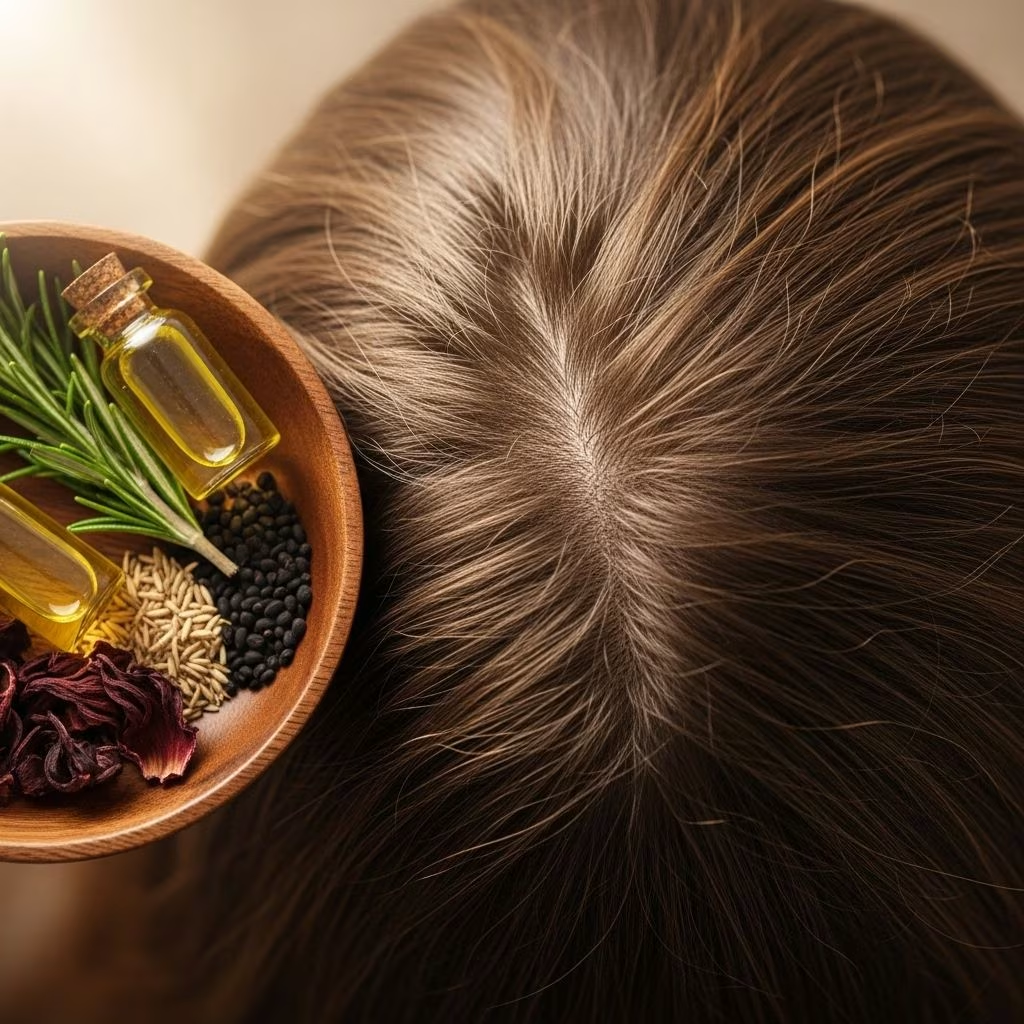
Hair Loss in Women: Natural Remedies and Effective Solutions
For many women, hair is more than just a part of their appearance—it’s a symbol of vitality and confidence. When hair loss becomes noticeable, it can have a profound emotional impact, often leading to stress or a crisis in self-esteem. Understanding the underlying causes and available natural remedies is crucial for managing this condition and restoring healthy hair.
Understanding Hair Loss in Women
Hair loss affects millions of women worldwide and can manifest in different patterns, such as diffuse thinning, patchy loss, or receding hairlines. While some hair shedding is normal (generally up to 100 hairs per day), excessive hair loss may signal an underlying issue.
Key Causes of Hair Loss in Women
- Hormonal Imbalances: Fluctuations in estrogen and androgen levels, often due to pregnancy, menopause, or endocrine disorders, can disrupt the hair growth cycle.
- Genetics (Androgenetic Alopecia): Female-pattern baldness is inherited and results in progressive thinning over the crown and parting line.
- Stress: Prolonged emotional or physical stress may trigger telogen effluvium, a temporary condition causing hair to shed more rapidly.
- Poor Nutrition: Deficiencies in key vitamins and minerals (such as iron, zinc, vitamin D, and protein) negatively affect hair health.
- Underlying Medical Conditions: Thyroid disorders, polycystic ovary syndrome (PCOS), autoimmune diseases, and other illnesses can contribute to hair thinning.
- Medications and Treatments: Certain prescriptions (including antidepressants and chemotherapeutic agents) may have hair loss as a side effect.
- Hairstyling Habits: Excessive heat, frequent coloring, or tight hairstyles (like ponytails or braids) can physically stress hair and lead to breakage or traction alopecia.
Recognizing the Symptoms of Hair Loss
- Gradual or sudden increase in hair fall during brushing or washing
- Widening of the part or visible thinning at the crown
- Patches of baldness or excessive shedding after an illness or stressful event
Identifying the causes and early signs is essential for effective intervention, whether through medical treatment or natural remedies.
Natural Remedies for Hair Loss in Women
Natural solutions may offer relief for mild to moderate hair loss, especially when the cause is related to nutrition, stress, or scalp health. The following remedies are supported by scientific research and holistic traditions, offering hope for regrowth and improved hair quality.
1. Scalp Massage
Massaging the scalp for several minutes daily increases blood flow, helping to deliver more nutrients and oxygen to the hair follicles. Over time, this can stimulate hair growth and help maintain scalp health.
How to do it: Use gentle circular motions with fingertips, optionally using nourishing oils such as coconut or olive oil for added benefit.
2. Essential Oils
- Rosemary Oil: Clinical research shows that rosemary oil is among the most effective natural treatments for hair loss, rivalling the results of minoxidil (a widely used medication for androgenetic alopecia). Rosemary oil promotes blood circulation, soothes inflammation, and stimulates hair follicles.
How to use: Dilute a few drops with a carrier oil (such as coconut or jojoba) and massage into the scalp for 5–10 minutes before washing out. Repeat several times per week. - Peppermint Oil: Peppermint oil is thought to increase scalp circulation and may promote hair growth when diluted appropriately.
- Pumpkin Seed Oil: Often used both orally and topically, pumpkin seed oil has been shown to inhibit the hormone DHT, involved in pattern hair loss. Regular application may help with hair density and scalp nourishment.
3. Plant-Based and Nutritional Oils
- Coconut Oil: Renowned for its moisturizing properties, coconut oil can strengthen the hair shaft, reducing breakage. It also contains lauric acid, with strong affinity for hair proteins, helping to preserve root integrity.
- Olive Oil: Used for centuries, olive oil provides fatty acids and antioxidants, helping soothe the scalp, reduce inflammation, and promote stronger, more resilient hair. Treatments involve massaging small amounts into the scalp, leaving for 15-20 minutes, and rinsing.
- Jojoba Oil: Jojoba oil closely resembles the scalp’s natural sebum. It helps moisturize hair follicles, supporting growth and preventing dryness.
4. Herbal Remedies and Extracts
- Aloe Vera: Aloe vera gel is believed to balance the pH of the scalp, calm irritation, and promote healthy hair development when applied directly.
- Ginseng: Compounds in ginseng, particularly ginsenosides, may help stimulate hair follicles and encourage growth.
5. Onion Juice
Rich in sulphur, onion juice has shown promising results in several clinical studies for improving hair density, stimulating hair regrowth, and even assisting in treating patchy alopecia areata. Its natural antibacterial properties also help keep the scalp healthy.
- Blend onions and extract juice
- Apply to the scalp for 15–20 minutes
- Rinse thoroughly with a mild shampoo to remove odour
6. Dietary Adjustments and Key Supplements
Nutrition plays an integral role in hair health. Focus on a balanced diet rich in:
- Protein: Lean meats, fish, eggs, and legumes support the building blocks of hair.
- Iron: Essential for healthy hair follicles; found in leafy greens, beans, and lean red meat.
- Zinc: Crucial for scalp health and hair structure; found in pumpkin seeds, lentils, and nuts.
- Omega-3 Fatty Acids: From oily fish, walnuts, and flaxseeds, help keep hair shiny and hydrated.
- Biotin and Vitamin D: Deficiencies are associated with alopecia; ensure adequate intake through diet or supplementation when necessary.
7. Lifestyle Modifications for Healthy Hair
- Reduce Stress: Engage in yoga, mindfulness, or meditation techniques to mitigate stress-triggered hair loss.
- Handle Hair Gently: Avoid harsh brushing when wet, minimize the use of high-heat styling tools, and switch to loose hairstyles.
- Protect from Environmental Aggressors: Shield hair from UV damage by wearing a hat and limiting chlorine or saltwater exposure.
Comparing Natural Remedies for Hair Loss
| Remedy | Main Benefit | How to Use | Drawbacks |
|---|---|---|---|
| Rosemary Oil | Stimulates circulation and hair growth | Massage diluted oil into scalp, leave 10-30 min, wash out | May cause irritation if undiluted, requires consistency |
| Onion Juice | Boosts regrowth, anti-inflammatory | Apply to scalp for 15-20 min, rinse thoroughly | Strong odour, possible scalp sensitivity |
| Pumpkin Seed Oil | Blocks DHT, nourishes follicles | Use topically or as dietary supplement | Can be costly, may take months to see effect |
| Coconut Oil | Nourishes, prevents breakage | Massage into hair and scalp before washing | Greasy if overused |
| Aloe Vera | Soothes, reduces inflammation | Apply gel directly, leave on 30 min | Possible mild irritation in sensitive skin |
When to See a Doctor for Hair Loss
If you notice sudden, severe, or patchy hair loss, consult a dermatologist to rule out serious underlying conditions. While natural remedies can help, some cases require medical intervention, including medications like minoxidil (topical) or finasteride (oral, primarily for men), hormonal therapy, or advanced treatments such as platelet-rich plasma (PRP) therapy and hair transplantation.
Debunking Hair Loss Myths
- Myth: Washing your hair frequently causes hair loss.
Fact: Regular cleansing keeps the scalp healthy; hair shedding during washing is normal. - Myth: Only men experience pattern baldness.
Fact: Female-pattern alopecia is common, usually manifesting as diffuse thinning rather than complete baldness. - Myth: Cutting your hair makes it grow faster.
Fact: Trimming does not affect growth rate but helps prevent split ends.
Frequently Asked Questions (FAQs)
Q: How do I know if my hair loss is normal or a sign of something serious?
A: It’s normal to lose 50-100 hairs per day. If you notice sudden, dramatic thinning, bald patches, or associated health symptoms, consult a healthcare provider.
Q: Are natural remedies effective for all types of hair loss?
A: Natural remedies are most effective for mild, non-scarring hair loss related to stress, nutrition, or minor scalp imbalance. Inherited or medically induced alopecia often needs targeted therapy.
Q: How long does it take for natural remedies to show results?
A: Most remedies require consistent application for at least 3–6 months to observe noticeable improvement, as hair growth is a gradual process.
Q: What are the best dietary changes for healthier hair?
A: Emphasize a balanced diet rich in lean protein, leafy greens, nuts, seeds, whole grains, and good hydration. Iron, zinc, vitamin D, and biotin are particularly important.
Q: Can I use multiple remedies together?
A: Yes, many natural treatments—such as scalp massage, essential oils, and dietary changes—are safe to combine for a holistic approach, provided you monitor for any allergic reaction.
Practical Tips to Prevent Hair Loss and Promote Healthy Regrowth
- Avoid tight hairstyles and harsh styling products
- Use gentle, sulfate-free shampoos and conditioners
- Trim hair regularly to reduce split ends
- Limit heat styling and chemical treatments
- Stay hydrated and manage stress
- Massage the scalp regularly to stimulate follicles
- Protect your hair from sun, wind, and environmental pollutants
Conclusion
Hair loss in women can arise from a variety of causes, from hormonal changes and genetics to lifestyle or nutritional factors. While severe cases may necessitate professional intervention, a majority of mild to moderate cases can benefit from a holistic, natural approach that combines essential oils, nourishing dietary changes, gentle hair care, and stress management. Patience, consistency, and self-care are key to restoring hair vitality and confidence.
References
- https://www.healthline.com/health/regrow-hair-naturally
- https://www.harleystreethairtransplant.co.uk/8-natural-remedies-for-hair-loss/
- https://www.myfreebird.com/blogs/health/natural-remedies-hair-loss
- https://www.goodrx.com/well-being/alternative-treatments/natural-hair-growth-products-remedies
- https://my.clevelandclinic.org/health/diseases/16921-hair-loss-in-women
- https://pmc.ncbi.nlm.nih.gov/articles/PMC11549889/
- https://www.health.harvard.edu/staying-healthy/treating-female-pattern-hair-loss
- https://abcnews.go.com/GMA/Wellness/6-natural-remedies-hair-loss/story?id=104253823
- https://pubmed.ncbi.nlm.nih.gov/37151166/


