


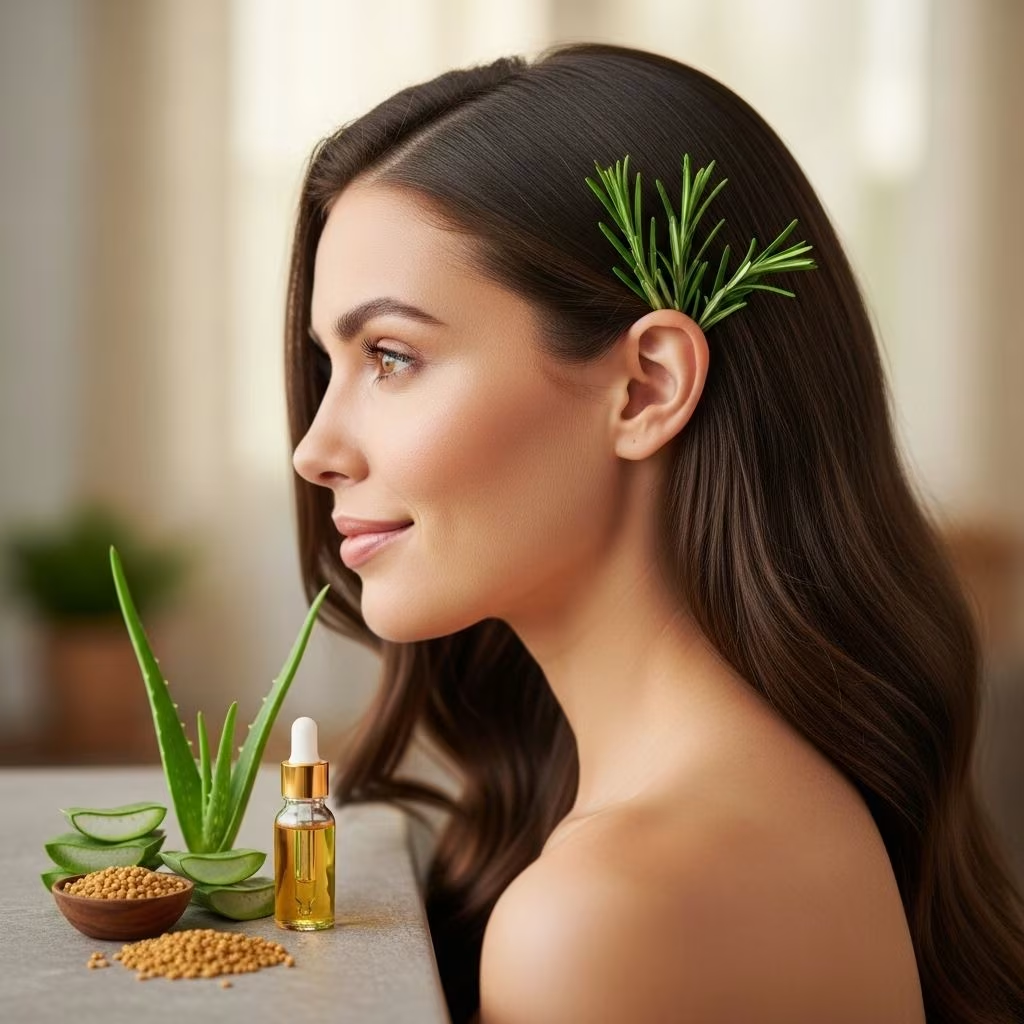
Natural Remedies to Reverse Female Pattern Hair Loss
Female pattern hair loss—a condition known medically as androgenetic alopecia—affects millions of women worldwide, impacting self-esteem and overall well-being. Although genetics and hormones play crucial roles, a multifaceted, natural approach may slow, stop, or even reverse its progression. This article explores evidence-based remedies, holistic strategies, and practical tips to nurture your hair from root to tip without relying solely on pharmaceuticals or invasive procedures.
Understanding Female Pattern Hair Loss
Female pattern hair loss involves progressive thinning of hair, usually on the top and crown of the scalp. Unlike male baldness, women generally retain their frontal hairline but notice wider partings and decreased hair density. This type of hair loss is primarily hereditary but can be influenced by hormonal imbalances, aging, nutritional deficiencies, and lifestyle factors. Addressing the root causes with safe, natural interventions—in combination with medical guidance where needed—provides the best chance at restoring hair health.
Key Natural Remedies for Female Pattern Hair Loss
Here are some of the most researched natural solutions:
- Coconut Oil: Although more preventive than curative, coconut oil can protect the hair shaft from damage and breakage. It contains lauric acid, which helps bind protein in hair and reduces loss from washing and styling. To use, warm a small amount and massage gently into the scalp and hair; leave on for 20–30 minutes before rinsing. Coconut oil is considered very low-risk and can be used as a regular moisturizer for skin as well.
Tip: Always test on a patch of skin to check for sensitivity before widespread application. - Rosemary Oil: This essential oil has gained popularity due to research indicating it can be as effective as minoxidil (an FDA-approved treatment) in increasing hair count over six months. Rosemary oil boosts circulation to the scalp, stimulating hair follicles and reducing inflammation. Dilute several drops with a carrier oil (like coconut or jojoba), massage into the scalp, leave for at least 10–30 minutes, then wash out. Some users add a few drops to shampoo for daily use.
Tip: Consistent use (2–3 times a week) is key. Always dilute essential oils before applying to skin. - Peppermint Oil: Animal studies suggest peppermint oil increases follicle depth and thickens hair by enhancing blood flow (vasodilation). It must be diluted with a carrier oil, and massaged into the scalp for several minutes before rinsing. This oil may be particularly helpful for those with an itchy or flaky scalp.
Tip: Wash hands thoroughly after application to prevent irritation elsewhere. Never use undiluted essential oils directly on the scalp. - Olive Oil: Used for thousands of years, olive oil’s high content of fatty acids and antioxidants helps nourish hair, soothe scalp irritation, and combat dryness. While it won’t reverse baldness, it supports healthy follicles and overall scalp health. Massage 10ml into hair and scalp, leave 15–20 minutes, then shampoo thoroughly.
- Pumpkin Seed Oil: Rich in nutrients and thought to inhibit DHT (a hormone linked to hair thinning), pumpkin seed oil may slow progression of hair loss and support new growth. It can be ingested as a supplement or used in topical oil blends. Research shows benefits for both men and women, making it a versatile natural remedy.
- Onion Juice: Despite its strong odor, onion juice is a traditional home remedy with small clinical trials showing it may enhance hair regrowth, increase density, and reduce dandruff due to its high sulfur content. Apply fresh onion juice directly to the scalp, leave for 15–30 minutes, and rinse thoroughly. For best results, use several times a week.
Tip: Apply before bed and use an old pillowcase, as the odor can linger until fully washed out. - Aloe Vera: Known for its cooling, soothing properties, aloe vera may reduce scalp inflammation and promote a healthy environment for hair growth. Apply pure gel directly to the scalp, leave for 30 minutes, then wash off. Can be used alongside other treatments as an additional soothing agent.
Supplements and Diet for Hair Growth
While topical remedies play a significant role, internal nutrition is equally important for healthy hair growth. The following vitamins, minerals, and dietary strategies support follicle strength and resilience:
- Biotin (Vitamin B7): Biotin deficiency is rare but can result in brittle hair and hair loss. Most people receive enough biotin through diet, but supplementation may help in certain cases.
Sources: Eggs, nuts, seeds, and leafy greens. - Iron: Low iron levels (often from menstruation, pregnancy, or restricted diets) can contribute to hair thinning. Check ferritin levels with your healthcare provider if hair loss is excessive.
Sources: Red meat, lentils, spinach, and fortified cereals. - Vitamin D: Linked to hair follicle cycling, inadequate vitamin D could worsen hair loss, especially in those with limited sun exposure.
Sources: Sunlight, oily fish, fortified foods. - Zinc: Essential for cell growth and immune function, zinc deficiencies can manifest as brittleness and shedding.
Sources: Shellfish, chickpeas, nuts. - Protein: Hair is largely composed of keratin (a protein). Ensure adequate dietary protein, especially on vegetarian or vegan diets.
Sources: Beans, fish, lean meats, dairy, tofu.
Consult a doctor before introducing new supplements, especially if you have underlying health issues or take medication.
Lifestyle Changes That Support Hair Health
Certain daily habits can accelerate hair loss or, conversely, protect and rejuvenate hair. Consider the following:
- Gentle Hair Care: Avoid tight hairstyles (ponytails, braids), harsh chemical treatments, frequent heat styling, and aggressive brushing.
- Stress Reduction: Chronic stress impacts hormone regulation and can trigger or worsen hair shedding. Practice mindfulness, yoga, or meditation to help control stress.
- Regular Scalp Massage: Increases blood flow to the roots and may stimulate follicles when combined with oils like rosemary or peppermint.
- Adequate Sleep: Repair and cell renewal—including in hair follicles—occur during sleep cycles. Aim for 7–8 hours per night.
- Balanced Diet: Favor whole foods, plenty of fruits and vegetables, healthy fats, and lean proteins for optimal hair nutrition.
When to Consult a Doctor
While natural remedies can help many people, it’s important to recognize when hair loss might signal an underlying medical condition. You should consult a healthcare provider if:
- Your hair loss is sudden, patchy, or associated with itching, redness, or scaling.
- You also experience systemic symptoms like fatigue, weight loss, or menstrual irregularities.
- You have a family history of autoimmune or thyroid disorders.
- Hair loss impacts your quality of life or emotional well-being.
Medical evaluation can rule out conditions such as anemia, thyroid disease, lupus, or polycystic ovary syndrome (PCOS), and allow more targeted interventions if needed.
Integrated Approach: Combining Remedies for Best Results
No single remedy suits everyone. Many experts recommend a holistic, integrated approach that includes:
- Topical natural oils (diluted essential oils, coconut or olive oil)
- Evidence-based dietary supplements if needed (after lab testing)
- Mindful haircare practices
- Addressing underlying hormonal or health issues with professional guidance
- Persistence—allowing at least 3–6 months to evaluate effectiveness
| Remedy | Action | Evidence Strength | Best For |
|---|---|---|---|
| Rosemary Oil | Stimulates follicles, increases circulation | Moderate (human studies) | Early to moderate thinning |
| Peppermint Oil | Vasodilation, enhances blood flow | Mainly animal studies | Itchy scalp, thinning |
| Olive Oil | Moisturizes, soothes scalp | Traditional use, some studies | Dry, brittle hair |
| Pumpkin Seed Oil | Blocks DHT, nutrient-rich | Some human studies | Pattern hair loss |
| Onion Juice | High sulfur, stimulates regrowth | Small clinical studies | Dandruff, thinning, greying |
| Coconut Oil | Prevents breakage, protects shafts | Low risk, limited studies | Dry scalp, general maintenance |
Frequently Asked Questions (FAQs)
Q: How long do natural hair loss remedies take to show results?
A: Most natural solutions require consistent use for at least 3–6 months before significant differences are observed. Patience and persistence are crucial for evaluating effectiveness.
Q: Can combining several remedies improve results?
A: Yes, using a holistic approach—such as combining scalp massage with essential oils and optimizing nutrition—often yields better outcomes than any single intervention alone.
Q: Are these remedies safe for everyone?
A: Most remedies are safe when used with care, but some essential oils (like peppermint or rosemary) can cause irritation and must always be diluted. Always patch-test first, and consult your doctor if you have allergies, scalp conditions, or are pregnant.
Q: Will natural remedies reverse severe baldness?
A: Natural remedies are typically more effective for early-stage or mild-to-moderate thinning rather than advanced or long-standing baldness. They work best as preventive and supportive strategies rather than cures for complete baldness.
Q: Should I continue prescribed medications alongside natural remedies?
A: Always consult your healthcare provider before making changes to any prescribed treatment. Natural remedies can often complement medical therapies, but medical advice is crucial to avoid interactions or complications.
Conclusion: Empowering Hair Recovery
Addressing female pattern hair loss naturally involves more than just topical solutions—it requires attention to nutrition, haircare practices, and underlying health. A patient, holistic approach can help you regain both hair vitality and confidence. Remember, professional advice is invaluable, and integrating safe natural remedies may enhance your journey toward thicker, healthier hair.
References
- https://abcnews.go.com/GMA/Wellness/6-natural-remedies-hair-loss/story?id=104253823
- https://www.health.harvard.edu/staying-healthy/treating-female-pattern-hair-loss
- https://pmc.ncbi.nlm.nih.gov/articles/PMC11549889/
- https://www.harleystreethairtransplant.co.uk/8-natural-remedies-for-hair-loss/
- https://www.goodrx.com/well-being/alternative-treatments/natural-hair-growth-products-remedies
- https://www.myfreebird.com/blogs/health/natural-remedies-hair-loss
- https://www.forhers.com/guides/natural-remedies-for-hair-loss
- https://my.clevelandclinic.org/health/diseases/16921-hair-loss-in-women
- https://www.medicalnewstoday.com/articles/324971


