


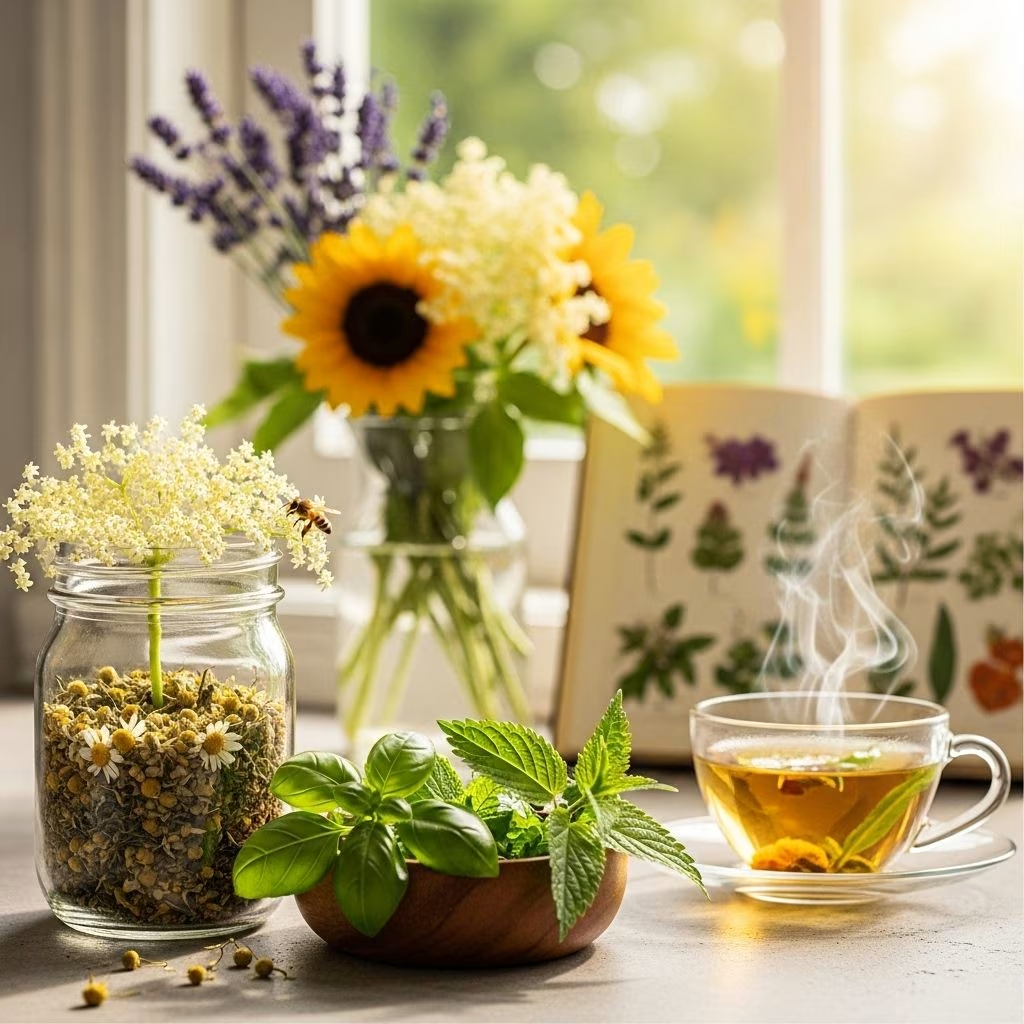
Natural Remedies for Allergy Fatigue and Hay Fever Relief
Spring and summer bloom with promise, but for allergy sufferers, they herald the discomfort of hay fever and allergy fatigue. While classic antihistamines provide relief, their side effects — notably drowsiness and diminishing efficacy over time — often leave many seeking alternatives. This comprehensive guide explores practical and scientifically-supported natural remedies to tackle allergy fatigue and hay fever, helping you reclaim your zest for life while navigating peak pollen and allergy seasons.
Understanding Hay Fever and Allergy Fatigue
Hay fever (allergic rhinitis) is an immune reaction, primarily triggered by pollen from trees, grasses, or weeds. It causes symptoms like sneezing, itchy eyes, runny nose, and fatigue, especially during peak seasons (March to September). Allergy fatigue refers to tiredness and lethargy accompanying allergic reactions, resulting from both immune response and poor sleep quality due to persistent symptoms.
Practical Lifestyle Changes to Minimize Allergies
- Minimize Pollen Exposure: Limit your time on grassy areas during high pollen counts. Keep windows closed — especially bedroom windows — to prevent pollen from settling inside and disrupting sleep.
- Create a Pollen Barrier: Apply natural balms or olive oil around nostrils to trap pollen. Wraparound sunglasses and wide-brimmed hats shield eyes and hair from pollen outdoors.
- Wash Away Pollen: Shower, wash your hair, and change clothes after being outdoors to remove pollen particles that may linger and aggravate symptoms.
- Use HEPA Filters: High-Efficiency Particulate Air (HEPA) filters in your home trap airborne irritants like pollen, dust, and pet dander, reducing the overall allergen load.
Top Natural Supplements and Herbal Remedies
| Remedy | Type | Key Benefits | Usage Notes |
|---|---|---|---|
| Stinging Nettle (Urtica dioica) | Plant extract | Natural antihistamine, reduces inflammation, supports immune health | Available as teas, capsules; traditional use spans centuries |
| Quercetin | Plant flavonoid | Stabilizes histamine release, alleviates symptoms (itchy eyes, sneezing, runny nose) | Found in broccoli, cauliflower, citrus fruits, green tea; supplements available |
| Zeolite | Mineral clay | Binds & removes histamines in digestive tract, alleviates runny/blocked nose | Natural clinoptilolite zeolite recommended; available in powder form |
| Butterbur (Petasites hybridus) | Herbal medicine | Mitigates nasal symptoms, congestion, sneezing | Some studies show modest efficacy; consult your doctor for safety |
| Perilla (Perilla frutescens) | Herb | Relieves nasal congestion, allergic asthma, boosts mood | Extracts available; research supports serotonin boost |
| Sea Buckthorn (Hippophae rhamnoides) | Berry/shrub | Maintains respiratory health, rich in vitamins (A, C, E, B), antioxidant SOD enzyme | Choose licensed, reputable products; available as oils & berries |
| Yarrow (Achillea millefolium) | Herb | Antiseptic, supports respiratory tract, helps dust allergies & sinusitis | Used as tea/tincture; avoid with ragweed allergy |
Nutrition for Allergies: Best Foods and Supplements
- Vitamin C: Powerful antioxidant and potential natural antihistamine. Found in citrus fruits, strawberries, and bell peppers. Clinical studies suggest high doses may ease allergy symptoms, but standard dietary intake remains beneficial.
- Spirulina: Algae supplement with proven anti-allergic and immune-modulating effects. May help reduce symptoms of allergic rhinitis, especially when taken regularly.
- Probiotics: Support gut health and modulate immune response. May lower the risk and intensity of allergic reactions by promoting a balanced microbiome.
- Omega-3 Fatty Acids: Present in oily fish, flaxseed, and walnuts; reduce inflammation and help immune regulation.
- Anti-inflammatory Foods: Incorporate fruits, vegetables (especially leafy greens), nuts, and whole grains to help manage allergic inflammation.
Other Proven Natural Approaches
- Saline Nasal Irrigation: Regular rinsing with a saline solution clears mucus, pollen, and bacteria, relieving congestion and lowering inflammation.
- Bromelain: Enzyme from pineapple and papaya; helps improve breathing by reducing inflammation and swelling.
- Acupuncture: Evidence from recent reviews suggests acupuncture may reduce nasal inflammation and allergic symptoms with minimal side effects.
- Physical Barriers: Wear wraparound sunglasses and hats; use balms to create a seal against pollen on skin and nasal entry points.
Environmental and Behavioral Adjustments
Beyond supplements, certain habits can greatly reduce your allergic burden:
- Monitor pollen forecasts: Check daily counts to plan outdoor activities.
- Clean bedding and fabrics regularly: Wash pillowcases, sheets, and curtains often to minimize pollen accumulation.
- Ventilate carefully: Open windows outside peak pollen hours (early morning/late evening).
- Gardening choices: Favor low-pollen plants; be mindful with cut flowers indoors.
Recognizing Allergy Fatigue
Allergy fatigue is often overlooked. Persistent tiredness can stem from ongoing nasal congestion, poor sleep, and sustained immune system activity. Symptoms include:
- Daytime sleepiness
- Difficulty concentrating
- Reduced stamina and exercise tolerance
- Mood fluctuations
To combat fatigue:
- Identify and address triggers: Seek allergy testing to pinpoint cause.
- Optimize sleep hygiene: Keep sleeping area clean, allergen-free, and well-ventilated (with HEPA filtration).
- Hydrate generously: Water, herbal teas, and broths can thin mucus and support overall well-being.
- Eat balanced, anti-inflammatory meals: Emphasize high-fiber foods, healthy fats, and ample fresh produce.
Frequently Asked Questions (FAQs)
Q: Can allergies cause long-term fatigue?
A: Yes. Chronic allergic reactions can disrupt sleep and exhaust the immune system, resulting in persistent daytime fatigue and reduced alertness.
Q: Are natural remedies safe for everyone?
A: While many natural remedies are considered safe, consult a healthcare professional — especially if you have pre-existing conditions, take medications, or plan to use potent herbal supplements like butterbur or yarrow.
Q: How quickly do natural remedies work?
A: Results vary; regular use of supplements (e.g. stinging nettle, quercetin) may take days to weeks. Lifestyle changes and nasal rinses offer more immediate relief.
Q: Can dietary change alone improve allergy symptoms?
A: Diet is important. Eating more anti-inflammatory foods and nutrients like vitamin C, omega-3s, and probiotics can strengthen your allergy defense, but results are maximized when combined with behavioral and environmental modifications.
Q: What should be avoided during allergy season?
A: Avoid high-pollen outdoor activities, keep windows closed during the day, and steer clear of foods that trigger your own allergies. Minimize exposure to cut flowers and pets that can harbor allergens.
Expert Tips for a Low-Allergy Lifestyle
- Consult an allergy specialist: Personalized advice ensures safe and effective treatment selection.
- Experiment with natural barriers: Nose balms and eyewear significantly reduce pollen ingress.
- Use herbal treatments sensibly: Monitor for side effects and avoid exceeding dosage recommendations — some herbs should only be used short-term.
- Track your symptoms: A daily diary helps identify triggers and peak fatigue phases, supporting targeted intervention.
Summary Table: Natural Allergy & Fatigue Remedies
| Remedy/Strategy | Main Benefit | Recommended Use |
|---|---|---|
| HEPA Filters | Reduces indoor allergens | Install in bedrooms/living areas |
| Stinging Nettle | Decreases histamine activity | Capsules, teas during peak seasons |
| Quercetin | Stabilizes symptoms | Dietary sources and supplements |
| Saline Nasal Rinse | Removes allergens, reduces congestion | Morning/evening use |
| Pollen Barriers | Prevents allergen entry | Apply balm around nose before going outside |
Conclusion
Combating allergy fatigue and hay fever naturally requires a holistic approach, blending smart behavioral changes, targeted nutrition, and supportive herbal allies. By layering these remedies, many allergy sufferers can experience sustained symptom improvement, resilience, and greater vitality throughout the allergy season.
References
- https://www.bbcgoodfood.com/health/health-conditions/high-pollen-count-try-our-9-natural-approaches-help-you-through-allergy-season
- https://www.sinusandallergywellnesscenter.com/blog/allergic-rhinitis-6-herbal-remedies-to-try-sinus-allergy-wellness-clinic
- https://www.healthline.com/health/home-remedies-for-allergies
- https://neaai.com/how-to-fix-allergy-fatigue/
- https://atlantaallergydoctor.com/blog/how-to-fight-fatigue-related-to-allergies/
- https://health.clevelandclinic.org/natural-remedies-for-seasonal-allergies
- https://www.nhs.uk/conditions/hay-fever/
- https://www.medicalnewstoday.com/articles/323276


