Natural Remedies for Blocked Fallopian Tubes: Options, Efficacy, and Care
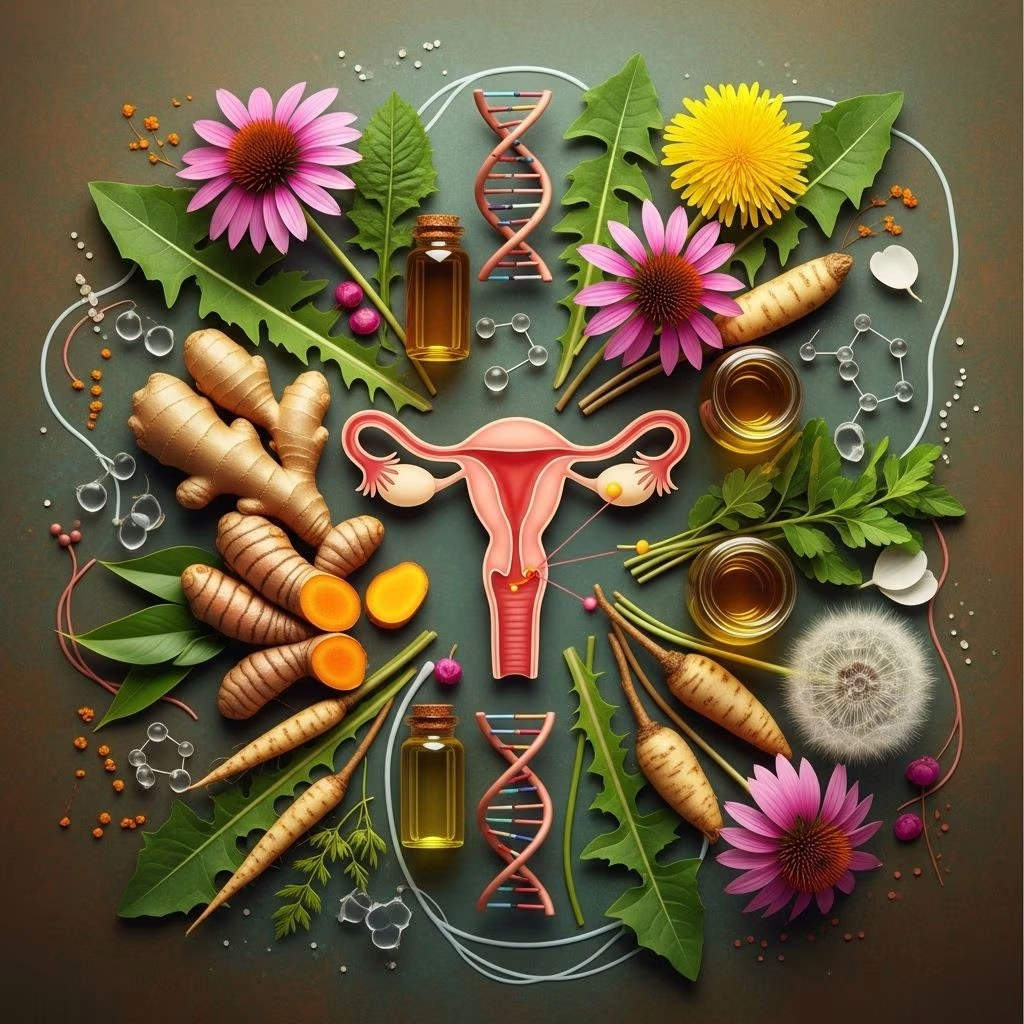
Blocked fallopian tubes are a common cause of female infertility, often preventing the egg’s journey from the ovary to the uterus. While medical treatments such as surgery and assisted reproductive technologies offer solutions, many women seek natural remedies to support tubal health and improve the chance of conception. This article provides a comprehensive overview of popular natural remedies, supporting evidence, practical applications, and important precautions.
Understanding Fallopian Tube Blockages
Fallopian tubes are vital conduits in the female reproductive system, providing the meeting point for egg and sperm, and acting as a channel to the uterus. Blockages may occur in one or both tubes, significantly reducing fertility, especially if both are affected. The main causes include:
- Endometriosis: Tissue growth can obstruct or damage the tubes.
- Pelvic Inflammatory Disease (PID): Infections lead to scarring and narrowing.
- Fibroids: Benign growths can compress or block the tubes.
- Scar Tissue: Often a result of surgery, past ectopic pregnancy, or infection.
- Sexually Transmitted Infections (STIs): Particularly chlamydia and gonorrhea.
Women with blocked fallopian tubes may have no symptoms, although recurrent pelvic pain or menstrual irregularities can occur. A diagnosis is generally confirmed via imaging techniques such as hysterosalpingography or laparoscopy.
Popular Natural Remedies and Their Rationale
1. Vitamin C
Vitamin C plays a crucial role in immune health, tissue repair, and collagen production. Its antioxidant properties may reduce inflammation – a significant factor in tubal blockages. Consuming vitamin C-rich foods such as citrus fruits, strawberries, and bell peppers, or a daily supplement (75-90 mg is commonly recommended for women), may support tubal and general reproductive health. However, direct evidence on the reversal of tubal blockage by vitamin C remains lacking.
2. Turmeric
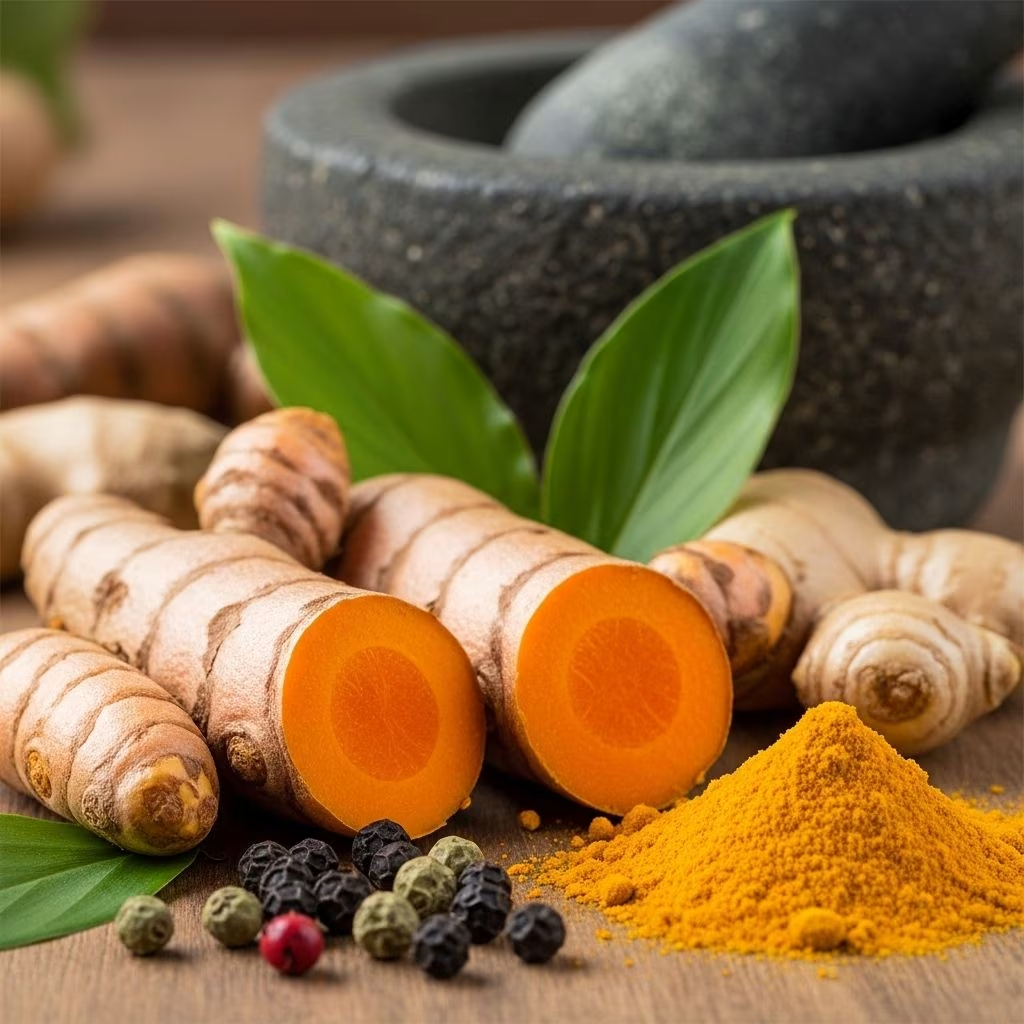
Turmeric, widely used in traditional medicine, contains curcumin, recognized for its potent anti-inflammatory and antioxidant effects. Incorporating turmeric into the diet or as a supplement is thought to help reduce pelvic and tubal inflammation. While it has broad therapeutic benefits, no scientific studies specifically confirm turmeric’s ability to unblock fallopian tubes.
3. Ginger
Ginger contains gingerol, which offers both antioxidant and anti-inflammatory benefits. Used traditionally for menstrual and digestive health, ginger may help lower inflammation that contributes to tubal blockage. While ginger is a healthy addition to a balanced diet, there is currently no clinical evidence directly linking ginger intake to unblocking tubes.
4. Garlic
Garlic has been suggested to boost fertility and support reproductive health. A 2004 study hinted at garlic’s potential for fertility improvement, though it stopped short of showing that garlic can reopen blocked tubes. Moderate garlic intake is generally safe, and its known cardiovascular and immune benefits justify its inclusion in the diet.
5. Lodhra
Lodhra is an Ayurvedic herb used for numerous gynecological conditions. Some believe it can regulate menstruation and aid in resolving reproductive tract inflammation. However, there is no scientific proof that Lodhra can treat blocked fallopian tubes.
6. Dong Quai
Referred to as “female ginseng,” Dong Quai is prominent in Chinese medicine for menstrual regulation and pelvic circulation. A meta-analysis suggests Chinese herbal approaches (including Dong Quai) may increase pregnancy rates in infertility, though none specifically demonstrate significant results for unblockage of fallopian tubes. Dong Quai should be used with caution, particularly by those on blood thinners or during menstruation and pregnancy, due to its blood circulation effects.
7. Ginseng
Ginseng, famed for promoting vitality and hormonal balance, is thought to augment blood flow to the reproductive organs. Traditionally, it is included in fertility support regimens. However, direct research regarding its impact on tubal patency is missing. Medical supervision is advised due to its potent physiological effects.
8. Vaginal Steaming
Vaginal steaming involves sitting over a pot of herbal-infused steam, believed by some to cleanse and rejuvenate reproductive organs. While popular in certain cultures, there is no scientific evidence for its safety or efficacy in unblocking tubes, and risks such as burns and infections exist. Consultation with healthcare professionals is highly recommended before considering this practice.
9. Fertility Massage
Fertility or abdominal massage focuses on the pelvic region to enhance blood flow, reduce adhesions, and ease inflammation. Some women report improved menstrual health and a subjective sense of wellbeing after regular massage. While gentle, non-invasive, and relaxing, efficacy for unblocking tubes is anecdotal rather than scientifically proven. Always seek a trained and experienced therapist for optimal safety.
10. Mugwort
Mugwort is used in both Western herbalism and Chinese medicine (notably in moxibustion) to promote uterine health and blood circulation. Although mucgwort has traditional applications, scientific evidence supporting its use in resolving tubal blockages is minimal, and safety during pregnancy has not been established. Caution is essential.
11. Castor Oil Packs
Castor oil packs involve placing a cloth soaked in castor oil on the lower abdomen, often applying gentle heat. Advocates believe this supports circulation and tissue healing in reproductive organs, potentially reducing inflammation. Castor oil packs are considered safe for topical use in most cases (excluding pregnancy and menstruation), but there is no clinical proof that they can unblock fallopian tubes.
12. Herbal Tampons
Herbal tampons are tampons soaked in herbal extracts and inserted vaginally, proposed to deliver healing compounds directly to reproductive tissues. There are no studies confirming their effectiveness for tube blockages, and improper use carries risks of vaginal infections. Medical consultation is crucial before any use.
13. Maca Root
Maca, a Peruvian root, is reputed to boost fertility and energy. Some studies have shown improved semen quality, but there is no evidence of benefit for blocked tubes. Nevertheless, many include it in their wellness routine for hormonal health.
14. Exercise
Regular physical activity can enhance fertility by improving hormone balance, reducing inflammation, and supporting circulation. While studies support exercise for overall reproductive health, none have established a clear effect on directly unblocking fallopian tubes. Nonetheless, moderate exercise is essential for general health.
15. Diet and Lifestyle Changes
- Eating an anti-inflammatory diet (rich in fruits, vegetables, nuts, fish, and olive oil)
- Limiting alcohol intake
- Avoiding exposure to toxins (e.g. tobacco, environmental pollutants)
- Maintaining a healthy weight
- Reducing stress through yoga, meditation, or mindfulness
While these factors support holistic reproductive health, their direct role in reversing tubal obstruction is unproven, but they may help reduce risk factors contributing to inflammation and scarring.
16. Meditation and Yoga
Stress management is critical for hormonal balance and overall wellbeing. Yoga and meditation are widely practiced for their calming effects and ability to mitigate chronic stress, which in turn supports healthy reproductive function. Although they do not directly reverse anatomical blockages, mind-body practices can be valuable adjuncts to infertility management.
What Does the Science Say?
Most natural remedies target inflammation or promote general reproductive health. Few, if any, have been conclusively proven to unblock fallopian tubes based on modern scientific studies.
Medical literature and fertility specialists confirm:
- Natural remedies may offer symptom relief and wellness support, but cannot physically unblock severely scarred or anatomically closed tubes.
- Medical treatments—such as minimally invasive surgery or assisted reproductive technologies—may be required for complete tubal blockages.
- Misuse of untested natural remedies may delay evidence-based treatments and reduce the chances of conception.
Common Questions About Blocked Fallopian Tubes and Natural Remedies
What are the symptoms of blocked fallopian tubes?
Most women do not experience obvious symptoms. Some may notice irregular periods, pelvic pain, or infertility.
Can you get pregnant with one blocked fallopian tube?
Yes. If only one tube is blocked and the other is healthy, ovulation and fertilization can occur on the open side, making natural pregnancy possible.
Are natural remedies effective for unblocking fallopian tubes?
While anecdotal reports suggest benefits, most natural remedies have not been proven in clinical trials to unblock tubes. They may, however, reduce inflammation and support overall reproductive health.
When should you seek medical treatment?
If you’ve been trying to conceive without success for a year (or six months if over age 35), experience chronic pelvic pain, or have known risk factors, consult a fertility specialist. Medical evaluation can confirm the diagnosis and recommend appropriate treatment.
Precautions and When to Seek Medical Advice
- Always consult with a healthcare provider before starting herbal supplements, especially if pregnant, breastfeeding, or on medication.
- Avoid unregulated or unsupervised ‘remedies’ that could cause harm.
- Medical interventions (e.g. laparoscopy, hysteroscopic procedures, IVF) remain the mainstay for treating complete or severe tubal blockages.
- Early diagnosis and prompt action are essential for women wishing to preserve or restore fertility.
Summary Table: Popular Natural Remedies for Blocked Fallopian Tubes
| Remedy | Proposed Benefit | Evidence Level | Precautions |
|---|---|---|---|
| Vitamin C | Reduces inflammation, supports tissue health | Moderate (general health), low (unblocking tubes) | Safe within dietary limits; consult for supplements |
| Turmeric | Potent anti-inflammatory, antioxidant | Moderate (general), very low (tubes) | May cause stomach upset in high doses |
| Fertility Massage | Enhances pelvic blood flow, relaxes muscles | Anecdotal | Should be done by trained therapists |
| Ginger & Garlic | Anti-inflammatory, boosts immunity | Low (tubes), moderate (general) | Safe in diet, excess can cause discomfort |
| Herbal Tampons | Direct herbal contact | Very low, no strong evidence | Risk of infection; medical advice necessary |
| Castor Oil Packs | Improves circulation, reduces inflammation | Anecdotal | Avoid in pregnancy, open wounds; skin sensitivity |
| Diet & Lifestyle | Promotes overall reproductive health | Moderate (general wellness) | Safe, but effect on tubes unclear |
| Yoga & Meditation | Reduces stress, balances hormones | Anecdotal | Generally safe for most individuals |
Frequently Asked Questions (FAQs)
Q: Can blocked fallopian tubes be treated without surgery?
A: Natural remedies may help support overall reproductive health and reduce inflammation, but surgery or medical intervention is often required for fully blocked tubes.
Q: Are herbal remedies safe for everyone?
A: Not always. Some herbs interact with medications or are unsafe during pregnancy. Consult your healthcare provider before use.
Q: Can stress cause fallopian tube blockage?
A: Stress does not directly block tubes, but chronic stress can disrupt hormone balance and adversely affect fertility.
Q: When is the right time to see a doctor for infertility?
A: If you are under 35 and not pregnant after one year of trying, or over 35 and not pregnant after six months, consult a fertility specialist.
Takeaway
Natural remedies for blocked fallopian tubes span dietary improvements, herbal supplements, and lifestyle interventions. While these approaches support overall reproductive wellbeing and may reduce risk factors, they are not substitute treatments for established blockages. Always combine natural approaches with professional medical advice for the best outcomes.
References
- https://www.healthline.com/health/natural-treatment-for-blocked-fallopian-tubes
- https://www.indiaivf.in/blog/natural-treatment-for-blocked-fallopian-tubes/
- https://www.medicalnewstoday.com/articles/natural-treatment-for-blocked-fallopian-tubes
- https://clearpassage.com/infertility-issues/effective-nonsurgical-treatment-for-blocked-fallopian-tubes/
- https://my.clevelandclinic.org/health/diseases/24437-hydrosalpinx
- https://www.nvfertility.com/post/fallopian-tube-blockage-treatment
- https://saishreeivfcenter.com/6-amazing-tips-to-naturally-unblock-the-fallopian-tubes/
- https://www.kofinasfertility.com/patient-info/how-can-i-get-pregnant-with-blocked-fallopian-tubes
- https://www.gen5fertility.com/post/what-procedure-is-needed-to-unblock-my-fallopian-tubes
- https://www.fertilitybristol.com/news-and-blog/blocked-fallopian-tubes-hydrosalpinx-causes-and-treatment