


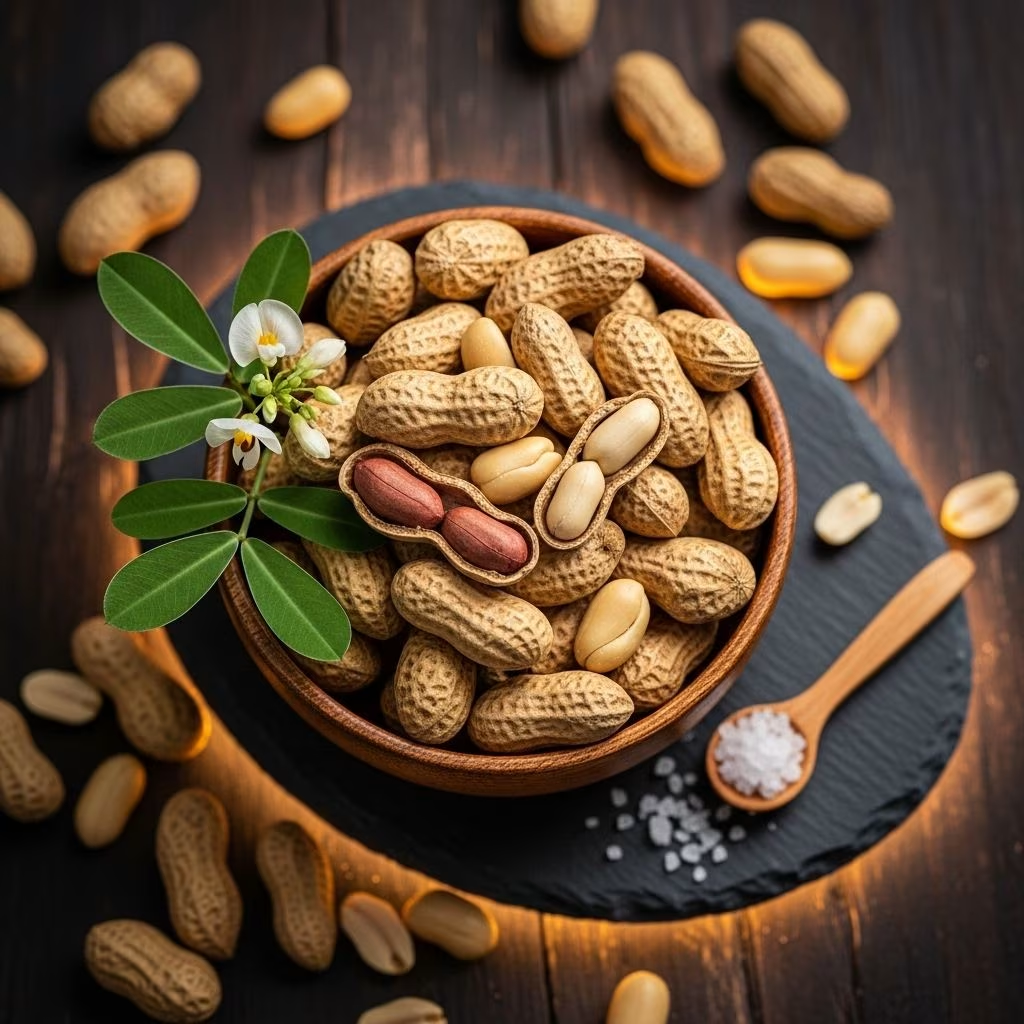
Introduction to Peanuts
Peanuts, known scientifically as Arachis hypogaea, are a legume originating from South America and now cultivated worldwide. Although commonly referred to as nuts, peanuts actually grow underground, classifying them botanically as legumes, similar to beans and lentils.
Peanuts play a central role in nutrition, cuisine, and culture due to their substantial nutrient content, versatility in recipes, and unique flavor profile.
- Botanical category: Legume, not a true tree nut
- Origin: South America (domesticated over 7,000 years ago)
- Common names: Groundnut, monkey nut, earthnut
- Main producers: China, India, Nigeria, United States
Nutritional Profile of Peanuts
Peanuts are widely celebrated for their rich nutritional value, providing protein, healthy fats, fiber, and a spectrum of essential vitamins and minerals.
Nutrient Breakdown (Per 1 oz / 28g Dry Roasted Peanuts)
| Nutrient | Amount | Key Function |
|---|---|---|
| Calories | 180 kcal | Energy |
| Protein | 8 grams | Building blocks for body, satiety |
| Fat | 15 grams | Mainly monounsaturated/”good” fat |
| Carbohydrates | 4 grams | Low glycemic index |
| Fiber | 2 grams | Digestive health, satiety |
| Sugar | 1 gram | Minimal, suitable for diabetics |
Key Vitamins and Minerals
- Biotin (Vitamin B7): Supports metabolism, essential during pregnancy
- Niacin (Vitamin B3): Promotes heart health and cellular function
- Folate (Vitamin B9): Vital for cell division, strongly recommended during pregnancy
- Vitamin E: Potent antioxidant, protects cells
- Magnesium: Supports muscle and nerve function, blood sugar regulation
- Copper: Crucial for energy production and nervous system health
- Thiamin (Vitamin B1): Needed for cell growth and energy conversion
- Pantothenic acid (Vitamin B5): Helps convert carbs into energy
- Manganese: Enzyme activation and metabolism
- Phosphorus: Tissue growth and maintenance
Top Health Benefits of Peanuts
Scientific research consistently highlights several health benefits associated with regular peanut consumption, provided they are eaten in moderation and not paired with excessive sugar or sodium.
Major Health Benefits
- Promote Heart Health:
Peanuts are rich in monounsaturated and polyunsaturated fats, plant sterols, and fiber, all of which help lower unhealthy LDL cholesterol and blood pressure. These nutrients also reduce inflammation and the risk of heart attack or stroke. - Support Weight Management:
High protein and fiber content increases satiety, helping people feel full longer. Multiple studies show moderate peanut or peanut butter intake doesn’t cause weight gain and may aid in weight loss by reducing cravings. - Blood Sugar Control:
With a low glycemic index and high protein, peanuts help stabilize blood sugar levels, making them suitable for people with diabetes. - Boost Longevity:
Antioxidants (such as coenzyme Q10 and vitamin E) and all 20 essential amino acids support cellular health and disease prevention, contributing to longer lifespan. - Improve Cognitive Function:
Biotin, copper, and thiamin are linked to healthy nerves and brain function, potentially lowering the risk of neurodegenerative conditions.
Other Notable Benefits
- Antioxidant Activity:
Peanuts contain polyphenols, flavonoids, and resveratrol, which help combat oxidative stress. - Muscle and Bone Health:
Magnesium, phosphorus, and protein are crucial for maintaining strong muscles and bones. - Immune Support:
Pyridoxine (Vitamin B6) boosts immune system functionality.
Culinary Uses of Peanuts
Peanuts are exceptionally versatile, appearing in a myriad of dishes worldwide — sweet, savory, and everything in between. Their unique nutritional value, flavor, and texture make peanuts a mainstay ingredient in kitchens and food industries.
Popular Peanut Products
- Roasted Peanuts: Consumed as snacks, added to trail mixes, salads, and stir-fries.
- Boiled Peanuts: A Southern U.S. treat with a softer texture and earthier flavor.
- Peanut Butter: A creamy spread used on bread, in baking, or as a base for sauces.
- Peanut Oil: Used for frying, sautéing, and salad dressings due to its high smoke point.
- Peanut Flour: Gluten-free alternative for baking or thickening soups and stews.
- Confectioneries: Found in chocolates, candies, brittle, and snack bars.
Global Culinary Applications
- African Cuisine: Peanut stews and soups for protein and creaminess.
- Asian Cuisine: Key ingredient in satay sauce, noodle dishes, and desserts.
- Latin American: Used in mole sauces and sweets.
- Western: From peanut butter sandwiches to pies and breakfast granola.
Peanut Recipes Ideas
- Peanut butter smoothies
- Peanut stir-fry sauce
- Peanut-crusted chicken
- Spicy peanut noodles
- Traditional peanut brittle
Peanut Taste Profile and Varieties
The taste of peanuts is described as rich, earthy, slightly sweet with a distinctive nutty flavor. Roasting intensifies their aroma and brings out caramel undertones while boiling yields a softer, more savory taste.
Texture and Aroma
- Raw peanuts: Mild, slightly sweet, firm texture
- Roasted peanuts: Deep, toasted flavor, crisp crunch, intensified nuttiness
- Boiled peanuts: Soft, moist, earthy and savory
- Peanut butter: Creamy and spreadable, or chunky for added texture
Peculiarities by Variety
| Peanut Variety | Flavor Note | Common Use |
|---|---|---|
| Runner | Balanced, typical peanut taste | Peanut butter, snacks |
| Virginia | Large, mild, less sweet | Gourmet snacks, roasting |
| Spanish | Sweet, intense flavor | Confectionery, candies |
| Valencia | Very sweet, red skin | Boiling, specialty snacks |
Possible Concerns and Precautions
- Peanut Allergy:
Peanut allergies affect millions worldwide, ranking among the most common and severe food allergies. Symptoms may range from mild hives to life-threatening anaphylaxis. Strict avoidance is necessary. - Caloric Density:
While nutrient-dense, peanuts are high in calories and fats; excessive intake can contribute to weight gain if not managed within caloric needs. - Aflatoxins:
Poor storage can allow mold that produces aflatoxins, potentially harmful if chronic exposure occurs. Reputable sourcing and roasting help reduce risk. - Sodium & Sugar:
Processed peanut snacks often contain added salt and sugar, reducing health benefits. Opt for unsalted and unflavored varieties wherever possible.
Frequently Asked Questions (FAQs)
Q: Are peanuts suitable for vegetarians and vegans?
A: Yes, peanuts are plant-based and offer substantial protein, healthy fats, and minerals, making them core to vegetarian and vegan diets.
Q: Can eating peanuts cause weight gain?
A: Research shows that moderate consumption does not cause weight gain and can aid satiety; excessive intake may contribute to weight gain due to their caloric density.
Q: Are peanuts ok for diabetics?
A: Yes, peanuts are low in carbohydrates and have a low glycemic index, helping regulate blood sugar when consumed in recommended amounts.
Q: What are peanut allergies?
A: Peanut allergies are immune reactions to peanut proteins and can be severe, requiring strict avoidance for affected individuals.
Q: How should peanuts be stored?
A: Store peanuts in airtight containers in a cool, dry place. Refrigeration or freezing preserves freshness and reduces aflatoxin risk for long-term storage.
Conclusion
Peanuts are a nutritional powerhouse with numerous health advantages, culinary versatility, and a distinctive taste profile enjoyed globally. Rich in heart-healthy fats, protein, vitamins, and minerals, peanuts contribute positively to a balanced diet, support overall wellbeing, and feature prominently in cultural dishes across continents. While peanut allergies and caloric density should be considered, choosing minimally processed peanuts in moderation offers excellent benefits and delightful flavor to everyday meals and snacks.
References
- https://www.webmd.com/diet/health-benefits-peanuts
- https://www.healthline.com/nutrition/peanuts
- https://nuts.com/healthy-eating/benefits-of-peanuts
- https://www.denverhealthmedicalplan.org/blog/healthy-perks-peanut-butter
- https://health.clevelandclinic.org/are-peanuts-good-for-you
- https://www.health.harvard.edu/blog/peanuts-linked-heart-longevity-benefits-pricey-nuts-201503057777
- https://prodiadigital.com/en/articles/6-peanut-benefits-and-its-healthy-nutrient
- https://www.bhf.org.uk/informationsupport/heart-matters-magazine/nutrition/ask-the-expert/are-peanuts-good-for-you


