Natural Remedies for Carpal Tunnel Syndrome
Carpal tunnel syndrome (CTS) is a common nerve entrapment disorder that results from pressure on the median nerve in the wrist. Characterized by pain, tingling, numbness, and weakness in the hand, CTS can significantly impact daily activities and quality of life. While medical intervention and surgery are available for severe cases, many individuals seek natural remedies and holistic approaches to reduce symptoms, promote healing, and improve hand function. This guide covers a comprehensive range of natural and home therapies to help manage carpal tunnel syndrome.
Understanding Carpal Tunnel Syndrome
Carpal tunnel syndrome occurs when the median nerve is compressed as it travels through the carpal tunnel — a narrow passageway in the wrist formed by bones and connective tissue. Risk factors include repetitive hand use, poor biomechanics, certain medical conditions (like diabetes and hypothyroidism), pregnancy, and genetics. Early intervention and lifestyle modifications are key to symptom management and prevention of progression.
Common Symptoms of Carpal Tunnel Syndrome
- Tingling and numbness in the thumb, index, and middle fingers
- Pain in the wrist, palm, or forearm
- Weakness in the hand, making it difficult to grasp objects
- Worsening symptoms during the night or with repetitive hand motions
Home-Based Remedies for Carpal Tunnel Relief
Several at-home strategies may reduce discomfort, promote healing, and delay or eliminate the need for invasive intervention. These remedies are best suited for mild to moderate cases and can complement professional care.
1. Ergonomic Modifications
- Optimize your workspace: Adjust your chair, desk, and monitor to maintain proper wrist and hand alignment.
- Ergonomic keyboard and mouse: Use designs that encourage a neutral wrist position.
- Take frequent breaks: Interrupt repetitive tasks with breaks to reduce strain on your hands and wrists.
- Mind your typing pressure: Type with soft keystrokes and avoid bending your wrists.
- Keep wrists straight: Maintain a neutral posture — not flexed or extended — during activities.
2. Wrist Splinting
Wearing a wrist splint (especially at night) keeps your wrist in a neutral position, reducing pressure on the median nerve. Splints are widely recommended for symptom relief and prevention of aggravation. Some users find it helpful to wear them during symptomatic activities in the daytime as well.
3. Cold and Heat Therapy
- Cold therapy: Apply an ice pack (wrapped in a towel) to the wrist for 10–15 minutes, several times daily. This can reduce swelling and numb pain.
- Heat therapy: Warm compresses or heating pads for 15–20 minutes can help relax tight muscles and promote blood flow before activities.
Alternating between cold and warm water immersion for short periods may enhance circulation and relief.
4. Stretching and Massage Techniques
- Gentle stretching: Perform stretches for your fingers, hands, and wrists daily to improve flexibility and reduce tension. Avoid forceful motions that trigger symptoms.
- Self-massage: Gently massage the palm, wrist, and forearm to relax muscles and stimulate blood flow. Use circular motions with moderate pressure, avoiding areas of increased sensitivity.
5. Herbal Remedies
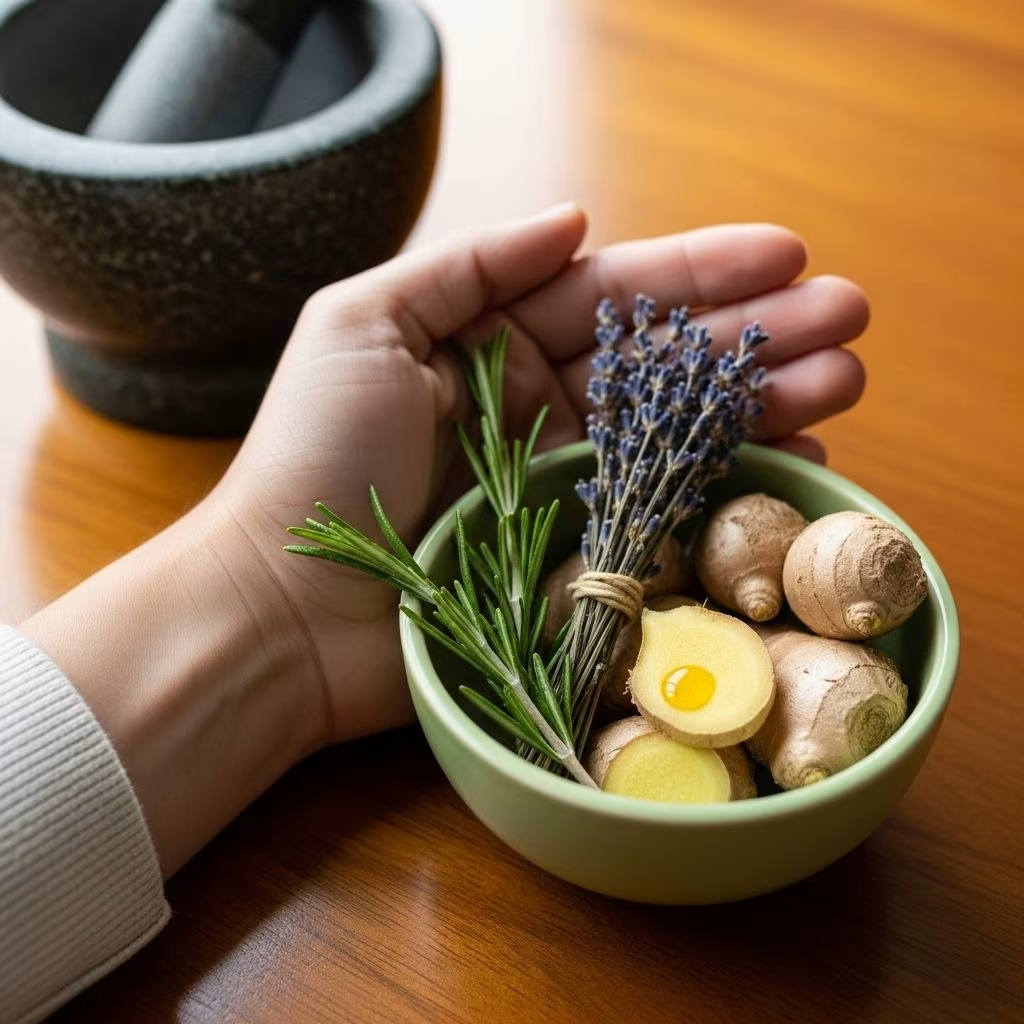
Some herbs, known for their anti-inflammatory and pain-relieving properties, may provide adjunctive support for carpal tunnel symptoms:
- Arnica: Frequently used topically as an ointment or gel to alleviate pain and inflammation.
- Comfrey: Traditionally applied as a poultice or cream for muscle and joint discomfort.
- Turmeric: Contains curcumin, a powerful anti-inflammatory compound, which can be consumed as a supplement or incorporated into foods.
- Ginger: Used in teas, capsules, or as a fresh addition to meals for its analgesic and anti-inflammatory effects.
- Willow bark: Contains salicin, a natural pain reliever akin to aspirin, and can be taken as a tea or supplement.
6. Essential Oils
Certain essential oils are noted for their soothing properties and can be used topically (in a carrier oil, at up to 3% concentration):
- Lavender oil: Shown in some studies to improve hand strength and pinch power when used in topical blends.
- Peppermint oil: Known for its cooling and pain-relieving sensation.
- Eucalyptus and frankincense oils: Both demonstrate anti-inflammatory effects.
Never apply essential oils directly without dilution, as they may cause skin irritation.
7. Dietary and Nutritional Support
- Increase omega-3 fatty acids: Found in fatty fish (salmon, sardines, mackerel) and flaxseed, omega-3s are linked to reduced inflammation.
- Magnesium and vitamin B6: Some evidence suggests these nutrients may help reduce nerve irritation and muscle tension.
- Avoid excessive sodium and processed foods: Reducing processed and salty foods may decrease fluid retention and wrist swelling.
8. Mind-Body Techniques
Tension and stress can worsen CTS symptoms. The following techniques promote relaxation and body awareness:
- Yoga: Gentle postures focusing on stretching and strengthening the hands, wrists, and shoulders support nerve health. Avoid weight-bearing poses that stress the wrists.
- Meditation and mindfulness: Practice daily mindfulness or deep breathing to decrease physical tension and support recovery.
- Progressive muscle relaxation: Systematically tense and release muscle groups to promote full-body relaxation and decrease perceived discomfort.
9. Acupuncture and Alternative Therapies
Some individuals explore therapies like acupuncture or chiropractic care for symptom management. While research is mixed, some studies suggest acupuncture may help reduce pain and improve function in certain cases. Consult a trained practitioner and always combine complementary therapies with evidence-based approaches.
10. When to Seek Medical Advice
If carpal tunnel symptoms persist, worsen, or disrupt daily function despite home therapies, consult a healthcare professional. Severe cases may require intervention such as corticosteroid injections, physical therapy, or surgical release of the carpal tunnel. Early intervention is critical to prevent permanent nerve damage.
Table: Home Remedies for Carpal Tunnel Syndrome
| Remedy | Method | POTENTIAL BENEFIT |
|---|---|---|
| Wrist Splinting | Wear brace at night/day | Reduces nerve compression, relieves symptoms |
| Cold Therapy | Ice pack/ cold wrap several times daily | Decreases swelling and numbs pain |
| Heat Therapy | Warm compress/ heating pad 15–20 min | Relaxes muscles, improves blood flow |
| Herbal Remedies | Topical or dietary (arnica, turmeric, ginger) | Reduces inflammation, alleviates pain |
| Essential Oils | Topical (diluted in carrier oil) | Soothes discomfort, may improve function |
| Nutrition | Increase omega-3s, reduce sodium | Supports anti-inflammatory effect |
| Stretching/Massage | Gentle exercises and self-massage | Improves mobility, reduces tightness |
Prevention Tips and Healthy Habits
- Maintain healthy posture: Be mindful of body mechanics during all activities.
- Alternate tasks and positions: Avoid continuous, repetitive motions whenever possible.
- Strengthen hand and forearm muscles: Use soft balls or resistance bands (with caution) to improve muscular support.
- Maintain a healthy weight: Obesity increases CTS risk due to systemic inflammation and tissue loading.
- Stay active: Support overall circulation and nerve health through regular exercise.
Frequently Asked Questions (FAQs)
Q: Can carpal tunnel syndrome go away on its own?
A: Mild cases related to temporary strain or swelling may resolve with rest and self-care. Persistent symptoms require evaluation to prevent nerve damage.
Q: Which natural remedy is most effective for CTS?
A: Effectiveness varies by individual. A combination of ergonomic changes, splinting, cold therapy, and anti-inflammatory dietary support is often most beneficial. Herbal and essential oil remedies may provide additional relief for some.
Q: Are there risks to using herbal or essential oil treatments?
A: Always perform a patch test before topical herbal or oil application and avoid undiluted essential oils on the skin. Consult your healthcare provider before starting new supplements, especially if pregnant, nursing, or on medication.
Q: How soon should I expect relief with home therapy?
A: Improvement often occurs within a few weeks when remedies are applied consistently. For chronic or severe symptoms, seek professional assessment promptly.
Q: Can yoga or meditation really help carpal tunnel?
A: Yes. Mind-body practices like yoga and meditation can reduce muscular tension, improve circulation, and support relaxation, all of which promote symptom improvement.
When to See Your Doctor
If hand weakness increases, numbness persists, or daily functioning declines, medical evaluation is essential. Early intervention lessens the risk of permanent nerve changes. Non-surgical and integrative approaches work best when begun promptly and tailored to each person’s specific needs.
Final Thoughts
Natural remedies for carpal tunnel syndrome provide a holistic approach that empowers individuals to take charge of their hand health. While these strategies can significantly reduce symptoms and improve quality of life, persistent or severe cases require expert medical guidance. Combining healthy habits, natural support, and professional care offers the best chance of lasting relief and optimal function.
References
- https://corehealthchiropractor.com/non-surgical-treatments-for-carpal-tunnel-syndrome/
- https://dubuquechiropractic.com/natural-remedies-and-home-care-for-carpal-tunnel-pain/
- https://www.medicalnewstoday.com/articles/314772
- https://www.healthline.com/health/home-remedies-for-carpal-tunnel
- https://stvincents.org/about-us/news-press/news-detail?articleId=61190&publicid=745
- https://www.youtube.com/watch?v=axO1C324yPA&vl=en
- https://www.healthpartners.com/blog/home-remedies-for-carpal-tunnel-syndrome/
- https://www.alneurosurgery.com/post/3-at-home-exercises-to-relieve-carpal-tunnel-pain
- https://www.mayoclinic.org/diseases-conditions/carpal-tunnel-syndrome/diagnosis-treatment/drc-20355608