Natural Remedies for Arthritis Pain Relief
Arthritis affects millions of people worldwide, causing pain, stiffness, and inflammation in joints that can hinder daily activities and diminish quality of life. While medical treatments and medications play a key role, many individuals seek natural remedies to manage symptoms safely. This guide explores effective, science-supported natural therapies, herbal supplements, and lifestyle changes to help relieve arthritis pain and support healthier joints.
Understanding Arthritis and Pain Management
There are over 100 types of arthritis, with osteoarthritis (OA) and rheumatoid arthritis (RA) being the most common. Arthritis pain stems from:
- Joint inflammation
- Cartilage breakdown
- Stiffness leading to loss of mobility
Natural approaches complement medical therapy by reducing inflammation, improving joint function, and enhancing overall well-being. Always consult your healthcare provider before starting any new regimen, especially if you are taking prescription medications.
Key Natural Remedies for Arthritis Pain Relief
1. Herbal Remedies
Certain herbs contain anti-inflammatory and pain-relieving properties beneficial for arthritis sufferers. Some of the most widely studied and recommended herbal options include:
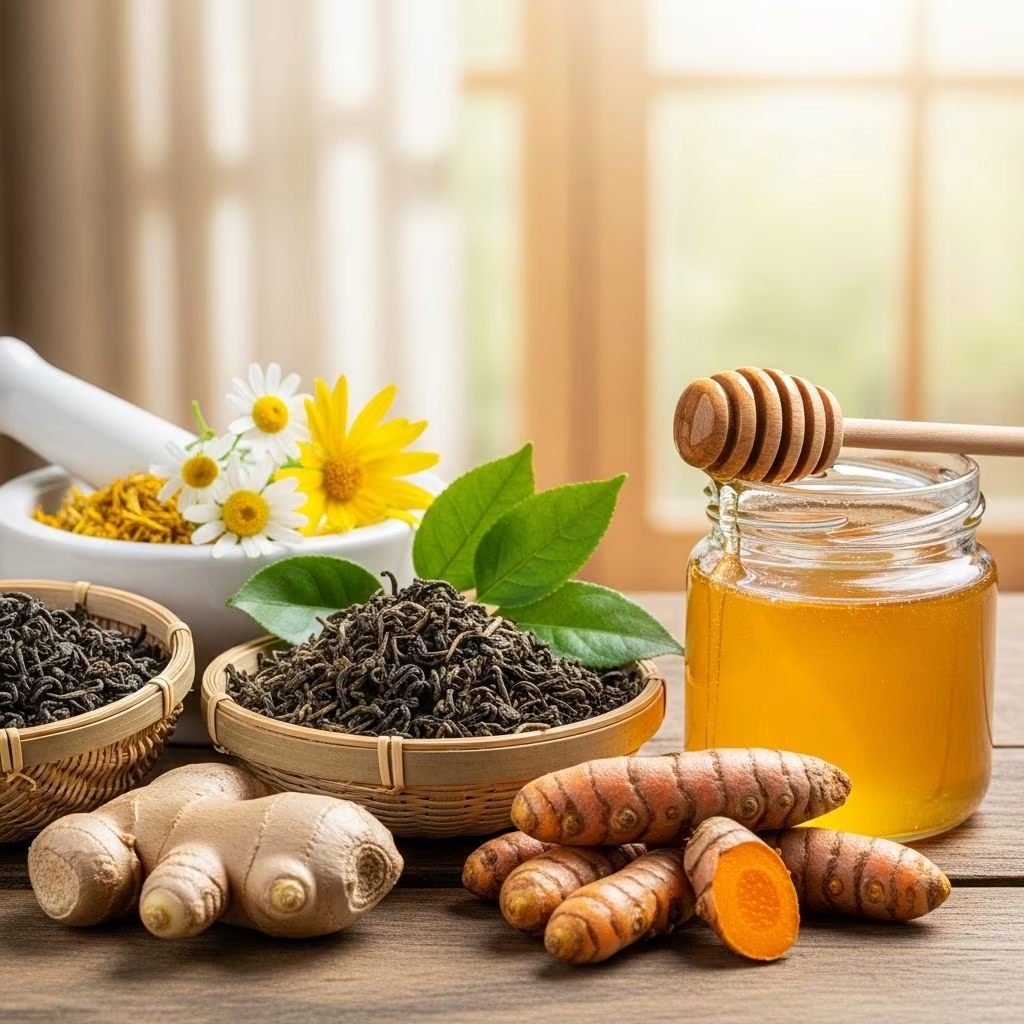
- Turmeric (Curcumin): This bright-yellow spice houses curcumin, a compound celebrated for anti-inflammatory and antioxidant effects. Research suggests 500–1000 mg of curcumin daily may reduce pain and swelling.
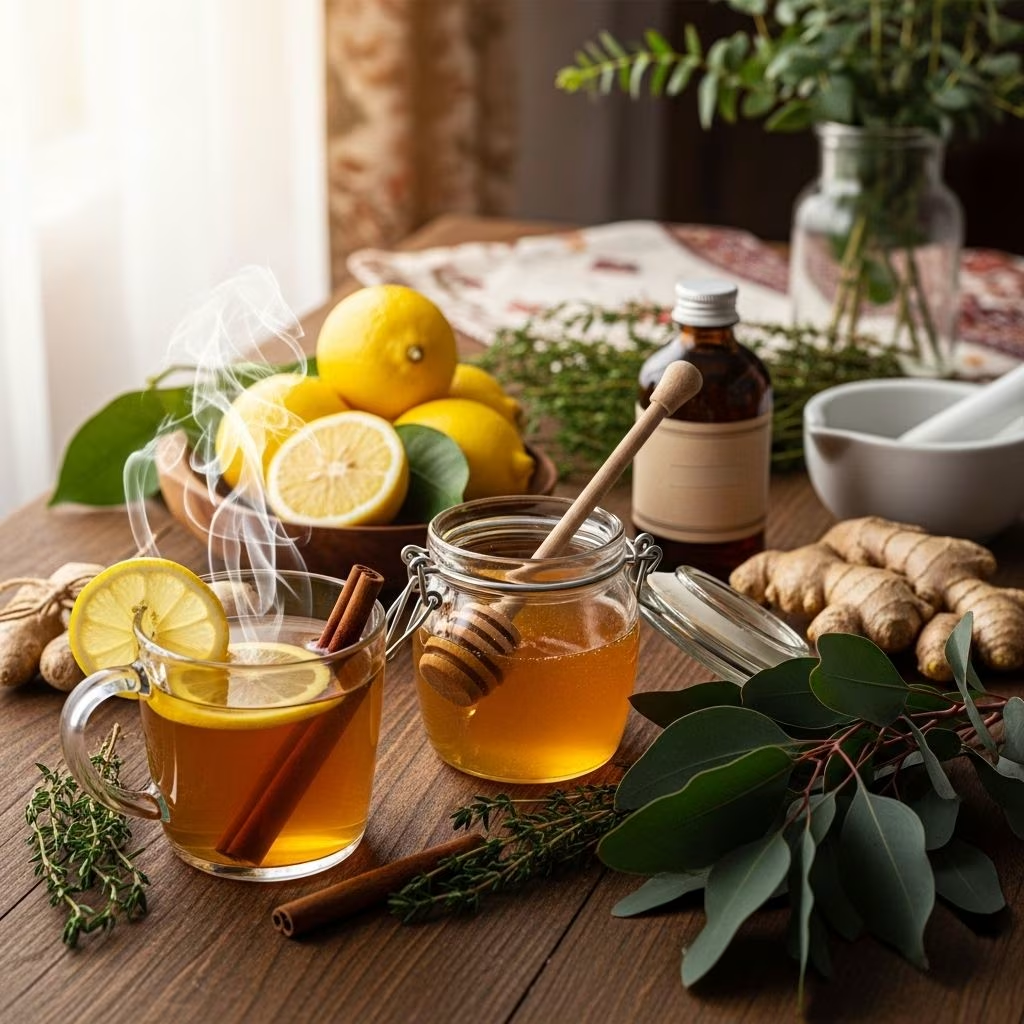
Tip: Curcumin is better absorbed when consumed with black pepper. - Ginger: Like turmeric, ginger offers anti-inflammatory effects and can be consumed as a spice, tea, extract, or supplement. It may relieve joint pain by mechanisms similar to NSAIDs.
Note: Ginger and turmeric should be used as adjuncts, not substitutes for medication. - Boswellia (Frankincense): Derived from Boswellia serrata tree gum, Boswellia has demonstrated the ability to reduce inflammatory markers and improve joint function. Available as capsules and creams, it’s shown some promise in small clinical studies.
- Willow Bark: Historically used for pain relief, willow bark contains compounds similar to aspirin and may help reduce swelling. Caution is essential if you have aspirin sensitivities.
- Cat’s Claw: This tropical vine has immunomodulatory and anti-inflammatory properties and has shown reduction in joint swelling in early research, but may interact with several medications and conditions.
- Aloe Vera: Often used for skin inflammation, topical aloe vera gel may provide soothing relief for sore joints and is generally well tolerated.
Note: Oral aloe vera may interact with diabetes medications and lower blood glucose; consult a doctor before ingesting.
Always discuss with your doctor before using herbal remedies, as they may interact with prescription drugs or other conditions.
2. Dietary Supplements
- Omega-3 Fatty Acids: Found in fatty fish (salmon, trout, sardines), flaxseed, and walnuts, omega-3s help lower inflammation and lubricate joints. Studies recommend 600–1000 mg of fish oil daily for arthritis symptom relief. Results are most noticeable after consistent, prolonged use.
Note: Common supplements include fish oil and flaxseed oil; always discuss dosage with your physician. - Glucosamine Sulfate and Chondroitin: These compounds occur naturally in cartilage and may provide modest pain relief and slow cartilage breakdown. Available over-the-counter, effects may vary between individuals.
3. Topical Treatments and Ointments
- Capsaicin Cream (Cayenne Pepper): Capsaicin, the active compound in cayenne, blocks pain signaling in nerves and may relieve localized joint discomfort. You can buy over-the-counter capsaicin creams or make your own by mixing cayenne with carrier oils like coconut or cocoa butter.
- Menthol and Camphor Creams: These cooling agents offer temporary pain relief by distracting nerve pathways and are commonly included in commercial pain-relief ointments.
- Eucalyptus and Other Essential Oils: Some evidence suggests these oils may ease pain when applied with massage, but should be used with caution to avoid skin irritation.
4. Hot and Cold Therapies
| Hot Therapy | Cold Therapy |
|---|---|
Do: Use heat for non-inflamed, stiff joints. |
Do: Apply in 15–20 minute intervals. |
Alternating hot and cold therapy (15 minutes of each) can offer even greater symptom relief.
5. Epsom Salt Soaks
Soothe sore joints by soaking in a warm Epsom salt bath. While scientific backing is limited, many arthritis sufferers report temporary relief and relaxation. For best results:
- Add 1–2 cups of Epsom salts to a warm bath
- Soak affected joints for 15–30 minutes
- Consult your doctor regarding frequency
6. Lifestyle and Physical Activity
- Weight Management: Reducing excess body weight decreases joint load, especially on knees and ankles. Losing just 10 pounds may alleviate pain and improve function.
- Gentle Exercise: Low-impact activities such as walking, swimming, cycling, and yoga can relieve stiffness, enhance mobility, and strengthen muscles supporting joints. Regular movement is key to maintaining range of motion.
- Tai Chi and Water Therapy: Mind-body exercises like tai chi and aquatic exercises improve flexibility, balance, and overall comfort.
- Occupational and Physical Therapy: Professional guidance can teach joint-protecting techniques, adaptive devices, and tailored exercise programs.
7. Nutrition for Joint Health
- Anti-inflammatory Diet: Aim for a diet rich in fruits, vegetables, whole grains, lean proteins, and healthy fats. Focus on foods with anti-inflammatory properties, such as leafy greens, berries, nuts, seeds, fatty fish, and olive oil.
- Limit Processed Foods: Avoid excessive sugar, refined carbs, and saturated fats, which may worsen inflammation.
8. Alternative Therapies
- Acupuncture: This traditional Chinese medicine technique uses tiny needles to stimulate specific points, potentially reducing arthritis pain and promoting relaxation. Studies indicate modest benefits for some individuals.
- Massage Therapy: Helps reduce pain, stiffness, and muscle tension around affected joints.
- Paraffin Wax Baths: Especially effective for hand and foot arthritis, paraffin wax can be used at home or in clinics to reduce discomfort and improve mobility.
Frequently Asked Questions (FAQs)
Q: Are natural treatments safe as primary therapy for arthritis pain?
A: Natural remedies can be effective as complementary treatments but should not substitute prescription medications or professional care for moderate or severe arthritis. Consult your provider before starting any herbal or supplemental regimen.
Q: How quickly will I notice results from natural remedies?
A: Effects from herbal supplements and dietary changes may take several weeks to become noticeable. Topical creams and hot/cold therapies often offer more immediate, but temporary, relief.
Q: Can I use more than one natural remedy at once?
A: Yes, many therapies—such as herbal supplements, dietary changes, and physical therapy—work best in combination. Always inform your doctor about all remedies and supplements to avoid interactions or side effects.
Q: Which supplements have the most scientific support?
A: Omega-3 fatty acids, curcumin (from turmeric), boswellia, and ginger have the strongest evidence for pain relief and decreased inflammation.
Q: What lifestyle changes help the most with chronic arthritis?
A: Maintaining a healthy weight and engaging in regular, low-impact exercise are the most impactful lifestyle factors for managing chronic arthritis pain.
Important Precautions and When to Seek Medical Attention
- Interactions: Many natural remedies, especially herbs and supplements, may interfere with prescription medicines for pain, blood pressure, clotting, or diabetes. Always consult a healthcare provider before combining.
- Allergic Reactions: Discontinue immediately if you notice rash, itching, or swelling when using new topical applications or supplements.
- Monitor for Worsening Symptoms: If you experience sudden or severe joint swelling, redness, high fever, or inability to move joints, seek medical attention immediately, as these can indicate infection or more serious conditions.
Summary Table: Common Natural Remedies for Arthritis Pain Relief
| Remedy | Main Benefit | Form | Precautions |
|---|---|---|---|
| Turmeric (Curcumin) | Anti-inflammatory, Antioxidant | Spice, Supplement | May interact with blood thinners |
| Ginger | Reduces swelling & pain | Tea, Supplement | Possible digestive upset |
| Omega-3 Fatty Acids | Decreases inflammation | Foods, Supplements | Check with doctor if on blood thinners |
| Capsaicin (Cayenne) | Pain relief by blocking nerve signals | Topical Cream | May irritate skin; avoid contact with eyes |
| Willow Bark | Pain, swelling relief | Extract, Tea | Not for those allergic to aspirin |
| Hot/Cold Therapy | Temporary pain & stiffness relief | Compresses, Baths | Not for inflamed/red or circulation-impaired areas, respectively |
| Epsom Salt Baths | Soothes, relaxes | Bath soak | Consult for skin conditions or diabetes |
Takeaway and Next Steps
Natural remedies alone may not cure arthritis, but when used thoughtfully under professional guidance, they can reduce discomfort, increase daily function, and improve long-term joint health. Remember to personalize your regimen, monitor for side effects, and maintain regular communication with your healthcare provider for the safest and most effective relief.
References
- https://www.healthline.com/health/osteoarthritis/herbs-arthritis-pain
- https://lportho.com/natural-treatments-to-relieve-your-osteoarthritis-pain/
- https://rheumatology.org/herbal-remedies-supplements-acupuncture-for-arthritis
- https://orthopedicinstitutesf.com/home-remedies-for-joint-pain-relief-that-truly-work/
- https://www.arthritis.org/health-wellness/healthy-living/managing-pain/pain-relief-solutions/natural-relief-for-arthritis-pain
- https://www.mayoclinic.org/diseases-conditions/arthritis/in-depth/arthritis/art-20046440
- https://www.uclahealth.org/news/article/managing-arthritis-6-natural-ways-improve-mobility-and
- https://www.healthpartners.com/blog/hand-arthritis-relief/
- https://www.arthritis.org/health-wellness/healthy-living/nutrition/anti-inflammatory/the-ultimate-arthritis-diet
- https://www.motrin.com/adults/arthritis/tips-remedies