


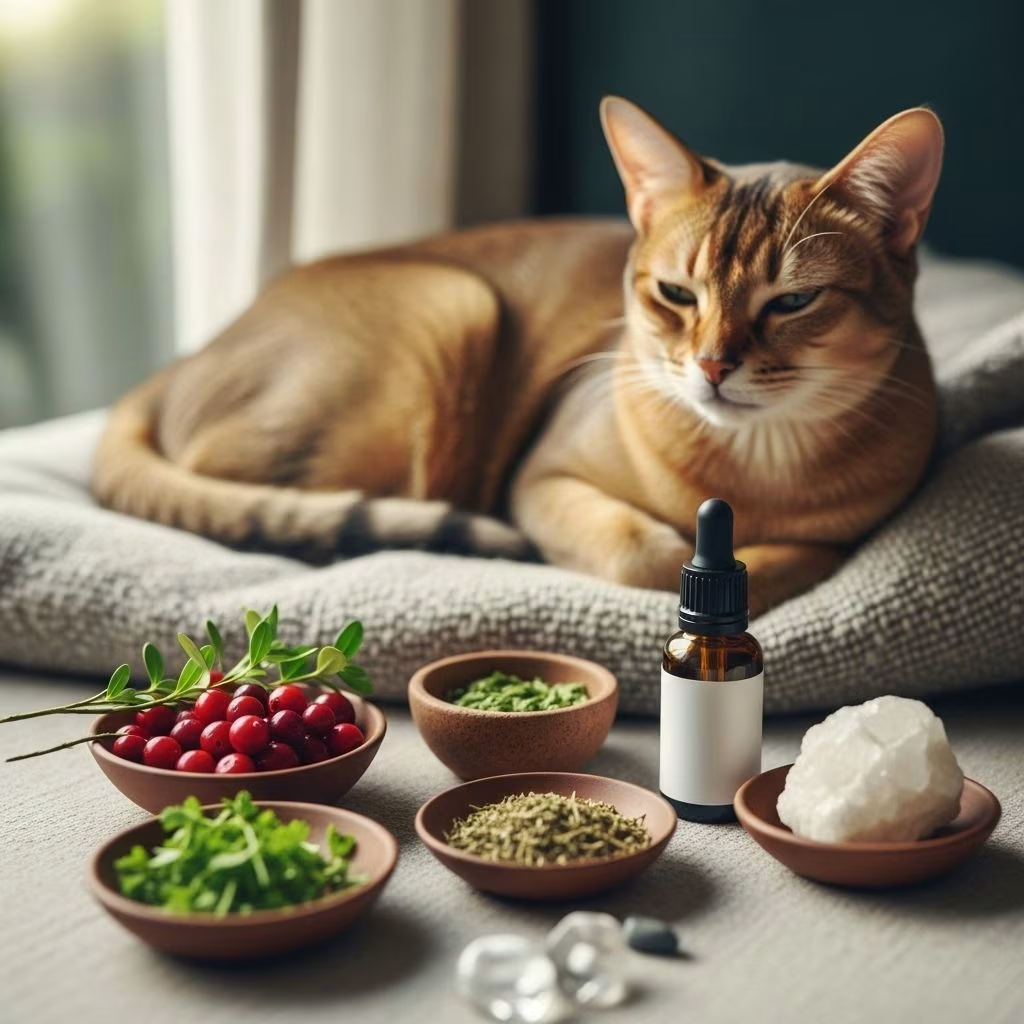
Urinary tract infections (UTIs) are a common issue that can affect cats of all ages, leading to discomfort, pain, and sometimes serious health complications. While conventional veterinary care and prescription medications are often necessary, many cat owners seek gentle, natural remedies to manage and prevent UTIs in their feline companions. This comprehensive guide explores proven holistic options, lifestyle changes, and practical strategies to support your cat’s urinary health.
Understanding Cat UTIs
A urinary tract infection (UTI) in cats refers to a bacterial infection anywhere along the urinary tract, including the bladder and urethra. Common signs can include:
- Frequent attempts to urinate, with little urine produced
- Painful or uncomfortable urination (crying in the litter box)
- Blood in the urine
- Urinating outside the litter box
- Excessive licking at the genital area
UTIs are sometimes confused with feline lower urinary tract disease (FLUTD), which often presents with similar symptoms but may be due to factors such as inflammation, stress, or crystals rather than infection alone. It’s crucial to work with your veterinarian for a precise diagnosis.
The Importance of Veterinary Care
Natural remedies can offer significant benefits, but if your cat shows symptoms of a UTI—especially if they are straining to urinate, producing little or no urine, or acting lethargic—immediate veterinary care is essential. Untreated urinary problems can lead to life-threatening complications, including urinary blockages. Once your veterinarian has identified the root cause and ruled out emergencies, holistic approaches can complement medical treatment for ongoing support and prevention.
Natural Remedies for Cat UTI
1. Cranberry Extract
Cranberry products are well-known in human urinary health and have gained popularity for feline use. They may help prevent the adhesion of bacteria to the bladder wall, making it easier for the body to flush out potential pathogens. Choose unsweetened cranberry supplements, capsules, or powders formulated for pets—never sweetened human juice, which can be too high in sugar.
- Always administer cranberry products based on your cat’s urine pH, only if it is too alkaline. Testing urine pH through your vet or home kits is recommended to prevent making the infection worse.
- Cranberry should not replace antibiotics if your cat has a confirmed infection, but can support urinary health and prevention efforts.
2. D-Mannose
D-Mannose is a naturally occurring sugar that helps prevent bacteria from attaching to the urinary tract lining. It is generally safe for cats and can especially help with recurrences. While research specific to cats is limited, anecdotal evidence and some veterinary endorsements suggest its effectiveness in supporting urinary health.
3. Apple Cider Vinegar
Apple cider vinegar is believed to acidify urine, making it less hospitable to bacteria. Add up to half a teaspoon per day to your cat’s food (mixed with water, chicken, or beef broth to mask the taste), but only if your cat’s urine is too alkaline. Precautions include:
- Ensure broth contains no onions or high sodium, which are toxic to cats
- Monitor for any aversion or gastrointestinal upset
4. Glucosamine and Chondroitin
These nutritional supplements, often used for joint support, can also help rebuild and protect the bladder’s mucous lining. Glucosamine helps replace glycosaminoglycans in the bladder wall, while chondroitin prevents their breakdown.
- Recommended dosing is 100 mg glucosamine and 50 mg chondroitin per 10 lbs of body weight for most cats.
- These supplements can reduce inflammation and pain while promoting overall bladder health.
5. Marshmallow Root
Marshmallow root acts as a natural anti-inflammatory and a mild diuretic, helping to soothe irritated bladder tissues and flush out bacteria. The mucilage content in this herb coats and protects the bladder lining. It can be used as a tea (given in very small amounts) or as part of a professionally formulated supplement.
6. Uva Ursi
Uva Ursi is an herbal remedy containing arbutin, which converts to hydroquinone—a natural antibacterial compound—in the body. It has a long history of use for urinary tract health, but should only be given under veterinary supervision as it can be strong or potentially toxic in high doses or with prolonged use.
7. Bone Broth and Hydration
Encouraging proper hydration is among the most effective natural approaches to preventing and managing UTIs. Bone broth is an excellent way to increase your cat’s fluid intake while providing additional amino acids and minerals with anti-inflammatory support.
- Offer sodium-free, onion-free bone broth daily for hydration.
- Increase the number of water bowls and use pet fountains to encourage more drinking.
8. Milk Thistle
Milk thistle is primarily known for supporting liver health, but its anti-inflammatory and detoxifying properties may also aid urinary tract health. Look for supplements designed for pets and consult your veterinarian before adding new herbs.
9. Probiotics
Probiotic supplements help maintain a balanced gut and a healthy immune response, which can reduce inflammation and the risk of secondary infections in the urinary tract.
Dietary and Lifestyle Adjustments
Switch to a Wet or Canned Food Diet
Cats are naturally low-water drinkers, so switching from dry kibble to a high-moisture diet is one of the most effective ways to keep urine dilute and flush irritants or bacteria from the bladder.
- Offer canned or raw food with high water content.
- Fresh, clean water should be available at all times.
Environmental Stress Reduction
Stress is a significant trigger for urinary problems in cats. Support emotional well-being by:
- Keeping litter boxes clean and easily accessible
- Providing a safe and calm environment
- Promoting activity with toys and interactive play
- Using feline pheromone diffusers if needed
Prevention: How to Keep Cat UTIs At Bay
| Prevention Strategy | Benefits | Tips |
|---|---|---|
| Hydration | Flushes bacteria and crystals from the bladder | Switch to wet food, offer fresh water and broths |
| Diet | Supports urinary pH balance and overall health | Choose high-quality, species-appropriate foods |
| Routine Veterinary Checkups | Early detection and treatment of underlying problems | Schedule annual exams, monitor blood and urine tests |
| Minimize Stress | Reduces inflammatory triggers | Create calm spaces and consistent routines |
| Litter Box Hygiene | Prevents bacterial buildup and discomfort | Scoop daily, wash regularly, provide extra boxes |
Risks and Precautions with Natural Remedies
While many natural remedies are safe under proper guidance, always take the following precautions:
- Consult your veterinarian before starting any supplement or herbal remedy, especially if your cat is on medication or has pre-existing health issues.
- Monitor for adverse reactions such as vomiting, diarrhea, or behavioral changes.
- Avoid remedies not specifically formulated for pets, especially essential oils or strong herbs (which can be poisonous in cats).
When to Seek Veterinary Attention
Never rely solely on home remedies if your cat displays severe symptoms, such as:
- Straining or inability to urinate
- Significant pain or crying when trying to urinate
- Blood in the urine that persists
- Lethargy, vomiting, or disinterest in food and water
These can indicate a urinary obstruction or another life-threatening emergency that requires immediate professional intervention.
Holistic remedies are best reserved for mild or chronic cases under veterinary guidance, or as part of a broader prevention strategy, not as a replacement for necessary medical treatment.
Frequently Asked Questions (FAQs)
Q: What natural supplements are safe for preventing cat UTIs?
A: Glucosamine, chondroitin, unsweetened cranberry extract, marshmallow root, probiotics, and specially formulated urinary health blends for pets are generally safe under veterinary supervision.
Q: Can I use human UTI remedies for my cat?
A: No. Many human supplements are not safe for cats due to different dosing, metabolism, and sensitivity to certain ingredients. Only use cat-specific products.
Q: Will switching to wet food alone prevent UTIs?
A: While it significantly lowers the risk by increasing hydration, no single change is guaranteed to prevent all urinary problems. A combination of diet, hydration, stress management, and monitoring is best.
Q: How can I tell if my cat’s UTI is gone?
A: Watch for the return of normal urination, absence of blood or strain, improved mood, and usual litter box habits. Follow up with your veterinarian, who may recommend urine testing to confirm the infection has cleared.
Q: What should I do if my cat has recurring UTIs?
A: Recurrent UTIs could be a sign of underlying health issues such as diabetes or bladder stones. Consult your veterinarian for further diagnostics and a tailored treatment plan.
Conclusion
Natural remedies, when used appropriately and under veterinary guidance, can play a valuable role in preventing and managing UTIs in cats. Focus on hydration, tailored nutrition, supplementation, and creating a stress-free environment for your feline friend. Monitor your cat for any changes in urination or behavior, and always prioritize professional medical care when symptoms are severe or persistent. With a balanced approach, you can help your cat enjoy optimal urinary tract health and a happier, more comfortable life.
References
- https://whiteoakvet.com/uti-medicine-for-cats/
- https://www.webmd.com/pets/cats/cat-urinary-tract-problems
- https://www.pranapets.com/blogs/pet-health/home-remedies-for-uti-in-cats
- https://scruffypawsnutrition.com/blogs/urinary-tract-health/veterinarians-guide-to-home-remedies-for-cat-uti
- https://www.carecredit.com/well-u/pet-care/cat-uti/
- https://gsvs.org/blog/cat-uti-emergency-treatment/
- https://www.nhvnaturalpetproducts.com/cats/conditions/bladder-infections/
- https://nusentia.com/collections/bladder-infections-uti-cats


