


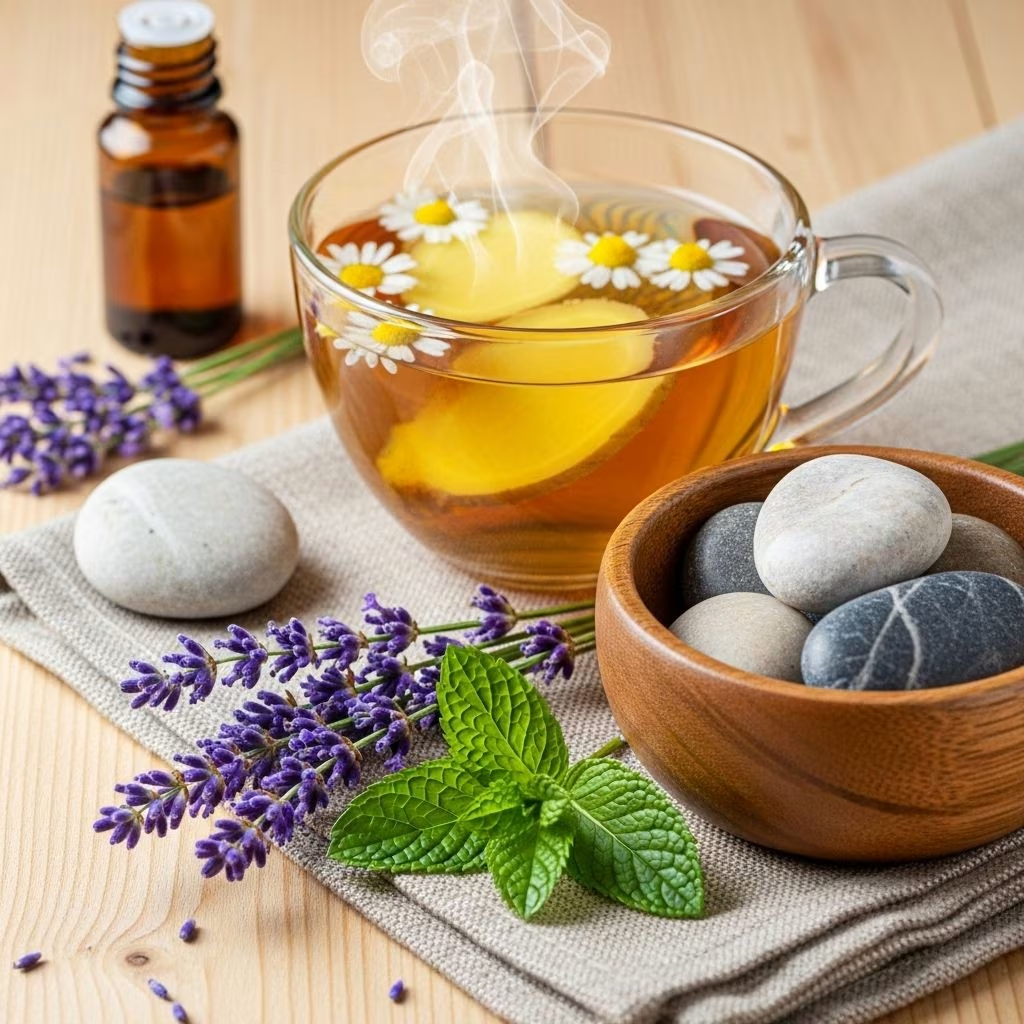
No More Headaches: 6 Natural Remedies for Lasting Pain Relief
Headaches are an all-too-common ailment, with millions seeking relief every day from a pain that interrupts work, social activities, and sleep. While conventional painkillers like acetaminophen or ibuprofen offer quick relief, many people experience side effects or recurring headaches that prompt the search for safer, natural options. Fortunately, scientific studies and holistic health experts support a variety of natural remedies, which can be effective for stress, tension, migraines, and even chronic headaches.
Below, we detail six proven headache remedies—each backed by science and expert guidance—to help you choose strategies tailored for your needs.
1. Stress Reduction: Mind-Body Techniques for Headache Prevention
Stress is a leading trigger for headaches. Implementing stress-management strategies not only helps minimize pain frequency but also improves overall mood and well-being. Mind-body interventions tap into your nervous system’s natural calming abilities—lowering cortisol levels and reducing muscular tension that can cause headaches.
- Meditation: Regular mindful meditation calms overactive neurons and lowers stress hormone production.
- Yoga: Combines movement with deep breathing to relax neck and scalp muscles implicated in tension headaches.
- Deep Breathing & Relaxation: Simple exercises like diaphragmatic breathing can lower blood pressure and reduce pain perception.
- Hypnosis: This deep relaxation method helps retrain your body’s pain response and is increasingly recognized for migraine management.
- Sleep Hygiene: Stress reduction is closely tied to regular sleep. Establish a calming bedtime routine and minimize screen use before bed for better rest.
In studies, mind-body therapies reduce both headache frequency and severity for many sufferers. Regular practice can transform not just your pain, but your resilience to future triggers.
Tip: Even five minutes daily can make a difference.
2. A Trigger-Free Diet and Staying Hydrated
Some of the most powerful headache prevention methods lie in your daily dietary choices. Certain foods can trigger headaches for sensitive individuals, while dehydration is a commonly overlooked cause for both migraines and regular tension headaches.
Eliminating Dietary Triggers
- Common triggers include: Caffeine, alcohol (especially red wine), aged cheeses, processed meats (nitrates), monosodium glutamate (MSG), artificial sweeteners (aspartame), and chocolate.
- Identifying triggers via a food diary can help manage chronic headaches. Try removing one suspect food at a time, observe any pattern changes, and consult your healthcare provider.
Hydration: The Simple Solution
- Even mild dehydration can cause headaches, brain fog, and irritability.
- If your urine is dark yellow or if you feel thirsty, you may already be dehydrated.
- Drink water throughout the day—most adults require at least 64 oz (1.9L) daily, more if active or in hot climates.
Nutrition Boosters
- Eat fruits with high water content—watermelon, cucumber, strawberries—and soups to supplement hydration.
- Include magnesium-rich foods such as leafy greens and pumpkin seeds for added headache-fighting benefit.
Table: Foods to Eat/Limit for Headache Prevention
| Encouraged Foods | Foods to Limit/Avoid |
|---|---|
| Leafy greens (spinach, kale) | Aged cheeses (cheddar, blue) |
| Fresh meats & fish | Processed meats (deli, hot dogs) |
| Fruits (berries, melon) | Chocolate |
| Whole grains, nuts, seeds | Caffeinated drinks (coffee, soda) |
| Water, herbal tea | Alcohol (especially red wine) |
3. Magnesium Glycinate Supplements for Prevention and Relief
Magnesium plays a key role in hundreds of cellular processes, including nerve signaling and muscle relaxation. Studies show that up to half of Americans may not get enough magnesium, especially those prone to headaches or migraine.
Benefits of Magnesium
- Helps reduce frequency and intensity of migraines
- Supports muscle relaxation, preventing tension-related headaches
- May help stabilize mood and lower sensitivity to pain triggers
Best Forms and Dosage
- Magnesium glycinate is highly absorbable and gentler on the digestive system compared to other forms (citrate, oxide).
- Common supplement doses range from 200-400mg daily. Always start low to assess tolerance and increase as needed with medical guidance.
- Foods high in magnesium: spinach, nuts, seeds, avocados.
- Consult your physician, especially if you are taking medications or have kidney issues.
Did you know? Low magnesium levels are linked with higher risk of both migraine and cluster headaches.
4. Acupuncture: Ancient Technique for Modern Headache Relief
Acupuncture—an integral practice in traditional Chinese medicine—involves the insertion of thin needles at specific points on the body to correct energy imbalances and stimulate healing. Numerous studies suggest acupuncture is effective for both tension headaches and migraines.
Scientific Findings
- Systematic reviews show acupuncture significantly reduces headache days and pain intensity in chronic migraine sufferers compared to placebo or standard medical care.
- Acupuncture may help modulate neurotransmitter production and improve circulation, contributing to pain relief and relaxation.
What to Expect
- A typical session lasts 30–60 minutes, often involving several needles placed in areas around the head, neck, and sometimes hands or feet.
- Minimal discomfort and few side effects are reported; temporary bruising or soreness may occur.
- Look for a licensed acupuncturist with training in headache or pain management.
Tip: Acupuncture may be especially useful for individuals struggling to manage pain with conventional therapies or those seeking holistic options.
5. CBD Oil: Nature’s Calmer for Chronic Headache Pain
Cannabidiol (CBD) is a non-psychoactive compound derived from hemp, legal and widely available in most areas. Unlike traditional painkillers, CBD addresses pain through multiple pathways—calming overstimulated brain neurons, reducing inflammation, and promoting better sleep and mood stability, all of which are linked to improved headache outcomes.
How CBD Helps
- Evidence suggests CBD reduces chronic pain, including that seen in arthritis, fibromyalgia, and tension headaches.
- CBD has anti-inflammatory and neuroprotective effects, calming brain activity while supporting relaxation.
- Unlike THC, CBD does not cause intoxication and generally has a wide safety margin, with few known side effects even at higher doses.
Usage Guide
- CBD oil is best taken sublingually (under the tongue) for rapid absorption; capsules, gummies, and topical creams are also available.
- Start with low doses (10–20mg), assess effects, and increase as needed under medical advice.
- Consult your doctor if taking medications or pregnant, as CBD can interact with certain drugs.
While research is ongoing, anecdotal reports and early studies support CBD’s effectiveness for stress reduction, pain management, and better sleep—three key headache triggers.
Note: Medical marijuana—CBD’s cousin—shows promise for headache relief in research, but it is regulated differently by region.
6. Essential Oils: Aromatherapy for Fast Natural Relief
Aromatherapy leverages the therapeutic benefits of plant-derived essential oils to ease headache pain when inhaled or applied to skin. Both ancient tradition and modern science endorse certain oils for headache management.
Best Essential Oils for Headache
- Lavender: Shown in clinical studies to reduce migraine severity when inhaled for 15 minutes.
- Peppermint: Contains menthol, which can relieve tension headaches when applied to the forehead or temples.
- Lemon Balm: Used in traditional medicine for calming and headache relief, especially in migraines.
- Frankincense: Used for its mood-balancing and pain-reducing properties.
How to Use Essential Oils for Headaches
- Inhalation: Add a few drops to a diffuser or inhale directly from cupped hands with a drop of oil.
- Topical Application: Dilute 2-3 drops in a teaspoon of carrier oil (such as coconut, almond, or jojoba), then massage onto forehead, temples, or the back of your neck. Be cautious, as undiluted oils can irritate skin.
- Avoid artificial fragrances—seek pure, high-quality oils with no chemical additives.
Studies warn that chemical perfumes can actually trigger headaches and migraines in sensitive individuals, so always use naturally sourced essential oils.
Frequently Asked Questions (FAQs)
Q: Can natural remedies replace painkillers for severe headaches?
A: Some individuals find adequate relief with natural supports, but severe or persistent headaches should be evaluated by a healthcare provider. Integrative strategies can enhance conventional treatments or reduce reliance on medication for mild to moderate headaches.
Q: Is magnesium safe for everyone?
A: Magnesium in recommended amounts (200–400mg/day) is safe for most adults, but those with kidney disease or taking medication should consult with their doctor before supplementing.
Q: Can essential oils be used daily?
A: Yes, when properly diluted. If you have sensitive skin or are prone to allergies, patch-test before regular use. Discontinue if any irritation occurs.
Q: How long does it take for stress-reduction techniques to work?
A: Most people observe benefits within a few sessions, but regular practice yields the greatest results for headache prevention and reduction.
Q: Are there lifestyle tips to further prevent headaches?
A: Yes. Maintain regular sleep, hydrate promptly, eat a balanced trigger-free diet, keep active, and manage screen time breaks. Combining these tips with the natural remedies above offers comprehensive protection.
Final Thoughts
Headaches may be common, but suffering from them need not be inevitable. Science-backed natural remedies—from stress-busting techniques and trigger-free diets to magnesium, acupuncture, CBD oil, and essential oils—offer safe, effective approaches to pain relief and prevention. Consult with a qualified practitioner to customize your headache management plan and enjoy greater comfort, clarity, and well-being every day.
References
- https://tofillo.com/en/the-best-natural-headache-relief-5-herbal-allies/
- https://www.health.harvard.edu/staying-healthy/headache-remedies-to-help-you-feel-better
- https://vitalplan.com/blogs/blog/no-more-headaches-6-natural-remedies-for-headache-pain
- https://www.medicalnewstoday.com/articles/323992
- https://vitalplan.com/blogs/blog/adaptogens-a-wellness-craze-or-a-faithful-health-tool
- https://vitalplan.com/blogs/blog/how-to-boost-your-cellular-health-and-immunity-the-11-best-herbs-foods
- https://pmc.ncbi.nlm.nih.gov/articles/PMC6629253/
- https://drgreenlifeorganics.com/blogs/health/natural-headache-support-for-adults
- https://health.clevelandclinic.org/natural-remedies-for-headaches
- https://www.barnesandnoble.com/w/natural-remedies-for-headaches-and-migraine-rita-clark/1121818974


