


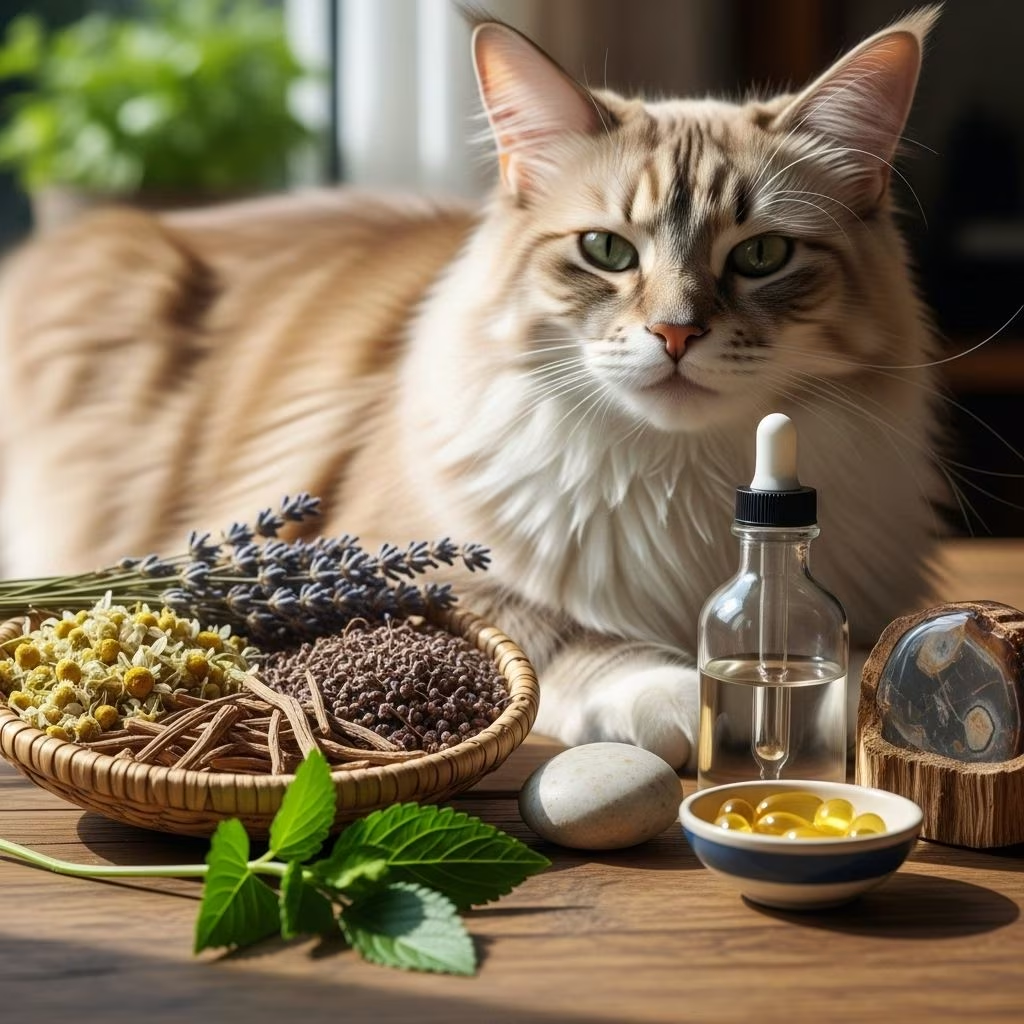
As devoted cat guardians, we constantly seek the best ways to maintain our feline companions’ health and happiness. While conventional veterinary medicine plays a crucial role, many cat owners are increasingly turning to natural remedies and holistic approaches to complement traditional treatments. Natural remedies can offer gentle, effective solutions for various common cat health issues, from digestive disturbances to stress-related behaviors.
Understanding which natural remedies are safe and effective for cats requires careful research and consultation with veterinary professionals. Cats possess unique physiological characteristics that make them different from other pets, particularly their inability to metabolize certain substances due to missing liver enzymes. This biological distinction means that natural remedies safe for humans or even dogs may prove toxic to felines, making informed choices absolutely essential.
Understanding Feline Physiology and Natural Remedies
Before exploring specific natural remedies, it’s vital to understand how cats process substances differently than other animals. Cats lack certain essential liver enzymes that help eliminate or metabolize toxins, which significantly affects their ability to handle various herbs, oils, and supplements. This metabolic difference means that what appears natural and harmless might actually pose serious risks to feline health.
The digestive system of cats functions similarly to humans in many ways, but this crucial enzymatic difference requires special consideration when selecting natural treatments. Essential oils, for instance, which many people use therapeutically, can interfere with liver functioning in cats and should never be administered. Understanding these physiological limitations helps us make safer, more informed decisions about natural remedies for our feline friends.
Safe Herbs for Feline Health
Several herbs have demonstrated safety and efficacy for cats when properly administered. Valerian root stands out as one of the most popular herbal remedies, offering calming effects similar to catnip but often more potent. This herb can help reduce stress and anxiety in cats, particularly during stressful situations like travel, moving, or visits to the veterinarian.
Echinacea, widely recognized for immune system support, can benefit cats struggling with infections or weakened immunity. This herb stimulates immune function and may help cats recover more quickly from illness. However, dosing must be carefully controlled and veterinary guidance is essential before starting any echinacea supplementation.
Milk thistle, also known as silymarin, has gained significant attention for supporting liver health in cats. This herb appears in many veterinary formulas designed to boost antioxidants, reduce inflammation, and protect liver cells from damage. For cats with liver disease or those taking medications that stress the liver, milk thistle can provide valuable support when used under veterinary supervision.
Dandelion, often dismissed as a common weed, actually offers gentle digestive support for cats. The greens have mild laxative effects and can improve digestion, making them a safe option when your cat experiences minor digestive upset. If you notice your cat nibbling dandelions in the backyard, there’s typically no cause for concern, as these plants are generally safe for feline consumption.
Licorice root appeals to cats due to its naturally sweet flavor and acts as a natural cortisone alternative. This herb reduces inflammation effectively, making it particularly beneficial for cats suffering from arthritis or joint pain. Additionally, licorice root may aid digestive issues and soothe mucus membranes, potentially easing symptoms of respiratory conditions like bronchitis.
Calendula, also called pot marigold, contains high levels of saponins—compounds believed to heal and prevent gastric ulcers while helping regulate blood sugar. The antiseptic properties of calendula make it useful as an ear or eye wash for cats, though you should always consult your veterinarian before applying anything to these sensitive areas.
Marshmallow root, distinct from the confection bearing the same name, serves as a natural remedy for urinary tract infections in cats. This herb can also be prepared as a slurry to treat oral ulcers, providing soothing relief for cats experiencing mouth discomfort.
Natural Solutions for Digestive Problems
Digestive issues rank among the most common health problems affecting cats, ranging from occasional upset stomach to chronic conditions requiring ongoing management. Natural remedies can offer gentle, effective relief for many digestive disturbances without the side effects sometimes associated with pharmaceutical interventions.
Pumpkin puree represents one of the safest and most effective natural remedies for cat digestive issues. A single teaspoon of plain, unsweetened pumpkin puree can help with both constipation and diarrhea due to its high fiber content. The fiber in pumpkin adds bulk to stool when cats experience diarrhea and provides moisture and softness when constipation occurs, making it a versatile remedy for various digestive concerns.
Probiotics have gained widespread recognition for promoting gut health in cats. Adding a quality probiotic supplement specifically formulated for felines can improve digestion, enhance nutrient absorption, and support overall gastrointestinal health. A healthy gut microbiome contributes to stronger immunity and better overall health, making probiotics a valuable addition to many cats’ wellness routines.
Managing Fleas and Ticks Naturally
External parasites like fleas and ticks can cause significant discomfort and health problems for cats. While numerous chemical treatments exist, many cat owners prefer natural alternatives that reduce exposure to potentially harmful pesticides.
Apple cider vinegar spray offers a natural flea repellent option. Mixing equal parts apple cider vinegar with water creates a solution that can be lightly sprayed on your cat’s fur, though care must be taken to avoid the face, eyes, and any open wounds. The acidic nature of vinegar makes the cat’s skin less appealing to fleas, though this method works best as a preventive measure rather than treating an active infestation.
Food-grade diatomaceous earth provides another natural option for flea control. This fine powder can be carefully sprinkled on your cat’s fur and works by dehydrating fleas through physical means rather than chemical action. When using diatomaceous earth, ensure you purchase food-grade quality and apply it in a well-ventilated area, taking care to prevent inhalation by both you and your cat.
Addressing Skin Irritations Naturally
Skin problems in cats manifest in various ways, from dry, flaky skin to itching, redness, and inflammation. Many skin issues stem from poor diet, environmental irritants, or underlying allergies, and natural remedies can provide significant relief.
Coconut oil serves multiple purposes for feline skin health. Applying small amounts topically can soothe dry skin and help minor wounds heal. When added to food in appropriate amounts, coconut oil nourishes skin from within and can reduce inflammation throughout the body. The omega fatty acids in coconut oil deeply moisturize skin and support a healthy, lustrous coat.
Oatmeal baths offer gentle relief for cats experiencing itching and inflammation. Colloidal oatmeal, finely ground to dissolve in water, creates a soothing bath that calms irritated skin. While most cats dislike water, for severe skin issues causing significant discomfort, a brief oatmeal bath under calm, controlled conditions can provide substantial relief.
Omega-3 fatty acids, whether from fish oil supplements or incorporated through diet, profoundly impact skin and coat health. These essential fatty acids reduce inflammation, support cell membrane integrity, and promote healthy skin function. Many cats with chronic skin issues experience dramatic improvement when omega-3 supplementation becomes part of their regular routine.
For cats suffering from allergies that manifest as skin problems, herbal allergy support using ingredients like nettles and quercetin can work as natural antihistamines. These substances help moderate the immune system’s overreaction to allergens, reducing symptoms like itching, redness, and inflammation.
Natural Stress and Anxiety Relief
Cats are sensitive creatures, and stress can significantly impact their health and behavior. Natural remedies for anxiety offer gentle alternatives to pharmaceutical interventions for many cats experiencing mild to moderate stress.
Catnip and valerian root both provide calming effects for anxious cats, though individual cats respond differently to each herb. While catnip excites some cats, it calms others, and valerian root typically produces more consistent relaxation effects. These herbs can be particularly useful during stressful events like thunderstorms, fireworks, or household changes.
Synthetic pheromone diffusers, while not strictly natural in origin, mimic the calming pheromones mother cats produce. Products like Feliway replicate these chemical signals, helping reduce stress-related behaviors including inappropriate urination, excessive vocalization, and aggression. These diffusers plug into electrical outlets and continuously release pheromones throughout the environment.
Supporting Urinary Tract Health
Urinary tract infections and related issues cause significant discomfort in cats and can lead to serious complications if left untreated. Natural approaches can support urinary health and, in some cases, help resolve minor infections.
Cranberry supplements, well-known for supporting urinary tract health in humans, offer similar benefits for cats. Cranberry contains compounds that prevent bacteria from adhering to the urinary tract walls, potentially reducing infection risk. However, cranberry should complement rather than replace veterinary treatment for active urinary tract infections.
Increasing water intake represents one of the most effective natural approaches to urinary tract health. Adequate hydration helps flush bacteria from the urinary system and dilutes urine, reducing the formation of crystals and stones. Providing a cat water fountain often encourages increased drinking, as many cats prefer moving water. Incorporating wet food into the diet also significantly boosts moisture intake.
Natural Pain Relief for Cats
Managing pain in cats requires careful attention and appropriate interventions. Several natural remedies can help alleviate discomfort, particularly for chronic conditions like arthritis.
Turmeric, specifically its active compound curcumin, offers powerful anti-inflammatory, antibacterial, and antifungal properties. Research demonstrates that curcumin blocks inflammatory pathways, making it beneficial for alleviating musculoskeletal pain. For cats, mixing small amounts of turmeric into wet food provides the easiest administration method. Dosing depends on age and size, with kittens requiring just a pinch while adult cats can receive up to one-quarter teaspoon.
Hot and cold therapy provides gentle, effective pain management for cats. Cold therapy particularly benefits acute or sudden pain by reducing inflammation, increasing pain tolerance, and easing muscle spasms. Controlled cold application can numb nerve endings and lessen inflammation severity. To apply cold therapy safely, use a cold towel, ice pack, or bag of frozen vegetables on the affected area for two to three minutes at a time, always placing a barrier between the cold source and your cat’s skin.
For joint health and arthritis management, collagen and bone broth help rebuild cartilage and connective tissues. These supplements provide building blocks necessary for maintaining healthy joints and can slow the progression of degenerative joint disease. Green-lipped mussel powder represents another powerhouse supplement for reducing arthritis symptoms and improving flexibility in cats with joint problems.
Preparing and Administering Herbal Remedies
Successfully medicating cats often challenges even experienced pet owners, but several strategies can make the process easier. Understanding proper preparation and administration techniques ensures your cat receives the full benefit of natural remedies.
When working with herbs, remember that dried herbs are stronger than fresh herbs. For homemade herbal preparations, use one teaspoon of dried herbs for every tablespoon of fresh herbs to achieve equivalent potency. However, for most cat owners, purchasing professionally formulated pet-safe herbal supplements from reputable retailers recommended by veterinarians proves more practical and reliable than DIY preparations.
For administering herbal supplements that come as pills, capsules, or powders, hiding them in your cat’s food often works well. Alternatively, tucking pills into commercial pill pockets and offering them as treats can be effective. Fresh or dried herbs can be mixed into wet food or sprinkled on top of kibble, though some cats may detect and avoid them if the flavor is too strong.
One critical caution bears repeating: never give your cat essential oils. Despite their popularity in human aromatherapy and natural health, essential oils can seriously interfere with liver functioning in cats due to their unique metabolism. What seems like a gentle, natural treatment could actually prove toxic to your feline companion.
Important Considerations and Precautions
While natural remedies offer many benefits, several important precautions must guide their use. The term natural does not automatically mean safe, particularly for cats with their unique metabolic characteristics. Always consult with your veterinarian before introducing any new herbs, supplements, or natural treatments to your cat’s routine.
Individual cats may react differently to the same remedy, and what works well for one cat might prove ineffective or even problematic for another. Start with small doses when introducing new supplements and monitor your cat closely for any adverse reactions. Signs of problems might include vomiting, diarrhea, lethargy, loss of appetite, or behavioral changes.
Natural remedies should complement rather than replace conventional veterinary care. For serious health conditions, acute illnesses, or emergencies, professional veterinary treatment remains essential. Natural approaches work best for supporting overall wellness, managing chronic conditions in conjunction with veterinary care, and addressing minor health issues.
Quality matters significantly when selecting natural remedies and supplements. Choose products specifically formulated for cats from reputable manufacturers who follow good manufacturing practices. Human supplements may contain ingredients, dosages, or additives unsuitable for feline use, even if the primary active ingredient appears safe.
Creating a Holistic Health Plan
Integrating natural remedies into your cat’s healthcare requires a thoughtful, comprehensive approach. Begin by establishing a solid foundation of proper nutrition, regular veterinary care, appropriate exercise, mental stimulation, and stress reduction. Natural remedies enhance this foundation rather than serving as a substitute for basic care.
Work collaboratively with a veterinarian knowledgeable about both conventional and holistic approaches. Some veterinarians specialize in integrative medicine, combining the best of traditional veterinary care with natural and alternative therapies. These professionals can guide you in selecting appropriate natural remedies, determining proper dosing, and monitoring your cat’s response to treatment.
Maintain detailed records of any natural remedies you give your cat, including the specific product, dosage, frequency, and observed effects. This documentation helps identify what works best for your individual cat and provides valuable information to share with your veterinarian during wellness visits.
Remember that preventive care often proves more effective than treating established health problems. Using natural remedies to support overall wellness and prevent disease development represents an ideal approach to holistic feline healthcare. A healthy diet, stress reduction, environmental enrichment, and targeted supplementation can help your cat maintain optimal health throughout their life.
Frequently Asked Questions
Q: Are natural remedies always safe for cats?
A: No, natural does not automatically mean safe for cats. Due to their unique liver metabolism, cats cannot process many substances that are safe for humans or other pets. Always consult your veterinarian before giving your cat any natural remedy or supplement.
Q: Can I use essential oils on my cat?
A: No, essential oils should never be used on or around cats. These concentrated plant extracts can interfere with liver functioning in cats and may cause serious toxicity. Avoid diffusing essential oils in areas where your cat spends time.
Q: How much pumpkin can I give my cat for digestive issues?
A: One teaspoon of plain, unsweetened pumpkin puree is typically safe for cats with digestive upset. Start with a smaller amount and observe your cat’s response. If digestive problems persist beyond a day or two, consult your veterinarian.
Q: What’s the best way to increase my cat’s water intake?
A: Provide fresh water in multiple locations, consider a cat water fountain as many cats prefer moving water, and incorporate wet food into your cat’s diet. Some cats also prefer wide, shallow water bowls that don’t touch their whiskers.
Q: Can turmeric help my cat’s arthritis?
A: Turmeric contains curcumin, which has anti-inflammatory properties that may help alleviate arthritis pain in cats. However, dosing must be appropriate for your cat’s size, and it should be used as part of a comprehensive pain management plan developed with your veterinarian.
Q: How do I know if my cat is having an adverse reaction to a natural remedy?
A: Watch for signs including vomiting, diarrhea, lethargy, loss of appetite, behavioral changes, difficulty breathing, or any other unusual symptoms. If you suspect your cat is reacting badly to a natural remedy, discontinue use immediately and contact your veterinarian.
Q: Should I stop conventional medications if I start using natural remedies?
A: Never discontinue prescribed medications without consulting your veterinarian. Natural remedies should complement, not replace, necessary conventional treatments. Some natural remedies may interact with medications, so always inform your vet about any supplements you’re giving your cat.
References
- https://veterinarysecrets.com/holistic-remedies-for-the-10-most-common-cat-health-problems/
- https://holisticvetblend.com/blogs/news/holistic-treatment-for-cats-the-ultimate-beginners-guide-1
- https://www.holistapet.com/blogs/cat-care/what-are-the-best-cat-remedies-discover-natural-solutions-for-your-feline-friend
- https://doobert.com/holistic-approaches-to-cat-healthcare-natural-remedies-and-therapies/
- https://rutlandvet.com/blog/cat-care-guide-june/
- https://www.petsbest.com/blog/herbs-that-are-safe-for-cats
- https://www.zumalka.com/blogs/blog-pet-health/vet-approved-natural-pain-relief-cats
- https://catskingdomonline.com/post/holistic-healing-for-cats-natural-remedies-for-common-health-issues


