


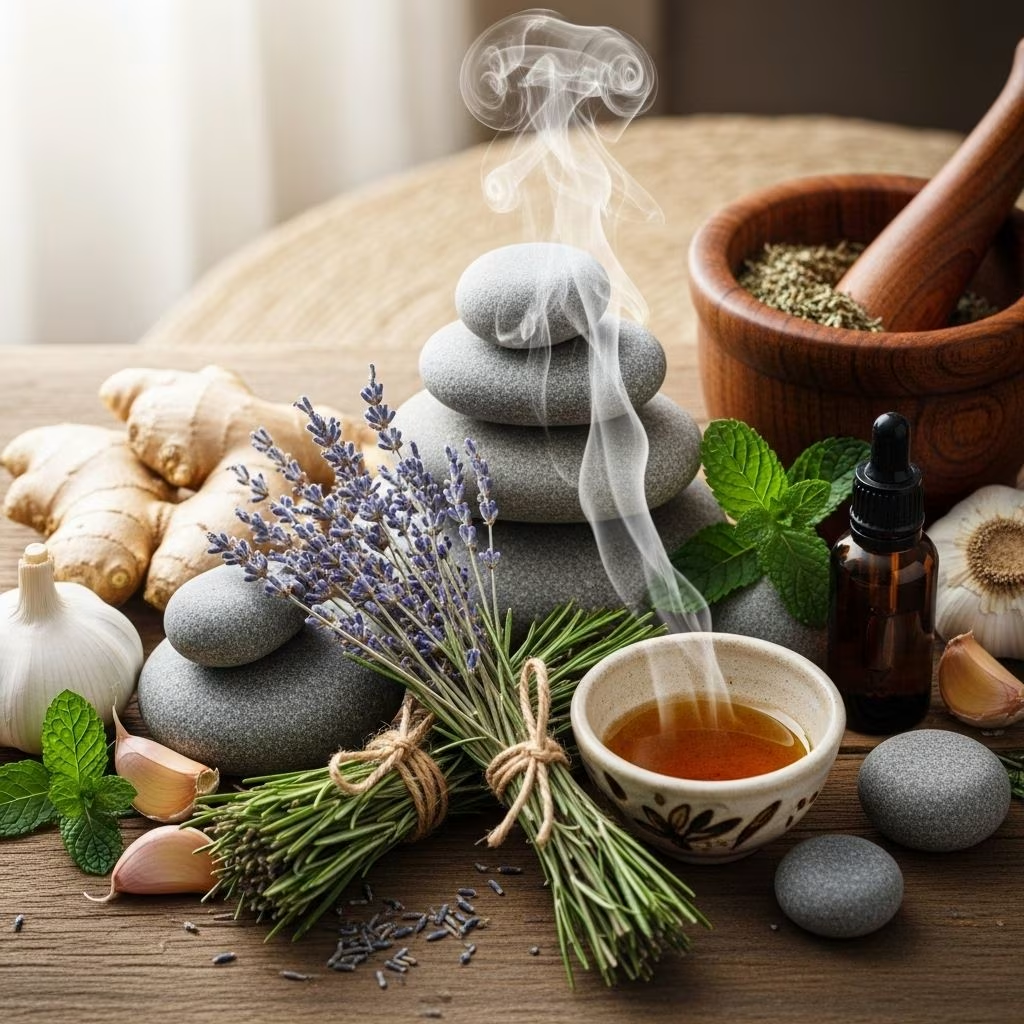
Understanding Chronic Pain
Chronic pain is persistent discomfort that lasts for weeks, months, or even years. Unlike acute pain, which signals injury or illness and typically resolves as healing occurs, chronic pain can persist long after the initial cause has healed. Common conditions associated with chronic pain include arthritis, fibromyalgia, back pain, migraines, and neuropathy. Managing chronic pain often requires a multifaceted approach, combining medical treatment with lifestyle changes and natural remedies.
Why Consider Natural Remedies?
While medications can be effective, they sometimes come with side effects, dependency risks, and interactions. Natural remedies offer alternatives that may reduce reliance on pharmaceuticals, minimize side effects, and support overall wellness. Many herbs, supplements, and lifestyle interventions have been used for centuries and are now supported by modern research.
Herbal Remedies for Chronic Pain
Turmeric (Curcumin)
- Benefits: Turmeric contains curcumin, a potent anti-inflammatory and antioxidant compound. Studies show it can help reduce pain and swelling, particularly in arthritis and other inflammatory conditions.
- How to Use: Incorporate turmeric into cooking, or take standardized curcumin supplements. For better absorption, pair with black pepper (piperine) and healthy fats like olive oil.
- Considerations: High doses may cause digestive issues; consult your healthcare provider if you take blood thinners.
Boswellia (Frankincense)
- Benefits: Boswellia has demonstrated efficacy in reducing pain and stiffness in osteoarthritis, with a good safety profile.
- How to Use: Available as capsules or extracts; often used in Ayurvedic medicine.
Ginger
- Benefits: Ginger contains gingerols and shogaols, which have anti-inflammatory effects. It may help with muscle pain, arthritis, and general inflammation.
- How to Use: Use fresh ginger in cooking, drink ginger tea, or take ginger supplements.
Cloves
- Benefits: Cloves contain eugenol, a natural analgesic and anti-inflammatory. Clove oil can be applied topically for toothaches and muscle pain.
- How to Use: Use whole cloves in cooking, or apply diluted clove oil to affected areas.
Other Herbs and Spices
- Lavender, Rosemary, Peppermint: These essential oils may help relieve pain when inhaled or applied topically.
- Feverfew: Traditionally used for migraines and headaches.
- Capsaicin (from Chili Peppers): Topical capsaicin creams can help reduce nerve pain by desensitizing pain receptors.
Dietary Supplements for Pain Relief
| Supplement | Primary Benefit | Common Sources | Considerations |
|---|---|---|---|
| Omega-3 Fatty Acids | Reduces inflammation, especially in rheumatoid arthritis | Fish oil, flaxseeds, walnuts, chia seeds | May interact with blood thinners; best absorbed through food |
| Cherry Juice Extract | Anthocyanins reduce inflammation and pain | Tart cherries, cherry juice, supplements | High in sugar; not recommended for diabetics |
| CBD (Cannabidiol) | May relieve neuropathic and arthritis pain | Hemp oil, CBD supplements | Legal status varies; consult a healthcare provider |
Lifestyle and Holistic Approaches
Exercise and Movement
- Benefits: Regular physical activity reduces inflammation, improves mobility, and triggers the release of endorphins, the body’s natural painkillers.
- Recommended Activities: Low-impact exercises like walking, swimming, yoga, and tai chi are especially beneficial for people with chronic pain.
Mind-Body Therapies
- Acupuncture: This traditional Chinese medicine technique may help reduce pain by stimulating the body’s natural pain-relief mechanisms.
- Meditation and Mindfulness: These practices can reduce the perception of pain and improve emotional well-being.
- Yoga and Tai Chi: Combine physical movement with breath control and meditation, offering both physical and mental benefits.
Heat and Cold Therapy
- Heat: Relaxes muscles, increases blood flow, and eases stiffness (useful for arthritis and muscle pain).
- Cold: Reduces swelling and numbs acute pain (helpful for injuries and inflammation).
Integrating Natural Remedies Into Your Routine
When considering natural remedies, it’s important to take a personalized and informed approach. Not every remedy works for everyone, and some may interact with medications or underlying health conditions. Always consult with a qualified healthcare professional before starting new supplements or herbs, especially if you have chronic health issues or take prescription medications.
Steps to Safely Use Natural Remedies
- Research: Learn about potential benefits, side effects, and interactions.
- Consult: Talk to your doctor or a qualified herbalist.
- Start Slowly: Introduce one remedy at a time to monitor effects.
- Monitor: Keep a journal to track pain levels and any changes.
- Adjust: Modify your approach based on what works best for you.
Comparative Table: Natural vs. Pharmaceutical Pain Relief
| Aspect | Natural Remedies | Pharmaceuticals |
|---|---|---|
| Side Effects | Generally milder, but possible; varies by remedy | Can be significant (e.g., GI issues, dependency) |
| Addiction Risk | Low | Higher for opioids and some NSAIDs |
| Cost | Varies; some supplements can be expensive | Can be high, especially for newer drugs |
| Efficacy | Moderate for many; best for mild-moderate pain | Often strong, especially for severe pain |
| Holistic Benefits | Often support overall health and wellness | Primarily target symptoms |
Frequently Asked Questions
Q: Are natural remedies safe for everyone?
A: While many natural remedies are safe for most people, they can cause side effects or interact with medications. Always consult your healthcare provider before starting any new treatment, especially if you have chronic health conditions or take prescription drugs.
Q: How long does it take for natural remedies to work?
A: Effects vary. Some people notice improvement within days, while others may need weeks or months of consistent use. For example, turmeric may require several months of daily use to see benefits for chronic inflammation.
Q: Can I use natural remedies alongside prescription medications?
A: Some can be used together, but interactions are possible. Always inform your healthcare provider about all supplements and herbs you are taking to avoid adverse effects.
Q: What is the most effective natural remedy for chronic pain?
A: There is no single \”best\” remedy, as effectiveness varies by individual and condition. Commonly supported options include turmeric, ginger, omega-3s, and CBD, but a combination of therapies tailored to your needs is often most effective.
Q: Are there risks to using essential oils for pain relief?
A: Essential oils should be used with caution. Never ingest them undiluted, and always perform a patch test before topical application to check for skin sensitivity. Some oils can be harmful if used improperly.
Conclusion
Natural remedies can play a valuable role in managing chronic pain, offering relief with fewer side effects than many pharmaceuticals. Herbs like turmeric, ginger, and boswellia, supplements such as omega-3s and CBD, and holistic practices including exercise, acupuncture, and mindfulness, all contribute to a comprehensive pain management strategy. However, individual responses vary, and it’s essential to work with a healthcare professional to create a safe, effective plan tailored to your needs. By combining evidence-based natural therapies with conventional care, many people find meaningful, sustainable relief from chronic pain.
References
- https://www.uclahealth.org/news/article/5-alternative-treatments-chronic-pain
- https://pmc.ncbi.nlm.nih.gov/articles/PMC7918078/
- https://www.healthline.com/health/pain-relief/surprising-natural-pain-killers
- https://www.henryford.com/Blog/2017/07/4-Ways-Manage-Chronic-Pain-Without-Medication
- https://www.medicalnewstoday.com/articles/324572
- https://www.nhs.uk/live-well/pain/10-ways-to-ease-pain/
- https://uspainfoundation.org/blog/holistic-approaches-to-chronic-pain/
- https://utswmed.org/medblog/supplements-for-back-joint-muscle-pain/
- https://www.osc-ortho.com/blog/ten-natural-pain-relievers-for-chronic-pain/


