


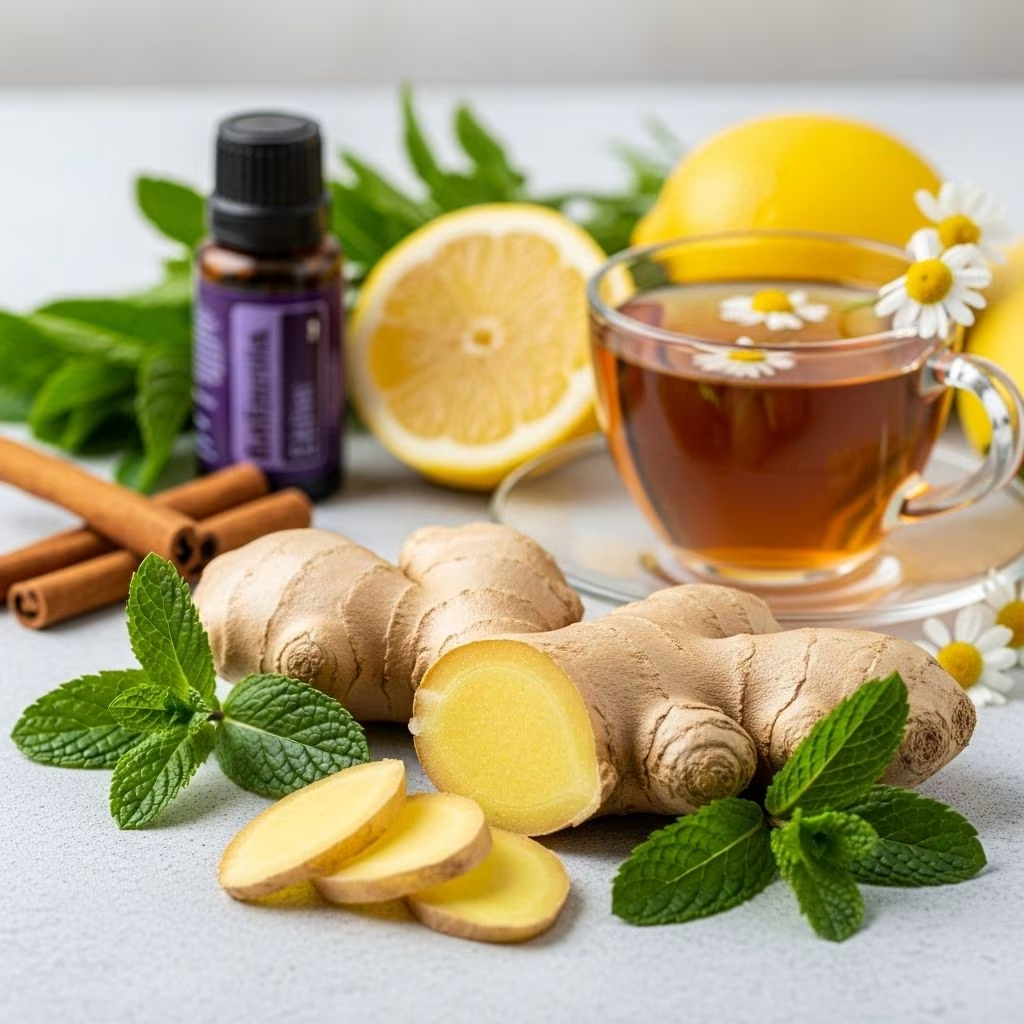
Natural Remedies for Depression, Anxiety, and Stress
Depression, anxiety, and chronic stress impact millions worldwide and often resist simple solutions. While conventional medicine and psychotherapy offer substantial relief, many people seek complementary natural remedies for additional support or to reduce medication dependence. This guide explores science-backed holistic approaches, herbal supplements, lifestyle changes, and integrative therapies designed to improve mood, reduce distress, and restore mental equilibrium.
Understanding Depression, Anxiety, and Stress
- Depression is characterized by persistent sadness, loss of interest, hopelessness, and physical symptoms such as fatigue and sleep changes.
- Anxiety manifests as excessive worry, restlessness, and heightened physiological arousal, sometimes causing panic attacks.
- Stress refers to the body’s response to challenging events, which can become chronic and disruptive if not managed.
These conditions often overlap and may require multifaceted interventions. Natural remedies are best used as part of an integrative plan under medical supervision.
Herbal and Botanical Remedies
Herbal supplements have a long tradition as adjuncts to conventional treatment. Below are some of the most commonly used and researched botanicals:
St. John’s Wort
- Key Benefits: Shown in numerous studies to relieve mild to moderate depression as effectively as some antidepressants.
- Active Compounds: Hyperforin and hypericin impact neurochemical pathways in the brain.
- Precautions: May cause side effects and interact with antidepressants, blood thinners, oral contraceptives, and should not be used for bipolar depression. Consultation with a healthcare professional is essential before use.
Rhodiola Rosea
- Key Benefits: An adaptogen that may improve stress resilience, reduce fatigue, and alleviate symptoms of anxiety and mild depression, as well as Seasonal Affective Disorder (SAD).
- How It Works: Modulates stress response through effects on neurotransmitters and cortisol.
Valerian Root
- Primary Use: Serves mainly as a calmative for sleep disturbances, though research on its efficacy for anxiety and depression is inconsistent.
- Safety: Generally well tolerated at recommended doses.
Ginkgo Biloba
- Benefits: Used for centuries in Chinese and Ayurvedic medicine to treat anxiety and cognitive disturbances.
- Mechanism: Contains flavonoids and terpenoids; modulates neurotransmitter activity, including serotonin, norepinephrine, and dopamine.
- Notable Extract: EGb 761 is approved in several countries for dementia and exhibits anti-stress and anxiolytic effects with low risk for addiction.
Magnolia Bark (Banxia Houpu Decoction)
- Traditional Use: This five-herb traditional Chinese formula includes magnolia bark and is effective for anxiety, depression, and stress-related disorders.
- Active Compounds: Honokiol and magnolol—honokiol mainly responsible for the anxiolytic effects via benzodiazepine receptor modulation.
- Efficacy: Well-tolerated, safe, and supported by both traditional use and growing clinical evidence.
Lavender Oil
- Use: Aromatherapy and oral supplements; shown to reduce anxiety, promote relaxation, and aid sleep.
- Application: Used as essential oil in diffusers, topical preparations, or capsules.
Essential Oils and Aromatherapy
Aromatherapy employs scented plant extracts to promote well-being and emotional balance. Suitable essential oils and their effects include:
- Lavender: Calming, reduces anxiety and supports sleep.
- Chamomile: Relaxing and anti-inflammatory.
- Frankincense: Uplifts mood and helps with grounding during stress.
- Basil: Eases tension and mental fatigue.
- Peppermint and Bergamot: Stimulating, beneficial for low mood and depression.
Individual preference plays a significant role—experimenting with different scents can help discover the most effective combination for personal needs.
Nutrition and Dietary Factors
Nutrition directly affects brain chemistry and mood. Key strategies include:
- Balanced Diet: Focus on whole grains, antioxidant-rich fruits, vegetables, lean protein, and healthy fats. Avoid excessive sugar and processed foods.
- Omega-3 Fatty Acids: Found in flaxseed, walnuts, fatty fish; shown to support mood regulation and lower depression risk.
- Vitamin D: Deficiency linked to increased depression; sunlight exposure and supplementation as needed.
- B Vitamins: Especially B6, B12, and folic acid support healthy brain function.
- Gut Health: Probiotics and fiber-rich foods may optimize the gut-brain axis, influencing mood and stress resilience.
Lifestyle Strategies for Emotional Wellness
Simple lifestyle changes can greatly influence emotional health and resilience:
- Regular Exercise: Aerobic activity, yoga, tai chi, and strength training release endorphins and improve mood.
- Sleep Hygiene: Establishing healthy sleep patterns is essential—aim for 7-9 hours per night and create a calming bedtime routine.
- Limit Alcohol and Caffeine: Excessive consumption can worsen anxiety and depressive symptoms.
- Mindful Movement: Practices such as qi gong and tai chi unite mind, body, and breath, showing documented benefits for anxiety reduction and stress management.
Mind-Body Practices
- Meditation: Mindfulness, guided imagery, and loving-kindness meditation help re-frame negative thought patterns and induce calm.
- Yoga: Combines movement, breathwork, and meditation to reduce anxiety, elevate mood, and improve body awareness.
- Breathwork: Diaphragmatic breathing, alternate nostril breathing, and progressive relaxation train the nervous system for resilience.
- Creative Activities: Journaling, art, and expression through creativity can foster meaning and emotional release.
Nature-Based and Integrative Therapies
- Spending Time in Nature: Studies demonstrate that exposure to green spaces lowers blood pressure, muscle tension, and production of stress hormones, while enhancing feelings of happiness and hope.
- Gardening: Connecting with the earth, nurturing plants, and being outdoors can counteract stress and foster a sense of accomplishment.
- Animal-Assisted Therapy: Interacting with pets or therapy animals—including equine-assisted approaches—may lower anxiety, increase companionship, and provide comfort.
Music Therapy
- Active Listening: Regular engagement with preferred music—daily or weekly—can lower depressive symptoms and boost mood.
- Music Performance: Playing an instrument, singing, or joining group musical activities provides opportunities for expression and social connection.
- Evidence: More research is needed, but risks are minimal and potential benefits are promising.
Traditional Chinese Medicine & Naturopathic Approaches
Ancient medical systems offer comprehensive interventions for emotional imbalances:
- Chinese Medicine: Utilizes herbs, acupuncture, movement practices (qi gong, tai chi), and massage to restore balance; acupuncture in particular has shown promise for mild to moderate depression.
- Naturopathic Medicine: Combines dietary improvement, exercise, botanicals, and mind-body exercises. Treatment is tailored to individual needs and can complement psychotherapy and medical management.
Table: Popular Herbal Remedies for Depression, Anxiety, and Stress
| Herb | Main Uses | Key Evidence | Cautions |
|---|---|---|---|
| St. John’s Wort | Depression (mild/moderate) | Clinically studied; as effective as some antidepressants | Drug interactions; avoid with SSRIs, oral contraceptives, and blood thinners |
| Rhodiola | Stress, anxiety, depression, SAD | Supports stress resilience | May cause agitation/insomnia at high doses |
| Valerian | Sleep disturbances, anxiety | Traditional use; mixed research | May cause drowsiness; avoid with sedatives |
| Ginkgo Biloba | Anxiety, cognitive support | Modulates neurotransmitters; EGb 761 approved for dementia | Bleeding risk, drug interactions |
| Magnolia Bark (Banxia Houpu) | Anxiety, stress, depression | Effective in traditional formulations | Unknown long-term safety |
| Lavender | Anxiety, sleep, relaxation | Multiple studies support aromatherapy | Possible skin irritation (topical); not for oral use in high doses |
Precautions and Contraindications
While natural remedies can be powerful adjuncts, it is crucial to:
- Consult with a healthcare provider before starting any supplement, especially if you use prescription medication.
- Monitor for adverse effects and discontinue use if symptoms worsen.
- Remember that severe depression, anxiety or suicidal thoughts require immediate medical intervention.
Frequently Asked Questions (FAQs)
Q: Are herbal remedies as effective as prescription medications?
A: Some remedies (like St. John’s Wort) are shown to be effective for mild to moderate depression, but not all herbal therapies match prescription drugs’ efficacy—especially for severe cases. Always consult your doctor before making changes.
Q: Can I use natural remedies instead of medication?
A: For mild symptoms, natural therapies may suffice—but prescription medications remain essential for more severe or persistent conditions. Discuss a safe plan with your provider.
Q: Are mind-body practices suitable for everyone?
A: Mind-body therapies such as meditation, yoga, and breathwork are generally suitable for most people, but individuals with specific physical or psychological health conditions should adapt practices accordingly.
Q: How quickly do natural remedies work?
A: Effects may take days to several weeks; consistency and patience are important. Not all remedies work for everyone—trial and consultation can help personalize your plan.
Q: Can lifestyle changes alone relieve depression or anxiety?
A: Lifestyle changes—when combined with professional support—can dramatically improve well-being, but they may not replace medical treatment for moderate or severe disorders.
Disclaimer
This guide is for informational purposes only and not a substitute for medical advice or treatment. Always work with a qualified mental health provider when addressing depression, anxiety, or chronic stress.
References
- https://www.takingcharge.csh.umn.edu/what-holistic-therapies-and-practices-help-anxiety-and-depression
- https://pmc.ncbi.nlm.nih.gov/articles/PMC4790408/
- https://www.samhsa.gov
- https://www.mayoclinic.org/diseases-conditions/depression/expert-answers/natural-remedies-for-depression/faq-20058026
- https://www.mind.org.uk/information-support/drugs-and-treatments/antidepressants/alternatives-to-antidepressants/
- https://intermountainhealthcare.org/blogs/7-ways-to-overcome-depression-without-medication
- https://my.clevelandclinic.org/health/treatments/natural-antidepressants
- https://www.nhs.uk/mental-health/conditions/depression-in-adults/treatment/


