


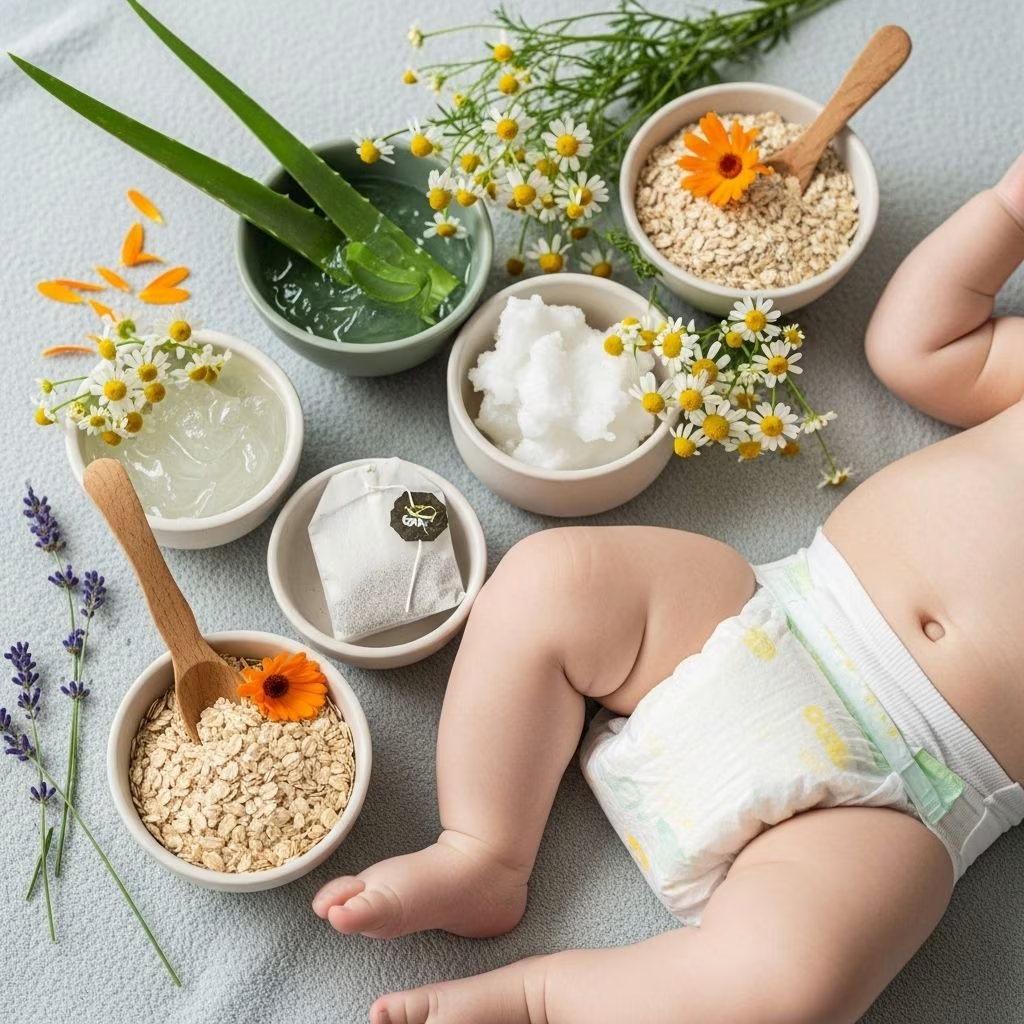
Natural Remedies for Diaper Rash: Gentle Solutions for Baby’s Comfort
Diaper rash is a common skin irritation that affects many infants and toddlers, often causing discomfort and concern for parents. Choosing natural remedies can soothe your baby’s sensitive skin without the risk of harsh chemicals, providing relief while supporting healthy skin healing. This comprehensive guide covers effective natural treatments, daily care routines, prevention strategies, and frequently asked questions about managing diaper rash at home.
What Is Diaper Rash?
Diaper rash, medically known as diaper dermatitis, is an inflammatory skin condition that affects the areas covered by the diaper. It typically presents as redness, swelling, and sometimes small blisters or peeling skin. The primary causes are prolonged moisture, friction, and exposure to irritants such as urine and stool. Less commonly, yeast or bacterial infections may also contribute.
Main Causes of Diaper Rash
- Prolonged moisture: Constant exposure to wet diapers irritates delicate skin.
- Friction: Chafing from the diaper rubbing against the skin can exacerbate rashes.
- Residue irritants: Ingredients in wipes, soaps, or detergents may trigger reactions.
- Diet changes: New foods may alter stool acidity, increasing rash risk.
- Antibiotic use: Antibiotics may disrupt skin and intestinal flora, leading to yeast overgrowth.
Natural Remedies for Diaper Rash
Many natural remedies can provide gentle, effective relief for diaper rash while avoiding unnecessary chemicals that may irritate your baby’s skin further. Here are proven methods to prevent and alleviate discomfort:
Frequent Diaper Changes
Change diapers as soon as they are soiled or wet. Reducing the amount of time your baby spends in a wet or dirty diaper is the most fundamental and effective way to prevent irritation. Clean the skin thoroughly and gently at each change, then let the area dry fully before putting on a fresh diaper.
Gentle Cleansing Techniques
- Use lukewarm water and a soft washcloth for cleaning instead of wipes with alcohol or fragrances.
- Avoid vigorous scrubbing, which can further damage delicate skin.
- If necessary, choose hypoallergenic, fragrance-free wipes specifically designed for sensitive skin.
Air Exposure (“Bare Bottom Time”)
Allowing your baby to spend some time without a diaper lets the skin breathe and dry naturally, speeding healing and preventing future inflammation. Place your baby on a soft towel in a safe area or outdoors in warm weather, always supervised, and give them playtime without a diaper.
Natural Barrier Creams
Many natural ingredients are effective in protecting skin and aiding healing. Popular options include:
- Zinc oxide: Forms a physical barrier and soothes inflammation. Look for natural diaper creams with zinc oxide as a main ingredient.
- Calendula or chamomile: Natural anti-inflammatory and skin-calming properties. Used in many herbal ointments for children.
- Coconut oil: Contains medium-chain fatty acids that provide mild antimicrobial and moisturizing effects.
- Olive oil: A gentle moisturizer with anti-inflammatory and antimicrobial benefits, used in small amounts on dry skin.
- Aloe vera: Cooling and soothing, aloe can calm irritation and promote faster healing when applied as a gel or in products containing organic aloe.
How to Apply:
- Clean and dry baby’s skin thoroughly.
- Apply a thin, even layer of cream or oil to the affected area.
- Reapply with each diaper change until rash subsides.
Soothing Baths
Certain types of baths can relieve diaper rash signs quickly while nurturing baby’s skin barrier:
- Oatmeal baths: Add finely ground (colloidal) oats to lukewarm bath water. Oatmeal is a gentle anti-inflammatory and helps soothe itch and redness.
- Breast milk baths: If breastfeeding, adding a few ounces of breast milk to bathwater or dabbing it on the rash can leverage its healing and antibacterial properties.
- Apple cider vinegar soaks: For suspected yeast-related rashes, add 1-2 tablespoons of diluted apple cider vinegar to bathwater for its mild antimicrobial effects. Always use diluted and rinse thoroughly to avoid further irritation.
Homemade Pastes and Compresses
- Baking soda paste: Although sometimes recommended for neutralizing acidity, most recent evidence suggests to use baking soda with caution as excessive use can irritate sensitive skin. If you choose to try it, make a thin paste and apply for a short time, then rinse off thoroughly at the next change.
- Herbal tea compresses: Chamomile or lavender teas, when cooled, can be gently pressed onto the area with a soft cloth. Both herbs have calming, anti-inflammatory effects and help accelerate skin healing.
Additional Home Remedies
| Remedy | Primary Benefit | Precaution |
|---|---|---|
| Coconut oil | Moisturizes and calms | May not help all types of rash |
| Olive oil | Mild barrier and anti-inflammatory | Use sparingly, wipe excess oil before diapering |
| Aloe vera | Cool, soothes skin, speeds healing | Avoid with open/blistered skin |
| Breast milk | Antibacterial and healing | Use with caution if known milk allergy |
| Oatmeal | Reduces itching and redness | Ensure baby isn’t allergic to oats |
| Apple cider vinegar (diluted) | Fights yeast & microbes | Never use undiluted; avoid on open wounds |
Prevention Strategies for Diaper Rash
The best approach to diaper rash is prevention. Good daily habits can substantially reduce the likelihood and severity of rash outbreaks:
- Change diapers frequently to avoid moisture buildup.
- Allow time for air exposure (naked time) each day.
- Clean gently with water or fragrance-free wipes.
- Use breathable, absorbent diapers, whether disposable or cloth—change both promptly when soiled.
- Apply a thin layer of barrier ointment before diapering if baby is prone to rashes.
- Wash cloth diapers with fragrance-free, gentle detergents and rinse thoroughly.
- Avoid tight-fitting diapers or clothing that can increase friction.
- Monitor reactions when introducing new foods during weaning, as these can sometimes change stool composition.
- Consider probiotics (consult your pediatrician) if your child is prone to yeast-related rashes, or if either mom or baby is taking antibiotics.
Ingredients to Avoid in Diaper Rash Care
- Alcohol and fragrance in wipes may worsen irritation.
- Some essential oils (like lavender and tea tree) are not always appropriate for infants. Always check with a healthcare provider before use.
- Avoid petroleum-based creams if you prefer a fully natural approach, as these are not plant-derived.
- Cornstarch may trap moisture and encourage yeast if rash is fungal in origin.
When to Seek Medical Help
While natural remedies are suitable for most minor diaper rashes, consult your pediatrician if you observe any of the following:
- Persistent rash lasting more than 3-4 days without improvement despite treatment
- Blistering, pus, or oozing lesions
- Spreading redness, fever, or lethargy
- Rash associated with diarrhea that lasts longer than a week
These may indicate secondary infection or allergies that require medical evaluation and possibly prescription treatment.
Frequently Asked Questions (FAQs)
Q: Are natural remedies always safe for diaper rash?
A: Generally, natural remedies are safe for most babies, but some infants may have allergies or sensitivities to plant-based ingredients. Always patch test on a small area and discontinue use if irritation worsens. When in doubt, consult your pediatrician.
Q: Can coconut oil cure diaper rash alone?
A: Coconut oil can help moisturize and soothe the skin, but it may not be effective for every diaper rash, especially those caused by yeast or bacteria. It’s best used as part of a broader skin-care routine rather than a sole treatment.
Q: What’s the best homemade remedy for diaper rash?
A: Oatmeal baths and barrier creams with zinc oxide, calendula, or chamomile are consistently proven safe and effective. Breast milk and probiotic support are also beneficial for healing and prevention.
Q: When should I stop using home remedies and see a doctor?
A: If the diaper rash is severe, persists for more than a few days, has open sores, or is accompanied by fever, seek medical attention promptly, as this may indicate infection or another underlying condition.
Q: Is cloth or disposable better for preventing diaper rash?
A: Both can work well if changed frequently and kept clean. Some babies may react to the chemicals in disposable diapers, while others develop rashes from retained moisture in cloth diapers. The best choice usually depends on your baby’s unique skin sensitivities.
Takeaway: Comfort for Your Little One, Naturally
Diaper rash is a normal part of infancy, but it doesn’t have to be a recurring source of discomfort. By adopting gentle cleansing habits, providing diaper-free time, and utilizing natural skin care ingredients, you can keep your baby’s skin healthy and happy. Always monitor for signs of infection or allergies and consult a healthcare professional with concerns. With a thoughtful blend of prevention and healing care, you can minimize rashes and maximize comfort for your little one.
References
- https://www.healthline.com/health/home-remedies-diaper-rash
- https://www.mayoclinic.org/diseases-conditions/diaper-rash/diagnosis-treatment/drc-20371641
- https://www.toplinemd.com/childrens-medical-center-south-florida/natural-remedies-for-diaper-rash/
- https://www.happyhealthypediatrics.com/holistic-approaches-to-treating-diaper-rash-a-pediatricians-perspective/
- https://www.mustelausa.com/blogs/mustela-mag/natural-diaper-rash-remedies
- https://www.seattlechildrens.org/conditions/a-z/diaper-rash/
- https://my.clevelandclinic.org/health/diseases/11037-diaper-rash-diaper-dermatitis
- https://gimmethegoodstuff.org/blogs/guides-and-product-reviews/disposable-diapers-and-diaper-rash-prevention-and-natural-remedies
- https://www.medicalnewstoday.com/articles/322472


