


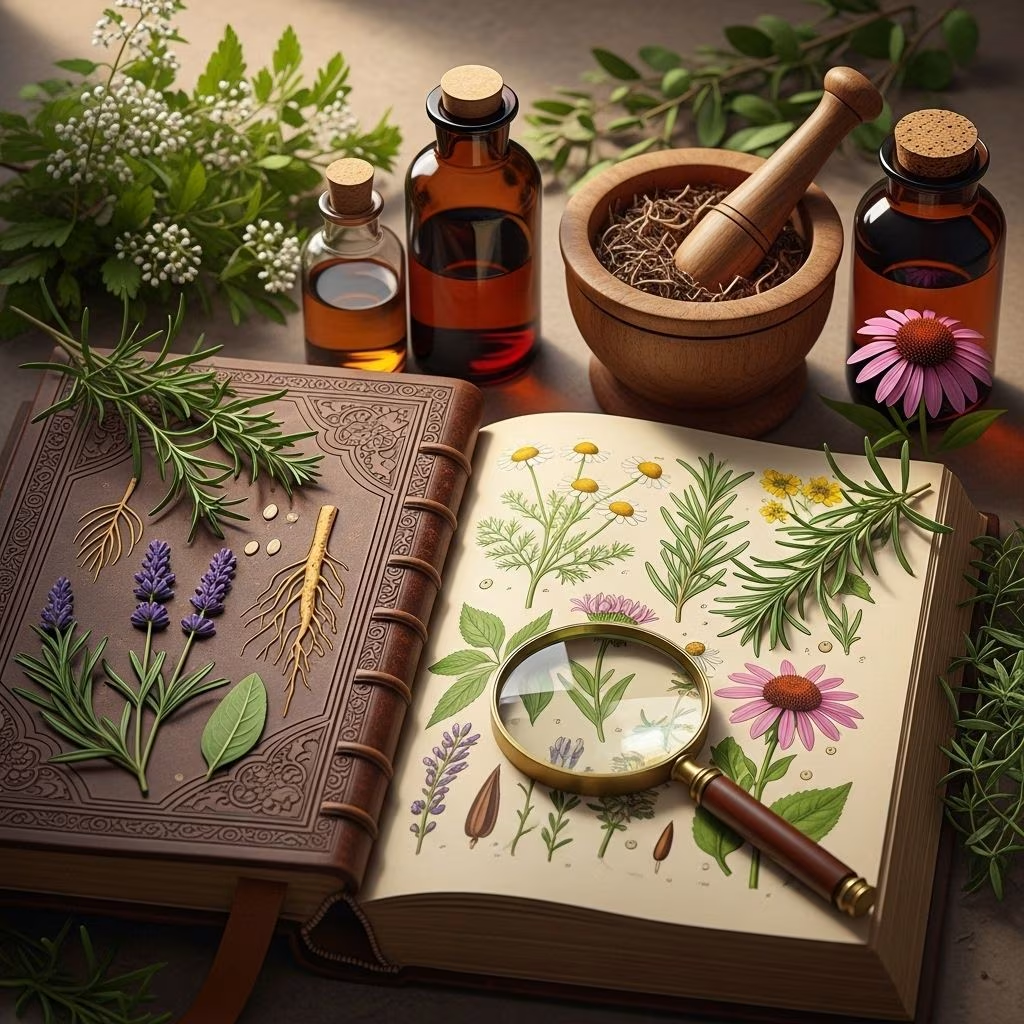
The Lost Book of Herbal Remedies, authored by Dr. Nicole Apelian with contributions by Claude Davis, stands out as a trusted source for anyone seeking to harness the time-tested power of herbal medicine. Richly illustrated and meticulously detailed, this book draws on centuries-old wisdom and contemporary practical expertise, guiding readers through identification, harvesting, and preparation of healing plants for a wide array of health needs.
This article explores the history, content, unique features, and practical uses of The Lost Book of Herbal Remedies, serving as an in-depth introduction for both beginners and experienced herbalists.
Introduction and Background
The Lost Book of Herbal Remedies is a 318-page reference guide that focuses on the healing powers of North American plants, lichens, and mushrooms.
It is designed for people at all levels of botanical knowledge—from novices with no experience in herbalism to practitioners interested in expanding their repertoire.
The book offers more than 550 natural remedies, compiled from both ancestral knowledge and Dr. Nicole Apelian’s own clinical practice, to provide holistic solutions for common health issues. By reviving “lost” plant wisdom, the book addresses the root causes of ailments, emphasizing the body’s innate capacity to heal.
About the Authors
- Dr. Nicole Apelian is an experienced herbalist, anthropologist, and naturalist with over two decades of experience in plant-based medicine. Her extensive research on wild plants and survival skills make her uniquely qualified as an authority on herbal healing. Dr. Apelian’s hands-on approach combines ancestral knowledge with modern applications.
- Claude Davis is a historian and wild west enthusiast. Davis is particularly passionate about traditional remedies and wild edibles, seeking to preserve the wisdom of earlier generations that sustained themselves using nature’s resources.
Book Structure and Layout
The book is organized for maximum usability and accessibility.
- Full-Color Plant Profiles: Each entry includes 2-4 high-resolution color photographs, making plant identification easy and reliable.
- Detailed Table of Contents: Allows users to quickly find relevant herbs based on symptoms, conditions, or plant names.
- Extensive Appendix: The appendix offers cross-referenced indexes by ailment, plant, and technique, supporting fast look-up.
- Readable Typography: Large print and simple, direct explanations, ideal for field use and older readers.
Plant Identification and Photographic Guides
Over 181 healing plants, mushrooms, and lichens native to North America are thoroughly documented. Each profile includes:
- Name and Scientific Classification: Ensures proper identification.
- Color photographs: Multiple angles and seasonal variations are provided for accurate recognition.
- Description: Plant height, leaf structure, stem characteristics, and typical habitat.
- Identification Tips: Key features to distinguish edible and medicinal species from lookalikes.
Categories of Herbal Remedies
The book organizes more than 550 remedies by both health condition and method of preparation. Major remedy categories include:
- Tinctures (alcohol-based plant extracts)
- Teas and Decoctions (infused or simmered solutions)
- Essential Oils (highly concentrated aromatic extracts)
- Syrups (sweet, herbal liquids often used for coughs)
- Salves and Balms (ointment-like, for topical application)
- Poultices (moist plant mass for direct skin application)
- Infusions (soaked leaves, flowers, or roots for internal use)
How to Use the Book Effectively
The Lost Book of Herbal Remedies is structured to make self-guided learning simple. Here’s how readers typically use it:
- Refer to the Index or Table of Contents for the symptom or condition you wish to address.
- Locate the relevant plant or remedy, using full-color photographs for identification.
- Read the description and preparation instructions for safe and effective use.
- Check harvesting notes and warnings before use.
Highlighted Medicinal Plants and Their Uses
| Plant Name | Medicinal Uses | Preparation Methods |
|---|---|---|
| Plantain | Wound healing, antiseptic, digestive relief | Salve, tea, poultice |
| Echinacea | Boosts immunity, cold and flu relief | Tincture, tea |
| Elderberry | Anti-viral, supports respiratory health | Syrup, tincture, tea |
| Dandelion | Supports liver function, detox | Infusion, tea, tincture |
| Mullein | Relieves cough, soothes lungs | Tea, infused oil, syrup |
| Yarrow | Stops bleeding, wound healing | Poultice, salve, tea |
| Comfrey | Bone and tissue repair, bruises | Salve, poultice |
Foraging, Harvesting, and Safety Guidelines
Safe and ethical foraging is a core aspect of the book’s teaching. Key points include:
- Only harvest plants from clean, unpolluted areas away from busy roads and pesticide use.
- Use the photographic guides for positive plant identification before harvesting to avoid confusion with toxic lookalikes.
- Harvest sustainably by taking only a small portion of any population, allowing the plant to regenerate.
- Follow safe preparation instructions and note any toxicity warnings or contraindications (such as for use in pregnancy, with prescription drugs, or allergies).
Herbal Recipes and Preparation Techniques
The Lost Book of Herbal Remedies is rich in practical recipes and step-by-step guidance. Common methods include:
- Making a Tea or Infusion: Steep fresh or dried herbs in boiling water for 10–20 minutes for maximum extraction.
- Alcohol Tinctures: Macerate plant parts in vodka or similar alcohol for several weeks, then strain for use.
- Oil Infusions: Combine herbs with a carrier oil, gently heat, and strain for topical uses such as massage or skin healing.
- Salve Creation: Mix oil infusions with beeswax to produce topical salves for wounds, rashes, and dry skin.
- Syrups: Simmer herbs with water and sweeten with honey for soothing sore throats or coughs.
- Poultices: Crush fresh herbs and apply directly to the skin, covering with a cloth to draw out infection or reduce inflammation.
Benefits and Limitations of Herbal Remedies
Herbal remedies offer a natural, accessible approach to health and wellness with several benefits:
- Holistically address the root causes of many common ailments, not just symptoms.
- Promote self-reliance, cost savings, and sustainable health habits.
- Reduce dependence on over-the-counter synthetic medications for mild to moderate conditions.
However, they have limitations:
- Not all conditions can be safely treated using herbal medicine alone; some require urgent conventional care.
- Correct plant identification, dosage, and preparation are critical to safety and effectiveness.
- Herbal therapies may interact with prescribed drugs; medical consultation is advised, especially for serious or chronic illnesses.
Practical Applications for Daily Health
The knowledge in The Lost Book of Herbal Remedies is suitable for:
- Home remedies for common issues such as colds, digestive discomfort, wounds, and skin problems.
- Emergency preparedness and self-sufficiency for those living in rural or off-grid environments.
- Foraging safely for nutritious edible plants and survival situations.
- Cooking with wild edibles for added nutrition and wellness benefits.
Frequently Asked Questions (FAQs)
Q: Is the book suitable for beginners?
A: Yes. The book was designed with beginners in mind, offering step-by-step guides, color photographs, and simple explanations to ensure safe and effective use.
Q: Does the book include recipes and preparation methods?
A: Absolutely. It covers recipes for teas, tinctures, salves, poultices, syrups, and more, providing detailed instructions for each method.
Q: Can I use this book for foraging and fieldwork?
A: Yes. The large, high-quality photos and detailed plant descriptions help with accurate identification in the field, making it a reliable foraging companion.
Q: Are all plants in the book safe for everyone?
A: No. Like any medicine, some herbs may have contraindications or interact with certain conditions and medications. Always follow the cautions noted and consult healthcare providers as needed.
Q: What makes The Lost Book of Herbal Remedies different from other herbal guides?
A: Its combination of ancestral wisdom and modern scientific understanding, coupled with practical recipes, beautiful visuals, and easy navigation, makes it both educational and highly usable.
Q: Does the book cover wild edible plants?
A: Yes, in addition to medicinal uses, it highlights various wild edibles and explains their nutritional and medicinal applications.
Final Thoughts
The Lost Book of Herbal Remedies serves as a bridge between past and present, offering clear, comprehensive, and authoritative guidance on the healing power of plants. Whether you are building your home apothecary, exploring natural alternatives, or simply indulging a curiosity about the wild plants that grow around you, this guide empowers readers to pursue healthier, more self-reliant lives through the power of herbal medicine.
References
- https://www.goodreads.com/book/show/56666083
- https://www.goodreads.com/book/show/53453509-the-lost-book-of-herbal-remedies
- https://store.motherearthnews.com/products/the-lost-book-of-herbal-remedies
- https://mysapl.bibliocommons.com/v2/record/S172C811066
- https://search.library.oregonstate.edu/discovery/fulldisplay/alma991211129101865/01ALLIANCE_OSU:OSU


