


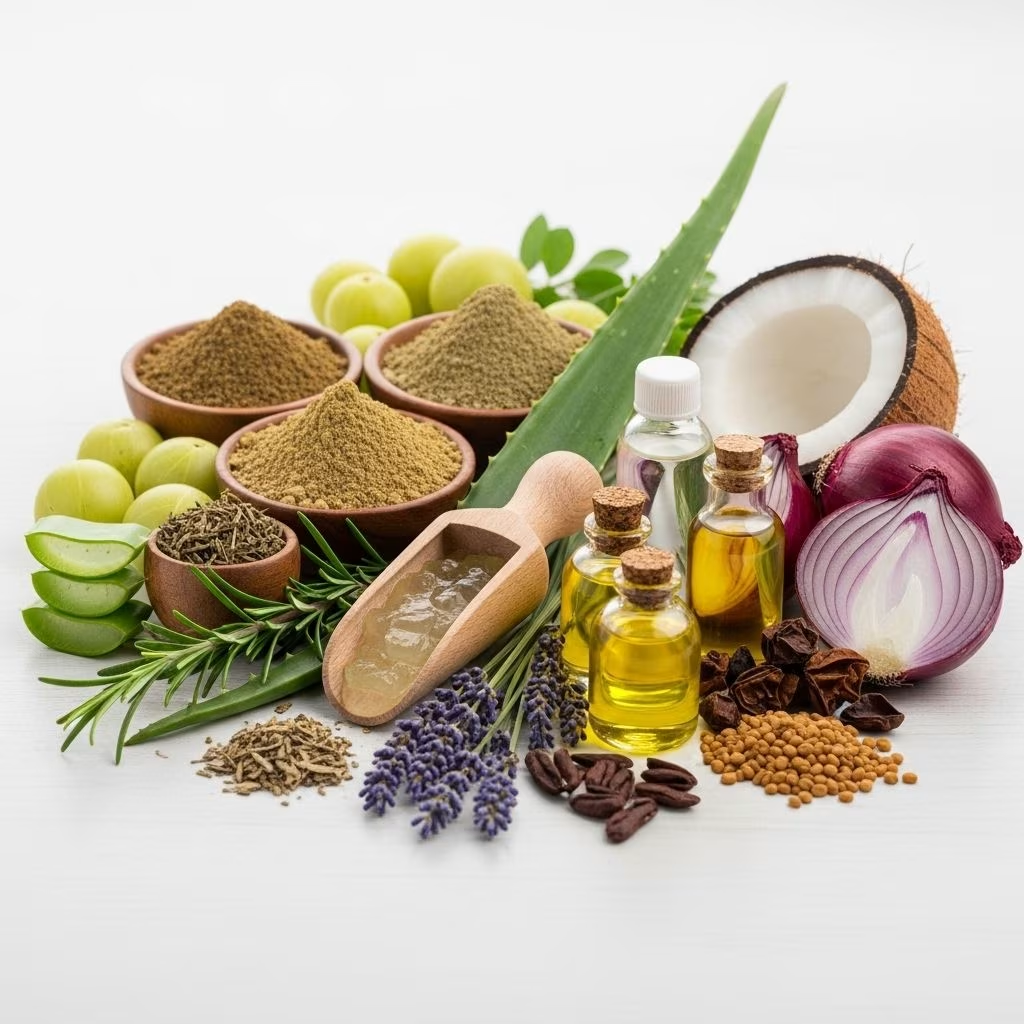
Understanding Hair Loss
Hair loss is a common concern that can affect both men and women. It is normal to lose some hair each day, but excessive shedding, thinning, or bald patches may indicate underlying health issues, stress, hormonal changes, or genetic factors.
Common Causes of Hair Loss
- Genetics: Hereditary hair loss is one of the most common causes.
- Hormonal Imbalances: Conditions such as thyroid dysfunction, menopause, or postpartum changes can trigger hair shedding.
- Stress: Physical or emotional stress often leads to temporary hair loss.
- Nutritional Deficiencies: Lack of essential nutrients like iron, zinc, or vitamins can weaken hair follicles.
- Medical Conditions: Alopecia areata, scalp infections, and chronic illnesses can contribute to hair loss.
Natural Remedies to Reduce Hair Loss and Boost Growth
Rosemary Oil
Rosemary oil has gained popularity as a natural remedy for hair loss and is supported by clinical research. It may improve circulation to the scalp and has been shown to be as effective as minoxidil in some studies for stimulating hair growth and managing alopecia areata.
- How to use: Mix a few drops of rosemary oil with a carrier oil or shampoo, massage into the scalp, leave for 10 minutes, then rinse.
- Benefits: Soothes itchy scalp, reduces irritation, and may slow hair shedding and promote new growth.
Onion Juice
Onion juice is high in sulphur, which helps strengthen hair follicles and boost hair density. Studies have shown it can promote hair growth and is especially beneficial for those with alopecia areata.
- How to use: Blend onions, extract the juice, and apply directly to the scalp for 15 minutes before washing out.
- Note: The smell may be strong, but this remedy is cost-effective and backed by clinical evidence.
Coconut Oil
Coconut oil is widely used in hair care for its moisturizing and protective properties. While it may not regrow hair, it helps maintain hair health and prevent breakage.
- How to use: Warm coconut oil and massage into the scalp and hair. Leave for a few hours or overnight before washing.
- Benefits: Reduces protein loss, prevents damage, and encourages longer, stronger hair.
Olive Oil
Olive oil, rich in fatty acids and antioxidants, has been used for centuries to maintain healthy hair. It is particularly good for dry scalps and split ends, helping to reduce hair breakage and maintain hair density.
- How to use: Massage a small amount into the scalp, leave for 15–20 minutes, then shampoo out.
- Benefits: Deeply conditions, fights dandruff, and keeps follicles healthy.
Pumpkin Seed Oil
Pumpkin seed oil is believed to block DHT, a hormone linked to male pattern baldness, and deliver essential nutrients to the scalp.
- How to use: Apply topically or take as a supplement.
- Benefits: May slow balding and reduce hair thinning, especially in men.
Aloe Vera
Aloe vera soothes the scalp, reduces itchiness, and may help unclog hair follicles blocked by excess oil.
- How to use: Apply fresh aloe vera gel directly to the scalp, leave for 30 minutes, then rinse.
- Benefits: Promotes a healthy scalp environment for hair growth.
Scalp Massage
Regular scalp massage can stimulate blood flow to hair follicles, encouraging growth and thickness.
- How to do it: Use your fingertips to massage the scalp in circular motions for a few minutes daily.
- Benefits: Reduces stress and tension, potentially increasing hair growth over time.
Ginseng
Ginseng supplements may promote hair growth by stimulating follicles, thanks to active compounds called ginsenosides.
- How to use: Take ginseng supplements as directed.
- Benefits: May improve hair density and reduce shedding.
Lifestyle Tips for Healthier Hair
- Balanced Diet: Eat foods rich in protein, iron, zinc, and vitamins A, C, D, and E to support hair health.
- Hydration: Drink plenty of water to keep hair hydrated from the inside.
- Avoid Overstyling: Limit the use of heat tools, chemical treatments, and tight hairstyles that can damage hair.
- Stress Management: Practice relaxation techniques like yoga or meditation to reduce stress-related hair loss.
Comparison of Popular Natural Hair Loss Remedies
| Remedy | Best For | How to Use | Potential Benefits | Side Effects |
|---|---|---|---|---|
| Rosemary Oil | Thinning hair, alopecia | Massage into scalp or mix with shampoo | Stimulates growth, reduces shedding | Rare irritation |
| Onion Juice | Patchy hair loss, slow growth | Apply directly to scalp | Boosts density, supports regrowth | Strong odor |
| Coconut Oil | All hair types, prevention | Massage into hair and scalp | Prevents breakage, moisturizes | None |
| Pumpkin Seed Oil | Male pattern baldness | Topical or oral supplement | Slows balding, nourishes scalp | Rare |
| Aloe Vera | Itchy, flaky scalp | Apply gel to scalp | Soothes, unclogs follicles | None |
When to See a Doctor
While natural remedies can be effective for mild to moderate hair loss, it’s important to consult a healthcare provider if:
- Hair loss is sudden or severe
- You notice bald patches or scarring
- Hair loss is accompanied by other symptoms like itching, pain, or skin changes
- Natural remedies do not yield results after several months
Frequently Asked Questions (FAQs)
Q: How much hair loss is normal?
A: Losing 50–100 hairs per day is normal, but significant increases in shedding may require attention.
Q: Can natural remedies regrow hair on bald spots?
A: Natural remedies may help regrow hair in thinning areas, especially if the follicles are still active, but may not restore hair in completely bald spots.
Q: How long does it take to see results from natural remedies?
A: Consistency is key. Most remedies take 2–3 months of regular use before results become noticeable.
Q: Are essential oils safe for everyone?
A: Most are safe when diluted, but patch testing is recommended, and some oils may cause irritation for sensitive skin.
Q: Can diet affect hair loss?
A: Yes, a diet lacking in essential nutrients can lead to increased hair shedding and slower growth.
Conclusion
While some degree of hair loss is a natural part of the hair growth cycle, excessive shedding can often be managed with natural remedies and lifestyle changes. Remedies like rosemary oil, onion juice, coconut oil, and pumpkin seed oil have shown promise in scientific studies and centuries of traditional use. Combining these treatments with a healthy diet, scalp massage, and stress management may help reduce hair loss and promote thicker, healthier hair. Always consult with a healthcare provider for persistent or severe hair loss to determine the underlying cause and best course of treatment.
References
- https://www.medicalnewstoday.com/articles/how-to-stop-hair-loss
- https://www.harleystreethairtransplant.co.uk/8-natural-remedies-for-hair-loss/
- https://www.healthline.com/health/regrow-hair-naturally
- https://pmc.ncbi.nlm.nih.gov/articles/PMC11549889/
- https://abcnews.go.com/GMA/Wellness/6-natural-remedies-hair-loss/story?id=104253823
- https://www.youtube.com/watch?v=5GVa1QHyCls
- https://www.myfreebird.com/blogs/health/natural-remedies-hair-loss
- https://www.healthline.com/health/thinning-hair


