


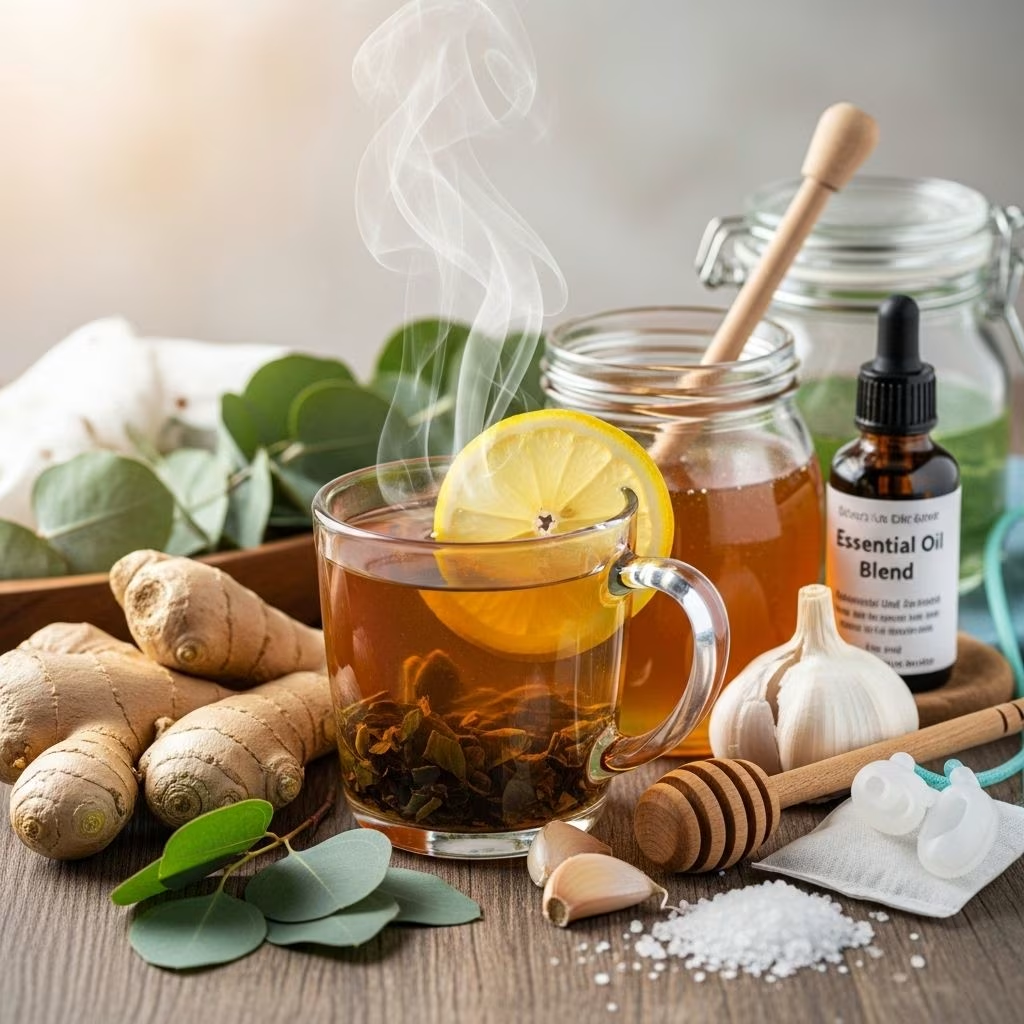
Natural Remedies for Head Colds and Sinus Trouble
Head colds and sinus problems cause discomfort for millions each year, leading to symptoms like nasal congestion, headaches, facial pain, sore throats, and fatigue. While over-the-counter medications can provide temporary relief, many people seek natural remedies that support healing and reduce dependency on pharmaceuticals. This guide covers evidence-backed home treatments, practical tips, and holistic self-care for fast, safe relief from head colds and sinus congestion.
Understanding Head Colds and Sinus Congestion
Both head colds and sinus congestion are triggered most often by viral infections, especially rhinoviruses. These conditions inflame the nasal passages, cause thick mucus, and create painful pressure in the forehead, cheeks, and behind the eyes. Sinus congestion may follow a cold or arise due to allergies, pollution, or bacterial infections. Recognizing symptoms early allows you to implement effective home remedies and prevent complications.
- Common symptoms: Stuffy or runny nose, facial pain, sinus pressure, sore throat, cough, headache, fatigue
- Causes: Viral or bacterial infection, allergens (pollen, dust), dry air, smoke, nasal polyps
- Importance of relief: Addressing symptoms can prevent sinus infections, sleep disruption, and reduced quality of life
Top Natural Remedies for Head Colds and Sinus Trouble
Stay Hydrated
Hydration is a cornerstone of recovery from any cold or sinus infection. When you’re sick, your body loses fluids faster due to fever, mucus production, and mouth breathing. Drinking plenty of water thins mucus, soothes irritated tissues, and encourages drainage. Aim for at least 8-10 glasses of water or clear fluids per day. Herbal teas, broth, and diluted fruit juices also support hydration and provide additional soothing benefits.
- Benefits: Reduces mucus thickness, eases congestion, and enhances immune function
- Other hydrating options: Warm teas (ginger or chamomile), clear soup broths, electrolyte beverages (in moderation)
Steam Inhalation
Steam therapy is one of the oldest and most effective home remedies for nasal congestion and sinus pain. Inhaling warm, moist air loosens thick mucus, moisturizes sinuses, and helps open blocked passages. There are several safe ways to benefit from steam:
- Steam bowl method: Fill a large bowl with hot water, lean over it, and drape a towel over your head to trap the steam. Breathe deeply for 5-10 minutes.
- Warm showers: Taking a hot shower and breathing in the mist helps clear nasal passages.
- Humidifiers: Use a warm mist humidifier in your room, especially at night, to keep air moist.
- Essential oils: Add a few drops of eucalyptus, peppermint, or tea tree oil to the water for added relief (avoid direct skin contact and use with caution).
Tip: Keep a safe distance from hot water to avoid burns, especially if preparing steam for children.
Nasal Irrigation with Salt Water
Salt water nasal rinses (saline irrigation) have become a mainstay for both acute and chronic sinusitis relief. They help flush out mucus, allergens, and pathogens from the nasal passages. Saline solutions can be prepared at home or purchased ready-made.
- Mix 1/4 teaspoon salt and 1/4 teaspoon baking soda in 8 ounces of boiled or distilled water.
- Use a bulb syringe, neti pot, or nasal irrigation kit to rinse each nostril while leaning over a sink.
- Saline nasal sprays are convenient for travel or office use.
Benefits: Reduces swelling, improves sinus drainage, and lessens irritation from dryness or allergic triggers.
Note: Always use sterile, distilled, or previously boiled water to avoid introducing bacteria into the sinuses.
Apply Warm Compresses
A warm, damp towel placed over the nose and cheeks can promote circulation, relax facial muscles, and encourage sinus drainage. Use a washcloth soaked in hot water (not scalding), wrung out, and placed gently over the face for 5-10 minutes, several times daily.
- Helps reduce pain and pressure associated with inflamed sinuses.
- Combine with steam therapy for increased effectiveness.
Herbal and Nutritional Support
Certain herbs and nutritional supplements may help head colds and sinus trouble by supporting immune function, reducing inflammation, and easing symptoms. Commonly recommended options include:
- Ginger: Fresh or dried ginger root, taken as tea or chewed, helps warm the body, clears mucus, and has mild anti-inflammatory properties.
- Honey: Adds moisture to teas and soothes sore throats thanks to its natural antimicrobial properties.
- Garlic: Raw or cooked garlic contains allicin, which has antiviral and antibacterial activities; add it to meals for added benefit.
- Echinacea: May help reduce the duration of cold symptoms when taken at first sign of illness (consult with a health provider before use).
- Vitamin C: While evidence is mixed, vitamin C might shorten cold duration in some people; citrus fruit, berries, and supplements are options.
Tip: Always check for allergies or possible interactions with medications when using herbs and supplements.
Comfort Foods for Recovery
- Chicken soup: This traditional remedy is supported by science—hot, clear broth helps moisturize airways, thin mucus, and delivers proteins and minerals for nourishment.
- Spicy foods: Ingredients like horseradish, wasabi, and spicy peppers can trigger a runny nose, helping to clear sinus blockages temporarily.
- Warm lemon tea: Adding honey and lemon to warm water or tea soothes sore throats and may offer mild antimicrobial benefits.
The Importance of Rest and Sleep
Resting and allowing your body sufficient sleep are vital components of healing from any illness. During sleep, the body repairs tissues, strengthens immune defenses, and reduces inflammation. Aim for at least 7-9 hours of sleep per night, and listen to your body’s signals—extra naps or downtime may be needed when fighting infection.
- Try elevating your head with extra pillows to promote sinus drainage and reduce nighttime congestion.
- Avoid overexertion and allow yourself to recover fully before resuming normal activities.
Gargle to Soothe a Sore Throat
A warm salt water gargle can relieve a raw, irritated throat and reduce swelling from post-nasal drip. To prepare:
- Dissolve 1/2 teaspoon of salt in 1 cup warm water.
- Gargle for 30 seconds and spit out; repeat up to 4 times daily.
- Astringent teas (like black tea with tannins) or diluted apple cider vinegar with honey can also ease symptoms.
Aromatherapy and Essential Oils
Certain essential oils may help open up nasal passages, provide a cooling effect, and reduce sinus discomfort when used properly. Common choices are:
- Eucalyptus oil: Known for its strong, cooling scent, it can help break up mucus. Add to steam, use in diffusers, or dilute before topical use.
- Peppermint oil: Contains menthol, which offers a gentle decongestant effect.
- Camphor or menthol ointments: Apply around (not inside) nostrils or on the chest for aromatic relief.
Note: Essential oils should be used with caution, diluted as directed, and never ingested or applied to mucous membranes. They may not be suitable for very young children, pregnant women, or those with asthma/sensitivities.
Environmental and Lifestyle Adjustments
- Humidify indoor air: Use a humidifier in dry climates or during winter months to prevent mucus membranes from drying out.
- Avoid irritants: Reduce exposure to cigarette smoke, pollutants, strong perfumes, and cleaning chemicals that can aggravate nasal tissues.
- Maintain cleanliness: Wash hands frequently, sanitize commonly-touched surfaces, and replace air filters to reduce indoor allergens and germs.
When to Seek Medical Attention
While most head colds and sinus issues resolve naturally within 7-10 days, certain symptoms warrant evaluation by a healthcare professional:
- Fever above 38.5°C (101.3°F) lasting more than 3 days
- Severe facial pain or swelling
- Persistent colored or foul-smelling mucus
- Symptoms lasting longer than 10-14 days without improvement
- Shortness of breath, chest pain, or confusion
Prompt medical care can help identify and treat complications, such as bacterial sinus infections, bronchitis, or pneumonia.
Frequently Asked Questions (FAQs)
Q: How often should I do nasal irrigation for sinus relief?
A: Many people benefit from saline rinses 1-2 times per day during acute sinus congestion. Use as directed, avoid overuse, and always use sterile water.
Q: Are there any risks to steam inhalation?
A: While generally safe, hot steam can cause burns if mishandled. Keep a safe distance from boiling water and supervise children during steam therapy.
Q: What foods should I avoid during a head cold?
A: Dairy may thicken mucus in some people, though evidence is mixed. Avoid processed foods, excess sugar, and caffeine, focusing instead on nutrient-rich, hydrating foods.
Q: Can natural remedies prevent sinus infections?
A: Natural remedies like hydration, humidified air, and regular washing can reduce your risk but may not prevent all infections. Good hygiene and avoiding exposure are also important factors.
Q: How can I boost my immune system during cold season?
A: Prioritize sleep, manage stress, eat a balanced diet rich in fruits and vegetables, and consider vitamin C, zinc, and probiotics after consulting a healthcare provider.
Comparison Table: Natural Remedies for Sinus Relief
| Remedy | Main Benefit | How to Use | Precautions |
|---|---|---|---|
| Steam Inhalation | Loosens and thins mucus | Breathe steam from bowl, shower, or humidifier | Avoid burns; supervise children |
| Nasal Irrigation | Flushes out allergens and germs | Saline rinse with neti pot or bulb syringe | Use sterile/distilled water only |
| Warm Compress | Reduces facial pain/pressure | Apply damp, warm towel to face | Ensure towel is not too hot |
| Herbs & Honey | Boosts immunity, soothes throat | Add to teas, soups, or take supplements | Check allergies; monitor blood sugar |
| Essential Oils | Open nasal passages | Add to steam or use in diffusers | Do not ingest; dilute properly |
Embracing a Holistic Approach
Natural remedies for head colds and sinus trouble combine traditional wisdom with scientific support, offering effective means to reduce discomfort, enhance healing, and support overall wellness. By staying hydrated, using steam and saline rinses, supporting your immune system with proper nutrition, and ensuring enough rest, you can speed recovery while minimizing the risk of complications. Remember to consult a healthcare provider if symptoms are severe, persist, or worsen, and always use home treatments safely and mindfully.
References
- https://www.mayoclinic.org/diseases-conditions/common-cold/in-depth/cold-remedies/art-20046403
- https://www.webmd.com/cold-and-flu/14-tips-prevent-colds-flu-1
- https://www.allinahealth.org/healthysetgo/heal/ten-home-remedies-to-relieve-sinus-pain-and-pressure
- https://www.piedmont.org/living-real-change/9-natural-cold-and-flu-remedies
- https://www.medicalnewstoday.com/articles/323834
- https://www.dallasbreathefree.com/post/natural-home-remedies-for-sinus-infections
- https://earandsinusinstitute.com/5-natural-remedies-for-congestion/
- https://www.unitypoint.org/news-and-articles/5-best-ways-to-treat-a-sinus-infection
- https://www.healthline.com/health/cold-flu/home-remedies
- https://www.houstonmethodist.org/blog/articles/2024/feb/whats-the-fastest-way-to-get-sinus-pressure-relief/


