


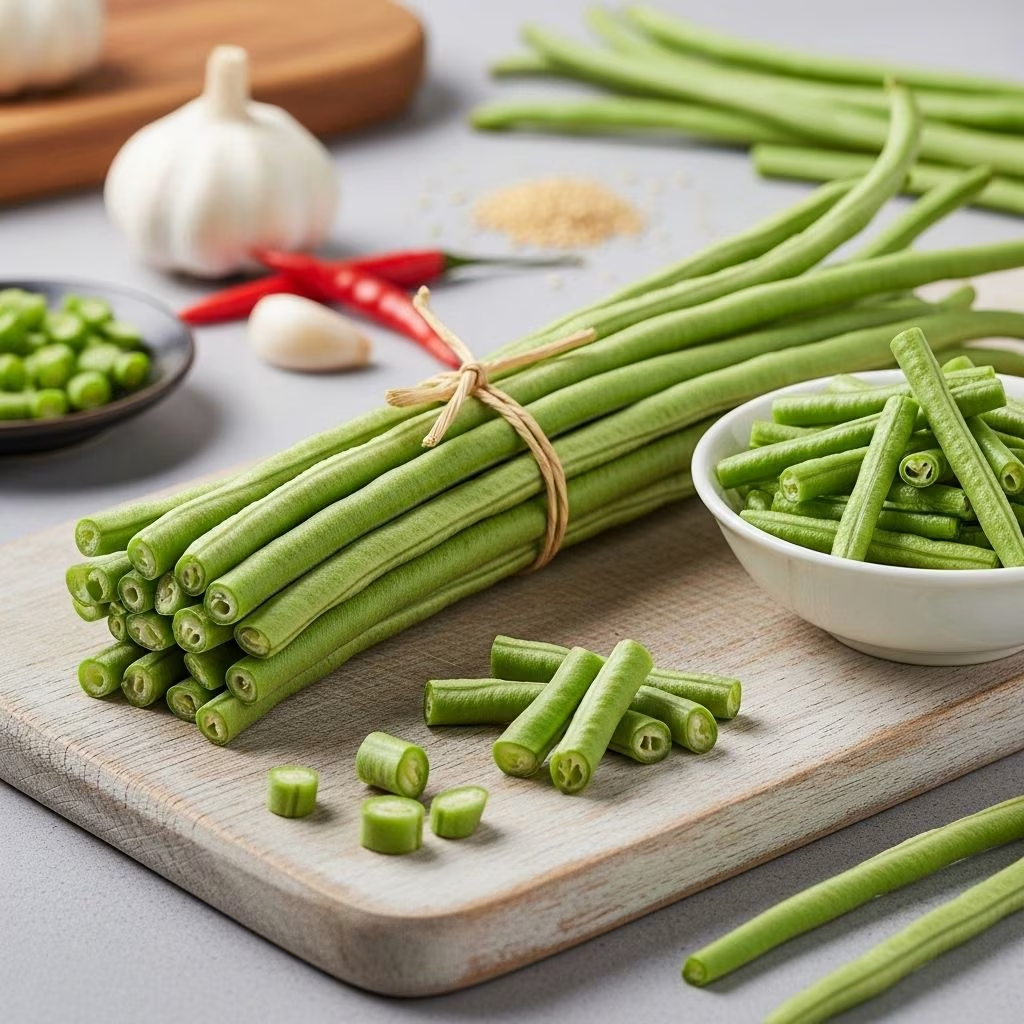
Long beans, also commonly known as asparagus beans, yardlong beans, or Chinese long beans, are prized for their unique appearance, nutritional content, and versatility in many world cuisines. This extensive guide explores their origins, health benefits, culinary applications, and flavor profile, offering insights for gardeners, cooks, and nutrition enthusiasts alike.
Introduction to Long Beans
Long beans are the elongated pods of the species Vigna unguiculata subspecies sesquipedalis and are cultivated primarily for their edible green pods containing immature seeds. They are also known as yardlong bean, asparagus bean, snake bean, Chinese long bean, bodi, and bora. Despite their nickname, their pods typically reach 30 to 75 centimeters (around 1 to 2.5 feet), rarely matching the full yard in length the name might suggest.
Native to tropical Africa and Asia, long beans are a staple in South Asian, Southeast Asian, and southern Chinese dishes and have gained popularity in other warm climates due to their productivity and resilience.
Botanical Background and Varieties
Belonging to the legume family Fabaceae (also called Leguminosae), long beans are part of a separate genus from common snap beans (Phaseolus spp.) and are more closely related to cowpeas, such as black-eyed peas. The long bean is a vigorous annual climbing vine, ideally suited to hot and humid environments. A typical plant will send out vines reaching 8 feet or more, which produce clusters of pods in colors ranging from light to dark green and, in some varieties, purple or red.
- Common Names: Yardlong bean, asparagus bean, snake bean, Chinese long bean, bodi, bora.
- Popular Varieties: Red Noodle beans, Orient Wonder, Chinese Green, Red-Seeded Long Bean.
Unlike green beans, which are stiff and crisp, long beans have a pliable texture and are stringless when young. Their pods are slender, round, and about the width of a pencil.
Nutritional Benefits
Long beans are a low-calorie, nutrient-dense food packed with essential vitamins and minerals. They compare favorably to other legumes and vegetables in their nutritional profile:
- Good source of: Protein, vitamin A, thiamine (B1), riboflavin (B2), iron, phosphorus, potassium
- Very high in: Vitamin C, folate, magnesium, manganese
- Rich in dietary fiber which aids digestion and supports gut health
- Low in fat and calories, making them ideal for weight-conscious diets
In summary, they provide a wide spectrum of *micronutrients* and phytochemicals that are beneficial for overall health.
Health Benefits
Regular consumption of long beans can support several key aspects of health due to their rich nutrient profile:
- Immune System Support: The high vitamin C content helps enhance immune defense, supports wound healing, and promotes healthy skin.
- Energy Production: Thiamine and riboflavin are essential in energy metabolism, supporting the body’s ability to convert food into usable energy.
- Heart Health: Dietary fiber, magnesium, and potassium contribute to cardiovascular wellness by regulating blood pressure and cholesterol levels.
- Bone Health: Magnesium and manganese are vital for bone formation and maintenance.
- Pregnancy Nutritional Support: Folate is crucial for fetal development, making long beans a valuable food for pregnant individuals.
- Anemia Prevention: The iron in long beans can help maintain healthy red blood cell production.
- Digestive Health: Fiber content supports healthy digestion and regular bowel movements.
- Antioxidant Properties: Vitamins and minerals in long beans help protect cells against oxidative stress.
These attributes make long beans an important vegetable choice for a balanced, nutrient-rich diet.
Culinary Uses
Long beans are incredibly versatile in the kitchen and feature prominently in the cuisines of China, Southeast Asia, India, and beyond:
- Stir-fries: Their firm texture holds up well to quick, high-heat cooking. Frequently featured with garlic, soy, oyster sauce, or chili paste.
- Stews and Curries: Long beans retain their vibrant color and structure better than green beans in slow-cooked dishes.
- Braises and Sautees: They remain crisp-tender rather than becoming mushy.
- Salads: Briefly blanched or steamed long beans are used in salads for a crunchy bite.
- Pickles: Popular in some cultures as a pickling vegetable.
- Raw: Young, tender pods are sometimes eaten raw, providing a grassy, fresh flavor.
In Chinese cuisine, for example, stir-fried long beans with ground pork is a staple, while Thai cuisine features ‘long bean salad’ (somsak tuak), and in India, they are commonly cooked with potatoes, coconut, or spices.
Cooking Tips
- Cut long beans into 1-2 inch pieces before cooking for even texture and presentation.
- Stir-fry or boil rather than steam, as steaming can make them mushy.
- Blanch briefly before stir frying to retain color and a juicy bite if desired.
Taste and Texture Profile
Long beans differ substantially from common green beans in taste and mouthfeel:
- Flavor: Pronounced, slightly grassy and beany taste; not as sweet as green beans. Some have subtle asparagus-like nuances.
- Texture: Pliable, crisp-tender, and succulent when young; they snap easily and are stringless.
- Mature Pods: Older pods become tough and inedible; only the seeds may be consumed if fully matured.
When used in stews and slow cooking, long beans excel at retaining their texture and green color, reducing the risk of becoming limp or losing visual appeal.
| Feature | Long Bean | Green Bean |
|---|---|---|
| Scientific Family | Vigna unguiculata (Cowpea genus) | Phaseolus vulgaris |
| Length | 30–76 cm (1–2.5 ft) | 10–15 cm (4–6 in) |
| Texture | Pliable, crisp-tender | Stiff, crisp |
| Taste | Grassy, beany, sometimes asparagus-like | Milder, sweet |
| Best Cooking Uses | Stir-fry, stew, curry, braise | Steam, sauté, salad |
| Color | Green, purple, red | Green, yellow, purple |
Growing and Harvesting Long Beans
Long beans are vigorous growers, especially suited to hot climates. They require a long, warm growing season and thrive in warm, sunny conditions:
- Growth Habit: Fast-growing climbing vines; require sturdy stakes, trellises, or teepees for support.
- Climate: Best suited for tropical, subtropical, and warm temperate regions; ideally USDA zones 5 and up.
- Sowing: Sow seeds directly after the last frost when soil has warmed; germination is optimal in heat.
- Harvest: Pods are ready for picking approximately 60–75 days after sowing; harvest while slender and young for best texture.
- Yield: Once productive, pods grow quickly and should be harvested regularly to encourage more bean set.
- Edible Landscape: Vines with purple, pea-like blossoms provide ornamental as well as culinary value.
Long beans may also be grown in large containers or small garden beds if space is limited.
Selection and Storage
For the finest flavor and texture, select long beans that are:
- Firm, taut, and slender (about pencil-thick)
- Brightly colored, free of blemishes or wilting
- Free of bulges (indicating immaturity; bulges mean the seeds are developing and the pod will be tough)
Store long beans unwashed in a plastic bag in the refrigerator’s crisper drawer for up to 5 days. Wash and trim just before use, as moisture can speed up spoilage.
Popular Recipes Around the World
- Chinese Stir-Fried Long Beans: Quickly stir-fried with garlic, chili, and sometimes ground pork.
- Thai Long Bean Salad (Tam Tueng): Blanched and mixed with spicy, tangy dressings.
- Indian Long Bean Poriyal: Sautéed with coconut, mustard seeds, and spices.
- Filipino Gising-Gising: Long beans in coconut milk with chili and ground meat.
- Indonesian Sambal Kacang Panjang: Stir-fried with spicy sambal paste.
Long beans can substitute for green beans in most recipes, and vice versa, though expect differences in taste and texture.
Comparisons With Other Beans
Long beans should not be confused with common green beans (snap beans) or runner beans:
- Genus/Species: Long beans (Vigna unguiculata) are closer to cowpeas than to green beans (Phaseolus vulgaris).
- Flavor: Long beans have a stronger, more grassy taste and firmer texture when cooked, while green beans are milder and sweeter.
- Freshness: Long beans maintain color and structure in stews and braises, while green beans tend to soften faster.
Frequently Asked Questions (FAQs)
Q: Are long beans and green beans the same?
A: No, long beans (Vigna unguiculata) and green beans (Phaseolus vulgaris) are from different genera. Long beans are closely related to cowpeas and have a distinct flavor and texture.
Q: Can long beans be eaten raw?
A: Young, tender long beans can be eaten raw and provide a crisp, grassy flavor. They are more commonly cooked for enhanced taste and digestibility.
Q: How are long beans best prepared for cooking?
A: Cut pods into 1–2 inch segments, stir-fry or boil. Avoid steaming, which can make them mushy. Blanch before stir frying for improved texture.
Q: What do long beans taste like?
A: Long beans have a more pronounced, beany, mildly grassy, and sometimes asparagus-like flavor when compared to green beans. They offer a firmer, plump texture.
Q: Are long beans nutritious?
A: Yes. Long beans provide protein, vitamins A and C, iron, potassium, folate, and manganese, making them a valuable addition to healthy diets.
Conclusion
Long beans are more than a culinary curiosity. With their high nutritional value, unique flavor, and adaptability in gardens and kitchens, they play an important role in many cultural food traditions. Whether stir-fried, steamed, stewed, or added to salads, long beans can bring flavor, color, and health benefits to a variety of dishes. Next time you’re exploring a new recipe or a local farmers market, consider adding long beans to your menu for a fresh and nutritious twist!
References
- https://nesfp.nutrition.tufts.edu/world-peas-food-hub/world-peas-csa/produce-recipes/long-beans
- https://diggingfood.com/2018/08/17/red-seeded-long-bean-the-yard-long-asparagus-noodle-cousin-of-the-field-pea/
- https://insteading.com/blog/long-beans/
- https://specialtyproduce.com/produce/Chinese_Long_Beans_946.php
- https://en.wikipedia.org/wiki/Asparagus_bean
- https://plants.usda.gov/DocumentLibrary/plantguide/pdf/pg_viuns2.pdf


