


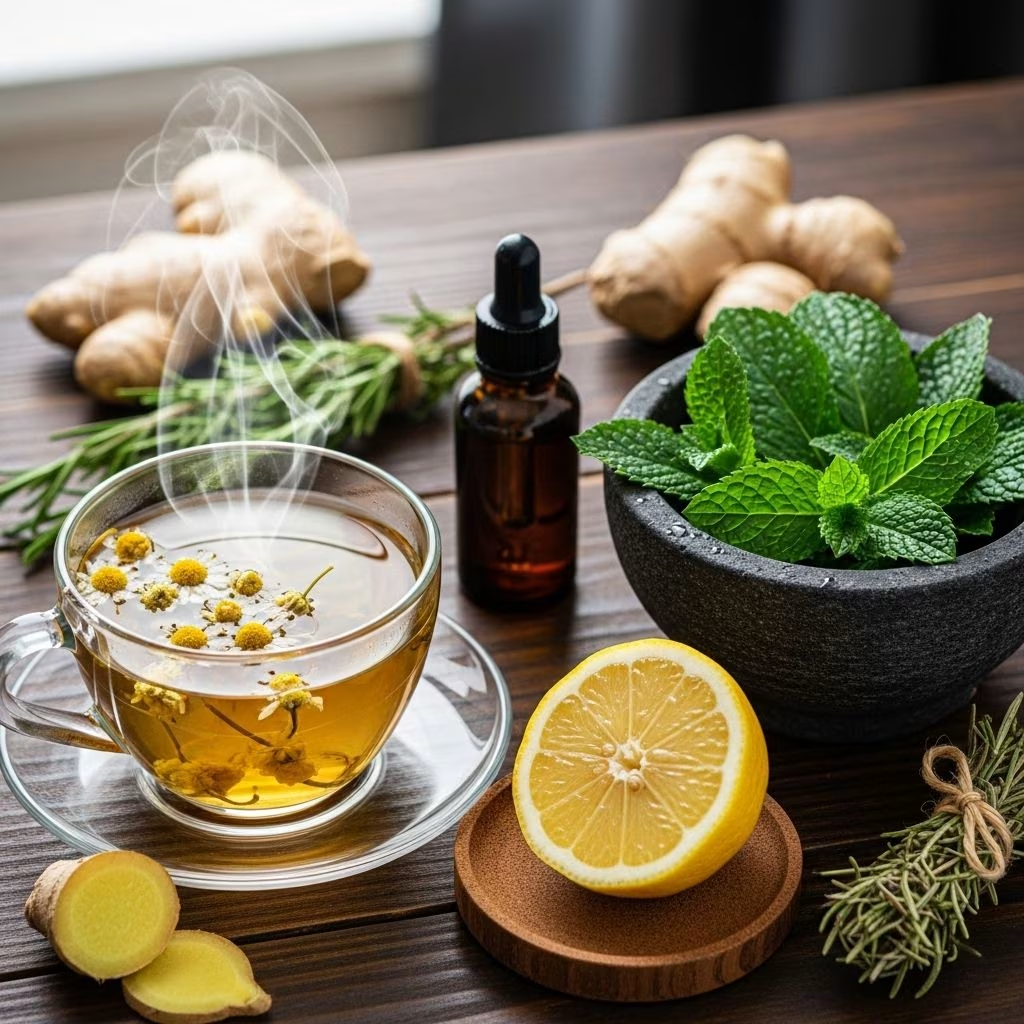
Natural Remedies for a Headache: Effective Home Relief Strategies
Headaches are a common health complaint, affecting countless people worldwide daily. While medications are often effective, many individuals seek natural remedies for headaches to avoid dependency on pharmaceuticals and to support their wellness holistically. This article explores proven, science-backed home remedies, lifestyle adjustments, and herbal solutions for effective headache relief.
Understanding Headaches and Their Common Causes
First, it helps to know what triggers headaches. Headaches most commonly fall into several categories:
- Tension headaches—typically caused by stress, muscle tension, or anxiety.
- Migraines—neurological headaches, often with sensory changes, nausea, or light sensitivity.
- Cluster headaches—intense, cyclical headaches, often on one side of the head.
- Sinus headaches—usually caused by congestion or allergies.
Common triggers include dehydration, nutritional deficiencies, poor posture, stress, lack of sleep, strong smells, weather changes, and hormonal fluctuations.
Top Natural Remedies for Headache Relief
Integrating natural remedies into your routine can help ease headache pain and, in many cases, prevent future episodes. Here are some of the most recommended options:
1. Stay Hydrated
Dehydration is one of the leading causes of headaches. The human brain is particularly sensitive to changes in fluid levels. When you’re lacking in water, your brain can shrink temporarily, pulling away from the skull and leading to pain. To prevent and relieve headaches:
- Drink at least eight glasses of water a day.
- Incorporate high-water foods like watermelon, cucumber, or celery into your diet.
- If you feel a headache coming on, have a large glass of water at the onset.
2. Apply a Cold or Warm Compress
Temperature therapy is an immediate, side-effect-free way to find relief:
- Cold compress: Apply a frozen neck wrap or an ice pack to your forehead, temples, or the back of your neck for 15-20 minutes. This constricts blood vessels and may reduce inflammation—especially effective for migraines.
- Warm compress: A heated towel on the neck or back of the head or a warm bath can relax tense muscles, easing tension headaches.
3. Try Essential Oils and Aromatherapy
Several essential oils have demonstrated effectiveness for headache relief. The key is using them safely and appropriately diluted:
- Peppermint oil: Its menthol content helps relax muscles and improve blood flow. Dilute with a carrier oil and massage onto temples or the back of your neck.
- Lavender oil: Shown in clinical trials to reduce migraine attacks when inhaled or used in aromatherapy. Try diffusing the oil or adding a few drops to a tissue and inhaling deeply.
- Rosemary oil: Has anti-inflammatory and pain-relieving properties. Dilute and massage into your temples.
Always do a skin patch test with essential oils and avoid direct contact with eyes.
4. Enjoy Herbal Teas and Infusions
Many herbal teas possess both relaxing and anti-inflammatory properties beneficial for headaches:
- Chamomile tea: Calms the nervous system and helps reduce stress—a common tension headache trigger.
- Peppermint tea: Supports muscle relaxation and soothes tension headaches.
- Ginger tea: Ginger’s anti-inflammatory effects can dull migraine pain and help relieve nausea.
- Lemon balm tea: Promotes relaxation and can reduce anxiety-triggered headaches.
- Basil and rosemary infusions: Traditional remedies for tension headaches, often enjoyed hot.
5. Self-Massage and Acupressure
Hands-on strategies like massage and acupressure can release muscle tension and promote circulation:
- Gently massage your temples, neck, and shoulders with your fingertips using circular motions.
- Try acupressure by applying firm but gentle pressure to the space between your thumb and index finger (the LI-4 point) for several minutes.
- Use self-massage with or without essential oils for amplified effects.
6. Get Adequate, Consistent Sleep
Sleep is when the body repairs itself, including reducing pain and inflammation. Poor or disrupted sleep is a common headache trigger. Tips for improved sleep:
- Maintain a regular bedtime and wake-up schedule.
- Aim for 7-9 hours of quality sleep per night.
- Establish a relaxing pre-bed routine and avoid screens before sleep.
7. Caffeine: Use with Care
Caffeine constricts blood vessels, helping to alleviate certain types of headache pain—especially migraines:
- A cup of coffee or tea may help when a headache begins.
- Be mindful—excess caffeine or withdrawal from regular use can trigger headaches in some.
8. Practice Stress Management and Relaxation Techniques
Since stress is a major headache trigger, techniques that relax your mind and body are invaluable:
- Meditation: Focus on your breathing and let go of tension; even 5-10 minutes can help.
- Progressive muscle relaxation: Tense and release muscle groups one by one while breathing deeply.
- Calming music or nature sounds: Slows breathing and fosters calm.
- Yoga and gentle exercise: Regular, moderate physical activity boosts circulation and mood, which can prevent headaches.
- Mindfulness: Can reduce the emotional response to pain and the frequency of headaches.
9. Review and Adjust Dietary Habits
Some headaches are dietary in origin. Nutritional factors and blood sugar swings can play a significant role:
- Don’t skip meals; eat regular, balanced meals to maintain stable blood sugar.
- Whole foods: Include plenty of fruits, vegetables, nuts, and lean proteins.
- Minimize processed foods, artificial sweeteners, cured meats, and excessive sodium—these can trigger headaches in some.
- Almonds: Contain salicin, a natural pain reliever present in some pain medications.
10. Herbal Allies: Scientific and Traditional Options
| Herb | How It Helps | How to Use |
|---|---|---|
| Feverfew | Contains parthenolide to constrict blood vessels, reducing migraine inflammation. | Drink as an herbal tea or in supplement form; consult your doctor before supplementing. |
| Ginger | Natural anti-inflammatory and anti-nausea effects, ideal for migraines. | Prepare fresh ginger tea or chew ginger slices. |
| Lavender | Calms nerves, eases tension headaches and migraines (as shown in some clinical trials). | Inhale essential oil via diffuser or tissue, or try a lavender infusion. |
| Rosemary | Promotes relaxation and may ease tension headaches and migraines. | Use oil for massage or brew as infusion tea. |
11. Capsaicin (Cayenne Pepper) Nasal Remedy
Cayenne contains capsaicin, which reduces pain perception by depleting Substance P, a neurotransmitter linked to pain signals.
- Mix a quarter teaspoon of cayenne powder in four ounces of warm water.
- Soak a cotton swab in the solution and apply gently inside each nostril.
- You may feel a burning sensation, which indicates it is working to block pain signals.
Note: Use this remedy cautiously and avoid with nasal irritation or open wounds.
12. When to Consider Professional Help
While natural remedies can effectively reduce headache severity or frequency for many people, some headaches require prompt medical attention. Contact your healthcare provider if you:
- Have a sudden, severe headache unlike any before.
- Experience headaches with confusion, fainting, fever, stiff neck, vision changes, or weakness.
- Are woken from sleep by headache pain.
- Experience headaches after injury, especially head trauma.
Chronic, worsening, or unresponsive headaches also deserve evaluation.
Frequently Asked Questions (FAQs)
Q: How quickly can natural remedies help headaches?
A: Some remedies, such as hydration, cold compress, or essential oils, may relieve pain within 15-30 minutes. Others, like dietary changes and herbs, are more preventive and work best when used regularly.
Q: Are herbal teas safe for everyone with headaches?
A: Most herbal teas are gentle and safe for occasional headache relief. However, certain herbs (like feverfew) or high doses should be avoided by pregnant people, those on certain medications, or those with allergies. Always consult your healthcare provider if unsure.
Q: Can stress alone give me headaches?
A: Yes, stress is a leading cause of tension headaches and can also trigger migraines. Practicing stress management techniques can significantly reduce the frequency and severity of headaches.
Q: What foods can trigger headaches?
A: Processed meats, aged cheeses, foods with artificial sweeteners, MSG, and excessive caffeine are among the more common dietary headache triggers.
Q: Should I stop using medication if natural remedies help?
A: Never discontinue prescribed medications without discussing with your physician. Natural remedies can complement your existing treatment plan, but medical guidance is essential for safe and effective management, especially with chronic or severe headaches.
Simple Headache Relief Checklist
- Drink a glass of water at the first sign of discomfort.
- Apply a cold or warm compress as needed.
- Rest in a quiet, dark room if possible.
- Try self-massage or relaxation techniques.
- Brew and sip your favorite herbal tea.
- Inhale a soothing essential oil aroma.
- Eat a healthy snack if meals were skipped.
- Take slow, deep breaths and stretch gently.
Conclusion: The Holistic Approach to Headache Relief
Natural headache remedies offer a promising, often gentle approach to managing pain and improving quality of life. By addressing hydration, nutrition, self-care practices, and stress management, you can dramatically reduce both the frequency and intensity of headaches. Listen to your body, adopt a holistic wellness routine, and always seek medical advice for persistent or severe conditions.
References
- http://highlandclinic.com/natural-remedies-for-headache-relief/
- https://cityviewchiropractor.com/5-natural-headache-remedies-in-fort-worth/
- https://tofillo.com/en/the-best-natural-headache-relief-5-herbal-allies/
- https://www.cigna.com/knowledge-center/natural-remedies-for-headaches
- https://www.nyneurologists.com/blog/three-natural-ways-to-fight-headache
- https://www.healthline.com/nutrition/headache-remedies
- https://www.unitypoint.org/news-and-articles/9-natural-strategies-for-headache-relief-infographic
- https://www.health.harvard.edu/staying-healthy/headache-remedies-to-help-you-feel-better
- https://www.cedars-sinai.org/blog/can-natural-remedies-ease-headache-pain.html
- https://www.medicalnewstoday.com/articles/323992


