


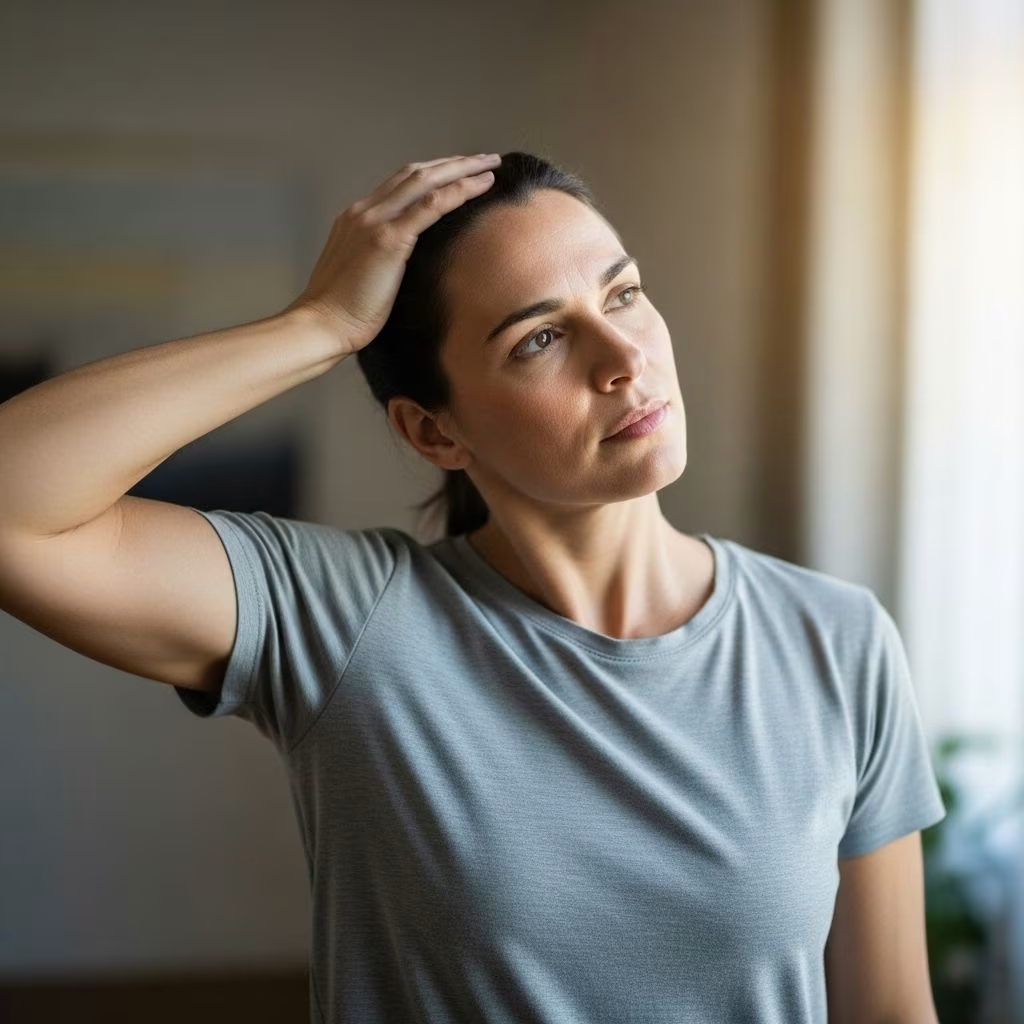
Natural Remedies for Menstrual Period Pain
Menstrual pain, commonly known as dysmenorrhea, is a significant issue affecting millions of women worldwide. Characterized by throbbing or cramping pains in the lower abdomen, period pain is often accompanied by other symptoms such as nausea, fatigue, headache, and mood changes. While over-the-counter medications like NSAIDs are commonly used, many women seek out natural remedies to manage discomfort and minimize reliance on pharmaceuticals. This article explores proven, gentle strategies drawn from both scientific research and traditional wisdom to help bring enduring relief from menstrual cramps.
Understanding Menstrual Pain
Menstrual pain is primarily caused by the release of hormone-like substances called prostaglandins, which trigger uterine muscle contractions to shed the uterine lining. High prostaglandin levels can intensify contractions and amplify pain. In some women, cramping can be severe enough to disrupt daily life. Causes of menstrual pain may include:
- Normal cyclic hormonal changes
- Underlying reproductive health conditions (such as endometriosis or fibroids)
- High stress levels
- Poor lifestyle habits
Natural remedies focus on reducing muscle contractions, alleviating inflammation, improving circulation, and promoting overall comfort during menstruation.
Heat Therapy
Applying heat has long been one of the simplest and most effective ways to ease period pain. Research shows that heat therapy, such as a hot water bottle, heating pad, or warm compress placed on the lower abdomen, can relax uterine muscles and reduce cramping. In fact, heat has been found to be as effective as NSAID medications for period pain relief in some studies.
- Use a commercial heating pad, electric blanket, or hot water bottle.
- For a DIY alternative, fill a clean sock or cloth bag with rice, sew it closed, and heat gently in the microwave.
- Take a warm bath or shower for full-body relaxation and relief.
Tip: Always monitor the temperature to prevent burns and avoid sleeping with a heating pad turned on.
Herbal and Dietary Supplements
Certain herbal remedies and dietary supplements may provide relief from menstrual symptoms due to their anti-inflammatory, antispasmodic, or hormone-balancing effects. Scientific research supports the use of several key herbs:
| Herb or Supplement | Recommended Dosage | Key Benefit |
|---|---|---|
| Chamomile tea | 2 cups daily, starting a week before menstruation | Relaxes muscles; reduces spasms and irritability |
| Fennel seeds | 30 mg extract, four times daily for first three days | Reduces intensity of cramps; studies show significant relief |
| Cinnamon | 840 mg capsules, three times daily during initial days | Minimizes pain, bleeding, nausea |
| Ginger | 250 mg powder, four times a day for three days | Anti-inflammatory, as effective as ibuprofen in some studies |
| French maritime pine bark (Pycnogenol) | 60 mg daily during cycle | Eases moderate cramps; cumulative benefit with continued use |
| Dill | 1000 mg daily for five days, starting two days before period | Comparable relief to OTC options |
Always consult your physician before starting new supplements, as herbal remedies may interact with other medications or health conditions.
Other Well-Studied Herbal Supplements
- Chasteberry (Vitex agnus-castus): May help balance hormones, reduce PMS symptoms, and regulate cycles.
- St John’s Wort: Traditionally used for mood disturbances and PMS. Care needed due to drug interactions.
- Evening Primrose oil: Potentially helps with breast tenderness during menstruation.
- Red Clover: Used in some cases for premenstrual discomfort.
Always discuss herbal choices with a healthcare provider, especially if you take medication or have pre-existing medical conditions.
Nutrition and Lifestyle Adjustments
1. Choose an Anti-Inflammatory Diet
A balanced diet rich in anti-inflammatory foods can lower overall inflammation and reduce menstrual pain. Consider emphasizing:
- Leafy green vegetables (spinach, kale, swiss chard)
- Brightly colored fruits (berries, oranges, cherries)
- Whole grains (quinoa, brown rice, oats)
- Seeds and nuts (chia, flaxseed, almonds, walnuts)
- Oily fish (salmon, sardines, mackerel) for omega-3 fatty acids
Tip: Try incorporating turmeric and ginger into meals for their natural anti-inflammatory compounds.
2. Limit or Avoid Certain Foods
- Highly processed foods, sugary snacks, and salty foods: May worsen bloating and discomfort
- Animal fats and red meat: Linked to increased estrogen, potentially aggravating cramping
- Caffeine and alcohol: Can promote dehydration and worsen pain for some individuals
3. Stay Well Hydrated
Drinking enough water (at least 8 cups per day) and emphasizing herbal teas can help combat bloating, reduce muscular tension, and ease overall period discomfort.
4. Supplement Key Nutrients
- Magnesium: May help relax the uterine muscles and lower prostaglandin production
- Vitamin B1 (thiamine) and Vitamin E: Some evidence supports their use in reducing cramps
- Calcium and potassium: Important for muscle function and can help minimize spasms
Consult with a healthcare provider or nutritionist regarding appropriate supplement dosages.
Physical Activity and Gentle Movement
While intense exercise may feel unappealing during heavy menstrual days, gentle movement has consistent benefits for period pain. Activities to try include:
- Walking: Promotes circulation and relieves tension
- Yoga: Specific poses (like Child’s Pose, Cat-Cow, Reclined Twist) soothe the abdomen and lower back
- Pilates or stretching routines: Gentle core exercises reduce pelvic tightness
Tip: Even short bursts of activity or gentle stretching can stimulate endorphin release, combating pain naturally.
Massage and Aromatherapy
Abdominal massage with essential oils can help reduce the intensity and duration of menstrual cramps. Regular massage, particularly from ovulation through the early menstrual days, can:
- Boost blood flow to the pelvis
- Relax the uterine and surrounding muscles
- Encourage lymphatic drainage
Popular aromatherapy choices include lavender, peppermint, and clary sage oils. Always dilute essential oils with a carrier oil before applying to the skin.
Mind-Body Techniques
Stress can worsen pain perception and increase muscle tension. Mind-body approaches proven to help with period pain include:
- Deep Breathing and Relaxation: Slow abdominal breathing relaxes the diaphragm and lower pelvic muscles.
- Guided Meditation: Calming the mind can alter pain pathways and improve overall sense of well-being.
- Progressive Muscle Relaxation: Tensing and relaxing muscle groups sequentially to relieve tension.
Other Complementary Approaches
- Acupressure: Applying gentle pressure to specific body points (notably on the lower legs and ankles) may help reduce cramps for some women.
- Acupuncture and Traditional Chinese Medicine: These may address underlying hormonal imbalances when administered by a qualified practitioner.
Always seek advice from a licensed professional before beginning any alternative treatment.
When to Seek Medical Advice
While most menstrual pain is benign, you should see a healthcare provider if you experience:
- Sudden or severe pain unlike your usual menstrual cramps
- Heavy or prolonged bleeding (soaking through pads or tampons every hour)
- Severe nausea, vomiting, or fainting episodes
- Symptoms suggestive of underlying conditions (endometriosis, fibroids, pelvic inflammatory disease)
Your doctor can help identify the root cause and advise on appropriate options, including prescription medications or further investigations if needed.
Frequently Asked Questions (FAQs)
What are the best foods to eat to reduce period pain?
Focus on anti-inflammatory foods such as berries, leafy greens, fatty fish, nuts, and seeds. Omega-3-rich foods, turmeric, and ginger can help. Limit red meat, processed foods, caffeine, and salt for best results.
Do herbal teas really help with menstrual cramps?
Herbal teas like chamomile, fennel, and ginger are supported by both tradition and scientific studies. They can relax muscles, reduce inflammation, and lower pain perception. Chamomile in particular has documented antispasmodic effects.
How does heat therapy compare to medication for cramps?
Applying heat (via a heating pad or hot water bottle) can be as effective as NSAIDs for mild to moderate period pain and tends to have fewer side effects.
Can exercise worsen menstrual cramps?
For most women, gentle exercise (such as yoga or walking) reduces period pain by promoting circulation and releasing endorphins. Vigorous exercise might not be helpful during severe cramps, so listen to your body.
Is it safe to use herbal remedies with other medications?
Some herbal supplements can interact with prescription drugs, especially St. John’s Wort and chasteberry. Always check with your healthcare provider before starting new herbal remedies, especially if you are taking medication for other health conditions.
How much water should I drink during my period?
Aim for at least 8 cups (about 2 liters) of water daily. Hydration helps relieve bloating and prevents muscles from cramping.
Are there any risks to using alternative remedies?
Some herbal or alternative treatments may not be safe for everyone, especially if you are pregnant, breastfeeding, have allergies, or take other medicines. Consult a healthcare professional before beginning a new regimen.
Summary Table: Top Natural Period Pain Remedies
| Remedy | Primary Benefit | Best For |
|---|---|---|
| Heat Therapy | Relaxes muscles and soothes cramping | General pain relief |
| Herbal Teas | Reduces inflammation, promotes muscle relaxation | Mild to moderate cramps |
| Physical Activity | Improves blood flow, reduces tension | Chronic or recurrent pain |
| Dietary Changes | Lowers inflammation, balances hormones | Hormonal and digestive symptoms |
| Massage / Aromatherapy | Increases circulation and relaxation | Tension and persistent discomfort |
| Acupressure | Targets specific pain pathways | Periodic or acute cramps |
Final Thoughts
Natural remedies for menstrual period pain offer gentle, effective support for women seeking alternatives to medication or those looking to complement their standard regimen. Personalized combinations of heat, herbal remedies, nutrition, gentle movement, and mind-body techniques can work together to reduce symptoms and promote overall menstrual health. Always listen to your body, make adjustments as needed, and consult with a health professional if your symptoms are severe or changing.
References
- https://www.healthline.com/health/womens-health/menstrual-cramp-remedies
- https://pubmed.ncbi.nlm.nih.gov/11687013/
- https://www.motrin.com/adults/period/period-pain-relief
- https://sesamecare.com/blog/period-cramp-relief-foods
- https://www.medicalnewstoday.com/articles/324484
- https://www.thewomens.org.au/health-information/periods/healthy-periods/complementary-and-alternative-therapies
- https://www.healthpartners.com/blog/13-ways-to-stop-period-pain/


