


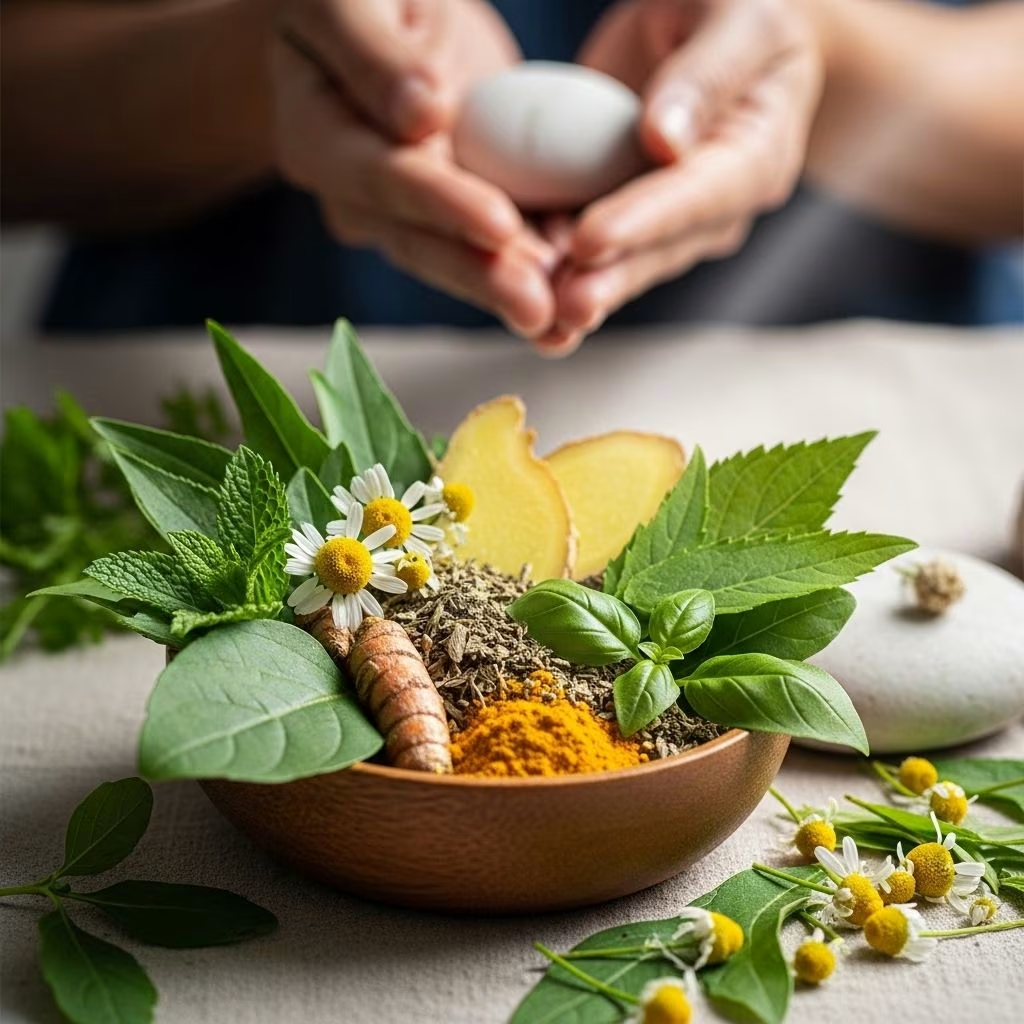
Coping with Oral Cancer Using Natural Remedies
Oral cancer, also known as oral or oropharyngeal carcinoma, is a significant health concern worldwide. Standard treatments such as surgery, radiation therapy, chemotherapy, immunotherapy, and targeted therapy remain the cornerstone of medical care, yet natural remedies and dietary strategies can play a valuable role in prevention, symptom management, and overall wellbeing.
Scientific research and centuries of traditional wisdom highlight certain herbs, foods, and practices that may support the fight against oral cancer.
Oral Cancer Overview: Symptoms and Standard Treatments
Oral cancer can affect the lips, tongue, cheeks, gums, the floor of the mouth, and oropharynx. Early detection is key: symptoms such as persistent sores, ulcers, swelling, red or white patches, pain or difficulty swallowing, and long-lasting hoarseness require professional evaluation.
Standard treatments include:
- Surgery: Removal of cancerous tissue, sometimes with reconstruction.
- Radiation therapy: Using high-energy rays to kill or shrink cancer cells.
- Chemotherapy: Systemic drugs attack cancer throughout the body.
- Immunotherapy: Boosting the body’s immune system to fight cancer.
- Targeted therapy: Drugs targeting specific molecular pathways involved in cancer growth.
These therapies can be accompanied by significant side effects. Adjunctive natural approaches may help prevent, alleviate, or recover from symptoms and treatment-related complications.
Natural Remedies for Oral Cancer: Evidence and Application
Dietary Strategies and Herbal Formulations
Nutritional status is directly linked to cancer risk and prognosis. A diet rich in fruits, vegetables, and herbs abundant in phytonutrients, antioxidants, and anti-inflammatory compounds has shown benefits in reducing cancer risk and supporting healing. The following herbal remedies are backed by traditional use and, increasingly, scientific research:
Turmeric (Curcuma longa)
Turmeric is an ancient remedy, renowned for its powerful bioactive constituent curcumin. Studies highlight curcumin’s ability to inhibit cancer-causing enzymes, detoxify the liver, and provide antiseptic and antibiotic effects.
Turmeric may help relieve symptoms and slow cancer progression by:
- Suppressing cell proliferation in oral cancer cell lines
- Enhancing the body’s antioxidant defenses
- Reducing inflammation and supporting tissue healing
How to use: Crush dried turmeric rhizomes to make powdered turmeric. Mix with hot water or milk and consume one to two times daily. Combining turmeric with a small amount of black pepper can improve absorption.
Mint (Mentha spp.)
Mint is rich in phytochemicals that help block blood flow to cancerous tumors, destroy carcinogens, and inhibit tumor growth. Mint also possesses antimicrobial properties that may benefit oral health.
- Prevents angiogenesis (development of blood supply) to tumors
- May protect tissues from carcinogens before they can damage cells
How to use: Crush fresh mint leaves and add to hot water for tea, or incorporate into daily recipes. Mint is safe and pleasant for regular consumption.
Thyme (Thymus vulgaris)
Thyme contains thymol—a compound studied for its anti-cancer activity. Research indicates that thymol can induce cancer cell death by disrupting their mitochondria, making thyme a promising adjunct in oral cancer care. Terpenes in thyme also help manage mouth ulcers and may slow tumor growth.
- Thymol specifically targets cancer cell energy metabolism
- Terpenes help relieve oral sores and inflammation
How to use: Add thyme to dishes, brew as herbal tea, or use as a mouth rinse. Ongoing research may lead to specific thyme-based rinses for clinical use.
Coriander Seeds (Coriandrum sativum)
Coriander seeds are recognized in traditional medicine for their cancer-fighting potential. They are believed to increase cure rates and prevent oral cancer when consumed regularly.
- Contains bioactive phytochemicals with anti-proliferative effects
- Promotes detoxification and supports immune health
How to use: Crush three teaspoons of coriander seeds and mix into a glass of water. Drink three or four glasses of coriander-infused water daily.
Other Powerful Herbs in Oral Cancer Management
- Ginger: Shown to be effective against cancer cell proliferation in laboratory settings, with synergistic effects when combined with other herbs.
- Cinnamon: Contains antioxidants and compounds that may limit cancer development; has demonstrated high potency against oral squamous cell carcinoma in vitro.
- Saffron: Notable for strong anti-cancer action among medicinal herbs; research suggests it is particularly effective in inhibiting oral cancer cell growth.
Supporting Nutritional Approaches
Key dietary modifications can further support oral cancer management:
- Increase intake of fruits and vegetables, especially dark leafy greens, berries, cruciferous vegetables, and citrus fruits. High vitamin C intake is associated with lower oral cancer risk.
- Use extra-virgin olive oil as a primary fat source. Olive oil contains polyphenols that kill cancer cells and support heart, bone, and neurological health.
- Emphasize cooking methods like boiling, steaming, and baking to minimize the formation of harmful compounds during frying or grilling.
Table: Dose and Effects of Prominent Medicinal Herbs for Oral Cancer
| Herb | Effective Dose Range (mg/ml) | Key Compound(s) | Observed Effect |
|---|---|---|---|
| Saffron | 2-10 | Crocetin | Strongest inhibition of cancer cell growth |
| Cinnamon | 5-40 | Cinnamaldehyde | Potent anti-cancer and antioxidative effects |
| Curcumin (Turmeric) | 108-217 | Curcumin | Antiseptic, anti-inflammatory, inhibits cancer enzymes |
| Ginger | 108-270 | Gingerol | Suppresses cancer cell proliferation |
Combinations of herbs, such as cinnamon-saffron or all four together, showed stronger effects than single-agent use in laboratory studies.
Integrating Natural Remedies in Oral Cancer Care
Considerations Before Use
- Natural remedies are best used alongside conventional medical treatment. There is no substitute for professional cancer care.
- Consult your oncologist or dental care provider before starting any new supplement to avoid interactions with prescribed medications.
- Maintain regular oral cancer screenings, especially if you notice unusual symptoms or are at increased risk due to genetic, environmental, or lifestyle factors.
Lifestyle Modifications to Support Healing
Beyond herbal and dietary interventions, key lifestyle changes can make a significant difference:
- Quit tobacco (all forms) and limit alcohol use: Both are major contributors to oral cancer risk.
- Practice excellent oral hygiene, including gentle brushing and flossing to minimize irritants in the mouth.
- Manage stress: Meditation, yoga, and counseling may help cope with diagnosis and treatment.
- Hydrate adequately: Proper fluid intake supports mouth health and overall wellbeing.
- Consider antioxidant supplementation after discussion with your healthcare provider; vitamins C and E, for example, may help repair tissue and protect against oxidative damage.
Natural Remedies for Treatment-Related Symptoms
Mouth sores are a common complication of oral cancer and its treatment. Natural solutions for symptom relief include:
- Rinsing with warm salt water several times daily.
- Consuming non-acidic, soft foods to reduce irritation.
- Applying soothing aloe vera gel or honey to ulcers after confirming safety with a provider.
- Using herbal mouth rinses formulated with thyme, mint, or chamomile for gentle cleansing.
Avoid spicy, acidic, or rough foods that may aggravate mouth sores. Always inform your cancer care providers of any severe pain, bleeding, or persistent symptoms.
Frequently Asked Questions (FAQs)
Q: Can natural remedies cure oral cancer on their own?
A: No, natural remedies should not replace conventional treatments such as surgery, radiation, or chemotherapy. They may support overall health and symptom relief but never substitute proven medical care.
Q: Is turmeric safe for daily use during oral cancer treatment?
A: Turmeric is generally safe as a food or supplement, but high doses may interfere with blood thinning medications or digestion. Always discuss with your oncologist before starting any new herbal supplement.
Q: How does thyme help in managing oral cancer?
A: Thyme contains thymol, which has demonstrated anti-tumor effects by inducing cancer cell death through mitochondrial disruption. Research is ongoing, and thyme-based mouth rinses may soon become part of supportive care.
Q: What dietary habits lower the risk of oral cancer?
A: A diet with plenty of fruits (especially citrus for vitamin C), vegetables, olive oil, limited grilling/frying, and low processed sugar is associated with reduced oral cancer risk. Avoid tobacco and limit alcohol intake for further prevention.
Q: When should I seek professional screening for oral cancer?
A: Early screening is key. If you notice persistent mouth sores, lumps, pain, or changes in oral tissues, contact a dental or medical professional promptly for evaluation and possible biopsy.
Conclusion: A Holistic Approach to Oral Cancer Care
The management of oral cancer requires a multifaceted strategy—combining the latest advances in surgery and medication with evidence-based natural remedies and lifestyle choices. Herbal compounds such as turmeric, mint, thyme, coriander, saffron, cinnamon, and ginger, along with good food habits and oral hygiene, can complement conventional therapies and improve patient outcomes.
Always consult your healthcare providers before making changes to your regimen, and prioritize early detection and professional care for best results.
References
- https://pmc.ncbi.nlm.nih.gov/articles/PMC7332120/
- https://news.uthscsa.edu/mouthwash-may-treat-oral-cancer/
- https://smilecreator.net/oral-health/fight-oral-cancer/
- https://www.mskcc.org/news/truth-behind-three-natural-cures
- https://oralcancerfoundation.org/nutrition/nutrition-and-cancer/
- https://smilerxdental.com/coping-with-oral-cancer-using-natural-remedies/
- https://www.aicr.org/resources/blog/plant-compounds-in-cancer-treatment-and-prevention/
- https://pubmed.ncbi.nlm.nih.gov/26863913/
- https://healthy.kaiserpermanente.org/health-wellness/health-encyclopedia/he.cancer-home-treatment-for-mouth-sores.not259233


