


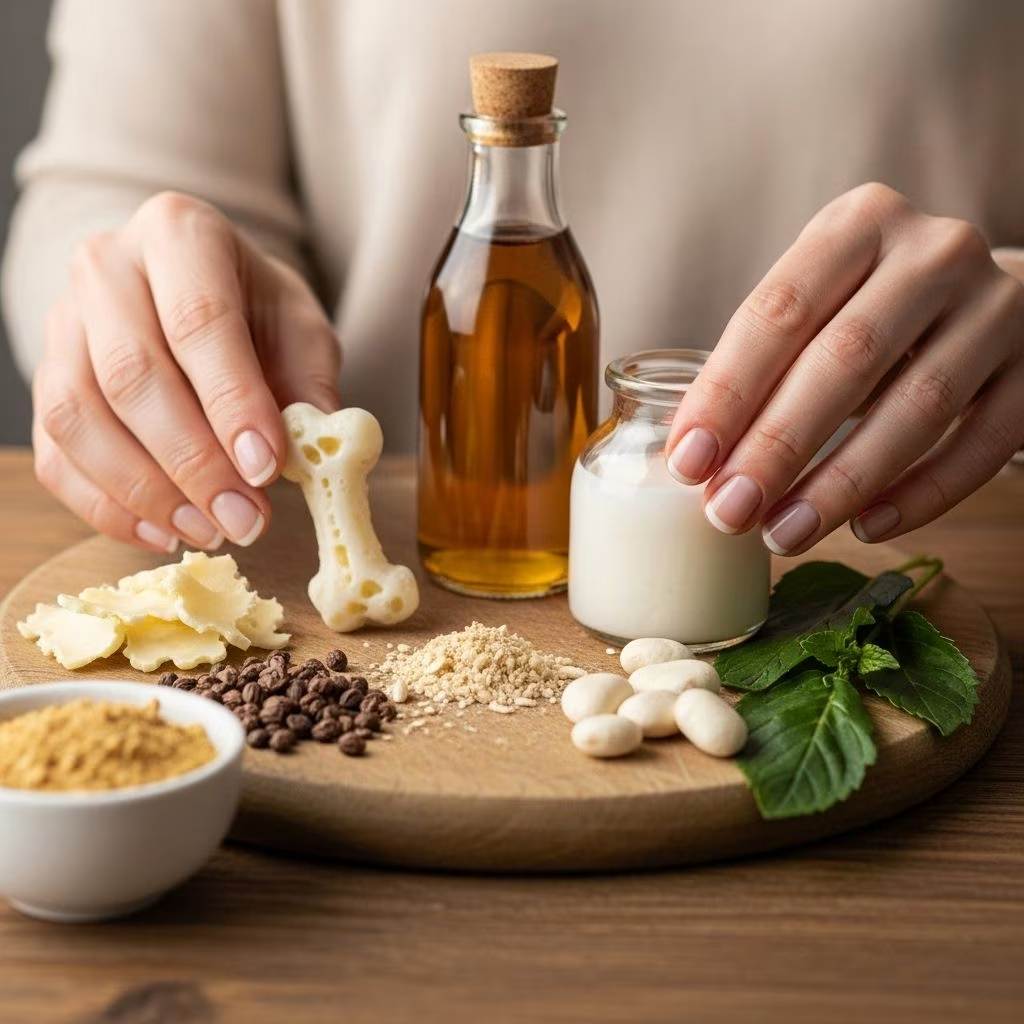
Natural Remedies for Osteoporosis in Postmenopausal Women
Osteoporosis is a systemic skeletal disorder characterized by decreased bone strength and increased risk of fractures, particularly prevalent in postmenopausal women. As awareness of drug side effects grows, attention has turned to natural remedies and lifestyle approaches to prevent and manage osteoporosis in this population.
Introduction
Osteoporosis is recognized as one of the most significant health challenges affecting women after menopause, due to declining levels of estrogen. It leads to reduced bone mass and compromised bone microarchitecture, greatly increasing the risk of fragility fractures. Traditional therapy often relies on pharmacological agents; however, increasing interest in natural therapies has led researchers and clinicians to investigate the efficacy and safety of these alternative options.
Defining Osteoporosis
Osteoporosis is defined by the World Health Organization as a bone mineral density (BMD) of 2.5 standard deviations or more below the mean peak bone mass (T-score ≤ -2.5) of healthy young women. While it can affect both sexes, its incidence rises sharply in women after menopause due to hormonal changes.
Risk Factors for Postmenopausal Osteoporosis
- Declining estrogen levels after menopause
- Age over 50 years
- Family history of osteoporosis or fractures
- Low body mass index (BMI)
- Sedentary lifestyle
- Smoking and excessive alcohol consumption
- Diet poor in calcium and vitamin D
Problems with Conventional Therapies
Standard osteoporosis treatment includes calcium and vitamin D supplementation, hormone replacement therapy (HRT), bisphosphonates, and selective estrogen receptor modulators (SERMs). However, these may present with adverse effects, such as increased risk of cardiovascular disease, breast cancer (with long-term HRT), and gastrointestinal distress (with bisphosphonates). This highlights the necessity for safer, alternative management strategies.
Dietary Approaches for Bone Health
Calcium Intake
Optimal calcium intake is essential for both the development of peak bone mass and the maintenance of bone health after menopause. The majority of postmenopausal women do not reach the recommended daily calcium intake, increasing their fracture risk.
- Dairy products (milk, cheese, yogurt): primary sources of calcium
- Non-dairy options: leafy green vegetables, tofu, almonds, and calcium-fortified foods
- Recommended calcium intake: 1,000–1,300 mg per day for postmenopausal women
Vitamin D Supplementation
Vitamin D is crucial for calcium absorption and bone mineralization. Deficiency is common in older women, especially those with limited sun exposure.
- Sunlight exposure: approximately 10–15 minutes daily on exposed skin
- Dietary sources: fatty fish (salmon, sardines), eggs, and vitamin D-fortified products
- Supplementation: 400–800 IU/day may be required to maintain adequate serum levels
Other Nutritional Factors
- Magnesium: vital for bone structure, found in nuts, seeds, whole grains
- Vitamin K: involved in bone matrix formation, abundant in green leafy vegetables
- Protein: important for bone matrix; insufficient intake can exacerbate bone loss, but excess protein may increase calcium excretion
- Phosphorus: commonly found in processed foods; excessive amounts can contribute to calcium loss
Lifestyle Modifications for Osteoporosis Prevention
Weight-Bearing Exercise
- Walking, jogging, dancing, and resistance training stimulate bone formation and strengthen muscles that protect against falls
- Regular activity—minimum 30 minutes, most days of the week—is linked to increased or maintained bone mass
Smoking and Alcohol
- Smoking accelerates bone loss and decreases estrogen levels
- Alcohol, particularly in excess, interferes with bone remodeling and increases fall and fracture risk
- Moderation or avoidance of these substances is strongly recommended
Fall Prevention
- Maintaining balance and muscle strength reduces fall risk
- Home modifications: remove tripping hazards, install grab bars, improve lighting
- Vision correction and regular medication review are also beneficial
Herbal and Alternative Remedies
Phytoestrogens
Phytoestrogens are plant-derived compounds that exert weak estrogen-like activity. Isoflavones found in soy and lignans from flaxseed are among the most studied in osteoporosis.
- Soy isoflavones: Moderate evidence suggests they may positively affect bone mineral density, but robust clinical data are lacking.
- Flaxseed: Contains lignans; some animal studies show benefits, but human trials remain inconclusive.
Traditional Herbs
- Black cohosh: Popular for menopausal symptoms; its effect on bone health in humans is not firmly established.
- Red clover: Contains phytoestrogens; some studies suggest a role in slowing bone loss, but evidence is still limited.
- Other herbs: Dong quai, wild yam, and more have traditional uses, but clinical data for osteoporosis prevention are insufficient.
Mineral Supplements
- Boron: Trace mineral with possible effects on bone metabolism. More evidence needed before routine recommendation.
- Silicon, zinc, and copper: Emerging data imply supportive roles, but supplementation beyond a balanced diet is not universally endorsed.
Effectiveness and Evidence: What Do Studies Show?
| Remedy | Strength of Evidence | Notes |
|---|---|---|
| Calcium & Vitamin D | Strong | Consistently shown to benefit bone health when combined |
| Weight-bearing Exercise | Strong | Reduces bone loss, improves balance and strength |
| Soy Isoflavones | Moderate | Some positive effect in select studies; more research needed |
| Phytotherapy (Herbs) | Weak | Animal and small human trials suggest potential but insufficient evidence |
| Vitamin K | Emerging | Promising results in observational studies; large trials warranted |
Concerns and Safety Issues
While natural remedies are typically perceived as safe, some can interact with medications or cause side effects. For example:
- High doses of vitamin D may lead to toxicity (hypercalcemia)
- Phytoestrogens may affect women with a history of hormone-dependent cancers
- Herbal remedies may interact with anticoagulants, antihypertensives, or other drugs
Consultation with healthcare providers before starting natural supplements is advised.
Practical Strategies for Postmenopausal Women
- Adopt a nutrient-rich, balanced diet emphasizing calcium, vitamin D, and protein
- Engage in regular weight-bearing and resistance exercise tailored to individual ability
- Avoid smoking and excessive alcohol intake
- Consult healthcare professionals before using herbal or alternative remedies, especially if taking other medications
- Monitor bone mineral density as recommended to assess fracture risk and inform treatment decisions
Frequently Asked Questions (FAQs)
Q: Are natural remedies enough to prevent fractures?
A: Natural remedies, including adequate calcium, vitamin D, and exercise, are fundamental for bone health, but women at high risk or with established osteoporosis may require additional medical therapy.
Q: How much sun exposure is safe for vitamin D production?
A: About 10–15 minutes daily on face, arms, and hands is generally sufficient for most people. Balance is needed to avoid skin cancer risk.
Q: Can herbal supplements replace hormone replacement therapy?
A: While certain plant compounds mimic estrogen, current evidence is insufficient to recommend them as replacements for hormone therapy. Their role should be as adjuncts rather than substitutes.
Q: Is dairy the only way to get calcium?
A: No. Leafy greens, tofu, almonds, and fortified foods can also provide substantial calcium. However, the bioavailability from non-dairy sources may vary.
Q: Is it safe to take multiple supplements together?
A: Caution is advised; some nutrients and herbs may interact or be redundant. Always discuss combined supplementation with a healthcare provider.
Take-Home Messages
- Natural remedies for osteoporosis focus on optimizing bone nutrition, physical activity, and avoiding substances that accelerate bone loss.
- Evidence supports adequate calcium, vitamin D, and weight-bearing exercise as effective, low-risk interventions.
- Herbal and alternative therapies are promising but require more robust research before widespread recommendation.
- Individualized management, including consideration of personal risk factors and concurrent medications, is essential for safety and efficacy.


