


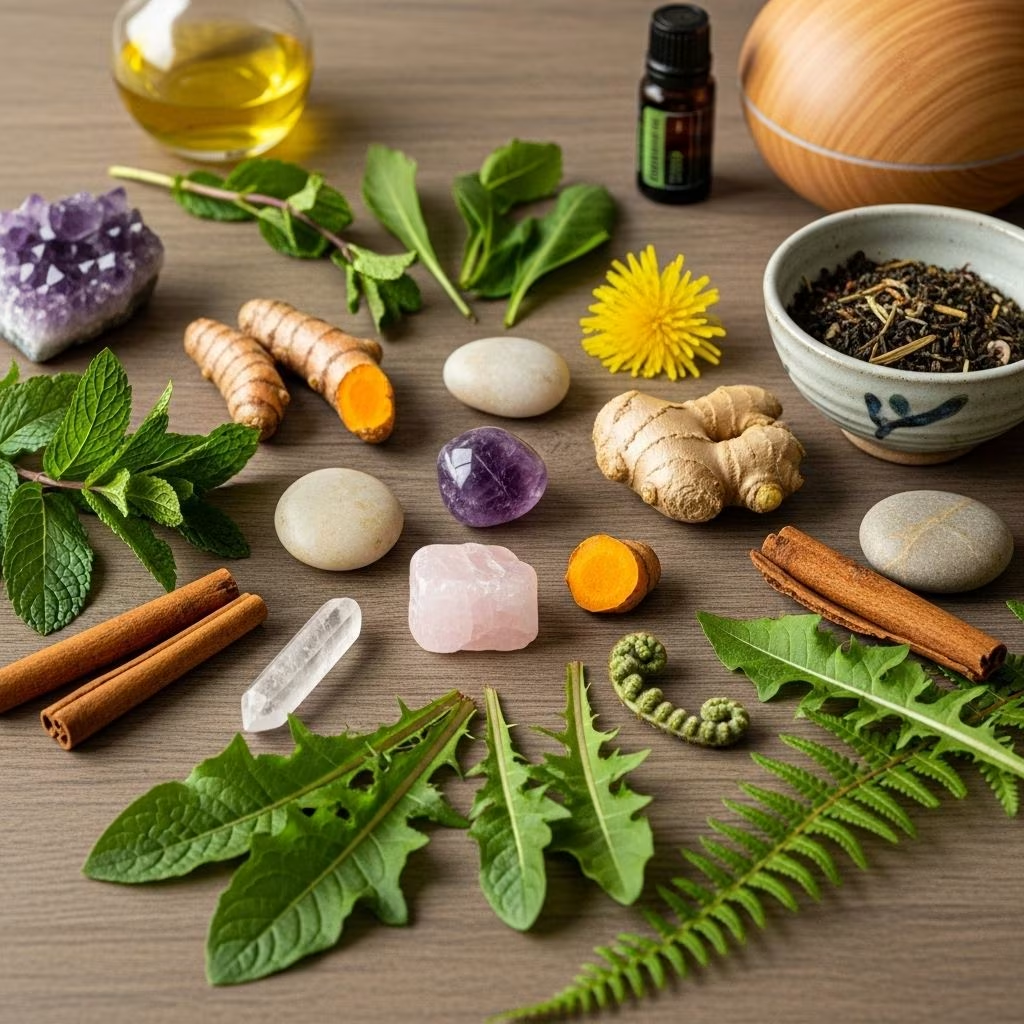
Natural Remedies for PCOS: A Holistic Treatment Approach
Polycystic ovary syndrome (PCOS) is a complex endocrine disorder affecting millions of women worldwide. While conventional treatments focus on symptom management, holistic strategies aim to address underlying causes, restore hormonal balance, and support overall wellness. This comprehensive guide explores evidence-based natural remedies, dietary changes, lifestyle interventions, and herbal therapies to empower you on your PCOS healing journey.
Understanding PCOS: The Bigger Picture
PCOS is characterized by hormonal imbalances such as increased androgens (male hormones), irregular menstrual cycles, and cystic ovaries. Symptoms often include acne, hirsutism (excess hair growth), infertility, weight gain, and long-term risks like insulin resistance and type 2 diabetes. Holistic treatments target these root causes, supporting not just reproductive health but overall vitality.
Holistic Approaches: Treating the Whole Person
A holistic protocol considers physical, emotional, nutritional, and environmental factors. Practitioners often begin with a comprehensive health assessment, including blood work and patient history, to personalize the healing plan. Key pillars include:
- Nutrition and diet
- Weight management
- Exercise adaptations
- Stress reduction
- Sleep hygiene
- Herbal and supplement support
- Gut health optimization
Personalized Care: The Foundation of Success
Successful natural healing for PCOS often involves individualized plans that address each woman’s unique symptoms, lab values, and lifestyle priorities. Patience and persistence are essential; many report noticeable improvements within 2-3 months of consistent intervention.
Nutrition: The Cornerstone of PCOS Management
Nutrition plays a central role in balancing hormones and reducing PCOS symptoms. The primary dietary goals are to stabilize blood sugar, reduce inflammation, and support metabolic health.
Whole Food Diet
- Favor unprocessed foods, free from preservatives, artificial sugars, and hormones.
- Emphasize fruits, vegetables, whole grains, lean proteins, and legumes.
- Limit refined carbohydrates and minimize added sugars to support insulin regulation.
Balancing Protein and Carbohydrates
- Choose complex carbohydrates such as oats, brown rice, and quinoa to prevent blood sugar spikes.
- Pair carbohydrates with quality protein sources (e.g., fish, poultry, beans) at every meal to stabilize energy and hormonal levels.
Healthy Fats
- Include foods rich in omega-3 fatty acids such as salmon, flaxseeds, and walnuts to reduce inflammation and support hormone production.
Common Dietary Adjustments
- Many people with PCOS reduce or eliminate gluten and dairy, at least temporarily, to alleviate symptoms such as bloating and inflammation.
- Replace refined sugars with natural alternatives (e.g., maple syrup, coconut sugar).
Weight Management: Small Changes, Big Impact
Even modest weight loss can lead to significant improvements in insulin sensitivity, hormonal balance, and menstrual regularity among women with PCOS.
- Work with a healthcare provider to set realistic weight loss targets and avoid stress-driven eating patterns.
- Focus on sustainable, gradual changes rather than restrictive diets.
Exercise: Balance is Key
Regular exercise is critically important for metabolism, insulin regulation, and reducing inflammation. However, the type and intensity of exercise matter:
- Opt for low-impact exercise (e.g., walking, yoga, Pilates, gentle strength training) over excessive cardio or high-intensity workouts, which may increase inflammation in some women.
- Aim for consistency rather than intensity to support long-term wellness.
Stress Management: A Vital Piece of the Puzzle
Chronic stress elevates cortisol—a hormone that can worsen PCOS symptoms and disrupt metabolic health. Effective stress reduction strategies include:
- Meditation and deep breathing exercises
- Yoga
- Mindful walking
- Journaling
- Seeking professional support when needed
Sleep Hygiene: Restoring Nightly Balance
Poor sleep can exacerbate hormonal imbalances and make weight management more challenging for those with PCOS. Tips for better sleep include:
- Establishing consistent sleep and wake times
- Creating a calming nighttime routine
- Avoiding caffeine and electronics before bedtime
- Addressing sleep apnea or insomnia with medical guidance
Gut Health: The Underappreciated Influencer
Emerging research shows that gut health strongly influences hormone regulation, inflammation, and even cravings. Improving gut health can help manage PCOS through:
- Eating probiotic-rich foods (e.g., yogurt, kefir, sauerkraut)
- Considering probiotic supplements under supervision
- Including plenty of dietary fiber to support good bacteria and regular elimination
Herbal Remedies: Nature’s Support for PCOS
Several herbs have shown promise in regulating hormones, supporting ovulation, and reducing PCOS symptoms. Always consult a healthcare professional before starting herbal supplements, as individual responses vary and safety must be assessed.
| Herbal Remedy | Benefits & Mechanisms | Notes |
|---|---|---|
| Maca Root | May balance hormones, reduce cortisol, support mood | Commonly used for fertility and libido |
| Ashwagandha | Helps regulate cortisol and stress, potentially improving PCOS symptoms | Also known as Indian ginseng |
| Holy Basil (Tulsi) | Reduces chemical and metabolic stress; may lower blood sugar and aid weight management | Known as the “queen of herbs” |
| Licorice Root | Contains glycyrrhizin; anti-inflammatory, helps metabolize sugar & balance hormones | May have hormone-modulating effects |
| Tribulus terrestris | Supports ovulation and menstruation; can reduce ovarian cysts | Requires further research |
| Chasteberry (Vitex agnus-castus) | May reduce PMS, hirsutism, and support hormonal balance | Traditional fertility aid; mixed evidence for PCOS |
| Cinnamon | Improves insulin sensitivity and can help regulate cycles | Safe in dietary doses |
| Ginseng | Lowers glucose and lipid levels, supports metabolic health | Consult physician before use |
Supplements: Evidence-Based Support
Some nutritional supplements have been researched for their role in PCOS management. The most promising include:
- Inositol: Improves insulin sensitivity and can help regulate menstrual cycles.
- Berberine: Supports glucose metabolism and may improve fertility.
- Chromium: Assists with blood sugar control.
- Probiotics: Promote healthy gut flora, which indirectly supports hormonal balance.
Avoiding Endocrine Disruptors: Environmental Health
Minimizing exposure to chemicals that interfere with the endocrine system may further support hormonal health. Steps include:
- Choosing organic produce and animal products when possible
- Using glass or stainless steel food containers instead of plastic
- Avoiding products with parabens, phthalates, and synthetic fragrances
Integrating Holistic Therapies
Complementary practices such as acupuncture, massage, and mindfulness can further reduce stress, improve blood flow, and support hormonal balance. Always seek practitioners with expertise in women’s health for these interventions.
Building a Sustainable Healing Journey
- Consult with a holistic health practitioner to create a personalized plan.
- Track your progress, noting symptom changes, energy levels, and emotional well-being.
- Allow time for adjustment; expect results over months rather than weeks.
- Avoid making multiple drastic changes at once; develop sustainable habits.
Frequently Asked Questions (FAQs)
Q: Are natural remedies safe for everyone with PCOS?
A: Most natural remedies are low risk but should always be tailored to individual health profiles. Consult your healthcare professional before using herbal supplements, especially if you take other medications or have complex health conditions.
Q: How long does it take to see results from natural treatments?
A: Many women notice improvements within 2-3 months, but optimal results can take 6-12 months of consistent lifestyle changes and monitoring.
Q: Can diet alone reverse PCOS?
A: Diet is foundational, but additional lifestyle changes (exercise, stress management, sleep hygiene) and targeted supplements or herbs may be necessary for best results.
Q: Should I eliminate gluten or dairy?
A: Some women with PCOS find symptom relief by removing gluten or dairy, especially those with signs of food intolerance or inflammation. These changes are most effective when guided by a practitioner.
Q: What types of exercise are best?
A: Low-impact activities like walking, yoga, and gentle strength training are often recommended to reduce inflammation and hormonal stress.
Evidence and Cautions
While scientific research on holistic PCOS management has grown, not all natural remedies have robust clinical backing. Many herbal therapies and supplements are based on traditional use and early-stage studies. Always select reputable products and practitioner guidance for safety and effectiveness.
Conclusion: Empowering Your PCOS Healing Journey
Treating PCOS holistically involves addressing core hormonal, metabolic, and emotional factors through diet, lifestyle, and evidence-based natural therapies. Sustainable change is possible through education, patience, individualized planning, and ongoing support. By integrating the pillars of holistic health, you can restore balance and thrive with PCOS.
References
- https://holisticintegrativewellness.com/a-natural-approach-to-pcos/
- https://www.draliabadi.com/womens-health-blog/navigating-pcos-a-journey-to-natural-healing-and-wellness/
- https://pmc.ncbi.nlm.nih.gov/articles/PMC10065776/
- https://www.healthline.com/health/womens-health/natural-treatment-pcos
- https://www.vinmec.com/eng/blog/30-natural-ways-to-help-treat-polycystic-ovarian-syndrome-pcos-en
- https://www.goodrx.com/conditions/pcos/natural-treatment
- https://www.medicalnewstoday.com/articles/326560
- https://www.frontiersin.org/journals/endocrinology/articles/10.3389/fendo.2023.1294406/full


