


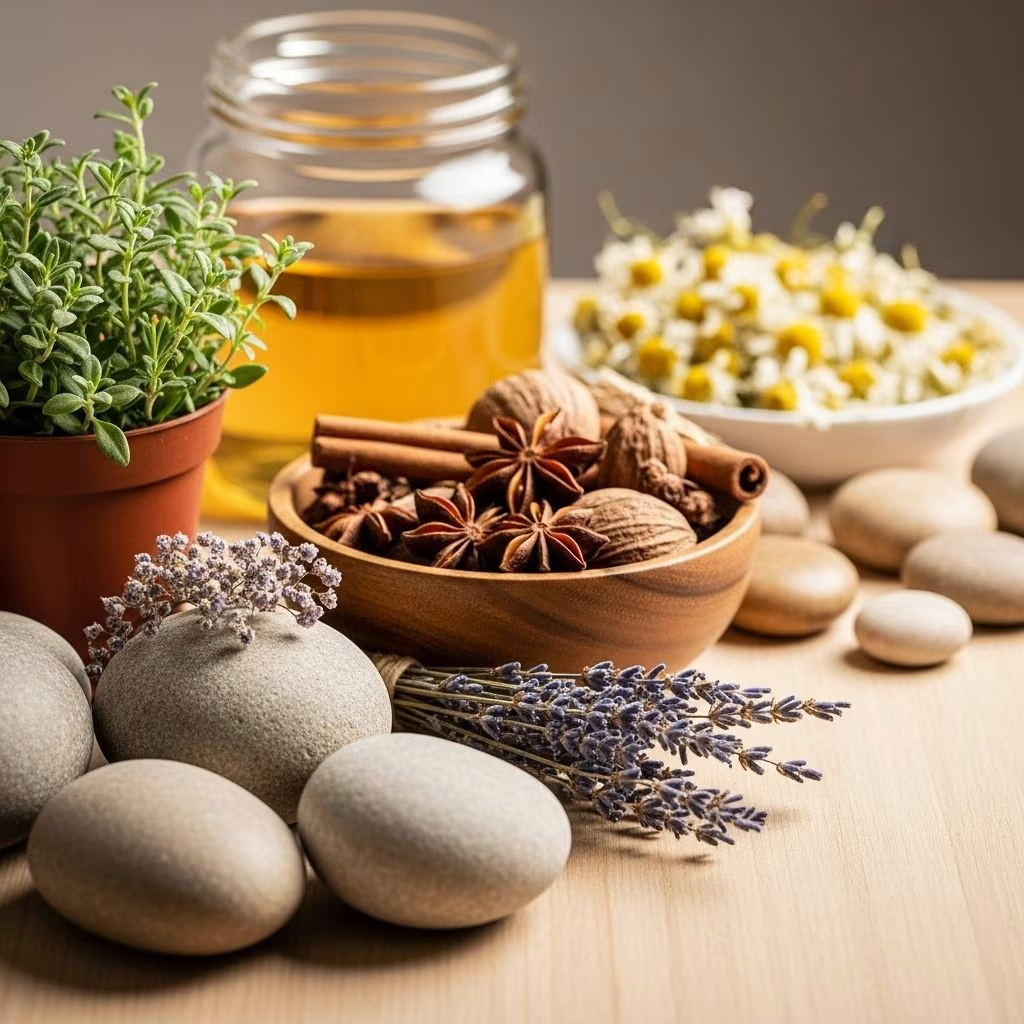
Natural Remedies for Psoriatic Arthritis
Psoriatic arthritis (PsA) is a chronic autoimmune condition characterized by inflammation in the joints, often occurring alongside psoriasis—a skin disorder marked by red, scaly patches. The symptoms can substantially impact quality of life, but a variety of natural and integrative approaches exist to help manage pain, stiffness, fatigue, and swelling . While conventional medical treatments remain essential for most, adjunct use of natural remedies offers promising avenues for many individuals seeking greater comfort and mobility.
Understanding Psoriatic Arthritis and Its Symptoms
- Pain: Joint discomfort, especially in hands, feet, knees, and lower back.
- Stiffness: Reduced joint mobility, especially after periods of inactivity.
- Fatigue: Chronic tiredness not relieved by rest.
- Swelling: Soft tissue and joint swelling causing tenderness and loss of function.
- Psoriatic Nail and Skin Changes: Thickening, pitting, and discoloration of nails; skin patches characteristic of psoriasis.
Symptoms often cycle between flare-ups and remission, which means their intensity and duration may vary over time .
Key Natural Remedies and Their Evidence
Numerous natural remedies have been investigated for their potential to ease symptoms and improve the wellbeing of those living with PsA. Below, we detail some of the most commonly utilized and researched options:
1. Turmeric (Curcumin)
Turmeric is a yellow spice widely used in culinary traditions and renowned for its anti-inflammatory effects. The active compound, curcumin, blocks inflammatory cytokines and enzymes and may reduce joint pain and swelling .
- How to use: Add turmeric to food, brew as tea, or use standardized supplements (usually 500–1,000 mg curcumin daily).
- Evidence: Studies suggest turmeric can improve arthritis symptoms such as pain and stiffness .
- Precautions: Not suitable for individuals on blood-thinners, those with upcoming surgery, or during pregnancy. High doses may cause stomach upset or thin the blood .
2. Fish Oil (Omega-3 Fatty Acids)
Fish oil, rich in omega-3s, helps decrease inflammation and has shown promise in improving joint tenderness and stiffness. It may reduce dependence on anti-inflammatory medication .
- How to use: Increase intake of fatty fish like salmon, tuna, and cod, or take fish oil supplements.
- Evidence: 2018 studies show fish oil’s effect on joint pain and cardiovascular protection, which is relevant since PsA patients are at increased risk for heart disease .
- Precautions: Can interact with certain medications (e.g., warfarin), and high intake may cause excessive bruising. Pregnant people should avoid high-mercury fish .
3. Capsaicin
Capsaicin is found in chili peppers and used topically to relieve joint pain. It numbs pain receptors and is sometimes used for osteoarthritis; evidence for PsA is still emerging .
- Application: Capsaicin-containing creams can be applied to painful joints.
4. Vitamin D
Vitamin D, essential for bone and immune health, may help reduce PsA symptoms—especially in cases of deficiency. Supplementation can be considered after consulting a healthcare provider .
- How to use: Exposure to sunlight and supplements.
- Evidence: Case studies suggest possible symptom improvement but broader studies are needed .
5. Sarsaparilla Root
Sarsaparilla root is a traditional herbal remedy believed to have anti-inflammatory properties. Small-scale reports indicate some symptom relief, but robust scientific evidence is lacking .
6. Ginger
Ginger contains gingerol, which also acts as an anti-inflammatory. Used similarly to turmeric, it can be added to diets as food, tea, or taken as a supplement.
7. Epsom Salts
Epsom salt baths may temporarily soothe sore joints and muscles. Magnesium in Epsom salts is thought to contribute to relaxation and comfort .
8. Oatmeal Baths
Oatmeal baths can relieve itching and irritation on the skin caused by psoriasis, complementing overall comfort during arthritis flares .
Mind-Body and Physical Therapies
Beyond ingestible remedies, certain physical and mind-body interventions can be invaluable:
- Acupuncture: Case reports and traditional use suggest acupuncture, when performed by certified practitioners, may help reduce pain and stiffness .
- Physical Therapy & Exercise: Regular movement, stretching, and targeted exercises improve joint mobility and reduce fatigue. Exercise is consistently recommended for joint health and overall function .
- Occupational Therapy: Strategies from trained specialists can assist with daily tasks and reduce strain on affected joints .
- Massage Therapy: Gentle massage may relieve pain, reduce tension, and boost circulation. Always consult a licensed therapist familiar with autoimmune conditions .
- Cold and Hot Therapy: Applying cold packs can decrease inflammation, while warm compresses or baths relax stiff muscles and joints .
Diet and Lifestyle Adjustments
Several lifestyle modifications can help manage PsA symptoms and potentially decrease flare frequency:
- Anti-inflammatory Diet: Focus on whole foods rich in antioxidants and omega-3s. This includes fatty fish, olive oil, leafy greens, berries, nuts, seeds, broccoli, and cauliflower .
- Avoid Trigger Foods: Some people find that processed foods, sugars, and saturated fats exacerbate symptoms. Keeping a symptom diary may help identify dietary triggers.
- Stress Management: Mindfulness, meditation, and stress-reducing hobbies may lessen flare-ups due to the well-established link between stress and autoimmune disorders .
- Sufficient Sleep: Restorative sleep is vital for immune balance and chronic pain reduction .
- Quit Smoking and Limit Alcohol Use: Both habits may worsen symptoms and decrease effectiveness of treatments .
Potential and Emerging Remedies
- CBD (Cannabidiol) Products: Some individuals report relief from topical CBD oils or oral forms, though official evidence for PsA is limited .
- Energy Healing and Biofeedback: Alternative therapies sometimes help with pain perception and stress, but more rigorous research is needed .
Comparison: Traditional Medical vs. Natural Remedies
| Aspect | Traditional Medical Treatment | Natural Remedies |
|---|---|---|
| Cure Potential | No cure; symptom management and slowing progression | No cure; adjunct symptom management |
| Evidence Base | Robust clinical trials | Emerging or anecdotal (varies by remedy) |
| Examples | DMARDs, biologics, NSAIDs | Turmeric, fish oil, acupuncture, exercise |
| Side Effects | Possible (drug-specific) | Possible (specific supplements, interactions) |
| Role | Primary treatment | Supportive & adjunct care |
Best Practices for Integrating Natural Remedies
- Always consult your healthcare provider before starting new supplements or therapies to avoid negative interactions.
- Combine natural treatments with prescribed medications rather than replacing conventional medicine.
- Monitor symptoms and response to new remedies; not every strategy suits everyone.
- Be aware of side effects—especially with herbs and supplements.
- Look for evidence-based interventions and scrutinize new approaches critically before use.
Frequently Asked Questions (FAQs)
Q: Can psoriatic arthritis be cured with natural remedies?
A: No, there is currently no cure for psoriatic arthritis, either conventional or natural. Natural therapies may help manage symptoms but should not replace medical treatments .
Q: Which natural supplement is most recommended for PsA?
A: Turmeric/curcumin and fish oil are among the best-studied. Always discuss with your physician before starting supplements .
Q: Is acupuncture effective for psoriatic arthritis?
A: Acupuncture has shown subjective benefits in pain and stiffness reduction for some individuals, but more clinical studies are needed to establish efficacy .
Q: What dietary changes can help with psoriatic arthritis symptoms?
A: Adopt an anti-inflammatory diet emphasizing omega-3-rich fish, fresh fruits, vegetables, olive oil, whole grains, and nuts. Avoid processed foods, excess sugar, and alcohol .
Q: Are there risks to using natural treatments?
A: Yes. Some supplements (turmeric, fish oil) can interact with medications or cause side effects. Always seek advice from a healthcare provider before starting new therapies .
Summing Up: Holistic Management of Psoriatic Arthritis
Effective management of psoriatic arthritis calls for a multifaceted strategy that blends medication, natural therapies, physical activity, and lifestyle adjustments. While natural remedies often lack the solid research base of conventional treatments, many individuals experience symptomatic relief through their judicious use . As scientific interest and studies grow, partnering with health professionals and customizing approaches will enable those with PsA to maximize their quality of life.
Resources for Further Information
- Psoriatic Arthritis Foundation
- National Psoriasis Association
- Consult your rheumatologist or healthcare provider
References
- https://www.medicalnewstoday.com/articles/316926
- https://pmc.ncbi.nlm.nih.gov/articles/PMC7750830/
- https://www.healthline.com/health/psoriatic-arthritis/natural-treatments-for-psa
- https://www.goodrx.com/conditions/psoriatic-arthritis/alternative-treatments
- https://health.clevelandclinic.org/psoriatic-arthritis-natural-treatment
- https://www.webmd.com/arthritis/psoriatic-arthritis/natural-treatments-for-psoriatic-arthritis
- https://www.bmhsc.org/blog/treating-psoriatic-arthritis-home-5-steps
- https://www.youtube.com/watch?v=FAthWgBbD5Q


