


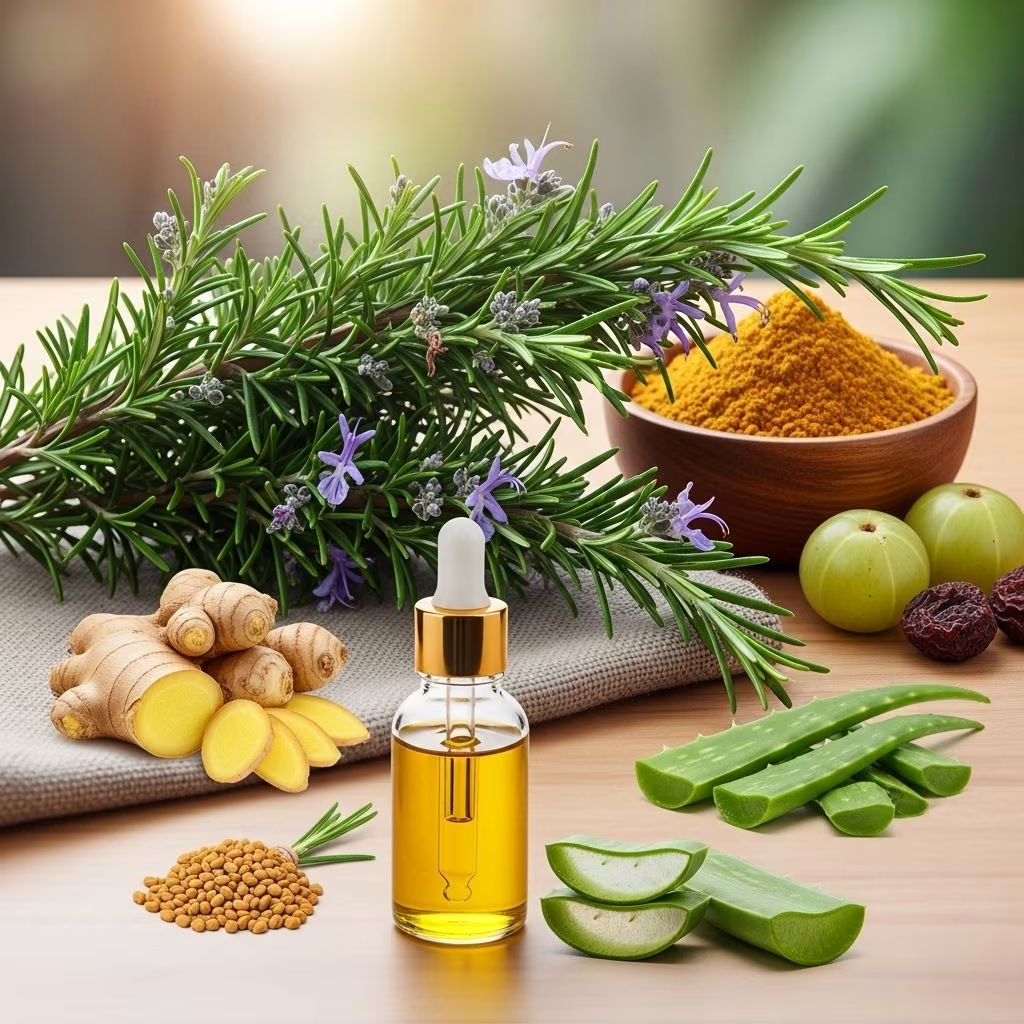
Hair loss and thinning are concerns affecting countless individuals across age groups and genders. While modern medicine offers pharmaceuticals and procedures for managing these issues, many seek out natural remedies for their safety, accessibility, and holistic approach. This in-depth guide explores the range of natural treatments, dietary changes, oils, lifestyle adaptations, and frequently asked questions surrounding hair loss and thin hair.
Understanding Hair Loss and Hair Thinning
Hair loss refers to excessive shedding or the inability to regrow hair, often observed as receding hairlines, bald patches, or an overall decrease in hair count. Hair thinning, on the other hand, indicates a gradual reduction in hair strand thickness, leading to less volume and density, even if the number of hairs remains similar. Common causes include:
- Hormonal imbalances (e.g., thyroid dysfunction, menopause, PCOS)
- Nutritional deficiencies (iron, zinc, protein, vitamin D, B12)
- Excessive stress
- Genetic predisposition
- Aging
- Heat styling and chemical treatments
- Underlying medical conditions
Proper management begins with understanding and addressing the root causes while nurturing the scalp and hair with gentle, restorative remedies.
Essential Nutrients for Healthy Hair
Optimal hair growth relies on a range of nutrients. Ensuring the following in your diet can have significant benefits:
- Protein: Supports hair shaft structure.
- Iron: Promotes oxygen delivery to follicles; deficiency can cause shedding.
- Zinc: Essential for hair tissue growth and repair.
- Vitamin D and B12: Deficiencies linked to hair loss.
- Biotin (Vitamin B7): Strengthens hair and nails.
- Omega-3 Fatty Acids: Support scalp health and reduce inflammation.
Incorporating foods like lean meats, eggs, leafy greens, nuts, seeds, beans, seafood, and whole grains ensures a supply of these hair-friendly nutrients.
Top Natural Remedies for Hair Loss and Thinning
1. Coconut Oil
Coconut oil contains lauric acid, which penetrates the hair shaft to reduce protein loss. It enriches the scalp’s microbiome, soothes irritation, and adds moisture, making hair less prone to breakage. Application can be:
- Pre-wash treatment: Massage into the scalp and hair, leave for at least 30 minutes before washing.
- Leave-in moisturizer: For dry or curly hair types.
2. Aloe Vera
Known for its soothing properties, aloe vera calms scalp irritation, reduces dandruff, and creates an optimal environment for healthy hair growth. Apply pure gel directly to the scalp and let sit for 30–60 minutes before rinsing.
3. Rosemary Oil
Research suggests rosemary oil effectively stimulates hair growth by improving circulation and rejuvenating hair follicles. Compared head-to-head with 2% minoxidil, rosemary oil produced similar results for certain types of hair loss.
- Mix a few drops with a carrier oil (such as coconut or jojoba).
- Massage into the scalp for 5–10 minutes, 2–3 times weekly.
- Leave on for at least 30 minutes before washing.
| Remedy | Benefits | Application | Considerations |
|---|---|---|---|
| Rosemary Oil | Stimulates follicles, boosts circulation | Massage, leave for 30–60 min | Needs dilution, consistent use needed |
| Coconut Oil | Reduces protein loss, moisturizes | Pre-wash, leave-in (for dry hair) | May weigh down fine hair |
| Onion Juice | Nutrient-rich, may boost regrowth | Apply juice, leave 30–60 min | Odorous, can irritate skin |
| Pumpkin Seed Oil | Blocks DHT, promotes thickening | Topical or oral | Check allergies |
| Aloe Vera | Soothes scalp, reduces dandruff | Gel, leave 30–60 min | Test for sensitivity |
4. Pumpkin Seed Oil
Pumpkin seed oil is rich in nutrients and may block dihydrotestosterone (DHT), a hormone linked to male-pattern baldness. Both topical and oral use have shown potential in supporting thicker hair.
5. Onion Juice
High in sulfur, onion juice improves blood flow to the scalp and boosts keratin production. Studies have found it may support hair regrowth when used for several weeks. To apply:
- Extract juice from a small onion.
- Massage into the scalp, leave for 30–60 mins.
- Shampoo to remove odor.
6. Hibiscus and Fenugreek Mist
This blend strengthens roots and reduces dryness, promoting thicker hair. To make:
- Boil 3–4 hibiscus flowers (or 1 tsp hibiscus powder) in 1 cup of water.
- Grind 1 tbsp soaked fenugreek seeds, mix into hibiscus water, strain.
- Spray onto scalp, leave 20–30 mins, rinse. Use weekly.
7. Sprouted Moong Protein Mask
A protein-rich treatment for thin hair:
- Grind 2 tbsp sprouted moong beans.
- Mix with 1 tbsp aloe vera gel and 2–3 tsp coconut milk.
- Apply for 30–40 minutes before rinsing.
8. Scalp Massage
Regular massage improves blood flow, delivering nutrients and stimulating follicles. Massage daily for 5–10 minutes using fingertips or a gentle massager.
Dietary and Lifestyle Measures
Natural remedies are most effective when combined with healthy lifestyle habits. Consider these strategies:
- Boost Protein Intake: Eat eggs, lean meats, tofu, beans, lentils.
- Increase Iron and Zinc: Add red meat (if not vegetarian), pumpkin seeds, spinach, and shellfish.
- Vitamin D: Get sunlight exposure, consider supplements if deficient.
- Hydration: Drinking enough water supports scalp moisture.
- Stress Management: Chronic stress can trigger hair loss. Incorporate meditation, gentle exercise, or yoga.
- Limit Heat Styling: Reduce use of hair dryers, straighteners, and tight hairstyles that pull on follicles.
Other Popular Natural Remedies & Oils
- Castor Oil: Thick, rich in ricinoleic acid, believed to nourish follicles and boost growth.
- Jojoba Oil: Resembles skin’s natural oils, moisturizes without clogging follicles.
- Egg Masks: Eggs provide protein and biotin when applied topically for 20–30 minutes.
- Green Tea: Contains polyphenols that may reduce DHT.
Supplements for Hair Growth
Supplements can fill dietary gaps for hair-healthy nutrients. Consider after consulting a professional:
- Biotin and B-Complex Vitamins for strengthening strands.
- Marine Collagen and Viviscal (contains shark, mollusk powder, vitamin C, biotin, zinc) support hair growth cycles.
- Fish Oil Omega-3 for anti-inflammatory support.
Always use supplements under the guidance of a healthcare provider, especially if you have health conditions or take other medications.
Holistic Practices for Healthier Hair
- Avoid harsh chemicals: Limit use of sulfates and parabens in shampoos.
- Switch to microfiber towels: Standard towels can cause friction, leading to breakage.
- Gentle detangling: Use wide-tooth combs, especially when hair is wet.
- Sleep on satin/silk pillowcases: Reduces friction and tangling overnight.
When to See a Professional
If rapid or patchy hair loss occurs, or if you experience itching, pain, or scalp scaling, consult a healthcare provider or dermatologist. They can check for underlying medical causes and recommend appropriate treatments.
Frequently Asked Questions (FAQs)
Q: Which natural oil is considered best for hair growth?
A: Rosemary oil is particularly well-supported by scientific studies for hair growth and is comparable to minoxidil for certain types of hair loss. Pumpkin seed, coconut, and castor oils are also beneficial.
Q: How long does it take to see results with natural remedies?
A: Results may be visible after 3–6 months of regular application; consistency is key. Some individuals may see visible changes sooner, especially when combining remedies with nutritional improvements.
Q: Are there side effects to natural treatments?
A: Most remedies are safe but can cause irritation or allergic reactions in sensitive individuals. Always patch test new oils or treatments before applying to your entire scalp.
Q: Can dietary changes alone reverse hair loss?
A: Some cases caused by deficiencies respond dramatically to dietary correction. For others, dietary improvement supports better results but may need to be combined with topical or medical treatments.
Q: Does stress really cause hair loss?
A: Yes, significant physical or emotional stress can cause temporary hair shedding (telogen effluvium). Practicing stress relief techniques may help restore hair growth.
Summary Table: Key Natural Remedies at a Glance
| Remedy | Main Benefit | Notes |
|---|---|---|
| Rosemary Oil | Enhances scalp circulation | Needs dilution, regular use |
| Coconut Oil | Nourishes, reduces protein loss | May suit dry hair more |
| Onion Juice | Regrows hair, improves density | Odorous, patch test for sensitivity |
| Pumpkin Seed Oil | Blocks DHT | Topical or oral, check for allergies |
| Aloe Vera | Soothes scalp, relieves dandruff | Safe for most hair types |
| Protein Masks | Strengthens thin, weak hair | Weekly use recommended |
Addressing hair loss naturally requires patience, a holistic diet and lifestyle approach, and consistent use of gentle, effective remedies. Always consult a healthcare professional if you notice sudden or severe changes in your hair or scalp health.
References
- https://www.harleystreethairtransplant.co.uk/8-natural-remedies-for-hair-loss/
- https://www.youtube.com/watch?v=5GVa1QHyCls
- https://www.healthline.com/health/regrow-hair-naturally
- https://www.myfreebird.com/blogs/health/natural-remedies-hair-loss
- https://www.goodrx.com/well-being/alternative-treatments/natural-hair-growth-products-remedies
- https://pmc.ncbi.nlm.nih.gov/articles/PMC11549889/
- https://www.mayoclinic.org/diseases-conditions/hair-loss/diagnosis-treatment/drc-20372932
- https://www.medicalnewstoday.com/articles/324971
- https://my.clevelandclinic.org/health/diseases/16921-hair-loss-in-women


