


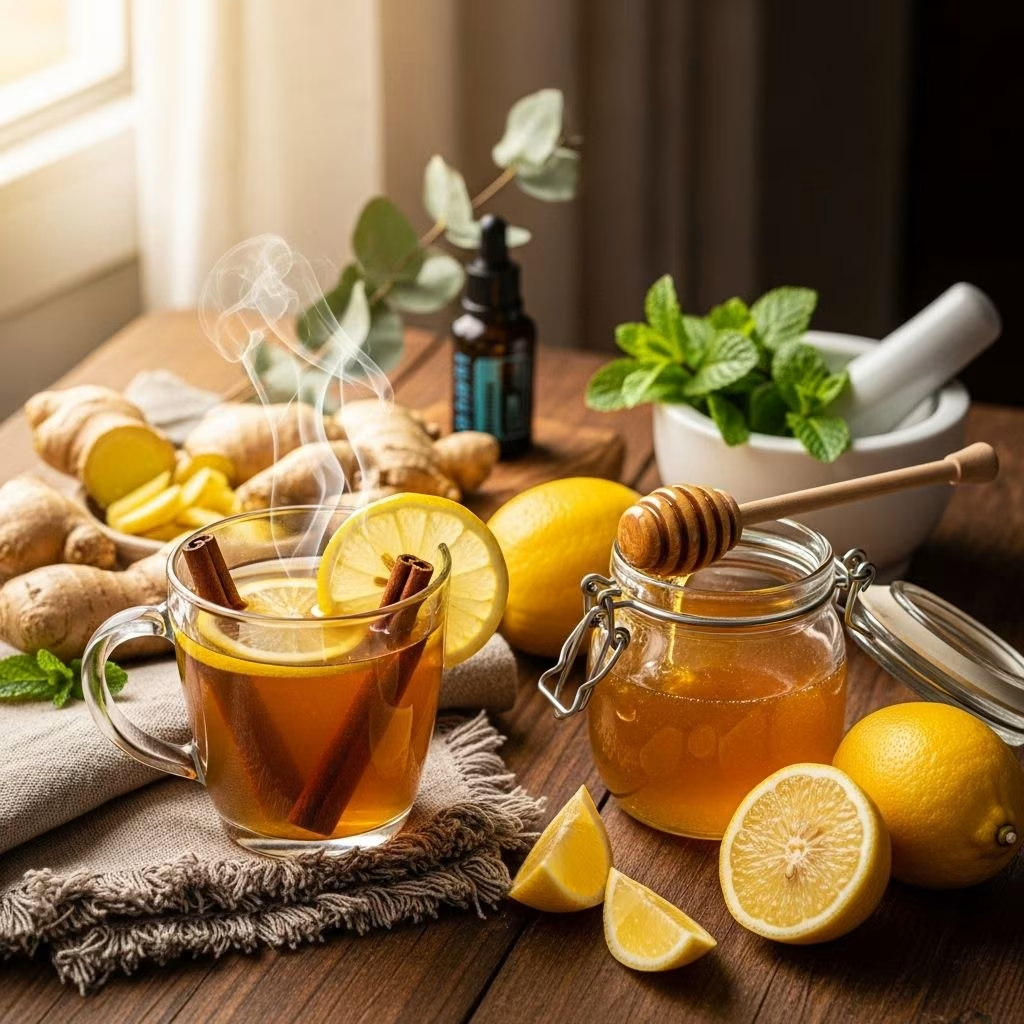
Natural Remedies for Sore Throat: Safe, Effective Relief at Home
A sore throat is a common symptom that can result from viral or bacterial infections, seasonal allergies, dry air, or even voice strain. While medication may sometimes be necessary, many people successfully find relief with natural remedies that are both safe and supported by scientific evidence. This guide outlines the leading natural options, their mechanisms, home preparation tips, and when to seek professional care.
Understanding the Sore Throat: Causes and Symptoms
A sore throat typically presents as pain, scratchiness, or irritation, especially noticeable when swallowing. Principal causes include:
- Viral infections (such as the common cold or flu, accounting for most cases)
- Bacterial infections (notably strep throat)
- Environmental irritants (smoke, dry air, pollutants)
- Allergies and post-nasal drip
Symptoms often include raw or scratchy sensations, swollen glands, hoarseness, and difficulty swallowing.
Top Natural Remedies for Sore Throat Relief
1. Honey and Lemon: Natural Soothers
- Honey coats mucous membranes, reducing throat irritation. Its antimicrobial properties can help control minor infections.
- Lemon contains vitamin C and helps break up mucus, soothing throat tissues.
Mix 1-2 tablespoons of honey and the juice of half a lemon in warm water. Sip slowly for relief. (Note: Never give honey to children under 1 year old due to botulism risk.)
2. Herbal Teas
- Chamomile tea: Has well-supported anti-inflammatory and antioxidant properties; may promote immune activity and reduce swelling.
- Peppermint tea: Contains menthol to soothe the throat, thin mucus, and provide a pleasant cooling effect.
- Marshmallow root tea: Contains mucilage, a gel-like substance that coats and soothes the throat lining, easing pain and irritation.
- Licorice root tea: Demonstrates strong antimicrobial activity and may specifically help combat bacteria causing strep throat.
- Slippery elm tea: Also rich in mucilage, it forms a comforting gel when steeped and is a traditional sore throat remedy.
To prepare, steep the chosen herb or tea bag in hot (not boiling) water for 5-10 minutes. Sweeten with honey if desired.
3. Warm Saltwater Gargle
Gargling with warm salt water can help reduce swelling, loosen mucus, and flush out irritants.
- Mix 1/2 teaspoon of salt in a glass of warm water.
- Gargle for 15-30 seconds, then spit out. Repeat several times daily.
This remedy is safe for older children and adults but should be avoided by young children who may swallow the mixture.
4. Apple Cider Vinegar (ACV) Elixir
Apple cider vinegar is a staple in folk medicine for sore throat relief, containing acetic acid, which may fight bacteria and viruses.
- Mix 1 tablespoon of ACV with a cup of warm water. Stir in 1 tablespoon of honey for taste and extra soothing power. Drink or gargle.
- Rinse mouth with plain water afterward to protect teeth from acid erosion.
5. Sage and Echinacea Throat Spray
Sage is known for anti-inflammatory and antiseptic properties, while echinacea supports immune function. Combined as a homemade spray, these herbs may provide relief comparable to conventional sore-throat sprays.
DIY Sage-Echinacea Spray Recipe:
- 1 teaspoon ground sage
- 1 teaspoon ground echinacea
- 1/2 cup boiling water
Steep the herbs in the hot water for 30 minutes, strain, and allow to cool. For preservation, add 1/2 cup hard liquor if desired. Decant into a spray bottle and use as needed.
6. Fenugreek Tea
Fenugreek seeds and tea have demonstrated potential in reducing pain, combating bacteria, and providing anti-inflammatory effects. It also appears to act as an effective antifungal. However, pregnant women and people on certain heart medications should avoid fenugreek due to possible interactions.
Steep fenugreek seeds in hot water for several minutes. Strain and enjoy warm.
7. Garlic for Antimicrobial Support
Raw garlic contains allicin, a compound with antiviral and antibacterial properties, shown to reduce the frequency and duration of upper respiratory tract infections.
- Crush a raw clove and consume directly, or incorporate generously into meals.
- Garlic supplements are also available but consult a healthcare provider before use.
8. Humidify the Air
Dry air can worsen a sore throat. Using a humidifier or vaporizer helps maintain ideal room humidity, preventing dehydration of throat tissues.
- Keep humidity between 30–50% for optimal respiratory health.
- Clean devices regularly to prevent mold or bacteria growth.
9. Stay Hydrated
Adequate hydration is critical to keep mucous membranes moist and encourage healing.
- Drink plenty of water, herbal teas, broths, and diluted fruit juices.
- Avoid caffeinated and highly acidic drinks (e.g., coffee, sodas) as they may dehydrate.
10. Rest and Voice Care
Resting your body, and specifically your voice, aids in speedy recovery. Avoid whispering (which can strain vocal cords) and limit extended talking if possible.
Other Helpful Natural Approaches
- Throat lozenges or hard candies: Sucking on lozenges can stimulate saliva production, keeping the throat lubricated and reducing discomfort.
- Warm beverages: Chicken soup and clear broths not only soothe the throat but also provide hydration and essential nutrients. Avoid very hot liquids, which can aggravate swelling.
- Cool treats: Ice chips, popsicles, or cold yogurt may numb the throat’s pain signals momentarily.
- Steam inhalation: Carefully inhaling steam over a bowl of hot water may help relieve congestion and moisten throat tissues.
Table: Major Natural Remedies and Their Benefits
| Remedy | Primary Action | How to Use | Key Considerations |
|---|---|---|---|
| Honey & Lemon | Soothes, antimicrobial | Mix in warm water and drink | Honey NOT for age < 1 year |
| Chamomile Tea | Anti-inflammatory, immune support | Steep and drink warm | Safe generally |
| Peppermint | Cools, relieves congestion | Tea or diluted spray | Allergic reactions rare |
| Marshmallow Root | Coats throat, soothes irritation | Steep or make infusion | Generally safe |
| Saltwater Gargle | Reduces swelling | Gargle and spit | Not for very young children |
| Apple Cider Vinegar | Antimicrobial | Mix in water; drink or gargle | Rinse mouth post-use |
| Fenugreek | Reduces pain, antimicrobial | Tea or seeds | Not for pregnancy, some meds |
| Garlic | Antibacterial/antiviral | Eat raw or supplement | May cause breath odor |
Precautions and When to Seek Medical Advice
- Most sore throats will resolve within a week. However, prompt medical care is needed if you experience:
- Very high fever (>38.5°C or 101.3°F)
- Difficulty breathing or swallowing
- Drooling (especially in children)
- Severe pain or inability to eat/drink
- Persistent symptoms more than 7 days
- White patches or pus visible on tonsils
- Swelling in the neck or face
- Blood in saliva or phlegm
- Certain natural remedies (e.g., licorice root, fenugreek) can interact with medications or are contraindicated in pregnancy and lactation. Always consult a health professional if you have chronic conditions, take prescription drugs, or are pregnant/nursing.
- Never give honey to infants under 12 months old due to risk of infant botulism.
Frequently Asked Questions (FAQs)
Q: What causes a sore throat?
A: Most sore throats are caused by viral infections such as the common cold or flu, though bacteria like Streptococcus can also be responsible. Other causes include dry air, allergies, pollutants, or voice strain.
Q: Are natural remedies safe for everyone?
A: Many are safe for otherwise healthy adults, but some (like fenugreek, licorice root, and honey for infants) have specific warnings or interactions. Always review your options with a healthcare provider if you are pregnant, nursing, have chronic illnesses, or take regular medication.
Q: Can I use multiple natural remedies at the same time?
A: Yes, most people can combine safe remedies, such as drinking herbal teas, honey-lemon water, and using a humidifier. However, avoid excessive or overlapping herbal supplements unless prescribed, to minimize risks of interactions or side effects.
Q: When should I see a doctor for a sore throat?
A: Seek urgent medical attention for severe pain, high fever, difficulty swallowing or breathing, drooling, persistent or recurring symptoms, or if you see white patches or pus in the throat.
Q: Do home remedies cure strep throat?
A: No—strep throat is caused by bacteria and usually requires antibiotics for full resolution. While natural remedies may alleviate symptoms, always seek medical evaluation if strep is suspected for diagnosis and proper treatment.
Summary: Integrating Natural Remedies and Professional Care
Sore throats are uncomfortable but often manageable at home with evidence-informed natural remedies such as honey, herbal teas, saltwater gargles, and rest. Use safe, time-tested approaches in combination with healthy hydration and environment for optimal relief. If severe symptoms or complications arise, consult your healthcare provider promptly.
References
- https://www.healthline.com/health/cold-flu/sore-throat-natural-remedies
- https://pennstatehealthnews.org/2023/12/the-medical-minute-five-home-remedies-can-soothe-your-sore-throat/
- https://www.medicalnewstoday.com/articles/318631
- https://greaterknoxent.com/sore-throat-relief-home-remedies-when-to-seek-professional-help/
- https://www.uchicagomedicineadventhealth.org/blog/sore-throat-remedies-whole-family
- https://www.uclahealth.org/news/article/hot-sauce-and-other-home-remedies-for-a-sore-throat
- https://www.mayoclinic.org/diseases-conditions/sore-throat/diagnosis-treatment/drc-20351640
- https://www.franciscanhealth.org/community/blog/home-remedies-for-a-sore-throat
- https://my.clevelandclinic.org/health/diseases/8274-sore-throat-pharyngitis
- https://www.mayoclinic.org/diseases-conditions/common-cold/in-depth/cold-remedies/art-20046403


