


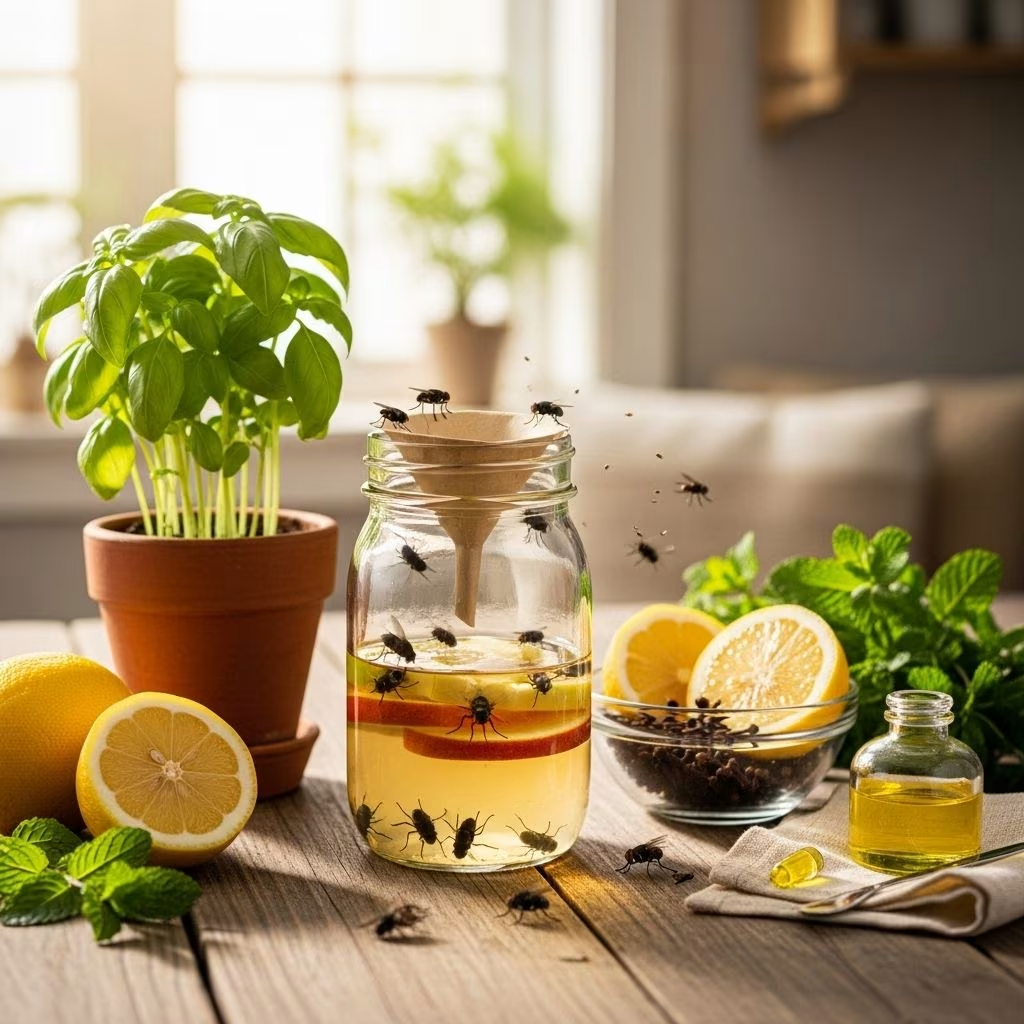
Flies can infiltrate any home, particularly during warm seasons. Besides being annoying, they can also carry bacteria and contaminate surfaces and food. Instead of resorting to chemical sprays or commercial pesticides, you can leverage safe, effective, and natural home remedies to banish flies from your living spaces. This guide walks you through the most proven home-based methods, provides tips on long-term prevention, and answers common questions to help you maintain a fly-free environment without harsh chemicals.
Understanding Flies: Why They Invade Homes
Common types of flies that may invade your home include houseflies, fruit flies, drain flies, and gnats. These pests are drawn by:
- Food scraps and overripe fruit
- Sugary liquids, juice spills, and uncovered drinks
- Waste, garbage bins, and compost
- Moisture from drains or water leaks
By understanding what attracts flies, you can both target immediate infestations and prevent future ones.
DIY Natural Fly Traps
Homemade fly traps offer an effective, pesticide-free solution for catching and reducing fly populations. Here are the most successful types:
1. Apple Cider Vinegar and Dish Soap Trap
- Pour 1 cup of apple cider vinegar into a jar or glass.
- Add a few drops of dish soap and a pinch of sugar.
- Cover the opening with plastic wrap and secure it with a rubber band.
- Poke small holes in the top; place the trap near fly-prone areas.
Flies are irresistibly drawn to the sweet scent of vinegar and sugar. Upon entering the trap, the dish soap breaks surface tension, causing them to sink and drown.
Best for: Fruit flies, gnats, and houseflies.
2. Sugar and Yeast Bottle Trap
- Cut a plastic bottle in half; invert the top half to form a funnel.
- Mix ½ cup warm water, ¼ cup sugar, and 1 teaspoon yeast in the bottom.
- Tape the halves together and set the trap outdoors near doors or windows.
Yeast and sugar generate carbon dioxide, mimicking the gases flies hunt for, luring them inside where they are trapped.
Best for: Houseflies, outdoor fly control.
3. Rotten Fruit Jar Trap
- Place a piece of overripe or rotting fruit in a jar.
- Cover the jar with perforated plastic wrap or poke holes in the lid.
Flies enter seeking the fruit but become trapped. Discard the trap daily to prevent breeding.
4. Sticky Traps
- Buy sticky fly papers or make your own using strips of paper coated with honey or corn syrup.
- Hang or place near windows, trash bins, or food prep areas.
Sticky traps provide passive but effective fly control for busy areas.
Best for: Kitchen, entryways, or garbage zones.
5. Candle and Water Trap
- Place a candle in a shallow dish partially filled with water.
- Darken the room and light the candle at night.
- Flies are attracted to the flame, fall into the water, and drown.
Always use caution and never leave burning candles unattended.
| Trap Type | Best For | Key Ingredients |
|---|---|---|
| Vinegar-Dish Soap Trap | Indoor Fruit Flies, Gnats | Vinegar, Dish Soap, Sugar |
| Sugar-Yeast Bottle Trap | Outdoor Houseflies | Sugar, Yeast, Plastic Bottle |
| Rotten Fruit Jar Trap | Fruit Flies | Rotten Fruit, Jar, Plastic Wrap |
| Sticky Paper Trap | General Fly Control | Sticky Paper, Honey/Glue |
| Candle-Water Trap | Evening Control | Candle, Water, Dish |
Homemade Natural Fly Repellents
If you need to ward flies off, rather than trap or kill them, try these homemade repellents with ingredients you likely already have:
1. Essential Oil Spray Repellents
Many essential oils deter flies, including:
- Lavender oil
- Peppermint oil
- Eucalyptus oil
- Lemongrass oil
Recipe for spray:
- Combine 10 drops of desired essential oil with 1 cup of water in a spray bottle.
- Shake well and spray around doors, windows, and entry points.
2. Vinegar, Baking Soda, and Dish Soap Spray
- Mix 1 tablespoon vinegar, 1 tablespoon baking soda, and a few drops of dish soap into a cup of water.
- Spray in fly-prone areas to both repel and kill flies on contact.
3. Cayenne Pepper Spray
- Add 1 tablespoon cayenne pepper to 2 cups hot water.
- Let steep for 20 minutes, then pour into a spray bottle.
- Spray around doors, windows, and trash areas—but avoid using directly on food or surfaces touched by pets and children.
4. Orange Peel Sachets
- Scatter fresh orange or citrus peels near windows, kitchen countertops, or fruit baskets.
- Alternatively, dry the peels, place them in muslin bags, and hang in common fly entryways.
The natural oils released repel flies and provide a fresh scent.
5. Citronella Candles and Fans
- Place citronella candles near doorways and windows, especially during summer.
- Combine with a small fan to spread the scent across entry spaces.
Citronella is known to disturb a fly’s sense of smell, creating a protective barrier.
Herbs and Plants That Repel Flies
Incorporating certain plants and herbs in your garden or indoor spaces can deter flies naturally. Here are the best fly-repellent plants:
- Basil: Easy to grow on windowsills and deters both houseflies and fruit flies.
- Lavender: Plant near windows or doorways; its fragrance is unappealing to flies but pleasant to humans.
- Mint: Use in pots outdoors or indoors. Crushed mint leaves can intensify the effect.
- Marigold: Known not only for repelling flies but also mosquitoes and other garden pests.
- Rosemary: Functions as an indoor herb and outdoor garden border fly deterrent.
- Parsley: Helps repel flies when planted with other herbs near kitchen windows.
- Venus Flytrap: These carnivorous plants actively lure and trap flies for nourishment and are effective in small infested areas.
Strategically placing these herbs near entry points or in kitchens can provide ongoing, natural defense against invading flies.
Fly Prevention Tips for a Clean Home
Effective fly control hinges on cleanliness and reducing attractants. The following tips will help keep your home and yard fly-free:
- Keep food containers sealed and refrigerate ripe fruits.
- Empty trash cans daily and always use lids.
- Clean pet food dishes and remove uneaten food promptly.
- Wipe up spills, especially sweet beverages, immediately.
- Ensure screens are intact on windows and doors.
- Dry up moisture or standing water—flies are attracted to damp places.
- Flush drains weekly with hot water and diluted bleach if flies persist around sinks.
- Compost bins should be placed far from entryways and covered tightly.
Frequently Asked Questions (FAQs)
Q: Why do I suddenly have so many flies in my house?
A: Often, an increase in houseflies indicates an available food source or breeding ground nearby, such as rotting fruit, exposed garbage, or decaying organic matter. Address these attractants to quickly reduce fly populations.
Q: Are home remedies really as effective as chemical fly sprays?
A: Many DIY traps and natural repellents can dramatically reduce fly populations when combined with good hygiene. Their efficacy improves with consistency. For severe or persistent infestations, commercial products may offer faster results, but natural solutions are safer for families, pets, and the environment.
Q: How often should I replace homemade fly traps?
A: Change traps every two to three days, or sooner if they become full or lose effectiveness. Prompt disposal ensures you don’t inadvertently provide breeding sites.
Q: Do essential oils harm pets or children?
A: Most essential oil sprays are safe in diluted form, but some (like tea tree oil) can harm pets if ingested or applied directly to skin. Always use sprays in well-ventilated areas, avoid direct contact with pets and kids, and research each oil for safety.
Q: Can flies breed in drains, and what should I do?
A: Yes. Drain flies can breed in kitchen or bathroom drains where debris and moisture accumulate. Flush drains with hot water weekly, and as needed, pour a cup of diluted bleach or baking soda with vinegar down the drain to eliminate larvae and odors.
Q: Are Venus flytraps a practical solution for indoor fly control?
A: They can help control small numbers of flies but are not a substitute for trapping and prevention in larger infestations. Venus flytraps also need sunlight and periodic feeding for best results.
Q: Are there any smells that naturally deter flies?
A: Scents like lavender, peppermint, eucalyptus, lemongrass, and citrus peel naturally deter flies. Incorporate these via essential oil sprays, sachets, or fresh plants to help keep flies out.
Conclusion
Getting rid of flies doesn’t require toxic chemicals or complicated tools. Combining proven home remedies—like DIY vinegar and sugar traps, essential oil sprays, strategic use of fly-repellent plants, and good housekeeping—offers a comprehensive, safe approach to fly management. Persistence and consistency are key: remove attractants, deploy traps, fortify your home with natural repellents, and you’ll enjoy a more pleasant, healthy, and fly-free living space.
References
- https://sophiascleaning.com/get-rid-of-flies/
- https://www.medicinenet.com/what_scent_will_keep_flies_away/article.htm
- https://www.healthline.com/health/how-to-get-rid-of-house-flies
- https://www.youtube.com/watch?v=djGWkZA7ghQ
- https://www.goodhousekeeping.com/home/craft-ideas/a32700598/best-homemade-fly-trap/
- https://www.prevention.com/life/a33235104/how-to-get-rid-of-flies-house/


