


\n\n
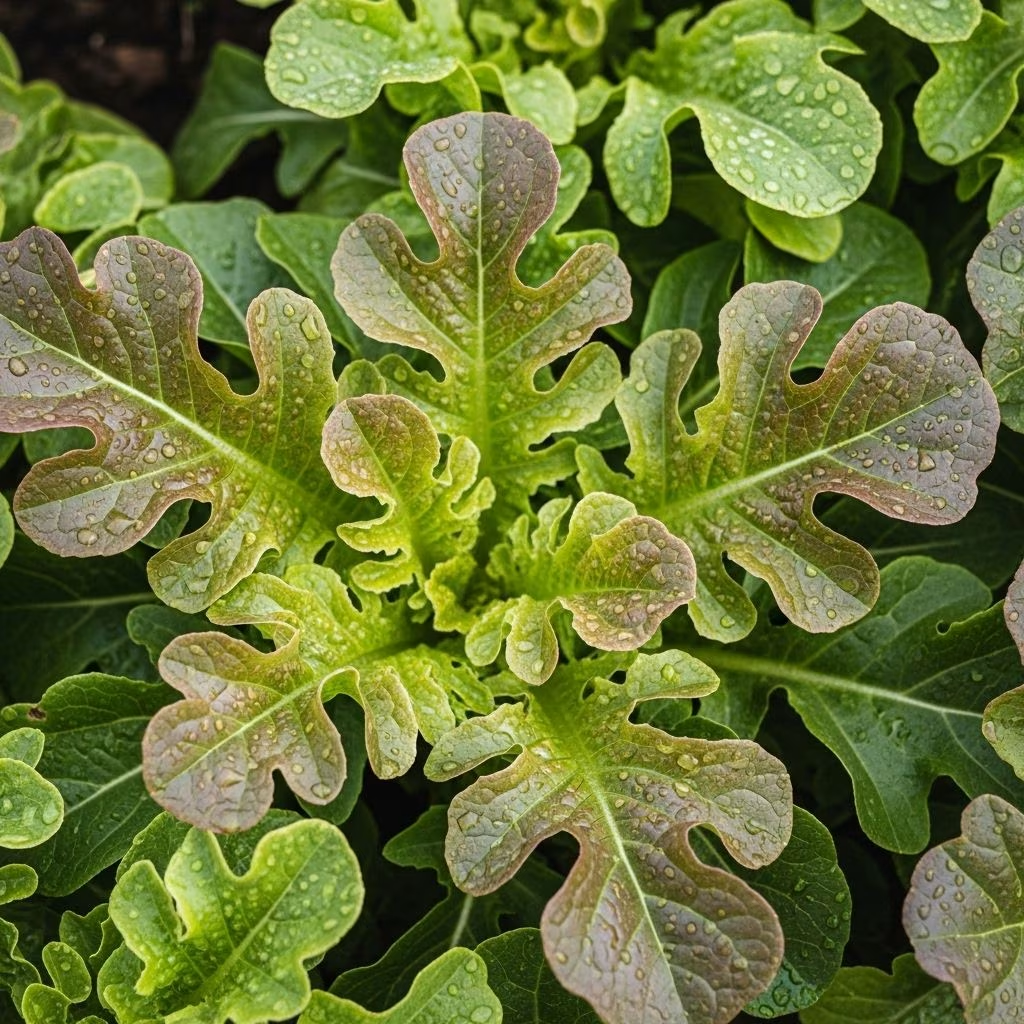
Oakleaf lettuce, with its unique shape and mild sweetness, is a favorite among both garden enthusiasts and culinary professionals. This guide will immerse you in everything you need to know about oakleaf lettuce—from its fascinating history and nutritional benefits to its uses in the kitchen and appeal on the palate.
\n\n
Table of Contents
\n
- \n
- What Is Oakleaf Lettuce?
- Origin and History
- Botanical Characteristics and Description
- Varieties of Oakleaf Lettuce
- Nutritional Benefits of Oakleaf Lettuce
- Potential Health Benefits
- Taste and Flavor Profile
- Culinary Uses of Oakleaf Lettuce
- How to Grow Oakleaf Lettuce
- Storage and Handling Tips
- Frequently Asked Questions (FAQs)
\n
\n
\n
\n
\n
\n
\n
\n
\n
\n
\n
\n\n
What Is Oakleaf Lettuce?
\n
Oakleaf lettuce (Lactuca sativa) is a leafy green vegetable distinguished by its deeply lobed leaves, which closely resemble the shape of oak tree leaves. This visually distinctive lettuce is widely appreciated for its mild, sweet, and slightly nutty flavor as well as its tender, buttery texture. Belonging to the leaf lettuce group within the Asteraceae family, oakleaf varieties are commonly grown for their ornamental beauty and culinary versatility.
\n\n
Origin and History
\n
Oakleaf lettuce boasts a long and rich history. Its first cultivation is credited to Italy during Roman times, with evidence indicating it was a staple in European diets for centuries before spreading globally. In particular, French farmers popularized the green oakleaf type. The eye-catching similarity of oakleaf lettuce leaves to the mature leaves of an oak tree is what inspired its descriptive name. Today, oakleaf lettuce enjoys worldwide popularity and is often found in both fresh and prepared forms.
\n\n
Botanical Characteristics and Description
\n
- \n
- Leaf Shape: Deeply lobed and ruffled, resembling oak tree leaves.
- Colors: Commonly vivid green or deep burgundy-red (red oakleaf), with some varieties displaying both hues.
- Growth Habit: Forms a loose rosette rather than a tight head. Leaves grow outward and upward in a semi-tight cluster.
- Size: Leaves typically measure 5–15 cm (2–6 inches) long and 3–8 cm (1–3 inches) wide. Whole plants may reach up to 30 cm (12 inches) in height.
- Texture: Buttery, tender, and crisp when fresh. Texture may become wilted and soft when cooked.
\n
\n
\n
\n
\n
\n\n
Within the wide spectrum of leafy lettuces, oakleaf is classified under the leaf category. Botanically, it is a cultivar of Lactuca sativa and shares a close relationship with other types like butterhead, romaine, and crisphead lettuces.
\n\n
Varieties of Oakleaf Lettuce
\n
- \n
- Green Oakleaf: Bright green, deeply lobed leaves; mild, buttery, and slightly nutty flavor.
- Red Oakleaf: Similar lobed appearance but with striking burgundy to wine-red tones; known for its sweetness and delicate texture.
\n
\n
\n\n
Some seed catalogs and specialty markets may also offer heirloom or hybrid variants, each with unique shades, leaf shapes, and growing requirements. Both green and red forms may be enjoyed interchangeably in most dishes.
\n\n
Nutritional Benefits of Oakleaf Lettuce
\n
Despite its delicate appearance, oakleaf lettuce is a nutritional powerhouse. Here’s a snapshot of the typical nutritional components per 100 grams (raw):
\n\n
| Nutrient | Approximate Amount | Benefit |
|---|---|---|
| Calories | ~13 kcal | Low in energy, great for weight control |
| Water | ~95 g | Hydration |
| Vitamin A | 7400 IU | Eye health, immune function |
| Vitamin C | ~9 mg | Antioxidant, supports immune health |
| Vitamin K | ~126 mcg | Blood clotting, bone health |
| Folate | ~38 mcg | Cell division, supports pregnancy |
| Potassium | ~230 mg | Blood pressure regulation |
| Calcium | ~36 mg | Bone health |
| Fiber | ~1.1 g | Digestive health |
| Antioxidants | β-carotene, lutein, phenols | Protects cells, anti-inflammatory |
\n
Oakleaf lettuce is low in fat and sodium and virtually cholesterol-free—making it an excellent choice for healthy diets of all kinds.
\n\n
Potential Health Benefits
\n
- \n
- Antioxidant Protection: Oakleaf lettuce contains significant antioxidant compounds such as β-carotene, vitamin C, and phenols, which help neutralize free radicals and protect cells.
- Supports Immune System: The high vitamin A and C content helps boost immune function and may contribute to faster recovery from illnesses.
- Heart Health: Its fiber, potassium, and antioxidant compounds help lower cholesterol levels and regulate blood pressure.
- Anti-Inflammatory Effects: Laboratory studies indicate that the bioactive compounds present in oakleaf lettuce may inhibit inflammatory processes, potentially aiding in the prevention of chronic diseases.
- Blood Sugar Regulation: Dietary fiber and certain phytochemicals can support healthy blood glucose levels and may offer benefits for those at risk of diabetes.
- Weight Management: With high water content and minimal calories, it fills you up without contributing significantly to calorie intake.
- Digestive Aid: Oakleaf is mild on the digestive system, and its fiber content supports a healthy gut.
\n
\n
\n
\n
\n
\n
\n
\n\n
*Note: While oakleaf lettuce offers numerous health advantages, these benefits are best realized as part of a balanced diet rich in vegetables and whole foods.*
\n\n
Taste and Flavor Profile
\n
- \n
- Mild and Slightly Sweet: This is the signature characteristic that sets oakleaf lettuce apart.
- Buttery and Nutty Undertones: The leaves provide a gentle, almost buttery mouthfeel, occasionally infused with a nutty note, especially in green oakleaf.
- Lack of Bitterness: Oakleaf rarely becomes bitter, even in warmer climates—making it ideal for summer salads.
- Crisp and Delicate Texture: Young, freshly harvested leaves snap easily and deliver a subtle crunch. When mature or cooked, they transition to a soft, tender surface.
\n
\n
\n
\n
\n\n
Red oakleaf lettuce tends to have a slightly sweeter profile than the green variety but shares its signature delicacy and mild flavor. Both make excellent foundations for salads where the flavor of the lettuce complements rather than overwhelms other ingredients.
\n\n
Culinary Uses of Oakleaf Lettuce
\n
The mild, tender leaves of oakleaf lettuce are prized in a variety of culinary applications:
\n
- \n
- Salads: Use as a base or mix with other greens for attractive color and texture.
- Sandwiches and Wraps: The supple leaves make excellent sandwich fillings and can be wrapped around fillings for a low-carb option.
- Burgers, Tacos, and Burritos: Use in place of tortilla wraps for a fresh twist, or layer on top for crunch and moisture.
- Garnishes: The attractive leaf shape and color liven up platters and finished dishes.
- Cooking: Lightly sauté or stir-fry for use in warm salads, soups, and side dishes. Oakleaf wilts quickly and combines well with mild dressings and sauces.
- Decorative Platters: Lines of red and green oakleaf provide a vibrant edible accent to cheese or charcuterie boards.
\n
\n
\n
\n
\n
\n
\n\n
Oakleaf lettuce is best enjoyed fresh, as its delicate texture can break down quickly with prolonged heat or acid. To maximize flavor and nutritional content, consume soon after harvest.
\n\n
How to Grow Oakleaf Lettuce
\n
Oakleaf lettuce is an excellent choice for home gardeners, regardless of experience level.
\n
- \n
- Climate: Prefers cool weather but is more heat-tolerant than many other lettuces.
- Soil: Thrives in well-draining, fertile soil with a neutral pH. Consistent moisture ensures tender leaves.
- Planting: Sow seeds directly in the ground or in containers. Thin seedlings to allow space for loose rosettes to form.
- Harvesting: Pick outer leaves as soon as they reach usable size (2–6 inches long), or harvest the whole plant at maturity. Frequent harvesting encourages continued growth and delays bolting.
- Companion Planting & Rotation: Rotate crops regularly and avoid planting with closely related species to reduce pests and disease build-up.
\n
\n
\n
\n
\n
\n\n
Because of its shallow root system, oakleaf lettuce also performs well in raised beds and indoor planters. It can produce multiple harvests in a season with proper care.
\n\n
Storage and Handling Tips
\n
- \n
- Refrigerate: Store unwashed leaves in a loosely sealed bag with a paper towel in the vegetable crisper. Use within 3–5 days for optimal freshness.
- Prevent Wilting: Avoid crushing or overcrowding. Excess moisture may accelerate decay; dry leaves gently before storing.
- Wash Before Use: Rinse under cool water to remove soil or debris. Gently pat dry with a clean towel or use a salad spinner.
- Avoid Freezing: Freezing damages the delicate cell structure and is not recommended for fresh eating.
\n
\n
\n
\n
\n\n
Frequently Asked Questions (FAQs)
\n
Q: What makes oakleaf lettuce different from other lettuces?
\n
A: Oakleaf lettuce features deeply lobed leaves resembling those of an oak tree and offers a mild, buttery, and nutty flavor that distinguishes it from more robust or bitter lettuce types.
\n\n
Q: Is oakleaf lettuce good for people with sensitive digestion?
\n
A: Yes. It is widely considered easy on the digestive system due to its tender fiber and is often used in Europe for its gentle, diuretic properties.
\n\n
Q: Can oakleaf lettuce be used in cooked dishes?
\n
A: Absolutely. Oakleaf lettuce can be lightly sautéed or added at the end of soup and stir-fry dishes for a subtle flavor and wilted texture. However, it is best used fresh to preserve its crispness and nutritional value.
\n\n
Q: What are the primary nutrients in oakleaf lettuce?
\n
A: Oakleaf lettuce is rich in vitamins A, C, and K, as well as folate, calcium, potassium, and various antioxidant micronutrients, making it an excellent addition to a balanced diet.
\n\n
Q: How does oakleaf lettuce grow compared to lettuce head types?
\n
A: Oakleaf forms loose, open rosettes as opposed to the tight heads of crisphead or butterhead lettuces, allowing easy harvesting of individual leaves and ongoing regrowth throughout the season.
\n\n
Final Thoughts
\n
Oakleaf lettuce blends a unique appearance, a gentle nutty-sweet taste, and impressive nutritional value. Whether you enjoy it as a fresh salad base, an eye-catching garnish, or a home garden staple, this ancient yet enduring green is sure to become a favorite ingredient in your kitchen and beyond.
References
- https://gardenersmag.com/oak-leaf-lettuce/
- https://organorepublic.com/blogs/growing-guides/lettuce-oakleaf-green
- https://specialtyproduce.com/produce/Green_Oak_Leaf_Lettuce_13525.php
- https://www.aprifel.com/en/nutritional-sheet/oak-leaf-lettuce/
- https://specialtyproduce.com/produce/Red_Oak_Leaf_Lettuce_13459.php
- https://www.harvesting-history.com/product/oak-leaf/
- https://www.ufseeds.com/vegetables/lettuce/oak-leaf-lettuce
- https://stores.southgaseedco.com/oakleaf-lettuce-seeds-qty-500/


