


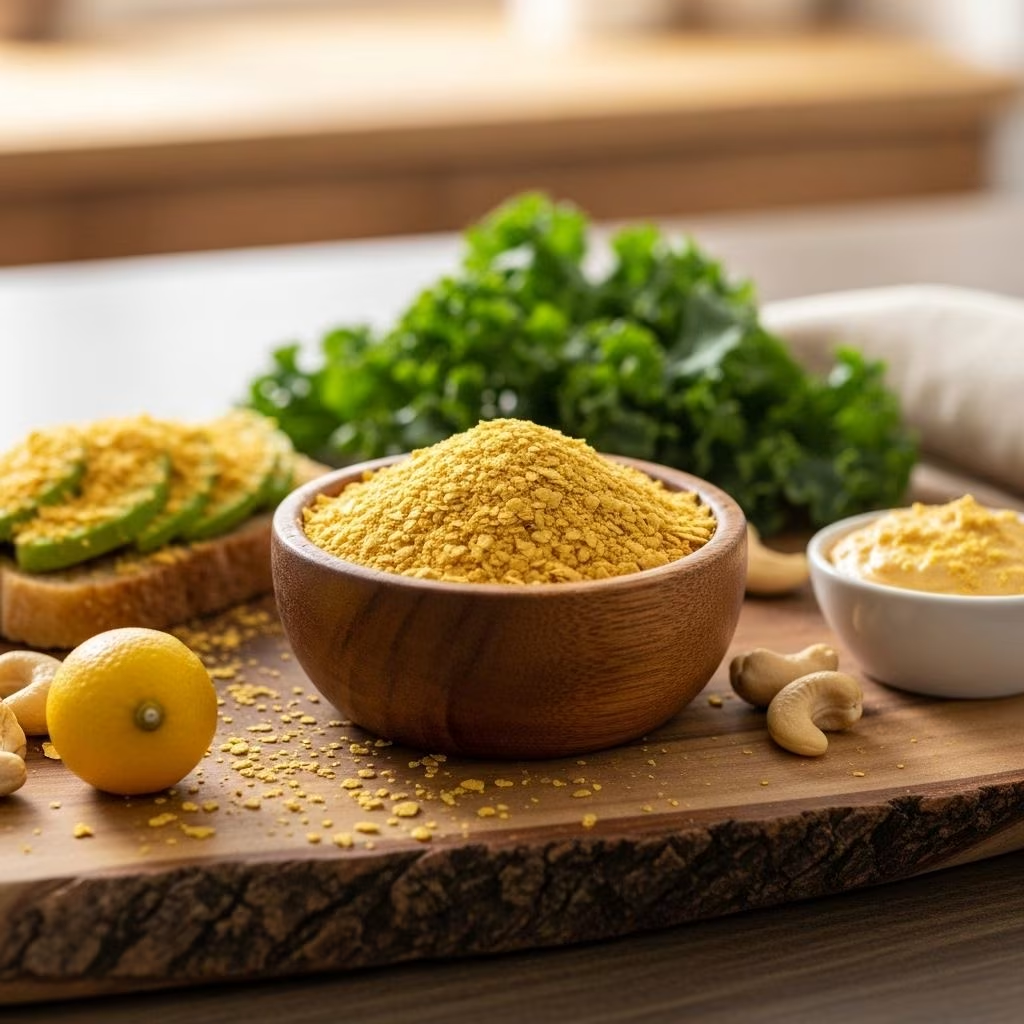
Nutritional yeast—sometimes referred to as “nooch”—has surged in popularity as a versatile ingredient in healthy, plant-based cooking. Packed with nutrients and imparting a unique flavor profile, it is widely recognized for its numerous health benefits and culinary uses. This guide offers a comprehensive look at nutritional yeast: what it is, its nutritional highlights, health advantages, how you can use it in your kitchen, and the intriguing taste that sets it apart.
What Is Nutritional Yeast?
Nutritional yeast is a deactivated yeast, typically a strain of Saccharomyces cerevisiae, grown specifically as a food product. Unlike baking yeast or brewer’s yeast, nutritional yeast is heated and dried, rendering it inactive and unable to leaven foods. It is cultivated on a sugar-rich medium such as molasses or sugar beets, then harvested, washed, pasteurized, dried, and crumbled into flakes or powder. This process ensures it is safe to eat and preserves its rich nutritional content.
Nutritional yeast is vegan, typically gluten-free, and a popular ingredient among those seeking a plant-based or dairy-free option for cheesy flavor in their meals.
Nutritional Profile of Nutritional Yeast
Nutritional yeast is celebrated for its impressive array of vitamins, minerals, and protein. While unfortified forms provide natural nutrients, most commercial products are fortified, enhancing their value further. The exact profile may vary by brand, but typical nutritional yeast offers the following per 1-tablespoon (5g) serving:
| Nutrient | Approximate Content (per 1 Tbsp, fortified) |
|---|---|
| Calories | 20 |
| Protein | 2–3g |
| Fiber | 1–2g |
| Vitamin B12 | 100–600% DV* |
| Other B Vitamins (thiamin, riboflavin, niacin, B6, folate) | 100–600% DV* |
| Potassium | ~80mg |
| Zinc | 5–10% DV* |
| Iron | 2–8% DV* |
*DV: Daily Value, depends on brand and fortification.
- Complete protein: Contains all nine essential amino acids.
- High in B vitamins: Especially valuable for vegans and vegetarians at risk of vitamin B12 deficiency.
- Rich in fiber and antioxidants: Particularly beta-glucans and polyphenols.
Health Benefits of Nutritional Yeast
Nutritional yeast is more than just a flavoring ingredient—it is a powerhouse of nutrients that can contribute to overall well-being when included as part of a balanced diet. Here are the main science-backed benefits:
1. Supports Energy Production
Fortified nutritional yeast is an excellent source of B vitamins, including vitamin B12, which are vital for converting carbohydrates into energy. These water-soluble vitamins must be obtained daily from food, and a deficiency—especially in B12—can lead to fatigue and anemia, particularly in plant-based diets.
2. Promotes Heart Health
Potassium present in nutritional yeast helps regulate blood pressure, a key factor in reducing the risk of heart disease and stroke. Beta-glucans—a dietary fiber—have also been shown to lower cholesterol and improve heart health markers.
3. Enhances Immune Function
Nutritional yeast contains beta-glucans and alpha-mannan, unique fibers that have been shown to boost immune response, support the body’s defense system, and may reduce the frequency and severity of colds.
4. Aids Digestive Health
The fiber in nutritional yeast acts as a prebiotic, nourishing beneficial gut bacteria and promoting healthy, regular digestion. This can also help lower inflammation and may reduce the risk of certain gut-related diseases.
5. Supports Antioxidant Defenses
Nutritional yeast is rich in antioxidants, such as polyphenols, zinc, and beta-glucans, which help counteract oxidative stress and potentially reduce the risk of chronic diseases like cancer and diabetes.
6. High-Quality Vegan Protein Source
With 2–3g of protein per tablespoon and a complete amino acid profile, nutritional yeast is an excellent plant-based protein for vegetarians and vegans.
- Helps bridge dietary gaps: Especially for those on vegan, vegetarian, or restrictive diets.
- Rich in minerals: Offers iron, zinc, magnesium, and selenium, though not always in large amounts.
How to Use Nutritional Yeast
Nutritional yeast stands out as a versatile kitchen ingredient that enhances flavor and nutrition in various dishes. Below are some of the most popular and creative ways to use it:
- Sprinkled on popcorn: Adds a cheesy, savory taste without dairy.
- Mixed into pasta and risotto: Offers an umami boost similar to grated Parmesan.
- Blended into sauces and dips: Thickens and enriches vegan cheese sauces, creamy dressings, and hummus.
- Added to soups and stews: Enhances depth of flavor.
- Mashed into potatoes or grains: Provides a nutritional and flavorsome twist.
- Baked into savory snacks: Infuses crackers, kale chips, or roasted nuts with cheesy appeal.
An important note: nutritional yeast is sensitive to heat. For maximum nutrition preservation, add it toward the end of cooking or use as a finishing sprinkle.
Flavor and Taste: What Does Nutritional Yeast Taste Like?
The flavor of nutritional yeast is often described as nutty, cheesy, savory, and slightly tangy. Its characteristic umami taste is attributed to the presence of compounds like glutamic acid, similar to those found in aged cheese. Thanks to its fermentation process, its unique profile can impart a creamy, satisfying depth to otherwise bland foods.
- Cheese alternative: Adds cheesy notes to vegan or dairy-free dishes.
- Versatility: Complements a wide range of recipes, from breakfast scrambles to popcorn.
- Flavor enhancer: A great way to add complexity to sauces, soups, and everything in between.
Some individuals may notice a slightly bitter aftertaste if nutritional yeast is heated too much or used in large quantities, so starting with a small amount is advisable.
Is Nutritional Yeast Safe? Potential Side Effects and Precautions
For most people, nutritional yeast is safe when consumed in typical amounts (1–2 tablespoons per day). However, there are a few considerations:
- Purine content: Nutritional yeast contains purines, which may not be suitable for those with gout or specific metabolic conditions.
- Possible allergies or sensitivities: Rare, but individuals with yeast sensitivities should be cautious.
- Digestive effects: Large quantities may cause bloating or gas due to its fiber content.
- Migraines: Some individuals may experience headaches or migraines, though this is uncommon.
- Sodium: Naturally low, but check for added salt in certain blends.
If you have any existing medical conditions or are on medications, especially for immune system issues, it’s wise to consult your healthcare provider before increasing your intake.
Comparing Nutritional Yeast to Other Yeasts
| Type of Yeast | Active? | Primary Use | Key Attributes |
|---|---|---|---|
| Nutritional Yeast | No | Flavoring, nutrition supplement | Deactivated, cheesy flavor, fortified with B vitamins |
| Baker’s Yeast | Yes | Bread, baked goods | Ferments sugars to help dough rise, not eaten as-is |
| Brewer’s Yeast | Varies (can be spent/deactivated) | Beer making, some supplements | Bitter flavor, less suitable as food topping |
Nutritional yeast is not the same as brewer’s or baker’s yeast and should not be substituted in recipes that require yeast for leavening or fermentation.
Frequently Asked Questions (FAQs)
Q: Is nutritional yeast a good source of vitamin B12 for vegans?
A: Yes, most commercial nutritional yeast is fortified with vitamin B12, making it a valuable resource for those on plant-based diets at risk of deficiency.
Q: Does nutritional yeast contain gluten or dairy?
A: No, nutritional yeast is naturally free of gluten and dairy. However, always check the packaging for possible cross-contamination if you have allergies or celiac disease.
Q: How much nutritional yeast should I eat per day?
A: 1–2 tablespoons per day is a typical serving. This amount provides substantial nutrition without overconsumption of fiber or B vitamins. Avoid very large doses, especially of fortified brands, to prevent excessive vitamin intake.
Q: Can children eat nutritional yeast?
A: Yes, it is generally considered safe for children and can help supplement B vitamins, but always introduce new foods gradually and consult your pediatrician if you have specific concerns.
Q: How should nutritional yeast be stored?
A: Store in a cool, dry place in an airtight container. Flakes can last several months if kept away from moisture and direct sunlight.
Q: Are there any people who should avoid nutritional yeast?
A: Those with yeast allergies, gout, or prone to certain headaches/migraines should consider avoiding or limiting intake. Always consult your healthcare provider if you have concerns.
Conclusion
Nutritional yeast is a nutrient-dense, flavorful ingredient that has earned praise among nutritionists, home cooks, and the plant-based food community. Its benefits range from boosting energy and immune health to providing a delicious cheese-like flavor in an entirely vegan form. Whether you are looking to fill in nutritional gaps, experiment with new flavors, or simply elevate the health profile of your meals, nutritional yeast is a pantry staple worth exploring.
As with any supplement or superfood, moderation and variety are key. Enjoy nutritional yeast as part of a balanced diet for optimal results and culinary satisfaction.
References
- https://www.seasonhealth.com/blog/nutritional-yeast-benefits-alternatives
- https://health.clevelandclinic.org/nutritional-yeast
- https://www.medicalnewstoday.com/articles/323245
- https://www.goodrx.com/well-being/diet-nutrition/nutritional-yeast-benefits-facts-use
- https://www.health.harvard.edu/nutrition/nutritional-yeast-does-this-savory-vegan-seasoning-pack-a-nutritional-punch
- https://www.webmd.com/diet/nutritional-yeast-good-for-you
- https://bulkfoods.com/blog/exploring-the-benefits-and-uses-of-nutritional-yeast-powder-vs-flakes-n2
- https://healthcenter.uga.edu/explore-the-store-nutritional-yeast/
- https://en.wikipedia.org/wiki/Nutritional_yeast


