


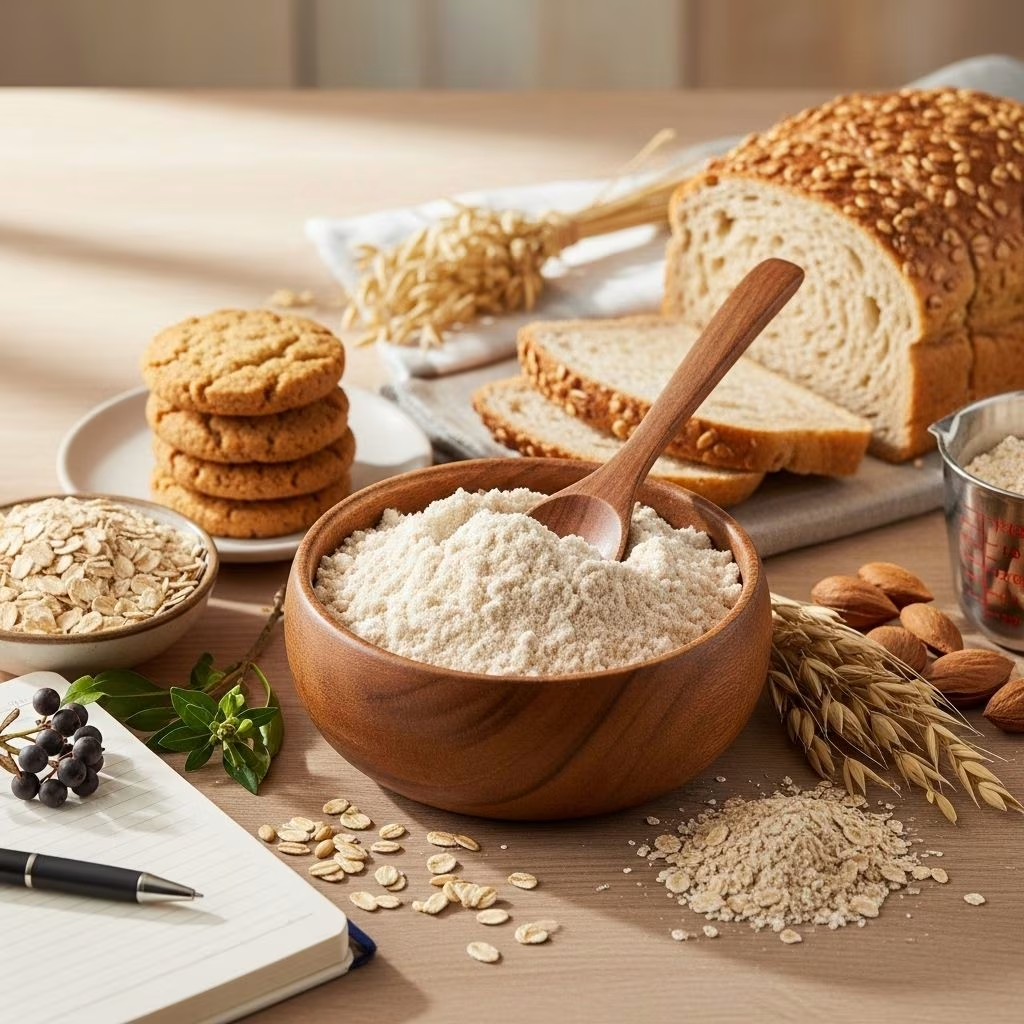
Oat Flour: Baking Uses, Substitutes & Nutrition
Oat flour has taken center stage in contemporary baking due to its impressive nutritional profile, gluten-free properties, and ability to deliver light, moist textures in a variety of recipes. Whether you’re a seasoned baker, a health-conscious eater, or someone managing dietary restrictions, understanding how to wield oat flour effectively can transform everyday cooking into wholesome artistry. This guide explores its baking uses, the best substitutes, its nutritional advantages, and practical tips, making it an essential resource for anyone curious about this flour’s versatility and health impact.
What is Oat Flour?
Oat flour is a finely-ground powder made from whole oats. It is naturally gluten-free if processed in facilities that avoid wheat contamination, making it suitable for people with celiac disease or gluten sensitivities. The flour boasts a slightly sweet, earthy flavor and soft, moist texture in baked goods. A common method for making oat flour at home involves processing rolled oats in a high-speed blender until the oats reach a uniform, powdery consistency .
- Base Ingredient: 100% whole oats.
- Flavors: Mild, slightly nutty, and lightly sweet.
- Type: Gluten-free, whole grain flour (when using certified gluten-free oats).
Baking Uses of Oat Flour
Oat flour finds its way into countless recipes, offering remarkable versatility in both sweet and savory applications. Its softness and absorbency lend cake-like textures to baked goods. Baked products using oat flour often exhibit a tender crumb, richer moisture retention, and pleasant flavor nuances.
Main Baking Applications
- Cakes & Muffins: Oat flour creates exceptionally fluffy cakes and moist muffins. It can replace all or part of wheat flour for lighter, gluten-free results .
- Pancakes & Waffles: Oat flour is the foundation of many gluten-free and vegan pancake or waffle recipes, offering excellent structure and a hearty taste .
- Cookies & Cookie Dough: Unique, tender oat flour cookies and edible cookie dough bites are popular among bakers seeking chewy textures and subtle sweetness .
- Bread: Oat flour yields dense, moist breads, adding fiber and nutritional value to traditional loaves .
- Granola Bars & Energy Bites: Used to bind and add texture to bars while increasing fiber and protein .
- Crumble Toppings: Perfect for fruit crisps, providing a toothsome, golden finish .
- Breakfast Cakes: Oat flour can be used to make single-serve breakfast cakes for a nutritious morning treat .
Sample Oat Flour Baking Recipe
Fluffy Oat Flour Cake: Blend oat flour with eggs, milk, yogurt, oil, sugars, cornstarch, leaveners, and spices. Let the mixture rest so oats absorb liquid, pour into a pan, and bake for a tender, moist cake .
Substituting Oat Flour: Alternatives & Tips
Oat flour’s absorbency, flavor, and density make it distinct from other whole grain flours. Substituting oat flour in recipes requires attention to moisture, structure, and texture outcomes.
Best Substitutes for Oat Flour
| Substitute | Features | How to Use |
|---|---|---|
| Whole Wheat Flour | High fiber, slightly denser, mild flavor | Replace 1:1 in hearty recipes; may need extra liquid |
| Almond Flour | Grain-free, nutty flavor, very moist | Use 1:1; reduce liquid, increase eggs for binding |
| Spelt Flour | Mild flavor, ancient grain, contains gluten | Substitute 1:1; adds chewiness |
| Coconut Flour | Highly absorbent, very high fiber | Use 1/4 coconut flour per 1 part oat, increase eggs/liquids |
| Brown Rice Flour | Gluten-free, neutral flavor | Use 1:1 in most recipes; may need binding agents |
Substitution Tips
- If substituting whole wheat, expect slightly denser outcomes and adjust liquids for moisture.
- Almond flour requires egg or binder adjustment for structure.
- Coconut flour absorbs more liquid; use sparingly and increase hydration.
- For gluten-free baking, blend oat flour with tapioca starch or arrowroot to aid texture and cohesiveness.
Nutritional Profile & Health Benefits
Oat flour is lauded for its nutritional density and health-promoting properties. A ¼ cup serving typically provides:
- Calories: ~120
- Protein: ~4g
- Carbohydrates: ~22g
- Fiber: ~3g
- Fat: ~2g
- Micronutrients: Manganese, phosphorus, magnesium, iron, zinc, B-vitamins
Health Benefits of Oat Flour
- High fiber content, especially beta-glucan soluble fiber, supports heart health, cholesterol management, and stable digestion.
- Rich in complex carbohydrates for steady energy release.
- Provides complete protein profile for muscle repair and satiety.
- Gluten-free (when certified), suitable for celiac and sensitive individuals.
- Low glycemic index, beneficial for blood sugar regulation.
- Contains antioxidants, vitamins, and minerals supporting immunity and metabolic health.
Oat Flour in Special Diets
Oat flour’s functionally diverse nature makes it a valuable staple in various dietary plans.
- Gluten-Free Diets: Crucially, only use certified gluten-free oat flour to avoid contamination .
- Vegan & Dairy-Free Baking: Works well in vegan pancake and waffle recipes, pairing easily with plant milks and egg substitutes .
- Low GI, Heart-Healthy Diets: The beta-glucan fiber helps in lowering cholesterol and maintaining healthy blood sugar levels.
- Whole Food Plant-Based: Oat flour can be home-made from rolled oats, aligning with minimally processed food guidelines.
How to Make Oat Flour at Home
Freshly-made oat flour adapts well to multiple baking needs and is cost-effective.
- Pour certified gluten-free rolled oats into a high-speed blender or food processor.
- Blend for 30-60 seconds until a fine, powdery flour results .
- Sift to ensure no coarse bits remain; store in airtight jars.
Tip: 1 cup rolled oats yields roughly 1 cup oat flour.
Expert Baking Tips with Oat Flour
- Rest the Batter: Let mixes sit before baking to allow oat flour to absorb moisture and improve crumb structure .
- Increase Leavening: Oat flour lacks gluten, so add more baking powder or soda for rise .
- Use Binders: Eggs, ground flaxseed, or chia gel help with cohesion in cakes and breads.
- Monitor Moisture: Oat flour retains water; avoid over-hydrating batters to prevent sogginess.
- Blend with Other Flours: Mix oat flour with rice, almond, or tapioca flour for best texture, especially in gluten-free recipes.
Popular Oat Flour Recipes
Oat Flour Pancakes (Vegan)
- 2 cups oat flour
- 2 cups plant milk
- 2 ripe bananas
- 2 tsp baking soda
Blend ingredients, rest, cook, and top with maple syrup and berries for a fluffy, nutritious breakfast .
Oat Flour Cake
- Uses oat flour, eggs, milk, yogurt, oil, sugars, leavening agents, and cinnamon.
- Blender or bowl mixing methods available.
Produces a light, moist cake, ideal for gluten-free celebrations .
Breakfast Cakes
- Base: oat flour, baking powder, oat milk, egg, vanilla, cinnamon.
- Add-ins: peanut butter/chocolate chips, coconut/blueberries/almonds, or hazelnuts/cocoa.
Customize for flavor variety and bake as single-serve nutrient-packed cakes .
Edible Oat Flour Cookie Dough
- Mix oat flour, maple syrup, coconut oil, vanilla, and vegan chocolate chips.
- Form into balls for a safe, quick, vegan snack .
Frequently Asked Questions (FAQs)
Can I substitute all-purpose flour with oat flour in any recipe?
Oat flour works in many recipes, but for best results, substitute up to half and adjust liquids, as oat flour is more absorbent and lacks gluten for structure.
Is oat flour safe for celiacs?
Yes, but only if the label says ‘certified gluten-free,’ as regular oats are often contaminated with wheat during processing .
How do I keep baked goods moist when using oat flour?
Rest batters after mixing and increase leavening agents. Blender or bowl methods work well, and adding an extra egg or plant-based binder helps maintain moisture .
What are the best recipes for oat flour?
- Pancakes (vegan or traditional)
- Fluffy cakes for birthdays or snacks
- Moist muffins and breakfast cakes
- Homemade protein bars or energy bites
- Edible cookie dough for safe snacking
Are there nutrition advantages to oat flour?
Absolutely. Oat flour brings higher fiber, more protein, longer satiety, and cholesterol-lowering benefits compared to traditional white flours.
Key Takeaways & Best Practices
- Oat flour delivers moist, tender, gluten-free baked goods with enhanced fiber and flavor.
- Use certified gluten-free oats/flour for celiac safety.
- Combine with other gluten-free flours for optimal structure.
- Make oat flour at home for freshness, cost savings, and control over texture.
- Experiment with recipes—cakes, pancakes, breads, and snacks—all benefit from oat flour’s wholesome properties.
References
- https://www.mamagourmand.com/oat-flour-cake/
- https://thegreenloot.com/vegan-oat-flour-recipes/
- https://beamingbaker.com/easy-oat-flour-recipes/
- https://renatacollective.com/recipes/oat-flour-baked-breakfast-cakes
- https://bojongourmet.com/gluten-free-flour/oat-flour/
- https://www.quakeroats.com/cooking-and-recipes/by-ingredient/oat-flour-recipes
- https://eatwithclarity.com/category/ingredient/oat-flour/
- https://www.youtube.com/playlist?list=PLHccb2cbWtrgzg66BfemMx5_QECN_bSml


