


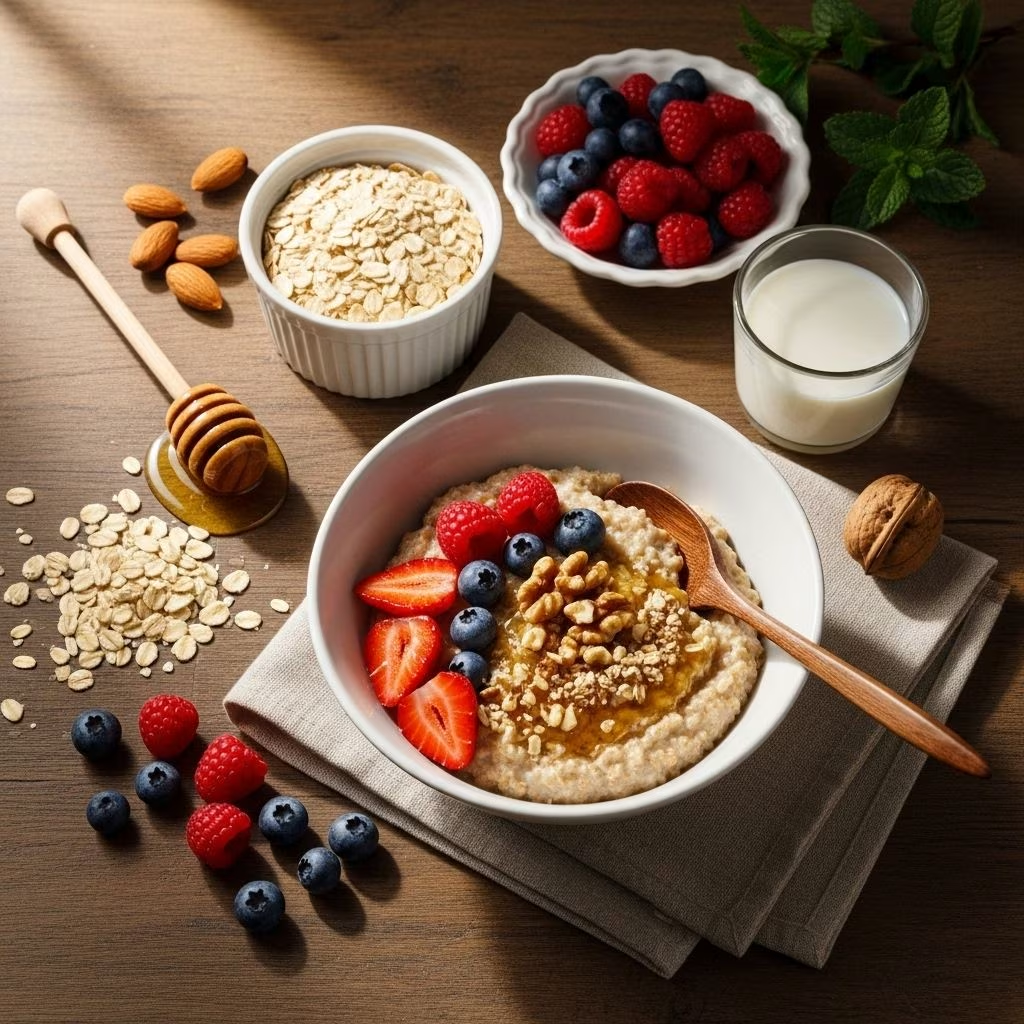
What Is Oat Bran?
Oat bran is the outer casing of the oat grain, separated during the milling process. Unlike oat flour or rolled oats, oat bran retains the majority of the grain’s fiber, particularly a soluble fiber called beta-glucan, which is responsible for many of its health benefits. While often overshadowed by steel-cut or rolled oats, oat bran is a nutritional powerhouse, offering more protein and fiber with fewer calories when compared to traditional oatmeal.
Oat bran is naturally gluten-free, but cross-contamination can occur during processing. People with celiac disease or gluten sensitivity should choose oat bran specifically labeled gluten-free.
Nutritional Profile of Oat Bran
Oat bran is packed with essential nutrients. Here’s a detailed look at the nutritional content per cup (94g) of raw oat bran:
| Nutrient | Amount per Cup (94g) | % Daily Value |
|---|---|---|
| Calories | 231 | |
| Protein | 16g | 29% |
| Carbohydrates | 62g | 23% |
| Fiber | 14g | 52% |
| Fat | 7g | 8% |
| Magnesium | 221mg | 53% |
| Phosphorus | 690mg | 99% |
| Iron | 5mg | 64% |
| Potassium | 532mg | 11% |
| Vitamin B1 (Thiamine) | 1mg | 92% |
| Manganese | 5mg | 230% |
| Sugar | 1g |
Oat bran also provides notable amounts of zinc, copper, selenium, riboflavin, pantothenic acid, folate, and vitamin B6, as well as small amounts of calcium, vitamin E, and vitamin K. Its low sugar content and high fiber make it an excellent choice for those seeking nutrient-dense foods.
Health Benefits of Oat Bran
Research has shown that regular consumption of oat bran offers a range of health benefits, primarily due to its unique nutritional composition, especially its high beta-glucan content.
Supports Heart Health
Beta-glucan, the soluble fiber in oat bran, binds to cholesterol-rich bile acids and removes them from the body. This can reduce circulating LDL (“bad”) cholesterol and total cholesterol, lowering the risk of heart disease. Studies suggest that consuming at least 3 grams of soluble fiber from oats daily can reduce LDL cholesterol by 5–10%.
Improves Blood Sugar Control
Oat bran’s soluble fiber slows down the digestion and absorption of carbohydrates, preventing rapid spikes in blood sugar. This makes it a good choice for individuals with diabetes or those looking to manage insulin sensitivity.
Promotes Digestive Health
The high dietary fiber content supports healthy digestion, helping to prevent constipation and promote regular bowel movements. Additionally, fiber acts as a prebiotic, feeding beneficial gut bacteria and supporting a healthy microbiome.
Aids in Weight Management
Oat bran is more filling than many other grains due to its fiber and protein content. It helps promote satiety, reducing overall calorie intake and supporting sustainable weight management.
Rich in Antioxidants
Oat bran contains antioxidants, including avenanthramides, which may help reduce inflammation and lower blood pressure. These compounds may also support vascular health.
Gluten Considerations
Oat bran is naturally gluten-free, but cross-contamination with gluten-containing grains is common. Those with celiac disease or gluten sensitivity should look for certified gluten-free oat bran.
Uses of Oat Bran in Cooking
Oat bran is incredibly versatile and can be used in both sweet and savory dishes. Here are some popular ways to incorporate it into your diet:
Breakfast Ideas
- Oat bran hot cereal: Cook oat bran with water or milk, add fruit, nuts, and a drizzle of honey or maple syrup for a warm, nutritious breakfast.
- Smoothie booster: Blend oat bran into your morning smoothie for added fiber and thickness.
- Oat bran pancakes or waffles: Substitute part of the flour with oat bran for a fiber-rich breakfast.
Baking and Cooking
- Breads and muffins: Replace up to 25% of the flour in recipes with oat bran for a healthier twist.
- Meatloaf or burger binder: Use oat bran as a binder in place of breadcrumbs for added nutrition.
- Soups and stews: Stir oat bran into soups or stews near the end of cooking for a thicker, heartier texture.
Snacks and Side Dishes
- Oat bran energy bars: Combine oat bran with nuts, seeds, and dried fruit for homemade energy bars.
- Yogurt parfait: Layer yogurt, fresh fruit, and oat bran for a crunchy, nutritious snack.
- Oat bran pilaf: Use oat bran as a base for savory dishes, cooked with vegetables and herbs.
Taste and Texture of Oat Bran
Oat bran has a mild, subtly nutty, and slightly sweet flavor. Its texture is creamy when cooked, but can be chewy if used raw in things like smoothies or energy bars. Unlike oatmeal, which can be somewhat bland, oat bran’s flavor is more pronounced, yet it still absorbs the taste of added ingredients like fruit, spices, or sweeteners. The grain’s outer layer gives it a pleasant mouthfeel, making it a satisfying addition to many dishes.
How to Include More Oat Bran in Your Diet
Incorporating oat bran into your diet is simple with a little creativity. Here are some tips:
- Gradual introduction: Start with small amounts to allow your digestive system to adjust to the increased fiber.
- Combine with other foods: Mix oat bran into yogurt, oatmeal, or smoothies for added texture and nutrition.
- Experiment with recipes: Try oat bran in baked goods, as a breading, or in homemade granola.
- Stay hydrated: Drink plenty of water when consuming high-fiber foods like oat bran to aid digestion.
Oat Bran vs. Other Oat Products
Understanding the differences between oat bran, rolled oats, steel-cut oats, and oat flour can help you choose the best option for your needs. Here’s a quick comparison:
| Oat Product | Main Feature | Best Uses | Texture/Flavor |
|---|---|---|---|
| Oat Bran | Outer husk, high in fiber and protein | Cereal, baking, toppings | Creamy, slightly nutty |
| Rolled Oats | Steamed and flattened groats | Oatmeal, granola, baking | Chewy, mild |
| Steel-Cut Oats | Chopped whole groats, less processed | Hearty cereal, porridge | Chewy, nutty |
| Oat Flour | Ground oats, minimal fiber | Baking, pancakes | Soft, mild |
Oat bran stands out for its exceptional fiber content, making it especially beneficial for heart and digestive health.
Risks and Considerations
While oat bran is safe for most people, there are a few considerations:
- Gluten cross-contamination: Oats are often processed alongside wheat, so look for certified gluten-free oat bran if needed.
- High fiber intake: Increasing fiber too quickly can cause digestive discomfort. Start with small portions and gradually increase intake while drinking plenty of water.
- Allergies: Although rare, some people may have an allergy to oats.
- Interactions with medications: The fiber in oat bran can affect the absorption of some medications. Consult a healthcare provider if you have concerns.
Frequently Asked Questions (FAQs)
Q: Is oat bran better than oatmeal?
A: Oat bran is higher in protein and fiber than rolled or instant oats, making it more nutrient-dense per serving. However, both are healthy choices and can be part of a balanced diet.
Q: How much oat bran should I eat per day?
A: Most people can safely consume up to 1/2 to 1 cup of oat bran per day. Start with smaller amounts to assess tolerance and increase gradually.
Q: Can oat bran help lower cholesterol?
A: Yes, the beta-glucan in oat bran can help reduce LDL cholesterol levels when consumed regularly as part of a heart-healthy diet.
Q: Is oat bran gluten-free?
A: Oat bran is naturally gluten-free, but cross-contamination is common. Look for certified gluten-free products if you have celiac disease or gluten sensitivity.
Q: What does oat bran taste like?
A: Oat bran has a mildly sweet, nutty flavor with a creamy, hearty texture when cooked. It pairs well with both sweet and savory ingredients.
Q: How do I store oat bran?
A: Store oat bran in an airtight container in a cool, dry place. For longer shelf life, keep it in the refrigerator or freezer.
Oat bran is a versatile, nutritious, and delicious addition to nearly any diet. Its unique combination of fiber, protein, vitamins, and minerals offers a wide array of health benefits, from supporting heart and digestive health to aiding in weight management and blood sugar control. Whether you enjoy it as a hot cereal, in baked goods, or as a crunchy topping, oat bran is an easy way to boost the nutrient content of your meals while enjoying a mild, satisfying flavor.
References
- https://www.healthline.com/nutrition/oat-bran
- https://www.eatthismuch.com/calories/oat-bran-4798
- https://www.urmc.rochester.edu/encyclopedia/content?contenttypeid=76&contentid=20033-1
- https://www.uhhospitals.org/health-information/health-and-wellness-library/article/nutritionfacts-v1/oat-bran-cooked-1-cup
- https://www.nutritionvalue.org/Oat_bran,_raw_nutritional_value.html
- https://www.cerealsgrains.org/resources/definitions/Pages/OatBran.aspx
- https://tools.myfooddata.com/nutrition-facts/168872/wt1


