


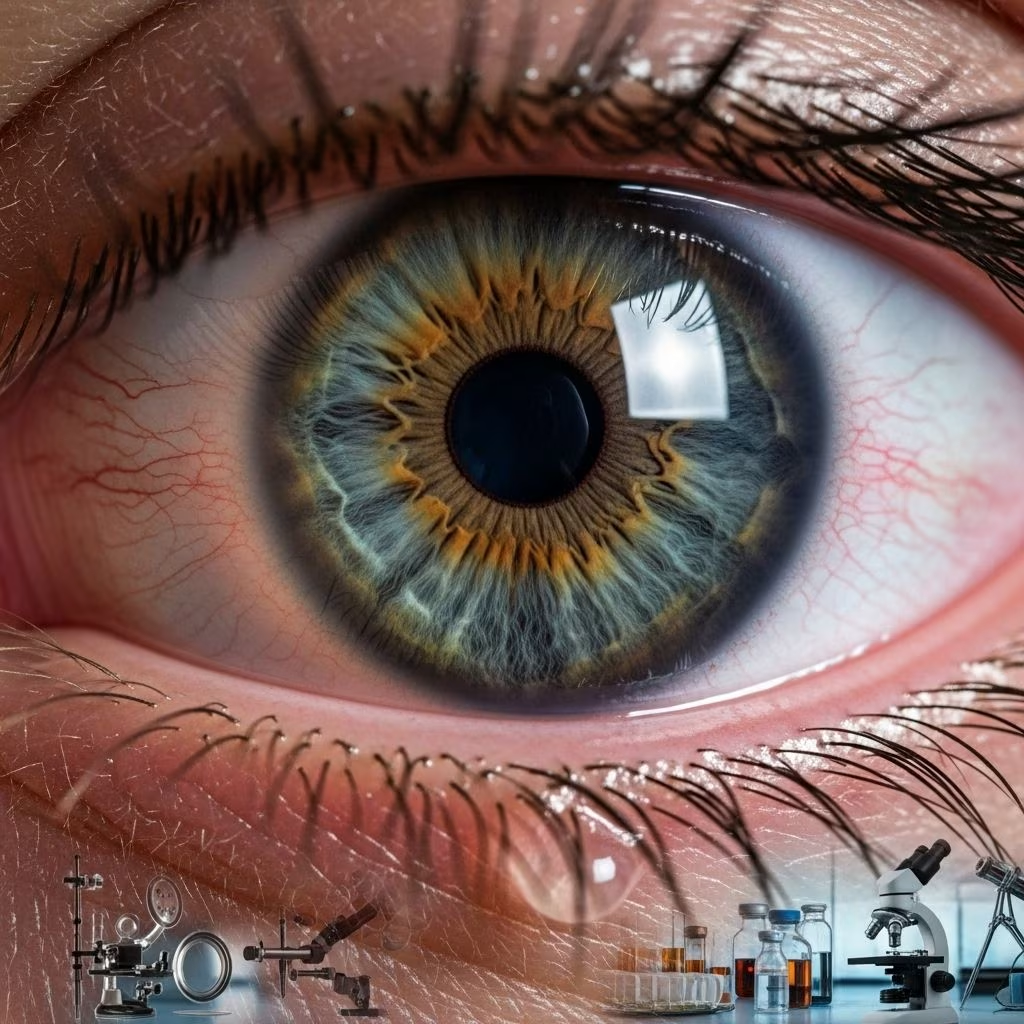
Understanding Ocular Allergies
Ocular allergies are common conditions that manifest as red, itchy, and watery eyes, often accompanied by a burning sensation and swollen eyelids. These symptoms can significantly impact an individual’s quality of life, especially during seasonal peaks of pollen release or exposure to allergens like dust mites and pet dander.
Common Triggers
- Pollen: Seasonal variations in pollen counts can trigger severe allergic reactions in susceptible individuals.
- Dust Mites: These tiny organisms thrive in bedding and carpets, causing allergic reactions when their waste products become airborne.
- Pet Dander: Proteins in the skin and saliva of pets can cause allergic reactions in some people.
- Mold Spores: Found both indoors and outdoors, mold spores can exacerbate ocular allergy symptoms.
Managing Ocular Allergies Naturally
For those who prefer alternatives to over-the-counter medications or seek additional relief, several natural remedies can help soothe and manage ocular allergy symptoms.
1. Avoiding Allergens
A crucial step in managing ocular allergies is identifying and avoiding allergens. This can involve using allergen-proof bedding covers, washing bedding regularly in hot water, and keeping pets out of bedrooms.
2. Hydration and Eye Care
Using artificial tears can help flush out allergens from the eyes, reducing irritation and itchiness. Preservative-free formulations are preferable to minimize potential side effects.
3. Cold Compresses
A cold compress can provide immediate relief from itching and burning sensations. This can be made by placing a clean, damp cloth in the refrigerator until chilled or by wrapping ice in a cloth and gently applying it to the closed eyes.
4. Lifestyle Changes
Staying indoors during peak pollen times and wearing sunglasses outdoors can help reduce exposure to allergens. Keeping windows closed during pollen seasons and using air conditioning can also mitigate symptom severity.
5. Dietary Considerations
While dietary changes are not a primary treatment for ocular allergies, a balanced diet rich in omega-3 fatty acids and antioxidants may help reduce inflammation and alleviate symptoms.
Prescription Treatments for Severe Cases
For those who experience severe ocular allergy symptoms or find little relief from natural remedies and over-the-counter medications, prescription treatments are available.
1. Antihistamine and Mast Cell Stabilizer Eye Drops
These drops combine antihistamines and mast cell stabilizers to provide both rapid relief and long-lasting protection against allergens. They are typically used twice daily and are well-tolerated.
2. Corticosteroid Eye Drops
While effective for severe symptoms, corticosteroid eye drops should be used under medical supervision due to potential side effects like glaucoma and cataract formation.
3. Immunotherapy
Also known as allergy shots, immunotherapy involves gradually increasing exposure to the allergen to build tolerance. This can be a long-term solution for managing severe ocular allergies.
Frequently Asked Questions
Q: What are the common symptoms of ocular allergies?
Common symptoms include redness, itchiness, watery eyes, a burning sensation, and swollen eyelids.
Q: What is the best way to avoid allergens?
Avoiding allergens involves using allergen-proof bedding, frequently washing bedding, keeping pets out of bedrooms, and staying indoors during peak pollen periods.
Q: Can I use corticosteroid eye drops without a prescription?
No, corticosteroid eye drops should not be used without a prescription due to potential serious side effects.
Q: How long does it take for mast cell stabilizers to start working?
Mast cell stabilizers typically take 2–6 weeks to start providing noticeable benefits.
Conclusion
Managing ocular allergies effectively often requires a combination of avoiding allergens, employing natural remedies, and considering prescription treatments when necessary. By understanding the triggers and symptoms, individuals can take proactive steps to improve their eye health and quality of life.
References
- https://pmc.ncbi.nlm.nih.gov/articles/PMC11921257/
- https://drlans.org/allergic-conjunctivitis/
- https://acaai.org/allergies/allergic-conditions/eye-allergy/
- https://www.westchestereyes.com/blog/treating-ocular-allergies-without-otc-medication.html
- https://www.westchestereyes65.com/articles.html
- https://www.whiteplainseyecare.com/blog/what-to-do-if-otc-medication-does-not-help-eye-allergies.html
- https://www.westchestereyes.com/blog/most-effective-dry-eye-treatments.html
- https://www.theeyedoctors.net/eye-care-resources/how-to-treat-eye-allergies
- https://www.westchestereyes.com/dryEyeSeries2.html
- https://www.westchestereyes65.com/blog.html


