


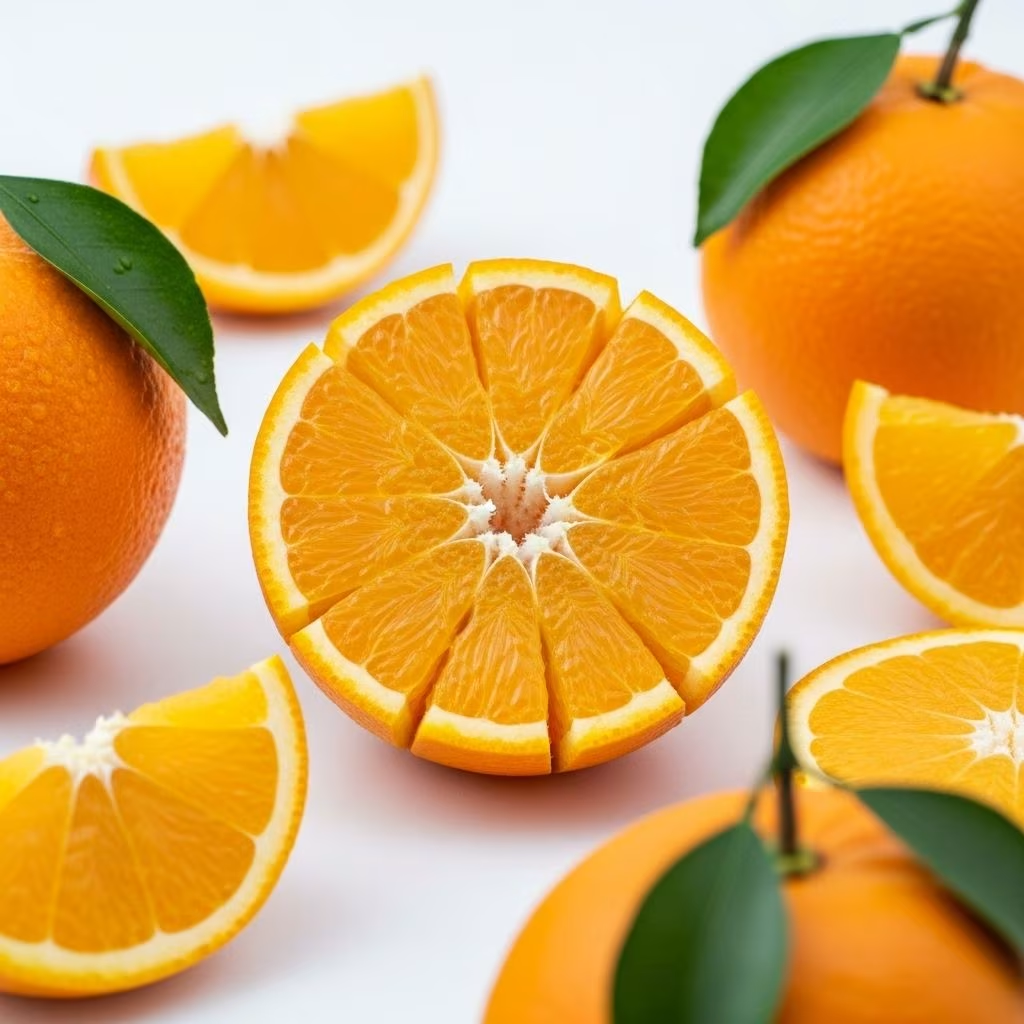
Oranges are more than just a popular fruit—they are a symbol of sunshine, health, and joy in kitchens and markets around the world. Loved for their juicy sweetness and refreshing tartness, oranges are a daily staple for millions, offering nutritional, culinary, and cultural value. This comprehensive guide explores what defines an orange, its diverse varieties, health benefits, widespread uses, and signature flavor characteristics, all grounded in scientific and culinary research.
Introduction to Oranges
Orange refers to the fruit of the Citrus sinensis species—a medium-sized, evergreen tree belonging to the Rutaceae (citrus) family. Characterized by a vibrant exterior that ranges from orange-yellow to green, the orange’s flesh is divided into segments packed with juice vesicles—a signature feature of citrus fruits. While sweet oranges dominate the world market, both sweet and bitter varieties exist, each with specific culinary and cultural applications.
Oranges are prized for their juicy, sweet-tart taste, high vitamin C content, and versatility in both raw and cooked states. The fruit, its zest, and even its aromatic blossoms have found uses from kitchen to medicine, perfumery to art.
Origin and History of Oranges
The story of the orange begins in Southeast Asia and spread westwards along trade routes. Sweet oranges—resulting from natural hybridization between pomelo (Citrus maxima) and mandarin (Citrus reticulata)—are thought to have originated in southern China, northeastern India, and perhaps Vietnam over 4,500 years ago. By the 15th century, oranges reached Europe. With the subsequent age of exploration, the fruit eventually flourished in the Mediterranean basin, the Americas, Australia, and South Africa.
- Botanical family: Rutaceae
- Scientific names: Citrus sinensis (sweet orange), Citrus aurantium (bitter orange)
- Name origins: The English term ‘orange’ traces back to the Persian narang and Sanskrit naranga, reaching Western European languages around the 14th–16th centuries.
Major Types and Varieties of Oranges
Today, more than 400 varieties of oranges exist, grouped broadly into two main categories: sweet oranges and bitter (or sour) oranges. Each variety features distinctive characteristics that affect taste, juiciness, color, and best use.
| Type / Variety | Description | Main Uses |
|---|---|---|
| Navel Orange | Seedless, large, with a navel-like formation; thick, easy-peel skin; not very juicy, slightly bitter | Eating fresh, salads, desserts |
| Valencia Orange | Thin-skinned, bright color, highly juicy, few seeds | Juicing, eating fresh |
| Blood Orange | Red or purple flesh due to anthocyanin pigments; sweet-tart, aromatic, juicy | Juicing, fresh eating, garnishes, desserts, cocktails |
| Cara Cara Orange | A type of navel orange with pinkish-red flesh, low-acid, sweet flavor | Eating fresh, salads, desserts |
| Mandarin (and Clementine, Tangerine) | Small, sweet, loose skin, easy to peel, less acidic | Snacking, salads, lunchboxes |
| Seville (Bitter) Orange | Sourest of the commercial oranges, thick-skinned, seeds | Marmalade, essential oils, culinary flavoring |
Other notable varieties include Jaffa, Shamouti, Hamlin, and Bergamot (mainly used for its oil in tea and perfumes).
Nutritional Value and Health Benefits
Oranges are a veritable powerhouse of nutrition, making them a staple recommendation for daily fruit intake worldwide. Their health-promoting benefits stem from both their macronutrient and micronutrient content.
Key nutrients found in oranges:
- Vitamin C: Oranges are renowned for their high vitamin C content—providing 64–92 mg per 100 grams—crucial for immune health, antioxidant protection, and skin collagen synthesis.
- Fiber: Both the flesh and pith contribute a notable amount of dietary fiber, supporting digestive health and cholesterol control.
- Folate (Vitamin B9): Vital for cell growth and prevention of birth defects.
- Potassium & other minerals: Potassium regulates blood pressure and hydration; magnesium and calcium are also present.
- Phytonutrients: Flavonoids, carotenoids (like beta-cryptoxanthin), and anthocyanins (in blood oranges) contribute antioxidant and anti-inflammatory properties.
Health benefits include:
- Support for immune function through vitamin C and bioactive plant compounds.
- Collagen production for skin integrity, wound healing, and cell repair.
- Heart health thanks to potassium, fiber, and antioxidants that help lower cholesterol and blood pressure.
- Improved digestive health from soluble and insoluble fiber in the pulp and pith.
- Protection against certain diseases due to antioxidant compounds that may reduce the risk of chronic diseases.
The orange peel also contains nutrients and essential oils, with possible protective effects against skin-related problems—but large pieces may be indigestible for some people.
Culinary and Everyday Uses
Oranges are incredibly versatile, used in forms ranging from whole fruit and juice to zest, marmalades, oils, and even their rinds. Here are common ways oranges are enjoyed worldwide:
- Fresh fruit: Eaten as segments, wedges, or slices—often as a snack or fruit salad base.
- Juice: Valencia and blood oranges are highly prized for sweet, aromatic juice.
- Desserts and baking: Incorporation into cakes, tarts, sorbets, candied peels, and creams.
- Jams and marmalades: Especially with Seville oranges due to their sourness and high pectin content.
- Cooking and savory dishes: Used in sauces, glazes, poultry (especially duck à l’orange), and North African tagines.
- Zest and peel: Adds aromatic oils and citrusy brightness to both sweet and savory fare. Dried peels are also used in spice blends.
- Beverages: Infused in cocktails, sangria, teas, or flavored waters
- Garnishes and decor: Blood oranges, Cara Cara, and regular slices for a pop of color and fragrance.
Outside the kitchen, oranges impact beauty, medicine, and cleaning products due to their aromatic oils and antimicrobial properties.
Taste Profile: What Does Orange Taste Like?
The taste of orange varies widely with type, ripeness, growing region, and season. However, most cultivated sweet oranges are:
- Sweet and juicy, with a refreshing acidic tang.
- Balanced: A blend of sugar (fructose, sucrose), citric acid, and aromatic oils in the zest.
- Fragrant: The rind releases volatile oils when zested or peeled.
- Varietal notes: Blood oranges provide berry-like undertones; Cara Cara are less acidic and sweeter; mandarins are mild and honeyed; Seville and other bitter oranges are intensely sour and almost inedible raw.
Wild or untamed oranges are almost always bitter and not pleasant for direct consumption. Orange segments naturally separate along membranes, supplying a burst of juice with each bite.
How to Buy, Select, and Store Oranges
To enjoy oranges at their finest—maximizing nutrition and taste—follow these tips:
- Choosing: Look for firm, heavy oranges with bright skin and no soft spots.
- Ripeness: Oranges do not ripen once picked from the tree—select ready-eating fruit.
- Washing: Always rinse oranges before peeling or slicing to avoid surface bacteria transfer.
- Storage: Keep at room temperature for up to one week; refrigerate to extend life by two weeks. Allow to return to room temperature before juicing for the best yield.
- Peel safety: Zest or finely grate peel for culinary use—large pieces may be indigestible.
Also, always check for variety when shopping, as taste and intended use may differ significantly.
Cultural Significance and Symbolism
Oranges have found a central place in many world cultures, religions, and traditions—often serving as symbols of health, prosperity, and luck.
- Considered a symbol of good fortune and happiness in Chinese New Year celebrations—gifting oranges brings prosperity.
- Integral to Mediterranean cuisine and art for centuries, representing abundance and vitality.
- The oil from bitter orange peels flavors Earl Grey tea and perfumes.
- Oranges inspired one of the world’s most recognizable colors—orange.
Their blossoms are associated with weddings and purity, and the fruit continues to shape music, literature, and visual culture globally.
Frequently Asked Questions (FAQs)
Are oranges and tangerines the same?
No. Tangerines are a type of mandarin orange, generally smaller, sweeter, and easier to peel than common oranges.
Are all oranges orange in color?
No. Depending on climate, some ripe oranges keep a green exterior, especially in tropical zones, while blood oranges have red-tinted flesh.
Can you eat orange peels?
Yes—zest and thin shavings are edible and nutritious, but large pieces can be hard to digest. Wash thoroughly before use.
Does orange juice have the same benefits as whole oranges?
Juice contains many vitamins, but is lower in fiber; the greatest health benefit comes from eating the whole fruit.
Are oranges good for weight loss?
Yes, when consumed as part of a balanced diet—high fiber and low calorie content help promote satiety and digestive health.
Fun Facts About Oranges
- Over 70 million tons of oranges are produced globally each year, making them the world’s most popular fruit crop.
- The town of Seville, Spain is renowned for its bitter oranges—essential for authentic marmalade.
- Navel oranges reproduce asexually and originate from a single mutation in Brazil in the 19th century.
- Blood oranges get their crimson color from anthocyanins, the same pigments in blueberries and cherries.
- Only oranges gave a color its name, not the other way around.
References
- https://en.wikipedia.org/wiki/Orange_(fruit)
- https://www.harryanddavid.com/articles/food-drink/guide-to-oranges
- http://guide.michelin.com/en/article/wellness/a-guide-to-5-types-of-oranges
- https://fussfreeflavours.com/guide-oranges/
- https://imgrowinghome.com/blogs/blog/orange-trees-2022-comprehensive-guide


