


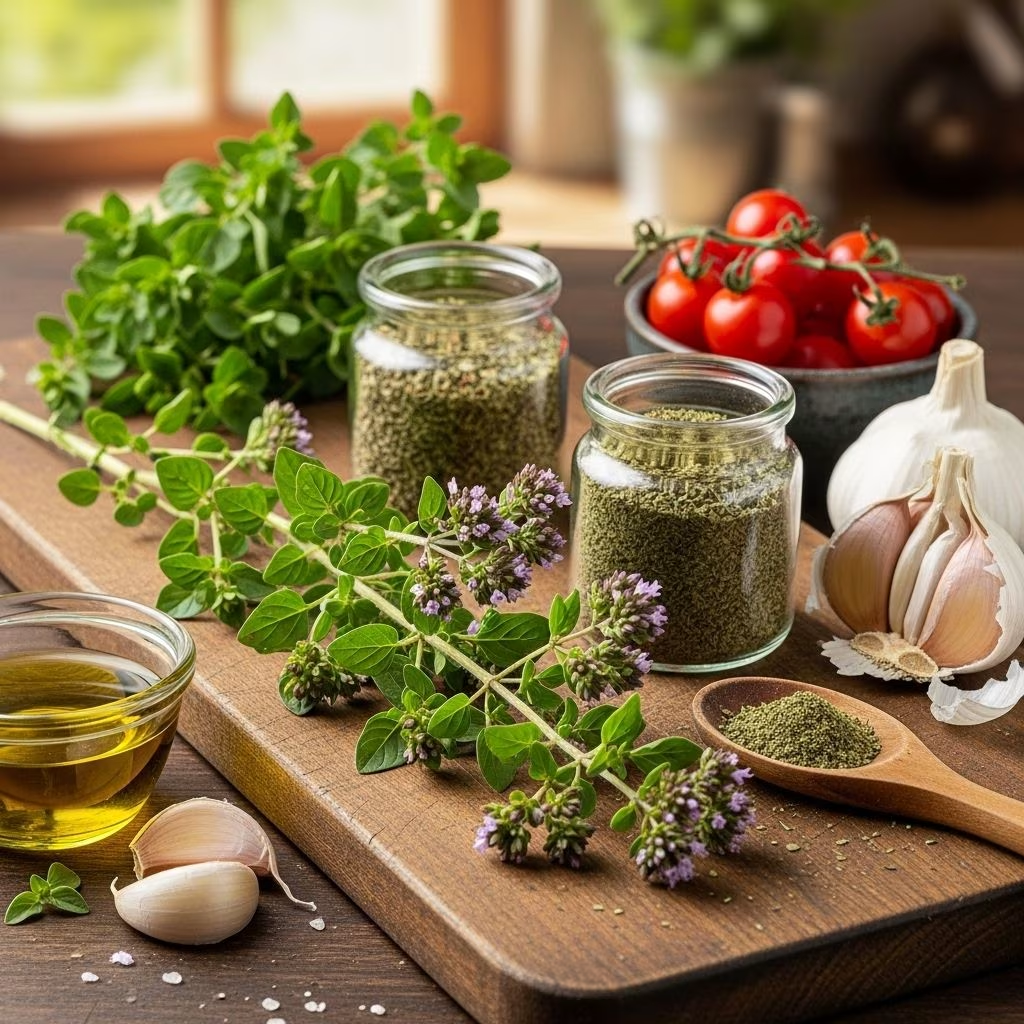
Oregano is a staple in kitchens around the world, especially in Mediterranean cuisine. Renowned for its bold, complex flavor and aromatic presence, oregano not only enhances countless dishes but also offers notable health benefits. Whether you’re a culinary enthusiast or just need a quick substitute, this guide will help you unlock everything oregano has to offer.
Introduction to Oregano
Oregano (Origanum vulgare) is a perennial herb in the mint family, known for its distinctive aroma and punchy taste. Its name traces back to the Greek words for “mountain” and “joy,” reflecting both its origins and the delight it brings to food. Oregano’s use dates back centuries, serving both as a culinary staple and as a traditional remedy in herbal medicine.
Key Characteristics
- Botanical Family: Lamiaceae (mint family)
- Native Regions: Mediterranean basin, Western Asia
- Common Forms: Fresh leaves, dried leaves, ground spice, oregano-infused oils
Oregano’s Flavor Profile
Oregano is celebrated for its complex, potent taste that varies in subtle ways depending on the variety and how it’s used. Understanding what gives oregano its character is critical to wielding it wisely in the kitchen.
Flavor Notes
- Robust and earthy
- Peppery, with a slight bitterness
- Hints of mint and camphor
- Warm, pungent, and somewhat hay-like
- Balanced spicy-sweet undertones
- Astringent aftertaste (especially in fresh oregano)
Dried oregano tends to be more concentrated and less bitter than fresh, while fresh leaves bring a pungent, forceful flavor—often used sparingly to avoid overpowering a dish.
Essential Oils & Aroma
- Key aromatic compounds: thymol and carvacrol
- High-quality oregano contains up to 4% essential oils
- These oils contribute to its warming, herbal, slightly medicinal aroma
Culinary Uses of Oregano
Oregano is incredibly versatile, enhancing a range of dishes from appetizers to main courses. Its savory flavor makes it indispensable in both Mediterranean and Latin American cuisines.
Main Culinary Applications
- Italian Cuisine: Found in pizza, pasta sauces, marinades, and tomato-based stews
- Greek Recipes: Essential in Greek salads, grilled meats, oregano vinaigrettes, and feta seasoning
- Mexican & Southwestern Cooking: Used in chili, tacos, enchiladas, and as an ingredient in chili powder blends
- Turkish Food: Flavors doner kebabs and lamb dishes
- Other Global Dishes: Complements roasted meats, fish, legumes, and even breads
Oregano balances out acidity in tomato dishes, deepens the savor of roasted foods, and adds brightness to dressings, salsas, and dips.
Table: Uses of Oregano by Cuisine
| Cuisine | Common Dishes | How Oregano is Used |
|---|---|---|
| Italian | Pizza, pasta sauce, meatballs | Dried, sprinkled or infused in sauce |
| Greek | Grilled meats, Greek salad, feta | Fresh or dried, as garnish or in marinades |
| Mexican | Chili, taco filling, salsas | Mexican oregano, often dried, in blends or separately |
| Turkish | Doner kebab, lamb dishes | Dried, in spice rubs or infused in oil |
| Middle Eastern | Za’atar blend, grilled vegetables | Ground or dried, as part of spice mixes |
Varieties of Oregano
Not all oregano is the same. Different regions produce oregano with distinctive flavors and strengths:
- Mediterranean (Greek) Oregano: Most common, bright flavor, pungent, slightly minty
- Mexican Oregano: Technically not true oregano; slightly less minty, more citrus and spicy/hay-like flavor, used in Latin recipes
- Turkish Oregano: Similar to Greek variety, but often milder
- Syrian Oregano (Za’atar Herb): Used in Levantine cuisine, sometimes combined in spice blends
Fresh oregano is usually bright green, while dried ranges from green to brownish-green, and high quality dried oregano is preferred for concentrated flavor.
Health Benefits of Oregano
Oregano is more than just flavorful; it is valued for its medicinal qualities—both in ancient times and modern research.
- Rich in Antioxidants: High in phenols and flavonoids that help combat oxidative stress.
- Antimicrobial Properties: Contains carvacrol and thymol, compounds with antibacterial and antifungal effects.
- Anti-inflammatory Effects: Used in traditional herbal medicine to soothe inflammation.
- Digestive Aid: Traditionally used to support healthy digestion and alleviate gas.
- Potential Benefits: Ongoing studies explore effects on immune support, coughs, and metabolic health, though not all claims are conclusively proven.
Note: Oregano essential oil is potent and not recommended for internal consumption; however, diluted oregano oil or infusions are considered safe when used as directed.
How to Buy and Store Oregano
Quality oregano—whether fresh or dried—makes all the difference in flavor and aroma.
Buying Oregano
- Fresh Oregano: Leaves should be vibrant green without wilting or browning.
- Dried Oregano: Opt for organic, aromatic dried oregano with little stem or debris; color should be green, not brown.
Storing Oregano
- Fresh: Wrap in a damp paper towel, store in a resealable bag in the refrigerator. Use within one week for best flavor.
- Dried: Keep in a cool, dark, airtight container away from light and heat sources; use within 6-12 months for peak potency.
- Oregano Oil: Store sealed, away from light and air exposure to preserve potency.
Tips for Cooking with Oregano
- Oregano is strongest when added early in dishes with longer cooking times, as its robust flavor stands up to heat.
- Use sparingly with fresh oregano—it’s more pungent than dried and can overwhelm other ingredients.
- Pairs well with basil, marjoram, thyme, sage, and rosemary.
- Brightens rich tomato sauces, grilled meats, and roasted vegetables.
- Infuses olive oil for salad dressings, marinades, and dipping breads.
- Balance its bitterness in raw preparations with a touch of lemon juice or honey.
- Remove woody stems from fresh sprigs before using to avoid bitterness.
Easy Oregano Substitutes
Ran out of oregano? Try these easy swaps that replicate its flavor, depending on your recipe:
Best Substitutes for Oregano
- Marjoram: Closest in flavor—slightly milder, sweeter, less earthy; substitute equal amounts in Italian, Greek, or Turkish recipes.
- Thyme: Offers earthy, subtle mint notes; use same quantity in savory dishes.
- Basil: Use in tomato-based dishes, though basil is sweeter and less pungent.
- Savory: Delivers peppery flavor; swap at a 1:1 ratio for Mediterranean-style foods.
- Italian Seasoning Blend: Contains oregano, thyme, basil, and marjoram; use in sauces and roasts.
- Mexican Oregano: For Latin dishes, substitute with equal parts Mexican oregano if available for bolder flavor.
Conversion Table: Oregano & Its Substitutes
| Original | Substitute | Ratio | Best Use |
|---|---|---|---|
| Dried Oregano | Dried Marjoram | 1:1 | Pasta sauce, meats |
| Dried Oregano | Dried Thyme | 1:1 | Soups, stews, roasts |
| Fresh Oregano | Fresh Basil | 1:1 | Salads, tomato dishes |
| Dried Oregano | Italian Seasoning | 1:1 | Red sauces, pizza |
| Mexican Oregano | Regular Oregano | 1:1 | Chili, tacos |
Frequently Asked Questions (FAQs)
What’s the difference between Mexican oregano and Mediterranean (Greek) oregano?
Mexican oregano is not botanically the same but delivers a similar citrusy, earthy punch preferred in Mexican and Southwestern cuisine, whereas Mediterranean oregano is mintier and more pungent—used in Italian and Greek dishes.
Can I use dried and fresh oregano interchangeably?
Yes, but the flavors differ in intensity. Use about three times more fresh oregano than dried, as dried oregano is more concentrated.
What does oregano pair best with?
Oregano pairs best with tomatoes, onions, garlic, olives, lemon, feta cheese, grilled meats, and robust vegetables like eggplant and zucchini.
Is oregano healthy?
Oregano is rich in antioxidants and has antimicrobial properties. It has traditionally been used to support digestion and immune health, although medicinal claims should be approached with caution.
How can I grow oregano at home?
Oregano thrives in well-drained soil and full sun. It can be grown from seeds or cuttings, and harvesting just before flowering yields the most aromatic leaves. Regular trimming encourages bushiness and fresh growth.
Unlock Oregano’s Potential in Your Kitchen
From its robust, earthy flavor to its impressive versatility, oregano is a culinary mainstay worth celebrating. Whether adding vibrancy to classic Mediterranean fare or providing a backbone to Mexican dishes, oregano is irreplaceable for countless cooks. With these tips, health facts, and easy substitutes, you’re ready to make the most of this aromatic powerhouse in every meal.
References
- https://blogchef.net/what-does-oregano-taste-like/
- https://www.mccormickscienceinstitute.com/resources/culinary-spices/herbs-spices/oregano
- https://www.herbalreality.com/herb/oregano/
- https://www.savoryspiceshop.com/blogs/news/behind-the-seasoning-oregano
- https://www.masterclass.com/articles/a-culinary-guide-to-oregano-benefits-and-11-uses-for-oregano
- https://specialtyproduce.com/produce/Oregano_310.php
- https://www.theorganicharvest.com/product/oregano-italian/
- https://plants.ces.ncsu.edu/plants/origanum/


