


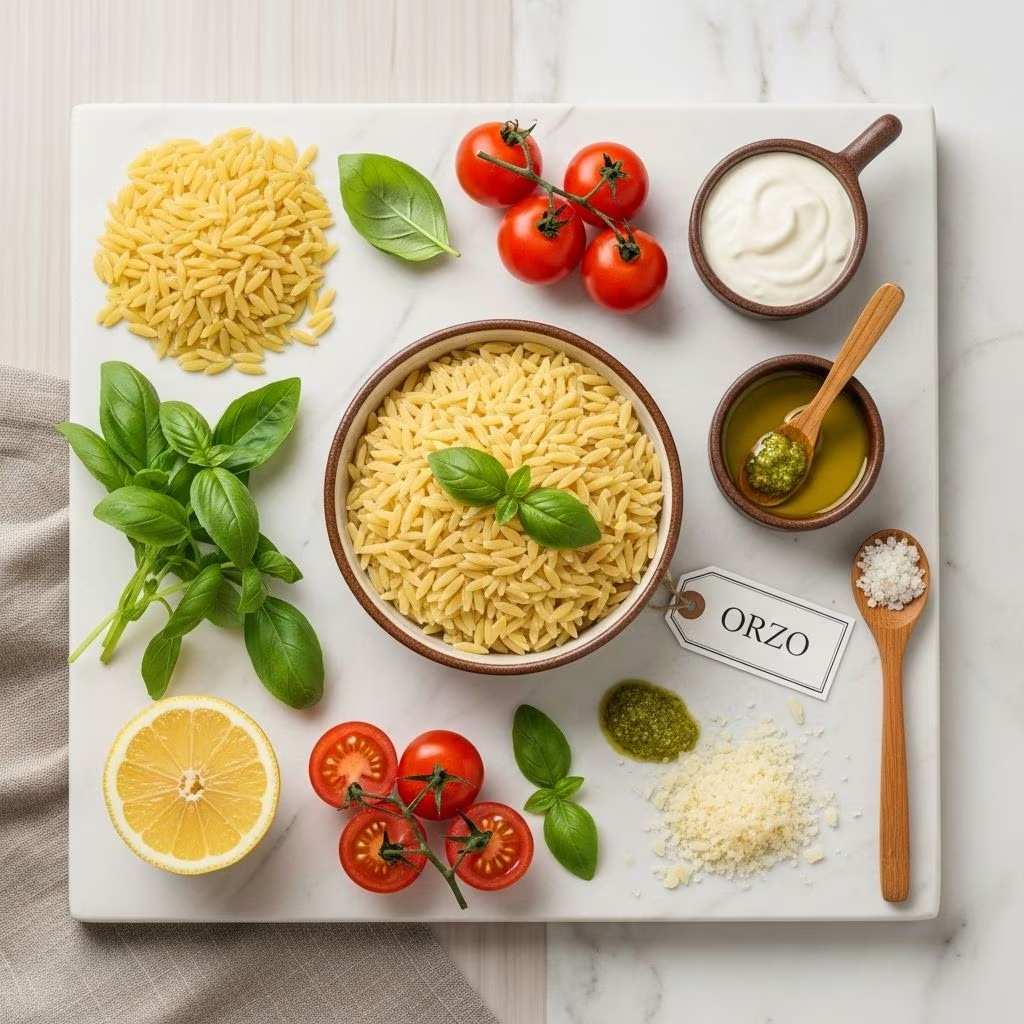
Orzo is a unique and versatile ingredient beloved in kitchens across the world. This comprehensive guide explores what orzo is, its fascinating history, nutritional values, diverse uses, and the taste that sets it apart. Whether you’re a culinary enthusiast or just discovering this rice-shaped pasta, you’ll find everything you need to know about orzo right here.
What Is Orzo?
Orzo, also known as risoni in Italy and kritharaki in Greece, is a short-cut pasta shaped like a large grain of rice. It is classified as a pastina, meaning “little pasta,” and is traditionally made from semolina flour derived from durum wheat. Though its shape resembles rice, orzo is a form of pasta, not a grain. The Italian word “orzo” literally translates to “barley,” named for the visual similarity to unprocessed barley grains.
- Main ingredient: Semolina flour (from durum wheat)
- Other names: Risoni (Italy), Kritharaki (Greece), Piñones (Spain)
- Shape: Oval or rice-like
- Category: Pastina (little pasta)
History and Global Origins of Orzo
Orzo originated in Italy, where it is typically called risoni. Its popularity quickly spread across the Mediterranean, particularly in Greece and Spain, and even to regions of the Middle East. In North America, “orzo” became the preferred term, while in Italy, “orzo” still often refers to barley.
- In Greece, kritharaki features in popular baked dishes and soups.
- In Spain, it’s known as piñones, meaning “pine nuts,” referring to its size and shape rather than content.
- The Middle East uses orzo in soup (shorbet lesan el asfour) and dishes like lesan el asfour.
Because of its adaptability and neutral flavor, orzo has integrated into an array of international dishes, making it a global pantry staple.
Orzo vs. Other Grains and Pastas
Orzo is often mistaken for rice or other small grains. The table below highlights key differences and similarities:
| Ingredient | Main Composition | Shape/Texture | Common Uses |
|---|---|---|---|
| Orzo | Durum wheat (pasta) | Rice-shaped, tender | Soups, salads, pilafs, casseroles |
| Arborio rice | Short-grain rice | Plump, creamy | Risotto, rice pudding |
| Couscous | Durum wheat | Tiny, round granules | Salads, stews, side dishes |
| Fregola | Durum wheat (toasted pasta) | Small, round, toasted | Soups, salads, stews |
| Ditalini | Durum wheat (pasta) | Small tubes | Soups, minestrone |
Nutritional Benefits of Orzo
While orzo is a refined pasta, it can provide nutritional value as part of a balanced diet. Below are its typical attributes:
- Good source of complex carbohydrates, providing sustained energy.
- Contains protein, especially varieties made with semolina, which is higher in protein than many wheat flours.
- Whole-wheat or alternative flour options (e.g., chickpea orzo) may offer increased fiber and nutrients.
- Low in fat and naturally cholesterol-free.
- Orzo is typically fortified with B vitamins (if made commercially), which supports metabolism.
- Pairs well with nutrient-rich foods—vegetables, lean proteins, and heart-healthy fats—for a balanced meal.
Note: Traditional orzo is not gluten-free, but gluten-free orzo alternatives are available for those with sensitivities or celiac disease.
Basic Nutritional Table for Regular Orzo (Per 100g, cooked):
| Nutrient | Amount |
|---|---|
| Calories | 130-150 kcal |
| Carbohydrates | 27-28 g |
| Protein | 4-5 g |
| Fiber | 1.5-2 g |
| Fat | 0.2-0.5 g |
How to Cook Orzo
Cooking orzo is simple and quick, making it ideal for busy cooks:
- Bring a large pot of well-salted water to a boil.
- Add orzo and stir occasionally. Cook for 8 to 10 minutes until al dente (tender but slightly firm to the bite).
- Drain and rinse if using for cold salads, or leave undrained for hot dishes.
- For added flavor, try toasting orzo in butter for a minute before boiling, or cook it directly in broth to absorb more taste.
Orzo can also be cooked like risotto: toast in a bit of oil or butter, then gradually add broth while stirring until absorbed for a creamy, flavorful dish.
Culinary Uses: Orzo in Global Cuisines
Orzo’s neutral flavor and clever shape unlock incredible flexibility in the kitchen. Below are its most popular culinary uses, along with international examples:
- Soups: Orzo is frequently added to brothy soups, including Greek avgolemono (lemon chicken soup), Italian minestrone, and shorbet lesan el asfour (Middle Eastern chicken soup).
- Pasta Salads: Mix cooked orzo with grilled vegetables, feta cheese, olives, and Italian or Greek dressings for a vibrant, satisfying salad.
- Side Dishes: Prepare orzo like rice pilaf, often with sautéed onions, garlic, and fresh herbs.
- Baked Casseroles: Combine orzo with tomatoes, ground meats, and spices—popular in Greek giouvetsi.
- Main Dishes: Substitute orzo for rice or other grains in risotto-style meals, seafood dishes, or stuffed vegetables.
- Simple Preparation: Toss warm orzo with butter or olive oil and grated Parmesan for a quick, comforting dish.
Taste and Texture of Orzo
Orzo boasts a mild, slightly nutty flavor—especially when made from high-quality semolina—and a tender yet slightly chewy texture. These characteristics allow orzo to:
- Easily absorb flavors from broths, sauces, and seasonings.
- Hold its shape well during cooking, making it ideal for salads and soups that require mixing with many ingredients.
- Offer a soft, creamy mouthfeel if cooked like risotto, or stay pleasantly firm if cooked briefly.
Why Orzo’s Taste Stands Out
Unlike some pastas that overpower with wheat flavor, orzo is more subtle and adaptable, becoming a quiet canvas for other ingredients. Toasting orzo before boiling can intensify its nutty aroma, enhancing both taste and mouthfeel.
Popular Orzo Recipes
- Greek Lemon Chicken Orzo Soup (Avgolemono): A bright, tangy soup of chicken, lemon, and orzo.
- Italian Wedding Soup: Features orzo with mini meatballs, greens, and savory broth.
- Orzo Salad with Feta and Roasted Vegetables: Perfect for picnics or light meals, showcases the pasta’s ability to hold up in salads.
- Orzo Pilaf: Orzo toasted, then simmered with broth, onions, and herbs, a popular Mediterranean side dish.
- Stuffed Peppers with Orzo: Orzo mixed with ground meat, spices, and tomato, then baked inside peppers for a hearty entrée.
Frequently Asked Questions (FAQs)
Q: Is orzo gluten-free?
A: Traditional orzo is not gluten-free as it is made from durum wheat. However, specialty gluten-free options made from rice, corn, or legumes are commercially available.
Q: Can orzo be used as a rice substitute?
A: Yes, orzo can seamlessly substitute rice in most dishes, offering a similar look and texture but with a pasta taste profile.
Q: How should orzo be stored?
A: Dried orzo should be kept in a cool, dry place in an airtight container. Cooked orzo stores well in the refrigerator for up to 3-4 days.
Q: Does orzo come in different colors?
A: Yes, orzo can be found in tricolore varieties, colored naturally with spinach (green), tomato (red), or squid ink (black), as well as plain golden yellow from semolina.
Q: What can I use instead of orzo?
A: Suitable substitutes include Arborio rice, fregola, ditalini, or even broken spaghetti—each providing a different texture and taste.
Conclusion
Orzo, with its rice-like form, is a culinary bridge between pasta and grains. Its versatility, gentle flavor, and quick cooking have made it a global favorite for everything from soothing soups to inventive salads. By understanding its origins, nutritional profile, and diverse uses, anyone can confidently incorporate orzo into their cooking—taking advantage of a pasta that is both ancient and undeniably modern.
References
- https://pastaevangelists.com/blogs/blog/what-is-orzo
- https://en.wikipedia.org/wiki/Orzo
- https://www.delallo.com/blog/what-is-orzo/
- https://www.themediterraneandish.com/what-is-orzo/
- https://www.merriam-webster.com/dictionary/orzo
- https://www.barilla.com/en-us/products/pasta/classic-blue-box/orzo
- https://themeadow.com/products/orzo-gourmet-pasta-from-italy


