


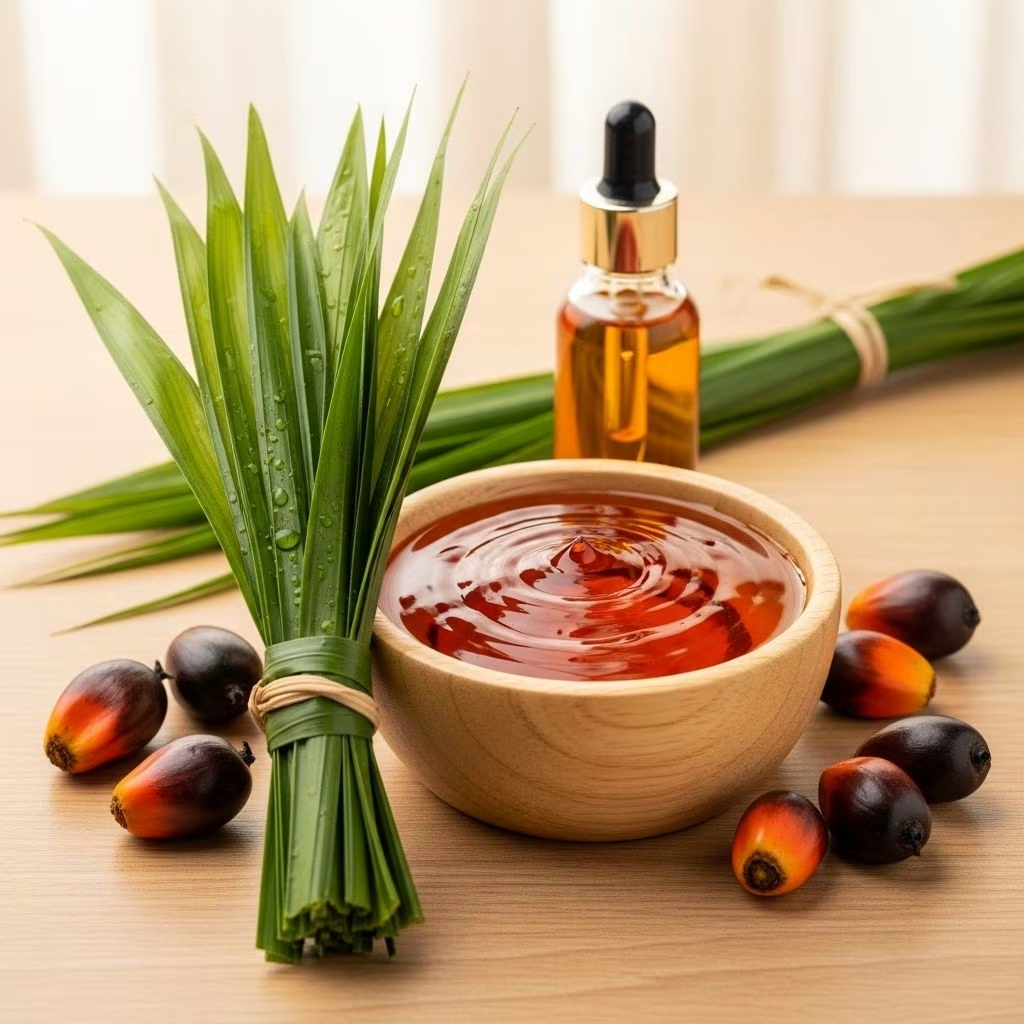
Palm Oil: Hair Benefits, How to Use & Tips
\n\n
Palm oil, particularly red palm oil, is increasingly recognized as a powerhouse for hair care routines. Derived from the fruits of the Elaeis guineensis tree, this rich, red-hued oil has long been prized in various cultures for its potent mix of vitamins, antioxidants, and moisturizing properties. As awareness of natural hair solutions grows, palm oil has emerged as a remedy for dryness, breakage, and scalp health. This comprehensive guide explores the science-backed benefits of palm oil for hair, the best ways to incorporate it into your regimen, key safety considerations, and expert styling tips. Dive in to discover how this age-old oil can transform your approach to hair care.
\n\n
Table of Contents
\n
- \n
- Understanding Palm Oil
- Hair Benefits of Palm Oil
- How to Use Palm Oil for Hair
- Expert Tips for Best Results
- Safety and Sustainability Considerations
- Comparison with Other Hair Oils
- Frequently Asked Questions (FAQs)
\n
\n
\n
\n
\n
\n
\n
\n\n
Understanding Palm Oil
\n
Palm oil is the edible vegetable oil extracted from the fruit or kernel of the oil palm tree, predominantly from Elaeis guineensis. Its vibrant red color is attributed to high concentrations of carotenoids, including beta-carotene, alpha-carotene, and lycopene. The distinction between red palm oil (from the fruit’s flesh) and palm kernel oil (from the seed) lies in their nutrient profiles, with red palm oil generally being richer in vitamins and antioxidants relevant to hair health.
\n\n
- \n
- High in vitamin E (tocopherol and tocotrienol forms).
- Rich in carotenoids which provide antioxidant activity.
- Strong content of saturated fats and fatty acids, notably myristic, palmitic, and stearic acids.
- Contains phytonutrients such as coenzyme Q10, squalene, and phytosterols, offering varied hair benefits.
\n
\n
\n
\n
\n\n
Hair Benefits of Palm Oil
\n
Main Advantages
\n
- \n
- Moisturizing and Conditioning: Palm oil is an effective emollient, meaning it lubricates hair strands, locks in moisture, and prevents dryness. Fatty acids such as myristic and palmitic acids help shield both hair and scalp from moisture loss.
- Split Ends and Breakage Repair: Its refatting agents restore natural oils stripped away by shampoo or environmental exposure, reducing split ends and breakage.
- Scalp Protection and Health: The vitamin E content shields the scalp from sun damage, reduces irritation, and decreases inflammation. Antibacterial activity cleanses the scalp, reduces itchiness, and creates optimal conditions for growth.
- Strengthens Hair Follicles: By promoting cell growth in the follicles, red palm oil reinforces hair strength and vibrancy. Carotenoids stimulate natural sebum production, further fortifying the hair shaft.
- Antioxidant Defense: Palm oil fights free radical damage, helping to both prevent and treat environmental damage and stress-induced hair aging.
- Scar Reduction: Tocopherol-type vitamin E can assist in reducing the appearance of scars on the scalp due to inflammation or injury.
\n
\n
\n
\n
\n
\n
\n\n
Key Bioactive Compounds in Palm Oil for Hair
\n
| Compound | Main Function | Benefit for Hair/Scalp |
|---|---|---|
| Vitamin E (tocopherols & tocotrienols) | Antioxidant, cell growth | Protects scalp, strengthens follicles, reduces inflammation |
| Carotenoids (alpha, beta, lycopene) | Antioxidant, color | Boosts cell division, improves shine, supports growth |
| Fatty acids (myristic, palmitic, stearic) | Moisturizer, cleanser | Lubricates hair, prevents dryness, cleanses scalp |
| Coenzyme Q10 | Antioxidant | Protects against oxidative stress, aging |
| Squalene | Emollient, antioxidant | Locks moisture, softens hair |
| Phytosterols | Anti-inflammatory | Soothes scalp, supports healing |
\n\n
How to Use Palm Oil for Hair
\n
Palm oil is versatile and can be added to your routine in several ways. It’s effective as a pre-shampoo treatment, deep conditioner, scalp massage oil, and even as a finishing serum for smooth ends. Correct application and sourcing ensure optimal benefits and hair protection.
\n\n
Practical Application Methods
\n
- \n
- Pre-Shampoo Scalp Treatment:\n
- \n
- Warm a few tablespoons of palm oil until just above room temperature.
- Using fingertips, gently massage the oil into your scalp for 5–10 minutes, focusing on dry areas.
- Leave on for at least 30 minutes (or overnight for deep conditioning).
- Wash out with a mild sulfate-free shampoo.
\n
\n
\n
\n
\n
- Split End Serum:\n
- \n
- Apply a single drop of palm oil to fingertips and gently work into split ends after styling.
- Alternatively, blend with a small amount of coconut or argan oil for enhanced effect.
\n
\n
\n
- Overnight Leave-In Conditioner:\n
- \n
- Distribute oil evenly from roots to tips on damp hair.
- Wrap hair in a silk scarf or shower cap to lock in moisture and prevent transfer.
- Shampoo out in the morning as usual.
\n
\n
\n
\n
- Post-Wash Smoothing Serum:\n
- \n
- Rub a few drops between palms and lightly pat onto dry hair, focusing on frizzy areas.
\n
\n
\n
\n
\n
\n
\n\n
Blending Palm Oil with Other Natural Oils
\n
Palm oil can be safely mixed with other carrier oils for enhanced effects, such as coconut, olive, argan, or castor oil. This helps target specific needs—coconut for deep hydration, argan for shine, castor for growth stimulation. Always patch test blends on your skin before applying to the scalp.
\n\n
Recommended Frequency
\n
- \n
- For very dry, damaged hair: Use palm oil treatments 2–3 times per week.
- For regular hair maintenance: Weekly or biweekly is generally sufficient.
- As a smoothing serum: As needed after washing or heat styling.
\n
\n
\n
\n\n
Expert Tips for Best Results
\n
- \n
- Use Certified Sustainable Palm Oil (CSPO): This guarantees pure, ethically sourced oil without contamination and avoids contributing to environmental harm.
- Choose Cold-Pressed, Unrefined Oils: Heat can degrade key antioxidants and nutrients. Choose high-quality, unrefined red palm oil for the best results.
- Patch Test First: Although generally safe, some people may react to palm oil. Apply to a small area of your skin and wait 24 hours before widespread use.
- Avoid Overuse: Too much oil can weigh hair down, especially for fine or oily hair types. Adjust quantity to match hair density and routine.
- Combine with Gentle Hair Care: Use sulfate-free shampoos, avoid excessive heat styling, and be gentle when detangling to preserve the oil’s benefits.
\n
\n
\n
\n
\n
\n\n
Safety and Sustainability Considerations
\n
- \n
- Environmental Impact: Palm oil production poses ecological risks such as deforestation and habitat loss. Supporting brands with responsible sourcing and CSPO certification is crucial.
- Sensitivity and Allergies: While rare, some individuals may experience irritation. Always patch test, especially if you have a history of allergies or sensitive skin.
- Non-Comedogenic Profile: Palm oil is generally non-comedogenic, but excessive use can clog pores for individuals prone to scalp acne. Adjust frequency according to your scalp health.
\n
\n
\n
\n\n
Comparison with Other Hair Oils
\n
| Oil Type | Main Nutrients | Best For | Unique Benefits |
|---|---|---|---|
| Palm Oil | Vitamin E, Carotenoids, Saturated Fats | Dry scalp, breakage, inflammation | Strong antioxidant, repairs split ends, sun protection |
| Coconut Oil | Lauric Acid, Vitamin E | Deep hydration, preventing protein loss | Penetrates shaft deeply, intense moisture |
| Argan Oil | Vitamin E, Squalene | Shine, frizz control, moderate hydration | Lightweight, enhances gloss, non-greasy feel |
| Castor Oil | Ricinoleic Acid | Growth stimulation, scalp massage | Promotes circulation, thickens appearance |
| Olive Oil | Oleic Acid, Vitamin E | Softening, gently loosening curls | Mild emollient, healthy cuticle |
\n\n
Frequently Asked Questions (FAQs)
\n\n
Q: How soon can I expect to see results from using palm oil for hair?
\n
Many users report initial improvements in moisture and texture within a few days to weeks, but visible reduction in breakage and increased growth typically show over 4–8 weeks of consistent use. Individual results may vary depending on hair type and health.
\n\n
Q: Is palm oil safe for color-treated or chemically processed hair?
\n
Yes, palm oil’s gentle, restorative properties are generally safe and often beneficial for color-treated or chemically processed hair. Always perform a strand test before full application if you are concerned.
\n\n
Q: Can palm oil help with dandruff or scalp disorders?
\n
Palm oil’s antibacterial and anti-inflammatory compounds can help alleviate mild scalp irritation and dryness, potentially reducing flakiness. If your dandruff is severe or persistent, consult a dermatologist for specialized treatment.
\n\n
Q: How does red palm oil differ from other palm oils for hair?
\n
Red palm oil contains higher levels of carotenoids and antioxidants, making it more effective for hair health compared to refined palm or palm kernel oil. The natural red pigment signals its nutrient richness.
\n\n
Q: Will palm oil make my hair greasy?
\n
When used as directed and in the recommended quantities, palm oil should not make hair greasy. Those with fine or oily hair should use smaller amounts and focus application on dry ends or the scalp, avoiding overuse.
\n\n
Conclusion
\n
Red palm oil stands out as a natural, effective, and versatile solution for enhancing hair health. Packed with antioxidants, vitamins, and moisturizing compounds, its benefits span from repairing split ends and nourishing the scalp to providing protection against environmental stressors. With thoughtful sourcing and proper application, palm oil can support stronger, shinier, and healthier hair for all types. For those seeking an affordable, sustainable, and results-driven addition to their hair routine, palm oil offers proven value backed by traditional wisdom and scientific research.
\n
References
- https://www.jasonemermd.com/hair-care/red-palm-oil-is-a-game-changer-for-anyone-with-a-dry-scalp/
- https://www.westporthair.com/blog/how-red-palm-oil-works-wonders-for-dry-scalp
- https://www.healthshots.com/mom-says/red-palm-oil/
- https://www.healthline.com/health/batana-oil-for-hair-loss
- https://pmc.ncbi.nlm.nih.gov/articles/PMC9231528/
- https://pmc.ncbi.nlm.nih.gov/articles/PMC11389710/
- https://www.asianagri.com/en/media-publications/faqs/is-palm-oil-good-for-skin-hair/


