


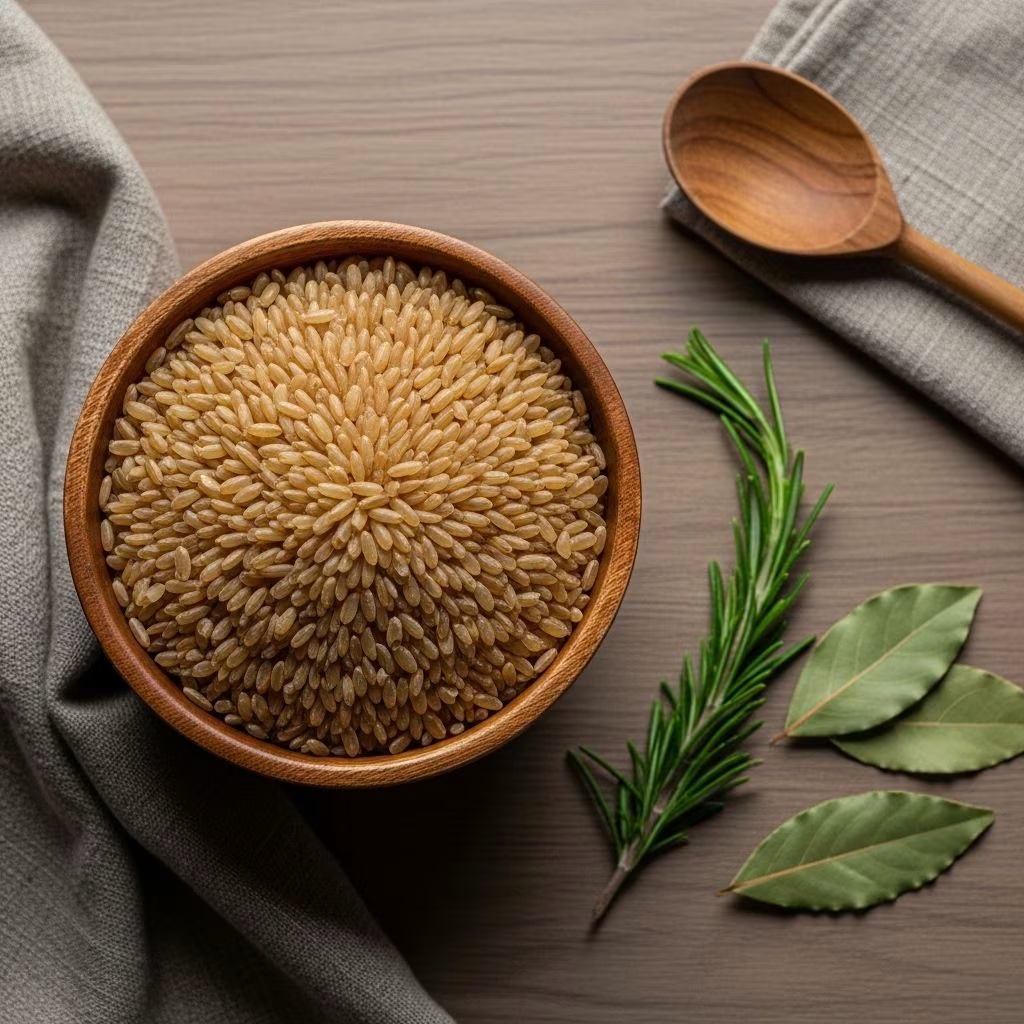
Parboiled rice occupies a unique position in the culinary world, bridging the gap between traditional white and brown rice. Known for its superior nutrition profile, resilience during cooking, and distinct flavor and texture, it is utilized in both everyday meals and specialty recipes around the globe. This comprehensive guide explores the world of parboiled rice—breaking down what it is, how it’s made, its culinary uses, health advantages, preparation techniques, flavor profile, and frequently asked questions.
What is Parboiled Rice?
Parboiled rice—also known as converted rice, easy-cook rice, sella rice, and under various regional names—refers to rice that has been partially boiled in its husk before milling. Originating in ancient rice-producing communities and now popular worldwide, this method gives parboiled rice unique characteristics that set it apart from commonly milled white rice and brown rice.
- Appears slightly yellow or tan due to bran nutrients diffused into the grain.
- More nutritious than standard white rice thanks to the parboiling process.
- Firmer, less sticky texture when cooked.
- Used extensively in Africa, South Asia, the United States, and other regions.
The Parboiling Process
Parboiling involves a series of carefully timed steps to transform raw paddy rice into a more resilient, nutrient-rich grain. While the details may vary between regions and centuries, the modern process follows a general three-step pathway:
- Soaking: Paddy rice (with husk) is soaked in cold or hot water to raise its moisture content, sometimes for several hours (or even over 24 hours in traditional methods).
- Steaming: The soaked rice is steamed, often under pressure. This process gelatinizes the starch, causing key micronutrients—especially thiamine (vitamin B1)—to migrate from the bran into the endosperm. This step also improves resistance to pests and reduces breakage during milling.
- Drying: The rice is dried before milling, which hardens the grain and locks in nutrients. Modern drying may use air, vacuum, or dry heat, while traditional methods involve sun-drying on mats. Dried, the rice is then milled to remove the husk and, if desired, the bran.
This careful process significantly affects the rice’s nutritional profile, color, and cooking characteristics.
History of Parboiling
Ancient versions of parboiling date back centuries, but the modern standardized process—first referred to as the Huzenlaub Process—was developed in the early 20th century, emphasizing nutrient retention and improved shelf life.
Nutritional Benefits of Parboiled Rice
One of the main advantages of parboiled rice over conventional white rice is its enhanced nutritional content. By partially boiling the paddy before milling, key nutrients are forced from the outer bran layer into the core of the grain. Even after the bran is removed, these nutrients remain inside:
- Higher Vitamin B Content: Especially thiamine, which is crucial for nerve function and energy metabolism.
- More Minerals: Such as iron and zinc, which can be naturally retained or artificially enriched during processing in some regions.
- Greater Resistant Starch: Parboiling increases type-3 resistant starch, which acts as a prebiotic and can benefit gut health.
- Lower Glycemic Index: Parboiled rice has a lower glycemic index (compared to white rice), making it a better choice for people with concerns about blood sugar.
The result: Parboiled white rice is nutritionally closer to brown rice than ordinary white rice. This makes it a preferred staple in regions where rice is a primary food source and nutritional adequacy is important.
Culinary Uses of Parboiled Rice
Parboiled rice’s resilience and unique texture make it a versatile ingredient in kitchens worldwide. It is especially valued for dishes where the rice should stay separate, firm, and less sticky.
- Pilafs and Biryani: Its non-sticky nature makes it ideal for layered dishes where grains need to remain distinct.
- Rice Salads: Holds its shape and texture after cooling and mixing with dressings or other ingredients.
- Stews and Soups: Used in hearty dishes, it does not disintegrate or become mushy even after prolonged cooking.
- Bulk Cooking: Popular in cafeterias, catering, and restaurants because it resists becoming overly soft or clumpy upon reheating.
- Everyday Table Rice: Served as a side to curries, stir-fries, and stews across Africa, South Asia, and the Americas.
Culturally, parboiled rice is the rice of choice in various traditional dishes:
- West African Jollof Rice
- South Indian Sambar Rice
- Cajun gumbo and Creole dishes (USA)
How to Cook Parboiled Rice
Cooking parboiled rice is straightforward but slightly different from cooking white or brown rice. Below is a simple stovetop method, but it can also be prepared in rice cookers or pressure cookers:
Stovetop Method (Basic)
- Rinse 1 cup of parboiled rice thoroughly under cool water to remove extra starch.
- Bring 2 cups of water to a boil in a saucepan.
- Add rice and a pinch of salt. Stir once, reduce heat to low, and cover tightly with a lid.
- Simmer for 20-25 minutes without disturbing. Check toward the end to prevent burning or sticking. When water is absorbed, turn off the heat.
- Let the rice stand, covered, for 5-10 minutes before fluffing with a fork and serving.
Alternative Method: Parboiling Long-Grain Basmati (Partial Cooking)
- Rinse rice and soak for 15 minutes to 2 hours.
- Boil in plenty of salted water for 4-6 minutes until grains are al dente (partially tender), then drain and rinse with lukewarm water. This technique is commonly used for mixed or layered rice dishes.
Cooking Tips
- Don’t remove the lid frequently while cooking to preserve steam.
- If water absorbs and rice is still hard, add a little more hot water to finish.
- Avoid stirring excessively to prevent breaking the grains and making the rice gummy.
Texture and Flavor Profile
Parboiled rice is prized for its unique eating qualities:
- Firm, Separate Grains: Even after extended cooking, the grains remain distinct and do not turn mushy or sticky.
- Slightly Chewy Texture: It offers a satisfying bite compared to the softer, fluffier white rice.
- Nutty, Subtle Flavor: Parboiling imparts a faintly nutty, earthy taste, more pronounced than white rice but milder than brown rice.
- Light Golden Hue: Particularly in certain regional types, parboiled rice appears yellowish-gold because of nutrient migration during processing.
Its resilience and subtle profile suit a wide range of cuisines, especially dishes requiring the rice to maintain structure and flavor after prolonged heating or mixing.
Comparison Table: Parboiled vs. Other Rice Types
| Feature | Parboiled Rice | White Rice | Brown Rice |
|---|---|---|---|
| Processing Method | Soaked, steamed, and dried before milling | Milled and polished after husking | Only husk removed; bran layer preserved |
| Color | Pale yellow to amber | White | Light brown |
| Texture (Cooked) | Firm, separate, less sticky | Soft, fluffy, sticky | Chewy, slightly firm |
| Flavor | Nutty, subtle | Mild, neutral | Earthy, robust |
| Nutritional Value | Intermediate; closer to brown rice | Lowest; many nutrients lost in milling | Highest; retains most nutrients and fiber |
| Cooking Time | 20–25 min | 15–20 min | 40–45 min |
| Main Uses | Pilafs, salads, biryanis, bulk cooking | Everyday meals, sushi, desserts | Healthy recipes, salads, hearty dishes |
Storage and Handling Tips
- Parboiled rice keeps well in an airtight container at room temperature for several months; store away from moisture and direct sunlight.
- Leftover cooked parboiled rice can be refrigerated for 2–3 days in a sealed container.
- For longer-term storage, freeze cooked rice in airtight containers for up to 3 months; thaw and reheat as needed.
Frequently Asked Questions (FAQs)
Q: How is parboiled rice different from regular white rice?
A: Parboiled rice is soaked, steamed, and dried before milling, which preserves more nutrients, gives it a firmer texture, and results in a slightly nutty flavor not found in white rice.
Q: Is parboiled rice healthier than white rice?
A: Yes. The parboiling process transfers nutrients like B vitamins and minerals from the bran to the grain, making it nutritionally superior to standard white rice and closer to brown rice in nutrient value.
Q: Can parboiled rice be used in all recipes that call for regular rice?
A: Parboiled rice can be substituted for white or brown rice in most recipes, but its firmer, less sticky grains are especially valued in dishes where separate rice grains are ideal, such as pilafs, salads, and layered rice entrees.
Q: Why does parboiled rice look yellow?
A: The yellowish hue is caused by micronutrients, particularly thiamine from the bran, moving into the endosperm during parboiling. This color may range from pale gold to amber depending on the rice variety and duration of parboiling.
Q: Does parboiled rice have a lower glycemic index?
A: Yes. Parboiled rice has a lower glycemic index than standard white rice, making it a better option for those managing blood sugar levels.
Q: How long does it take to cook parboiled rice?
A: About 20–25 minutes on the stovetop. This is slightly longer than white rice but much less than brown rice.
Q: Is parboiled rice gluten-free?
A: Yes. Parboiled rice, like all rice, is naturally gluten-free and suitable for people with celiac disease or gluten intolerance.
Q: Can I freeze cooked parboiled rice?
A: Absolutely. Cool rice completely before transferring to a freezer-safe container. It can be frozen for up to 3 months and reheated directly from frozen.
Key Takeaways
- Parboiled rice is partially boiled in the husk, resulting in firmer texture, enhanced nutrition, and a mild earthy flavor.
- It retains more vitamins and minerals than plain white rice and has a lower glycemic index.
- Its resilience makes it ideal for pilafs, salads, biryanis, and large-scale cooking.
Whether you’re a home cook seeking nutritious staples or a professional chef requiring reliable, high-yield rice, parboiled rice provides a distinctive combination of health, convenience, and flavor—making it an essential grain in the modern kitchen.
References
- https://www.theincrediblebulks.com/how-to-cook-parboiled-rice-make-it-perfect-every-time/
- https://en.wikipedia.org/wiki/Parboiled_rice
- http://www.knowledgebank.irri.org/step-by-step-production/postharvest/milling/milling-and-quality/item/parboiling
- https://ovenhug.com/how-to-parboil-rice/
- https://mahatmarice.com/cooking/what-is-parboiled-rice-and-how-to-cook-with-it/
- https://www.youtube.com/watch?v=z0xbEuqtdIg
- https://www.foodfanatic.com/cooking/how-to/how-do-you-parboil-rice/


