


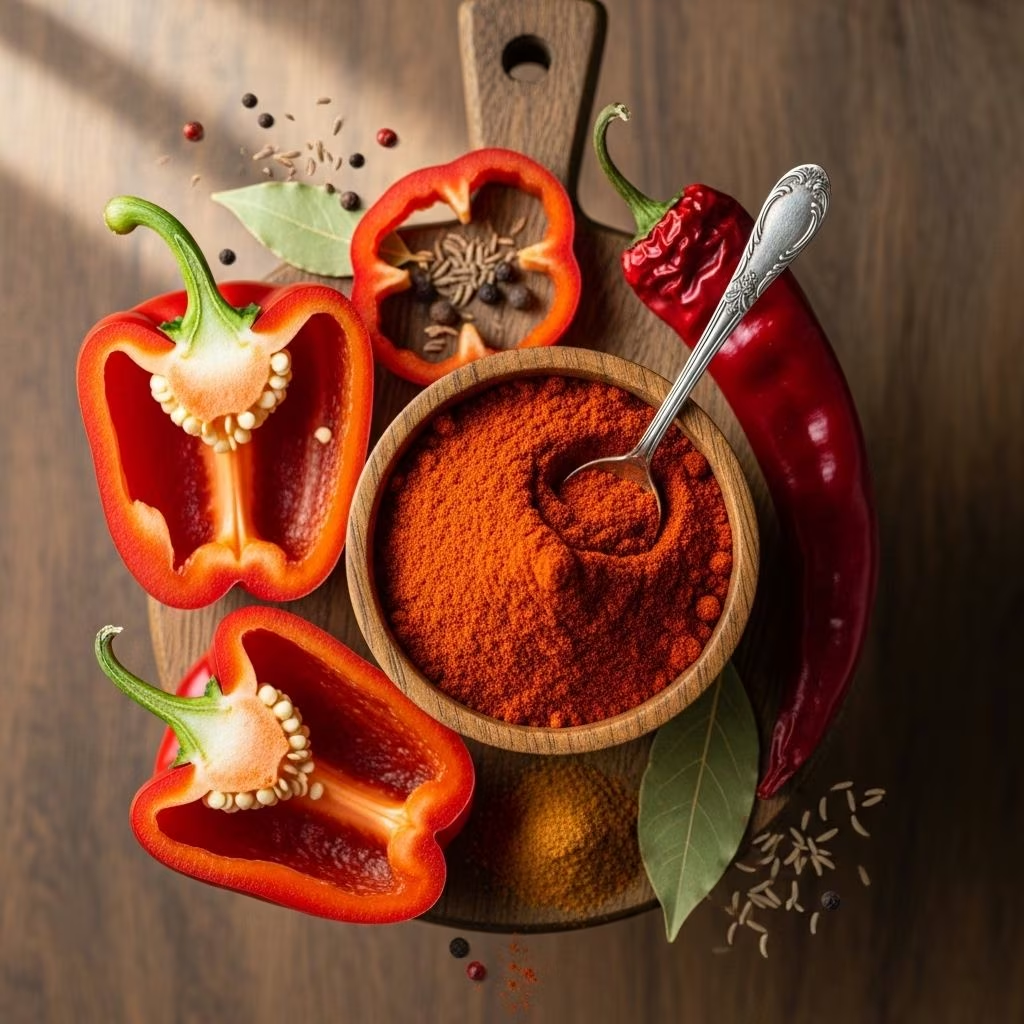
Paprika (sweet) is one of the most beloved spices in the culinary world, prized not only for its mild, sweet flavor but also for the vibrant color and gentle warmth it brings to dishes. Often misunderstood or overlooked as “just a red powder,” sweet paprika is central to many global cuisines, from Hungarian classics to modern American fare. This comprehensive guide explores the flavor profile of sweet paprika, its many uses, and how to substitute it effortlessly in your kitchen.
What is Sweet Paprika?
Sweet paprika is a bright red powder made by grinding dried sweet red peppers, most often from varieties of bell peppers. Unlike hot or smoked varieties, sweet paprika is known for its mild flavor and lack of intense heat. The majority of “paprika” found on grocery store shelves, especially in the US and many European countries, refers specifically to this sweet variety.
- Origin: Paprika originated in Central America and was later popularized in Europe, particularly in Hungary and Spain.
- Botanical source: Typically made from Capsicum annuum varieties, including bell peppers and other sweet types.
- Color: Vibrant orange-red to deep red, depending on the specific pepper and drying method used.
- Texture: Finely ground, smooth powder.
Sweet paprika is sometimes just labeled “paprika” in stores. It’s essential to differentiate it from other paprikas that might be hot (spicy) or smoked.
Flavor Profile of Sweet Paprika
The defining trait of sweet paprika lies in its gentle, sweet, and subtly earthy taste, without the pungency or heat typical of some other chili powders. Because the red peppers are picked ripe and usually have the seeds largely removed, the resulting spice is mellow and slightly fruity, with a touch of tang reminiscent of fresh bell peppers.
- Sweetness: Derived from the natural sugars that become concentrated during drying. Sweet paprika often contains up to 6% sugar.
- Mild Heat: Almost always mild (less than 500 on the Scoville scale), with just a trace of warming spice.
- Earthy Notes: Offers a delicate earthiness and, in some cases, a slight vegetal undertone due to the pepper’s natural oils.
- Color: Contributes a rich, appealing red hue to food, making dishes as visually arresting as they are flavorful.
The flavor can shift subtly based on where and how it was produced. For instance, Hungarian sweet paprika is fragrant and deep, whereas Californian paprika tends to be brighter and bolder. Smoked Spanish paprikas, while sometimes sweet, will also add dominant smoky notes.
Sweet Paprika vs. Regular (Plain) Paprika
There’s widespread confusion about “regular” and “sweet” paprika. Plain paprika, often found as a generic spice in stores, is mainly intended for color rather than flavor. Sweet paprika, by contrast, is specifically selected for its sweet and mild notes. If your goal is to add not just color but also gentle sweetness, always opt for labeled sweet paprika.
Types of Paprika: Sweet, Smoked, and Hot
Paprika encompasses a broad category of ground red pepper powders, each with its own flavor profile and culinary best use. The main types include:
| Type | Origin | Main Flavor | Best Uses |
|---|---|---|---|
| Sweet Paprika (Dulce) | Hungary, Spain, US | Mild, sweet, slightly fruity. No heat. | Color and flavor in soups, stews, dressings, garnishes |
| Hot Paprika (Picante) | Hungary, Spain | Spicy, peppery, earthy. More heat. | Spicy dishes, rubs, seasoning blends |
| Smoked Paprika (Pimentón) | Spain (La Vera) | Smoky, sometimes sweet or spicy. | Spanish paella, chorizo, grilled meats |
| Plain Paprika | Global | Mild, sometimes bland. Used mainly for color. | Egg dishes, sauces, potato salads |
The type you choose will profoundly impact the flavor of your dish, so it’s important to understand their distinctions.
Culinary Uses of Sweet Paprika
The mild versatility of sweet paprika means it’s useful in a wide spectrum of recipes. Its unassuming flavor allows it to harmonize with a range of ingredients, enhancing both the aroma and visual appeal.
- Coloring agent: Paprika’s exceptional natural pigment is prized for beautifying everything from deviled eggs to roasted potatoes and creamy soups.
- Seasoning in spice blends: An essential element in barbecue rubs, Cajun and Creole seasoning, chili powders, and more.
- Flavor enhancer: Rounds out the taste of meats, vegetables, stews, and sauces without overpowering other flavors.
- Garnish: Commonly dusted atop hummus, egg salads, and creamy dips before serving, providing a pop of color and a subtle hint of sweetness.
- Infusion in oils: Swirled into olive oil or melted butter to drizzle over seafood, roasted vegetables, or potatoes.
Sweet paprika excels in recipes where you want to add complexity and warmth, but no significant heat. It also pairs well with garlic, onions, cumin, fennel, herbs like parsley and dill, and dairy-based sauces.
Regional Cuisines and Iconic Dishes
Though paprika’s origins are in Central America, it is now indispensable in European, American, and Mediterranean kitchens.
- Hungarian Cuisine:
- Goulash: A rich beef stew that gets its distinct color and gentle warmth from sweet paprika.
- Chicken Paprikash: A creamy, paprika-laden chicken dish, usually served with dumplings or noodles.
- Paprika Potatoes (Paprikás Burgonya): Potato and sausage stew infused heavily with sweet paprika.
- Spanish Cuisine:
- Paella: Sweet and smoked paprika are essential in the iconic rice dish.
- Patatas Bravas: Fried potatoes topped with a spicy paprika tomato sauce.
- Chorizo: Spanish sausages owe their red color and flavor largely to paprika.
- American Cuisine:
- Deviled Eggs: A classic sprinkle on top for both taste and visual appeal.
- Jambalaya & Cajun dishes: Integral part of Southern U.S. spice blends.
- Potato and Pasta Salads: Adds color, mild sweetness, and complexity.
- Global:
- Dry rubs for grilling: Blended into rubs for chicken, pork, fish, and vegetables.
- Marinades and sauces: Enriches color and flavor of dressings and sauces from all over the world.
Its ability to complement, rather than dominate, makes sweet paprika a staple across continents and culinary traditions.
How to Choose, Buy, and Store Sweet Paprika
As with all spices, freshness is key for maximum flavor. When buying sweet paprika, look for vibrant color and a strong, fresh scent. If the spice smells faint or musty, its flavor will be diminished.
- Look for:
- Bright red, uniform color
- Aromatic, sweet, almost fruity scent
- Packaging indicating the origin (Hungary, Spain, US), which may affect flavor nuances
- Check the date: Opt for the freshest jar possible; ground paprika loses potency within 6–12 months after opening.
- Buy in smaller quantities: Unless you use it frequently, smaller jars ensure you use it up before the flavor fades.
- Store in: An airtight container, away from heat and light, to preserve color and aroma for as long as possible.
If possible, purchase from a specialty spice shop where turnover is high, as this ensures better quality and depth of flavor.
Easy Substitutes for Sweet Paprika
If you run out of sweet paprika or can’t find it at your local grocery, don’t worry—several spices can provide similar benefits in your recipes. The key is to match both color and flavor as closely as possible.
- Regular (plain) paprika: Often the closest match. While sometimes less flavorful, it will provide a similar reddish hue and mild pepperiness.
- Smoked paprika (pimentón dulce): Use for a smoky twist. This will also lend a mild sweetness, but add noticeable smoke flavor, ideal for Spanish or Mediterranean dishes.
- Red bell pepper powder: 100% bell pepper powder is mild, sweet, and close to sweet paprika in both taste and color (if available).
- Ancho chili powder: Made from mild, dried poblano peppers, its flavor is sweeter and richer than most chili powders, with very little heat.
- Cayenne pepper: Only use in very small amounts, as it is far spicier and lacks sweetness. Mix with a pinch of sugar and regular paprika to better imitate sweet paprika’s taste.
- Chipotle powder: Offers a deeper, smoky, and spicy quality but can be used in very small amounts if you also add a milder, sweeter paprika substitute.
DIY Substitute Mix: To create an all-purpose paprika substitute, mix two parts regular (plain) paprika with one part red bell pepper powder or a tiny pinch of sugar. For dishes that would benefit from a hint of smokiness, add a touch of smoked paprika.
Nutritional Benefits and Health Considerations
Sweet paprika doesn’t just make your food look and taste better—it also adds nutrients:
- Rich in antioxidants: Due to its carotenoid content (especially beta-carotene and capsanthin), paprika can help fight oxidative stress.
- Source of vitamins: Contains vitamin A (from beta-carotene), vitamin E, and some vitamin B6.
- Low in calories: Like most dried spices, it’s virtually calorie free per serving, with negligible fat or sodium.
- Capsaicin content: Very low in sweet paprika, so it brings flavor without significant heat.
Sweet paprika is considered safe for most diets, including vegetarian, vegan, gluten-free, and paleo. In rare circumstances, individuals may experience allergies to paprika or peppers, manifesting as gastrointestinal upset or skin irritation; consumption should be discontinued if such reactions occur.
Frequently Asked Questions (FAQs)
Q: What is the difference between sweet paprika and smoked paprika?
A: Sweet paprika is made by grinding dried sweet red peppers and has a mild, sweet flavor with little to no heat. Smoked paprika (pimentón) is made by drying peppers over wood fires before grinding, imparting a distinct smoky aroma and flavor, but it may be sweet (dulce) or hot (picante) depending on the pepper used.
Q: Can I use hot paprika in place of sweet paprika?
A: You can, but hot paprika is significantly spicier and will change the balance of your recipe. Use much less, and consider blending it with a milder spice or adding a bit of sugar to mimic sweet paprika’s gentle sweetness.
Q: Is sweet paprika the same as Hungarian paprika?
A: Hungarian paprika comes in several grades, including sweet. If a recipe calls for “Hungarian paprika” and doesn’t specify, sweet Hungarian paprika is typically intended.
Q: How can I tell if my paprika is still fresh?
A: Fresh paprika should have a vibrant red color and a sweet, slightly fruity aroma. If it smells flat, musty, or faint, it’s likely past its prime and should be replaced for best results.
Q: Are there health benefits to using sweet paprika over other spices?
A: Sweet paprika brings antioxidants and vitamins to your meals. Due to its low heat and mildness, it’s also accessible to people who avoid spicy foods but still want vibrant, peppery flavor and health advantages.
Conclusion
Sweet paprika is far more than just a decorative garnish; its mellow sweetness and intense color enrich a vast range of dishes across the globe. By understanding its origins, flavor, uses, and easy substitutions, home cooks and professionals alike can unlock new culinary dimensions. Fresh, high-quality sweet paprika belongs in every spice rack, setting the stage for colorful, fragrant, and flavorful creations in your kitchen.
References
- https://www.slofoodgroup.com/blogs/recipes-stories/what-doessweet-paprika-taste-like
- https://www.savoryspiceshop.com/blogs/news/behind-the-seasoning-paprika-flavoring-uses
- https://www.slofoodgroup.com/blogs/recipes-stories/is-sweet-paprika-the-same-as-regular-paprika
- https://www.chilipeppermadness.com/ingredients/sweet-paprika/
- https://www.mccormickscienceinstitute.com/resources/culinary-spices/herbs-spices/paprika
- https://www.hillvale.co.uk/blogs/ingredients/paprika
- https://spicesinc.com/blogs/spice-cabinet-101-paprika


