


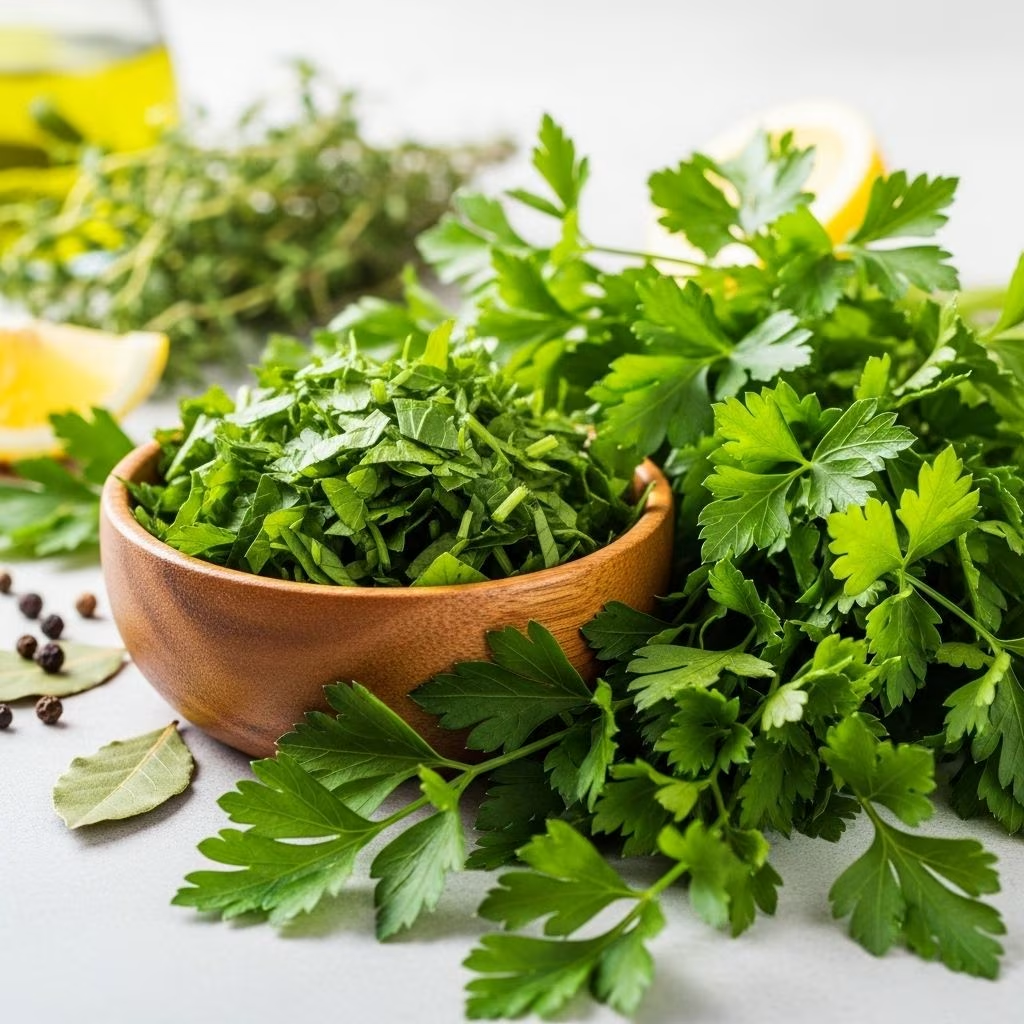
Parsley is a staple herb found in kitchens around the globe. Known for its bright green color, distinctive fresh flavor, and extraordinary versatility, it is much more than just a garnish. In this comprehensive guide, discover what makes parsley unique, its culinary applications, health benefits, and the best alternatives when you’re out of this beloved herb.
What Is Parsley?
Parsley (Petroselinum crispum) is a leafy green herb native to the central and eastern Mediterranean region. Highly valued for its vibrant color and fresh, slightly peppery taste, parsley is a member of the Apiaceae family, which includes carrots and celery. It is used extensively in Middle Eastern, European, and American cooking—both for flavor and for garnish.
Parsley’s Flavor Profile
The flavor of parsley is best described as fresh, clean, and mildly peppery with subtle hints of earthiness and a touch of bitterness. It brightens and balances savory dishes, making it a favorite herb for chefs and home cooks alike. Compared to more assertive herbs like basil or cilantro, parsley offers a gentler taste that complements rather than overwhelms other ingredients.
| Attribute | Description |
|---|---|
| Aroma | Fresh, grassy, slightly peppery |
| Taste | Mild, clean, with a subtle bite |
| Aftertaste | Faintly bitter, refreshing |
| Visual | Bright green leaves (flat or curly) |
Varieties of Parsley
There are two main types of parsley, each with unique features and culinary roles:
- Flat-leaf (Italian) Parsley: Flat, dark green, serrated leaves. Preferred for its robust flavor and ease of chopping. Widely used in Mediterranean cuisine.
- Curly-leaf Parsley: Decoratively ruffled leaves, lighter flavor than flat-leaf. Common as a garnish, but also suitable for salads and sauces.
Less common varieties include root parsley (grown for its edible root) in Eastern Europe, and Japanese parsley (Mitsuba), used in Japanese dishes.
Nutritional Value and Health Benefits
Parsley is a nutritional powerhouse packed with essential vitamins, minerals, and antioxidants—all for very few calories. Just two tablespoons (about 8 grams) of fresh parsley provide meaningful amounts of vitamin A, C, and a whopping 154% of your daily vitamin K requirement:
- Vitamin K: Crucial for blood clotting, bone health, and heart health
- Vitamin C: Supports the immune system, antioxidant protection, and collagen formation
- Vitamin A: Promotes healthy vision, skin, and immune function
- Minerals: Sources of iron (important for blood health), magnesium, potassium, folate, and calcium
- Antioxidants: Compounds like apigenin, apiol, and myristicin, which may help reduce inflammation and protect from oxidative damage
Some of the documented health benefits of regularly including parsley in your diet:
- Supports bone health: High vitamin K and minerals for strong bones
- Boosts immunity: Rich in vitamin C and antioxidants to strengthen immune defenses
- Enhances heart and blood health: Vitamins and minerals help regulate blood pressure, support heart function, and prevent anemia
- Promotes kidney health: Mild diuretic properties and traditional use to prevent kidney stones (consume in moderation if prone to kidney stones)
- Potential anticancer properties: Phytochemicals like apigenin have been studied for possible cancer-fighting effects (more research needed)
Culinary Uses of Parsley
Parsley’s culinary versatility is nearly unmatched among herbs, adding both flavor and visual appeal to dishes worldwide. It is featured in numerous cuisines and dishes, including but not limited to:
- Garnish: Brightens soups, stews, roasted meats, fish, and vegetable plates
- Salads: Essential in Middle Eastern tabbouleh and Lebanese fattoush; delicious with grains or as the main green
- Herb Blends: Core ingredient in French fines herbes, bouquet garni, and Italian gremolata
- Condiments and Sauces: Used in chimichurri (Argentina), salsa verde (Italy), tzatziki (Greece), and parsley pesto
- Baked Dishes: Enlivens quiches, frittatas, and savory bread
- Egg Recipes: Scrambled eggs, omelets, frittatas, and deviled eggs
- Pasta and Rice Dishes: Complements tomato, seafood, and creamy sauces
- Homemade Juices & Smoothies: Adds a fresh, green kick and nutrition boost
- Broths & Stocks: Offers depth of flavor and color
How to Select, Store & Prepare Parsley
Selecting Fresh Parsley
- Look for vivid green leaves with no yellowing or wilting
- Stems should be firm, not limp
- Avoid bunches with mushy or slimy patches
Storing Parsley
- Refrigerate fresh parsley in a loosely closed bag or upright in a jar with a little water, loosely covered
- Wash just before using to prolong freshness
- To freeze, finely chop and store in an airtight container or freeze in ice cube trays with water or olive oil
- Dried parsley is also available but has a milder flavor
Preparing Parsley
- Wash thoroughly under cold, running water
- Pat dry or use a salad spinner
- Remove tough stems; gentle stems are edible
- Chop finely for even distribution of flavor
Easy and Delicious Ways to Use Parsley
Looking for inspiration? Here are some popular and tasty ways to use parsley every day:
- Tabbouleh: A Middle Eastern salad made with bulgur, tomatoes, lemon juice, olive oil, and a generous amount of chopped parsley
- Gremolata: Classic Italian condiment of parsley, garlic, and lemon zest—great on braised meats, seafood, or roasted vegetables
- Chimichurri: South American green sauce with parsley, garlic, vinegar, olive oil, and chili flakes—perfect with grilled meats and fish
- Parsley Pesto: Swap basil for parsley in pesto and blend with nuts, cheese, garlic, olive oil; use as a pasta sauce, dip, or spread
- Parsley Tea: Brew fresh or dried parsley in hot water for a diuretic, antioxidant-rich infusion
- Eggs with Parsley: Stir chopped parsley into scrambled eggs, omelets, or frittatas for color and flavor
- Hearty Soups: Add a handful of chopped parsley to finish bean, chicken, or vegetable soups
- Salad Greens: Add to green salads for extra nutrition, or combine with grains like quinoa or farro
Recipe Highlight: Parsley Chimichurri
Ingredients: 1 cup fresh parsley (packed), 2-3 garlic cloves, 2 tbsp fresh oregano (or 1 tbsp dried), 1/2 cup olive oil, 2 tbsp red wine vinegar, 1/2 tsp red pepper flakes, salt and pepper.
Preparation: Finely chop parsley, garlic, and oregano. Mix with olive oil, vinegar, red pepper, salt, and pepper. Serve with grilled steak, chicken, or roasted vegetables!
Easy Parsley Substitutes
If you’re out of parsley, don’t worry. There are several excellent substitutes depending on your recipe and flavor preferences. Here’s a handy guide:
| Substitute | Best Use | Flavor Profile | Notes |
|---|---|---|---|
| Cilantro (Coriander Leaves) | Mexican, Indian, Middle Eastern dishes; salsa, salads | Lemony, pungent, more assertive than parsley | Good for visual match; flavor is stronger |
| Basil | Pasta sauces, salads, Italian dishes | Sweet, slightly peppery and licorice-like | Use fresh for best substitute; adjust quantity |
| Chervil | Egg dishes, soups, French cuisine | Mild, with a whisper of anise | Closest flavor, but can be hard to find |
| Tarragon | Poultry, fish, French sauces | Sweet, mildly licorice or fennel flavor | Stronger flavor, use sparingly |
| Celery Leaves | Soups, stews, broths | Earthy, slightly bitter, crisp | Similar color, milder taste |
| Oregano (fresh) | Mediterranean dishes, tomato-based sauces | Earthy, aromatic, robust | Use in small amounts |
| Dried Parsley | Soups, stews, sauces | Milder, less vibrant | Use 1/3 the amount of fresh parsley |
Pro Tip: For those allergic to parsley or seeking a different flavor, try combining mild green herbs like chives and dill, or even microgreens and baby spinach, to mimic color and freshness in salads and as garnish.
Frequently Asked Questions (FAQs)
Q: Can you use both flat and curly parsley the same way?
A: Yes, both types can be used interchangeably, though flat-leaf parsley generally offers stronger flavor and better texture for recipes. Curly parsley is often used as a garnish for its decorative appeal.
Q: Is dried parsley as nutritious as fresh parsley?
A: Dried parsley loses some of its vitamin content, especially vitamin C, and its flavor is milder. However, it can still add a subtle touch to cooked dishes.
Q: Does parsley have any risks or side effects?
A: For most people, parsley is very safe in typical food amounts. Consuming extremely large amounts (as in medicinal doses) may not be suitable for those with kidney problems, as it contains oxalates. Otherwise, moderate use is beneficial for health.
Q: Can I grow parsley at home?
A: Absolutely! Parsley is easy to grow in pots or garden beds. It prefers full sun to light shade and regular watering. Harvest as needed by cutting exterior stems, and you can enjoy a fresh supply nearly year-round in mild climates.
Q: What dishes absolutely require parsley?
A: Traditional tabbouleh, gremolata, and chimichurri are incomplete without parsley as a core ingredient. Many classic soups, sauces, and Mediterranean dishes also rely on its unique freshness and aroma.
Conclusion
Parsley stands out as one of the world’s most widely used and nutritionally valuable herbs. Its clean, mildly peppery flavor uplifts countless savory dishes, and its impressive nutrient profile offers meaningful health benefits. Equally important for creative cooks, there are several handy substitutes available—so you never have to compromise taste or presentation if fresh parsley is missing from your kitchen. Make parsley a star in your cooking, whether as a core ingredient, a finishing touch, or the hero of your homemade sauces and salads.
References
- https://www.healthline.com/nutrition/parsley
- https://usaregenalliance.org/blog/parsley
- https://inaturally.com.au/8-healthy-ways-to-use-parsley/
- https://www.webmd.com/diet/health-benefits-parsley
- https://www.bbcgoodfood.com/health/health-benefits-of-parsley
- https://diabetesfoodhub.org/blog/everything-you-need-know-about-parsley
- https://pmc.ncbi.nlm.nih.gov/articles/PMC10856782/


