


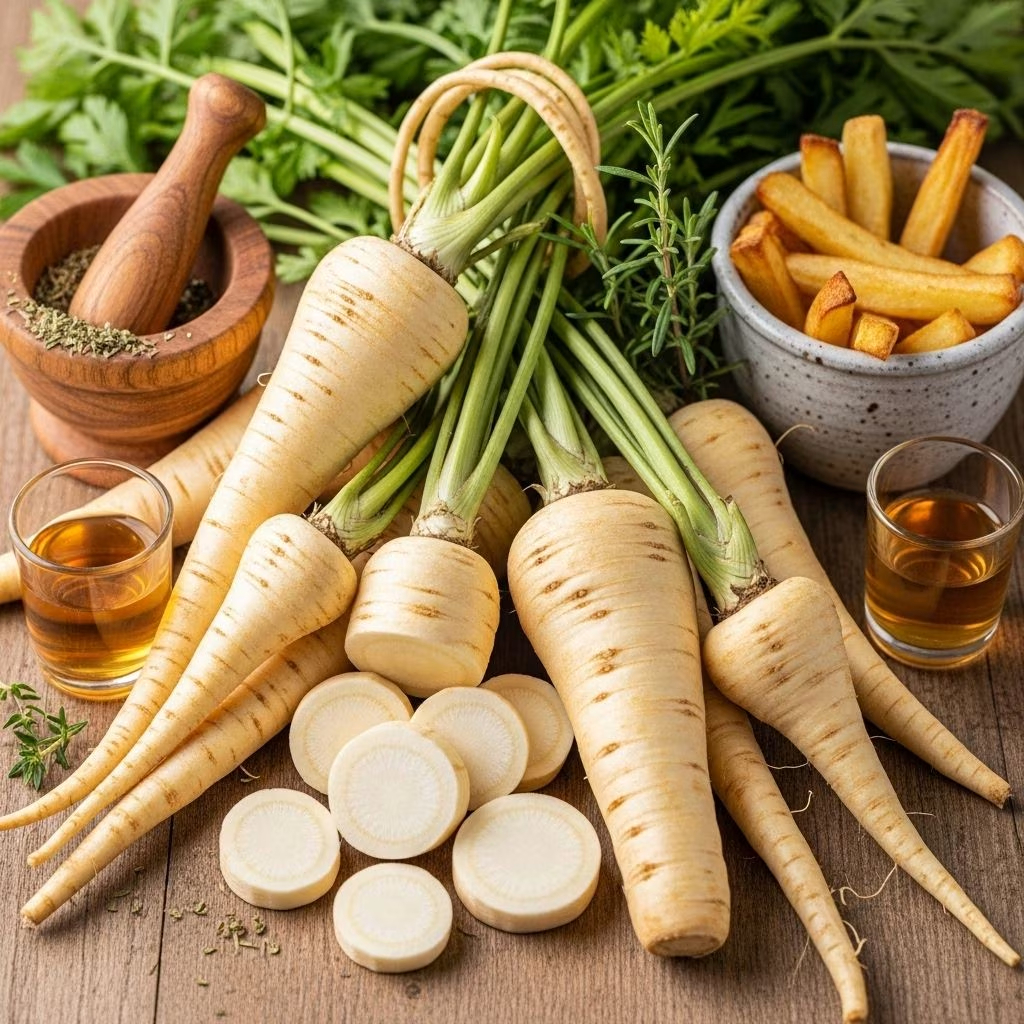
Parsnip, a humble yet remarkable root vegetable, has a history and flavor profile as rich as its nutritional content. Long cherished in kitchens across Europe and beyond, this cream-colored root offers not just culinary versatility but also a host of health benefits. From ancient Roman feasts to modern-day comfort dishes, parsnip continues to win over discerning palates. In this in-depth guide, explore what makes parsnip special—its origin, nutritional power, health benefits, how to cook and use it, and what to expect from its unique taste.
Overview: What Is Parsnip?
Parsnip is a biennial root vegetable, harvested for its edible, typically cream-colored taproot. Botanically known as Pastinaca sativa, it belongs to the Apiaceae family, making it a close relative of carrots, celery, and parsley root.
- Appearance: Elongated, conical root, usually 20-40 cm long, 6 cm thick, and cream to pale yellow in color.
- Texture: Smooth, with a density providing a somewhat meaty bite when cooked.
- Plant features: Above ground, the plant grows a rosette of aromatic, mid-green leaves, visually similar to celery.
Parsnip’s ability to store well and thrive in colder climates has made it a staple vegetable across temperate regions.
Origin and History of Parsnip
The parsnip has an ancient heritage rooted in Europe and Central Asia. It was widely cultivated even during Roman times. According to historical sources, parsnips were a valued crop; legend claims that Emperor Tiberius had parsnips imported from German provinces every year.
- Ancient use: The root served as an important food source before the widespread use of refined sugar and potatoes.
- Medieval and Renaissance Europe: Parsnip often served as a staple and occasional sweetener for desserts and baked goods before the introduction of cane and beet sugar.
- Modern revival: Though parsnip’s popularity waned with the rise of the potato in the 18th century, its unique flavor and health benefits have contributed to a modern resurgence.
Today, parsnip remains an integral ingredient in British, French, and Central European cuisines, and its appeal is growing globally.
Nutritional Value of Parsnip
Parsnip is a nutrient-dense vegetable, low in calories but rich in essential vitamins, minerals, and beneficial plant compounds.
| Nutrient | Amount | Key Benefits |
|---|---|---|
| Energy | ~75 kcal | Low-calorie |
| Carbohydrates | 17.99 g | Good energy source |
| Dietary Fiber | 4.9 g | Supports digestion, gut health |
| Protein | 1.2 g | Muscle maintenance |
| Fat | 0.3 g | Very low fat |
| Vitamin C | 17 mg | Antioxidant, immune support |
| Vitamin K | 22.5 mcg | Blood health, bone health |
| Folate | 67 mcg | Cell growth and development |
| Potassium | 375 mg | Blood pressure regulation |
| Magnesium | 29 mg | Enzyme function, muscle health |
| Manganese | 0.56 mg | Antioxidant support |
- Rich in dietary fiber: Promotes feeling of fullness and supports digestive health.
- Contains inulin: A prebiotic fiber important for gut health and blood sugar control.
- Low in fat, cholesterol, and sodium.
Health Benefits of Parsnip
Parsnips provide several evidence-backed health benefits, making them an excellent addition to a balanced diet.
- Supports digestive health: High fiber content, especially insoluble fiber and inulin, helps promote regularity and a healthy gut microbiome.
- Enhances immunity: Rich in vitamin C and antioxidants, parsnips help protect against oxidative stress and bolster immune defenses.
- Blood pressure regulation: High potassium content aids in regulating blood pressure and supports heart health.
- Weight management: Low calories combined with high fiber help promote satiety, potentially aiding weight control.
- Stable blood sugar: Inulin and other fibers slow down carbohydrate absorption, which can help regulate blood sugar levels. This is particularly valuable for people with diabetes.
- Supports bone and blood health: Vitamin K and folate are essential for healthy bones, blood clotting, and cell development.
- Suitable for allergies and children: Low in nitrates, making parsnip kid-friendly and suitable for many allergy sufferers.
Antioxidant Power
Antioxidants found in parsnip, including vitamin C, vitamin E, and polyacetylenes, help neutralize free radicals, reduce inflammation, and may lower the risk of chronic diseases.
Culinary Uses and Preparation Methods
The parsnip’s unique sweet-nutty flavor and versatility make it a standout root vegetable for a range of culinary applications.
- Soups and Stews: Adds body, sweetness, and earthy depth to broths and slow-cooked dishes.
- Roasted/Baked: Roasting caramelizes its natural sugars, revealing a sweet, almost spicy finish.
- Mashed: Can be processed like potatoes—a creamy, nutty mash is a classic side dish in British cuisine.
- Pureed: Excellent in pureed soups or as a smooth base for sauces.
- Boiled/Steamed: Offers a softer, delicate texture suitable for blending or salads.
- Grated/Raw: Though less common, young parsnip can be used grated or thinly sliced in salads, adding crunch and subtle sweetness.
- Sweets and Desserts: Historically used to sweeten cakes and breads before the advent of sugar.
- Chips and Fries: Sliced and baked for a healthier alternative to potato chips.
Parsnip pairs beautifully with carrots, potatoes, leeks, apples, pears, nutmeg, thyme, sage, and other earthy or warming flavors.
Simple Roasted Parsnip Recipe
- Preheat oven to 200°C (400°F).
- Peel and cut parsnips into evenly-sized pieces.
- Toss with olive oil, salt, pepper, and optional herbs (thyme or rosemary).
- Spread in a single layer and roast for 30–40 minutes until golden and tender.
- Enjoy as a side dish or tossed with roasted root vegetables.
Parsnip vs. Carrot: Key Differences
| Feature | Parsnip | Carrot |
|---|---|---|
| Botanical Name | Pastinaca sativa | Daucus carota |
| Color | Cream to pale yellow | Typically orange, but also purple or red |
| Flavor | Sweet, nutty, with hints of spice | Sweet, earthy, milder than parsnip |
| Texture | Denser, meatier | Crisper, juicier |
| Culinary Uses | Best cooked: roasts, stews, mashes | Raw or cooked: salads, snacks, juices, as well as cooked dishes |
| Harvest Time | Late autumn/winter, after first frost for optimum sweetness | Midsummer to autumn, earlier harvest for baby carrots |
| Nutritional Highlight | Inulin, potassium, fiber | Beta-carotene, vitamin A |
Taste Profile: What Does Parsnip Taste Like?
The flavor of parsnip is distinct, combining sweetness, nuttiness, and a subtle warmth of spice. Its taste profile is often described as:
- Sweeter than carrot: Especially after experiencing a frost, which converts its starches into sugars.
- Nutty and earthy: With creamy undertones reminiscent of chestnuts or hazelnuts.
- Hints of anise and parsley: Mild herbal flavors emerge when parsnip is roasted or lightly steamed.
- Spicy aftertaste: Occasionally offers a mild, warming finish similar to white pepper.
Texture varies by preparation—velvety and smooth when pureed, chewy and meaty when roasted or stewed.
Growing and Storing Parsnips
Parsnip is prized for being cold-hardy and easy to store, making it a valuable crop for winter months.
- Sowing: Seeds should be sown in the spring in well-drained, loose, slightly acidic to neutral soil.
- Harvesting: Typically harvested in late autumn or early winter, ideally after the first frost to maximize sweetness.
- Cold tolerance: Parsnips endure winter temperatures and can remain in the ground until needed.
- Storage: Roots can be stored in a cool, dark place for long periods; optimal for use throughout winter.
- Yield: Mature roots can be up to 40cm long and weigh as much as 1.5kg.
Common varieties include ‘Tender and True’, ‘Hollow Crown’, and ‘Gladiator’—each offering slightly different flavor and texture profiles.
Safety, Allergies, and Precautions
- Preparing skin: The skin and root are edible when well washed, but older roots are best peeled for optimal taste.
- Allergies: Parsnip is generally safe but related to parsley and celery, so those sensitive to Apiaceae family should exercise caution.
- Toxic lookalikes: In the wild, parsnip resembles wild parsnip and hemlock, both of which can cause skin irritation or are toxic if consumed—always source parsnips from reputable sellers.
Frequently Asked Questions (FAQs)
Q: Can you eat parsnip raw?
A: Yes, especially when young and tender, parsnip can be eaten raw, grated into salads for a sweet crunch. However, its flavor and texture are generally considered best when cooked.
Q: Does parsnip have more sugar than carrot?
A: Parsnips convert more starch to sugar after frost, enhancing their sweet flavor—they can be sweeter than carrots but also have a more complex flavor.
Q: Is parsnip good for special diets?
A: Thanks to its low calories, high fiber, and inulin, parsnip suits weight loss, diabetic-friendly, vegetarian, and allergy-sensitive diets.
Q: How do I store parsnips at home?
A: Store unwashed parsnips in a cool, dark, and humid place (like a cellar or fridge crisper drawer) to maximize shelf life. Avoid plastic bags, which trap moisture and can lead to rot.
Q: Are the greens (leaves) edible?
A: While parsnip greens look and smell like celery and are technically edible when cooked, some people may be sensitive and they are best consumed in moderation.
Q: Can parsnips replace potatoes or carrots in recipes?
A: Yes, parsnips offer a more complex, sweeter profile compared to potatoes, and make an excellent substitute for carrots in most cooked dishes.
Final Thoughts
Parsnip stands out as a versatile, nutritious root vegetable with a fascinating history and an unmistakable sweet-nutty flavor profile. Perfect for modern healthy eating or comforting traditional dishes, parsnip offers value to cooks and home gardeners alike. Embrace its unique taste and benefits in your next meal—roasted, mashed, or simmered for a hearty winter soup, the parsnip is an unsung star of the root vegetable world.
References
- https://plantura.garden/uk/vegetables/parsnips/parsnip-overview
- https://www.webmd.com/diet/features/5-fun-facts-about-parsnips
- https://a-z-animals.com/blog/parsnip-vs-carrot/
- https://every-foods.com/en/lexicon/pastinake
- https://extension.illinois.edu/blogs/good-growing/2019-11-18-parsnips-underrated-vegetable
- https://www.healthline.com/nutrition/parsnip
- https://www.freshpoint.com/archive/commodity-parsnip/
- https://extension.sdstate.edu/sites/default/files/2024-06/S-0001-26-Parsnip-Schools_Adults.pdf


