


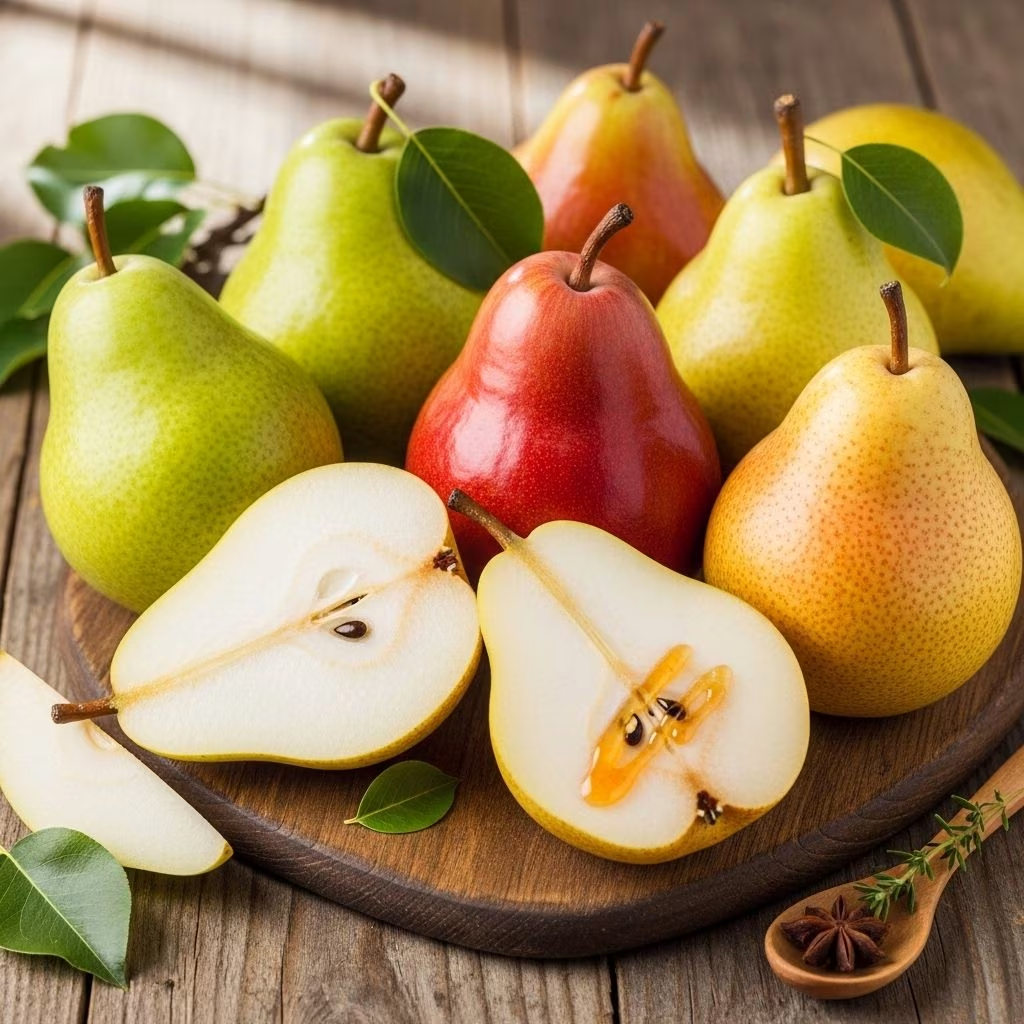
Pear Fruit Guide: Benefits, Culinary Uses, and Distinctive Taste Across Varieties
Pears are among the world’s most cherished and versatile fruits, enjoyed for centuries across continents. Their unique blend of sweetness, texture, and nutritional potency makes pears a staple in kitchens and orchards alike. This comprehensive guide covers everything about the pear: its botany, health benefits, kitchen uses, and the distinctive taste attributes that set different varieties apart.
What Are Pears?
The pear (Pyrus genus) is a fruit native to temperate regions of Europe, Asia, and North Africa, and has played a significant role in diets for thousands of years. There are over 3,000 known varieties grown worldwide, especially noted in countries like China, Italy, and the USA. Pears vary greatly in shape, color, and flavor, with the familiar bell-shaped European pears and the round, crisp Asian pears being the most widely recognized types.
Pear trees typically grow 12 to 18 feet tall and are hardy in USDA Zones 4 to 9, making them accessible to both home gardeners and commercial growers. Pears are grouped broadly into European (soft, buttery) and Asian (crisp, apple-like) categories. The fruit develops at the ends of branches and should be harvested before fully ripening to ensure the best texture and flavor.
Nutritional Value and Health Benefits
Pears are not just known for their delicate flavor but also for their impressive nutritional profile. High in dietary fiber, pears contribute significantly to digestive health, helping to regulate bowel movements and prevent constipation. They are also packed with antioxidants, including vitamin C and polyphenols, and provide a source of potassium—key for heart health.
Key Nutrients in Pears (per 100g)
- Dietary Fiber: 3.6 g (14% DV)
- Potassium: 121 mg (3% DV)
- Vitamin C: 3.8 mg (6% DV)
- Vitamin K: 4.5 mcg (6% DV)
- Folate: 8 mcg (2% DV)
- Magnesium: 8 mg (2% DV)
- Calcium: 4 mg (0% DV)
- Protein: 0.5 g (1% DV)
- Carbohydrates: 10.6 g (4% DV)
Major Health Benefits of Pears
- Digestive Health: The fiber in pears aids digestion and helps prevent constipation.
- Cardiovascular Support: Pears are high in potassium and antioxidants, contributing to lower cholesterol and blood pressure.
- Anti-inflammatory Properties: Pears contain flavonoids and phytonutrients with anti-inflammatory effects, potentially reducing the risk of chronic diseases.
- Blood Sugar Regulation: With a low glycemic index, pears are a safe fruit choice for diabetic diets.
- Anticancer Effects: Research suggests polyphenols in pears may reduce cancer risk.
- Support Against Kidney Stones: Pear consumption may be linked to lower risk of kidney stones by promoting hydration and healthy mineral balance.
- Promote Longevity: The wide range of antioxidants in pears provide anti-aging effects by combating oxidative stress.
Popular Pear Varieties
Pears come in a bewildering array of shapes, sizes, and flavors. The most popular varieties differ markedly in taste, texture, and culinary suitability. Here is a breakdown of the core categories and a selection of well-known cultivars:
European Pears
- Abate Fetel: Semi-crisp, velvety, very sweet with honey notes. Famous in Italy, entire fruit is edible, including the seedbed.
- French Butter: Often soft and intensely aromatic, ideal for snacking and baking.
- Flemish Beauty: Hardy, large fruit with creamy-yellow skin and red blush. Flesh is tender, sweet, and aromatic. Excellent for eating fresh or drying. Susceptible to some pests.
- Belle de Bruxelle: Distinct heirloom favored for its unique flavor.
Asian Pears
- Twentieth Century (Nijisseiki): Medium to large, round, yellow fruits. Crisp, sweet taste reminiscent of apples. Good fresh, stores well, and useful for processing.
- Seckel: Small, olive-green pears with glossy red blush. Dense, moist, and extremely sweet flesh with a crisp texture. Great for fresh eating, cooking, and canning. Disease-resistant.
Comparison Table: European vs Asian Pears
| Feature | European Pears | Asian Pears |
|---|---|---|
| Texture | Velvety, creamy, or soft | Crisp, juicy, apple-like |
| Shape | Classic bell-shape | Round, squat |
| Taste | Sweet, sometimes musky; hints of honey and spice | Mildly sweet, fresh; floral sometimes |
| Common Uses | Fresh eating, baking, drying | Fresh eating, salads, pickling |
| Ripening | Ripens off tree; softens after harvest | Ripens on tree; eaten crisp |
Taste Profile of Pears
The taste of pears is a complex harmony of sweetness, subtle acidity, and often musky or honeyed undertones. Flavors vary across cultivars:
- Seckel Pears: Sweetest profile, crisp and juicy with dense flesh.
- Flemish Beauty: Sweet, musky, aromatic. Tender and creamy when fully ripe.
- Abate Fetel: Velvety, honey-like sweetness; semi-crisp texture.
- Twentieth Century (Asian): Crisp, sweet with apple-like qualities.
Pear textures span from buttery and smooth (classic European types) to crunchy and watery (Asian types), and some have a slightly grainy mouthfeel due to the presence of stone cells. The balance of natural sugars and mild acidity makes pears ideal for both solo snacking and as an ingredient that enhances the flavor profile of many dishes.
Culinary Uses of Pears
Pears are exceptionally versatile in the kitchen, offering flavor and texture to both sweet and savory recipes. Their distinct properties make them adaptable across many cuisines:
- Fresh Eating: Enjoyed raw as a healthy snack or sliced into salads.
- Baking: Pears add moisture and sweetness to cakes, tarts, and muffins. Popular recipes include poached pears, pear galettes, and crumbles.
- Cooking: Roasted or stewed pears make an excellent accompaniment to meats such as pork or duck.
- Canning and Preserves: Many varieties retain flavor and texture when canned, making them ideal for jams, chutneys, and preserves.
- Drying: Dehydrated pears are a healthy snack and can be used in trail mixes or baking.
Pairing suggestions include:
- Cheese boards (especially with blue cheese or goat cheese)
- Nuts (almonds, walnuts, pecans)
- Spices (cinnamon, nutmeg, cardamom)
- Red wine sauces
- Fresh herbs (thyme, mint)
The subtle sweetness and texture of pears also make them a favorite addition to breakfast bowls, grain salads, and even grilled sandwiches.
How to Select and Store Pears
Pears generally ripen from the inside out, so selecting and storing them correctly is crucial for best flavor and texture.
How to Test for Ripeness
- Gently press the neck (stem end) of the pear; if it yields slightly, the fruit is ripe.
- Pears are best picked while still firm and allowed to ripen at room temperature.
- For varieties that continue softening post-harvest (mostly European types), check for a transition from pebbly to a smooth, waxy feel.
Tips for Storing Pears
- Store unripe pears at room temperature to ripen; refrigerate once ripe to prolong shelf life.
- Keep pears separate from high ethylene-producing fruit like apples to avoid early spoilage.
- Well-refrigerated pears can keep for several months depending on the variety.
- Do not squeeze pears during selection or handling—bruises reduce shelf life and palatability.
Pear Growing Basics
Pear trees are both hardy and rewarding for home gardeners. Here are basic tips for growing:
- Sun Exposure: Full sun is essential for proper fruit development.
- Soil: Well-drained loam is ideal; avoid waterlogged areas.
- Pollination: Most pear trees require cross-pollination from a different cultivar for fruit to set, although some Asian pears are self-fertile.
- Bloom Time: Mid-season (April) for most European pears; earlier for Asian varieties.
- Harvest Time: From late July (early Asian types) through October (European types).
- Spacing: Mature height and spread averages 12–18 feet, so plan accordingly.
- Disease Resistance: Select cultivars that resist fire blight and scale for easier management.
Pear trees bear fruit on short side branches called “spurs”. Avoid damaging these during harvest—they set buds for next year’s crop.
Frequently Asked Questions (FAQs)
Q: What is the best way to enjoy pears?
A: Pears are excellent eaten fresh, sliced into salads, baked, roasted, or paired with cheese and nuts. Their versatility also makes them suitable for preserves and desserts.
Q: Are pears suitable for people with diabetes?
A: Yes, pears have a low glycemic index and are safe for diabetic diets. Their fiber content also helps regulate blood sugar levels.
Q: How do different pear varieties taste?
A: European pears tend to have a soft, buttery texture with rich sweetness; Asian pears are crisp, juicy, and mildly sweet. Some varieties, like Seckel, are exceptionally sweet and dense.
Q: When is pear season?
A: Pears are typically harvested from late summer to fall, with availability extending into spring depending on variety and storage practices.
Q: Can pears help lower cholesterol?
A: Yes, pears are rich in soluble fiber and antioxidants that support heart health and may lower cholesterol.
Pear Fruit: A Timeless and Nutritious Choice
Pears deliver both culinary delight and health-promoting nutrients. With over 3,000 varieties to explore, each offering a different blend of taste and texture, pears are truly a fruit for all seasons—and for all eaters. Whether enjoyed fresh, cooked, or preserved, incorporating pears into your diet is a delicious and wholesome choice.
References
- https://andersonseedandgarden.com/blogs/knowledge-center-plants-growing/pears-growing-guide
- https://veritablevegetable.com/pear-variety-guide/
- https://fruit.webhosting.cals.wisc.edu/wp-content/uploads/sites/36/2011/06/Growing-Pears-in-Wisconsin-1.pdf
- https://livesimplynatural.com/produce-guide-pears/
- https://extension.umn.edu/fruit/growing-pears
- https://thegreenurbanlunchbox.com/pear-fruit-guide/
- https://vegetable-garden.me.uk/?page_id=1874
- https://www.wholefoodsmarket.com/tips-and-ideas/food-guides/pears


