


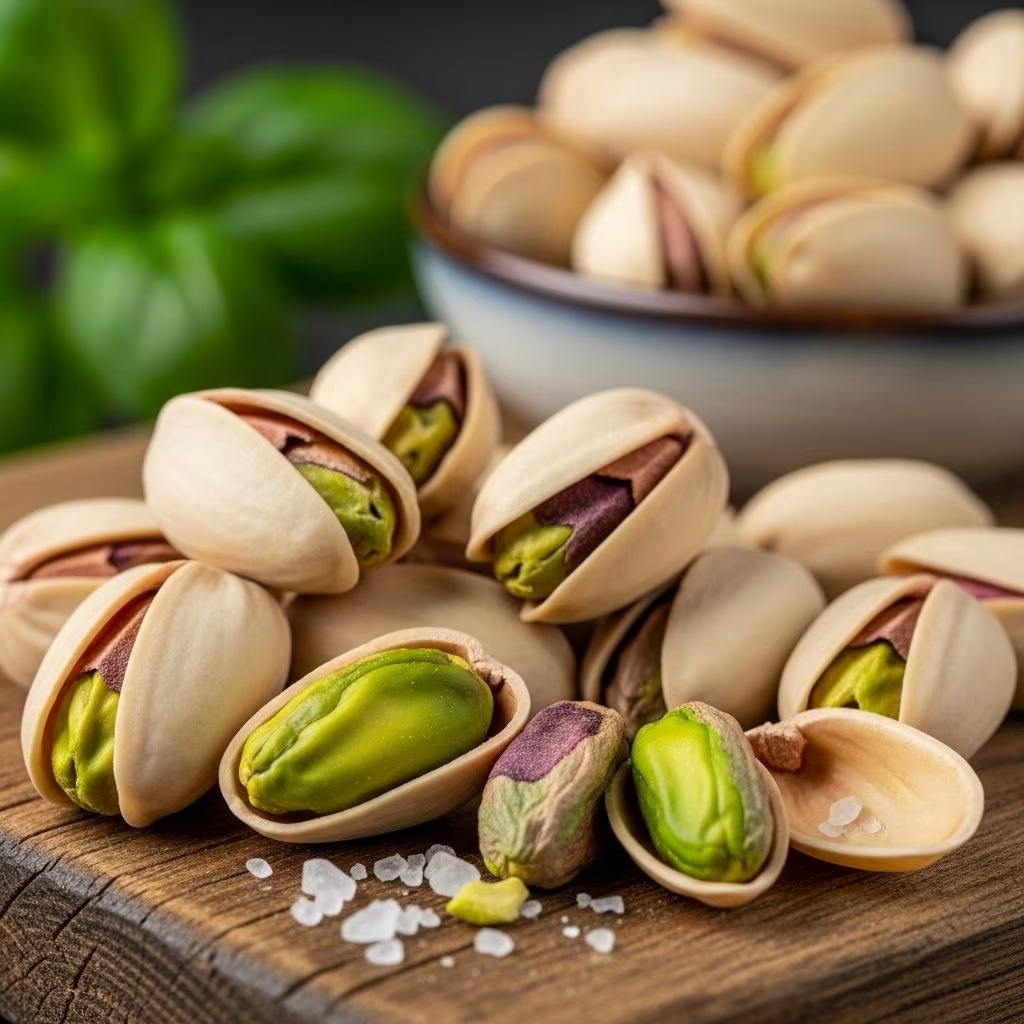
Introduction to Pistachios
Pistachios are among the world’s oldest cultivated nuts, revered for their distinctive flavor, vibrant color, and exceptional nutritional profile. These edible seeds of the Pistacia vera tree have gained global popularity as a snack and ingredient in both sweet and savory dishes. Their history dates back thousands of years, with archaeological evidence indicating consumption as early as 7,000 BC in the Middle East and around the Mediterranean.
Botanical Background and Origins
Pistachios are produced by the Pistacia vera tree, a member of the cashew family (Anacardiaceae). Native to regions stretching from Central Asia to the Middle East, the tree thrives in hot, dry climates and well-drained soils. Iran, the United States (particularly California), and Turkey are now among the world’s leading pistachio producers, with cultivation expanding to Mediterranean countries, China, and Australia.
The pistachio tree is dioecious, meaning male and female flowers grow on separate trees. After pollination, the female trees yield clusters of oval-shaped fruits containing the seed known as the pistachio nut. The characteristic split in the shell occurs naturally as the nut ripens.
- Scientific Name: Pistacia vera
- Family: Anacardiaceae
- Major Producers: Iran, USA (California), Turkey
- Typical Harvest Season: Late summer to early autumn
Nutritional Profile of Pistachios
Pistachios are among the most nutrient-dense nuts, supplying essential vitamins, minerals, healthy fats, and plant protein. A standard serving size is about 1 ounce (28 grams), roughly 49 kernels.
| Nutrient | Per 1 oz (28g) Serving | % Daily Value* |
|---|---|---|
| Calories | 159 | – |
| Protein | 6g | 12% |
| Total Fat | 13g | 20% |
| Carbohydrates | 8g | 3% |
| Fiber | 3g | 12% |
| Sugars | 2g | – |
| Potassium | 289mg | 6% |
| Phosphorus | 139mg | 11% |
| Vitamin B6 | 0.5mg | 28% |
| Thiamin (B1) | 0.25mg | 21% |
| Copper | 0.4mg | 41% |
| Manganese | 0.3mg | 15% |
*Percent Daily Value (% DV) based on a 2,000-calorie daily diet.
- Pistachios are among the top sources of vitamin B6, which is crucial for blood sugar regulation and hemoglobin production.
- They are rich in copper, supporting immune function and iron absorption.
- They provide more potassium per serving than half a large banana.
Pistachios stand out among nuts for their lower calorie and fat content, despite being energy dense. They offer a high quality plant-based protein with a favorable amino acid profile, making them especially suitable for vegetarian and vegan diets.
Health Benefits of Pistachios
Pistachios offer a wide range of science-backed health benefits, making them a smart addition to many diets. Here are some of the most notable advantages:
1. Rich in Antioxidants
Pistachios contain powerful antioxidants such as lutein, zeaxanthin, and polyphenols. These compounds help neutralize free radicals, reduce oxidative stress, and protect cells from damage, contributing to reduced risks for heart disease, dementia, and certain cancers.
2. Heart Health and Cholesterol Control
Regular pistachio consumption is associated with improved heart health, partially due to their high levels of monounsaturated fats and phytosterols. Clinical studies show pistachios help:
- Lower LDL (‘bad’) cholesterol
- Increase HDL (‘good’) cholesterol
- Improve overall blood lipid profiles
The nuts are also a source of L-arginine, promoting nitric oxide production which helps relax blood vessels and lower blood pressure.
3. Weight Management
Pistachios’ combination of fiber, protein, and healthy fats promotes satiety, helping to curb appetite and support weight management goals. Studies indicate that pistachio eaters tend to consume fewer calories overall and maintain healthier weights compared to those who choose more calorie-dense snacks.
4. Blood Sugar Regulation
Low in glycemic index, pistachios help regulate blood sugar levels and provide a diabetes-friendly snack option. Their fiber and antioxidant content supports healthy insulin function and glycemic stability.
5. Gut Health
The fiber in pistachios acts as a prebiotic, fostering the growth of beneficial gut bacteria. This can improve digestion, promote regularity, and reduce inflammation in the digestive tract.
6. Eye Health
With abundant levels of carotenoids (like lutein and zeaxanthin), pistachios aid in preventing macular degeneration, cataracts, and other age-related eye diseases. These antioxidants can help protect the retina and overall visual function.
7. Skin Health
Pistachios offer vitamins and antioxidants that nourish skin, help maintain its tone, and provide anti-inflammatory protection useful for combating acne and irritation.
8. Protein for Muscle and Tissue Health
Supplying high-quality vegetable protein, pistachios support muscle maintenance, growth, and repair. Their amino acid profile is superior to many other nuts and is easily digested.
Summary Table: Key Health Benefits of Pistachios
| Health Benefit | Main Supporting Nutrient | Key Research Highlights |
|---|---|---|
| Antioxidant Protection | Lutein, Zeaxanthin, Polyphenols | May reduce cellular damage and disease risk |
| Heart Health | Monounsaturated Fat, Phytosterols | Lowers LDL and boosts HDL cholesterol |
| Weight Management | Fiber, Protein | Promotes satiety, helps manage calorie intake |
| Blood Sugar Control | Fiber, Magnesium, Vitamin B6 | Stabilizes glucose and insulin levels |
| Gut Health | Dietary Fiber | Supports healthy microbiome and digestion |
| Eye Health | Carotenoids | Protects against age-related vision decline |
Culinary Uses of Pistachios
Pistachios are prized for their versatility in the kitchen. Their mild, naturally sweet flavor and vibrant green color make them a favorite ingredient worldwide.
- Snacking: Enjoyed raw, roasted, salted, or flavored as a nutritious snack.
- Baking: Used in cookies, cakes, biscotti, breads, and pastries.
- Desserts: Star ingredient in ice cream, gelato, puddings, and baklava.
- Salads & Sides: Sprinkled over salads, grain bowls, roasted vegetables, and pilafs.
- Main Dishes: Incorporated in crusts, stuffings, and as garnish for meat, poultry, or fish.
- Pastes & Butters: Mashed into pistachio butter or paste for use in desserts and savory sauces.
- Dairy & Vegan Alternatives: Blended into creamy bases for cheese substitutes, yogurt, and plant-based milks.
Globally, classic dishes featuring pistachios include Persian fesenjan, Italian pistachio gelato, Middle Eastern baklava, and Indian kulfi.
Taste Profile: What Do Pistachios Taste Like?
The pistachio offers a unique taste experience that is both subtly sweet and mildly savory, with a creamy, buttery texture and a gentle crunch. Its flavor is complimented by earthy undertones, and when roasted, its sweetness is heightened along with a deeper nutty aroma.
- Raw Pistachios: Mildly sweet, delicate, and slightly grassy or herbal.
- Roasted Pistachios: Intensified sweetness and nutty flavor, with crispy crunch.
- Salted or Flavored: Enhanced savory and aromatic notes depending on seasonings.
The balanced sweetness and satisfying mouthfeel make pistachios highly adaptable in both sweet and savory cuisine, as well as appealing for direct snacking.
Potential Allergies and Concerns
While pistachios offer significant health benefits, there are some points to be aware of:
- Calorie Dense: Moderation is recommended due to the high energy content; a standard serving is about 1 ounce.
- Nut Allergies: Individuals with tree nut allergies should avoid pistachios and consult an allergist for safe alternatives.
- Salted Varieties: Excess sodium intake from heavily salted pistachios may impact cardiovascular health; choose unsalted or lightly salted for best results.
Frequently Asked Questions (FAQs)
Q: Can pistachios help with weight loss?
A: Yes, pistachios’ combination of protein, fiber, and healthy fats promotes satiety, helping reduce overall calorie intake and support weight management.
Q: Are pistachios suitable for people with diabetes?
A: Pistachios have a low glycemic index and help regulate blood sugar, making them diabetes-friendly and safe for most people with diabetes when consumed in moderation.
Q: How are pistachios typically enjoyed?
A: Pistachios can be eaten raw, roasted, or flavored, and are common in desserts, salads, baking, and as a garnish for savory dishes.
Q: What nutrients make pistachios unique?
A: Pistachios are especially rich in vitamin B6, copper, potassium, and antioxidants, which contribute to their distinctive health benefits.
Q: Are pistachios good for heart health?
A: Yes, regular consumption can help lower LDL cholesterol, raise HDL cholesterol, reduce blood pressure, and improve overall cardiovascular health.
Q: Is it possible to consume too many pistachios?
A: Due to their high caloric density, moderation is key. Eating large amounts regularly could contribute to weight gain.
Conclusion
Pistachios stand out as a delicious, versatile, and highly nutritious nut, valued for their unique flavor and impressive health benefits. Whether enjoyed as a simple snack or a gourmet ingredient, incorporating pistachios into your diet adds color, taste, and a wealth of nutritional value to daily meals.
References
- https://www.healthline.com/nutrition/9-benefits-of-pistachios
- https://www.medicalnewstoday.com/articles/322899
- https://www.bbcgoodfood.com/health/top-5-health-benefits-of-pistachio-nuts
- https://fastachi.com/blogs/nut-lovers/pistachio-health-benefits
- https://pmc.ncbi.nlm.nih.gov/articles/PMC4890834/
- https://americanpistachios.org/sharon-palmer-green-superfood-nut
- https://www.youtube.com/watch?v=Ymn7RXIFklw
- https://www.hollandandbarrett.com/the-health-hub/food-drink/food/benefits-of-pistachios/


