Poison oak is a common plant in North America that can trigger an intensely itchy rash when its oily resin, urushiol, touches the skin. This guide provides comprehensive information to help you identify, prevent, and soothe poison oak rashes using both traditional remedies and medical interventions.
What Is Poison Oak?
Poison oak refers to several plants in the genus Toxicodendron, known for causing allergic reactions. Despite its name, poison oak is not directly related to common oak trees. It is commonly found in wooded or brushy areas throughout the United States, especially in the western and southern regions.
- Appearance: Poison oak leaves typically cluster in threes, are lobed like oak leaves, and may have a glossy or dull surface.
- Toxic compound: The potent allergen urushiol is present in the leaves, stems, and roots.
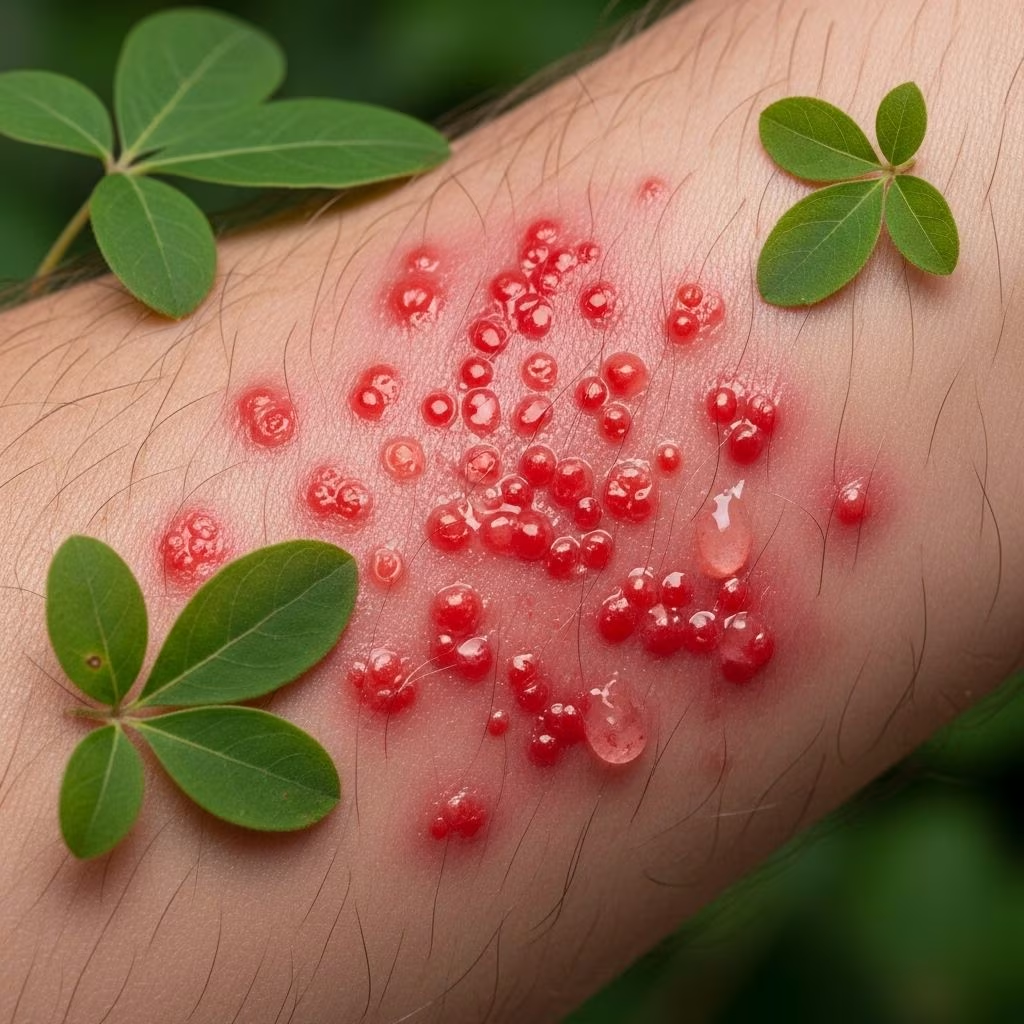
- Allergic reaction: Contact with urushiol oil triggers an itchy, blistering rash in most people within 12–72 hours.
Symptoms of Poison Oak Rash
Symptoms usually develop after exposure to urushiol, but sensitivity varies. A few people may not react, while most will develop obvious signs.
- Redness and swelling at the site of contact
- Intense itching
- Small or large blisters (may weep clear fluid)
- Patchy or streaky rash pattern (often reflecting where the plant brushed the skin)
- Sometimes, pain or burning accompanies the rash
The rash itself is not contagious; only direct or indirect contact with urushiol can spread it to other areas or people.
How to Identify Poison Oak
Avoiding poison oak is the best prevention. Here’s how to recognize it:
- Leaves: Composed of three leaflets per stem, with rounded or lobed margins (similar to oak leaves).
- Color: Green in spring/summer, may turn red or orange in fall.
- Surface: Can be glossy or dull; sometimes has fine hairs underneath.
- Growth habit: Can appear as a low shrub or climbing vine.
Remember, “Leaves of three, let them be!” applies equally to poison oak and its cousins, poison ivy and poison sumac.
Why Does Poison Oak Cause a Rash?
The culprit is urushiol, an oily substance that penetrates the skin on contact. The immune system reacts by releasing chemicals that cause inflammation, itching, and blistering.
- Urushiol can remain potent on plants, clothing, tools, and pet fur for months or even years if not washed off.
- Even a tiny amount—less than a grain of salt—can cause a reaction in sensitive individuals.
Preventing Poison Oak Rash
Prevention is far easier than treating an outbreak. Use these proven strategies to minimize your risk:
- Learn to identify poison oak and avoid areas where it grows.
- Wear protective clothing: Long sleeves, pants, and gloves when hiking or working near brush.
- Apply barrier creams or ivy blockers to exposed skin (at least 15 minutes before outdoors). Reapply as directed.
- Do not burn poison oak; inhaling urushiol in smoke can severely irritate the lungs.
- Keep pets on a leash and away from brush, and wash their fur if they’ve contacted suspicious plants.
- Remove poison oak plants from your property with caution (wear gloves, bag all plant parts, wash tools thoroughly).
After Potential Exposure
- Immediately wash exposed skin with lukewarm, soapy water—ideally within 10–15 minutes.
- Remove and wash contaminated clothing in hot water and detergent.
- Thoroughly clean boots, tools, backpacks, and any gear with soapy water or rubbing alcohol.
- Shower—not bathe—to rinse off remaining oil from skin and hair.
Home Remedies for Poison Oak Rash
Most mild poison oak rashes can be safely treated at home. The main goal is to soothe irritation and prevent infection.
Top Home Remedies
- Cool compresses: Apply clean, cold, damp cloths to the area for 15–30 minutes several times daily.
- Baking soda paste: Mix baking soda with water to make a thick paste; spread on the rash for cooling relief.
- Oatmeal baths: Add colloidal oatmeal or a cup of ground oatmeal to lukewarm bathwater for 15–20 minutes. This relieves itching and soothes skin.
- Aloe vera gel: Apply pure aloe vera directly to the rash for a cooling, anti-inflammatory effect.
- Calamine lotion: Dab on affected skin to dry oozing blisters and reduce itching. (Do not use on open wounds.)
- Witch hazel: Soothes itch and inflammation—apply gently with a cotton ball.
Other Gentle Soothers
- Cucumber slices offer a natural cooling sensation.
- Apple cider vinegar may help dry oozing rashes.
- Loose cotton clothing and bedding help prevent further irritation.
Medical Treatment Options
If home remedies are insufficient, or the rash is severe or widespread, several over-the-counter and prescription treatments are available:
| Remedy/Medication | Purpose | Usage/Considerations |
|---|---|---|
| Hydrocortisone cream | Reduces inflammation and itching | Apply thinly 2–3 times daily on small areas; not for open wounds |
| Calamine lotion | Dries blisters; relieves itching | Safe for adults and children; avoid eyes/mucous membranes |
| Oral antihistamines | Lessens itching and helps with sleep | E.g., diphenhydramine (Benadryl); may cause drowsiness |
| Oatmeal bath products | Skin soothing, relieves itch | Add to lukewarm bath; avoid hot water |
| Prescription corticosteroids | Reduces severe inflammation | Oral or injected; for widespread or severe cases only |
- Blisters should be left intact to protect underlying tissue—do not pop or pick at them.
- If the rash does not improve in seven to ten days, or there are signs of infection (increased redness, pus, warmth, fever), seek medical attention.
When to Seek Medical Help
Contact your healthcare provider immediately if you experience:
- Difficulty breathing or swallowing
- Rash on eyes, face, mouth, or genitals
- Severe swelling (especially if one or both eyes swell shut)
- Widespread rash covering most of the body
- Signs of infection: pus, warmth, increasing pain, high fever
- Itching that interferes with sleep or daily activities
Do’s and Don’ts for Poison Oak Rash
Follow these practices to promote healing and avoid spreading the rash:
- Do wash affected area and all possibly contaminated items right away
- Do keep fingernails trimmed to avoid additional skin damage from scratching
- Do take short, lukewarm baths and avoid hot showers (which increase itching)
- Don’t scratch blisters or affected areas—can lead to infection
- Don’t use bleach or harsh cleaners on your skin
- Don’t share towels, sheets, or clothing that may be contaminated with urushiol
Quick Relief Tips for Itching
- Keep the rash cool and dry
- Topical menthol, camphor, or calamine lotion can help distract from itching
- Take oral antihistamines at bedtime to improve sleep (if approved by a doctor)
Common Myths About Poison Oak
- Myth: The rash is contagious.
Fact: Only urushiol oil spreads the rash, not the fluid from blisters. - Myth: Scratching helps the rash heal.
Fact: Scratching can introduce bacteria and increase infection risk. - Myth: Home remedies like bleach or gasoline can treat the rash.
Fact: These harsh substances only damage the skin further.
Frequently Asked Questions (FAQs)
Q: How long does poison oak rash last?
A mild poison oak rash usually resolves within 1–3 weeks. Severe cases or those with heavy exposure may take longer to fully clear.
Q: Can you get poison oak from someone else’s rash?
No, the rash itself isn’t contagious. Contact with urushiol oil on clothes, tools, or pets can cause new outbreaks.
Q: What is the fastest way to relieve poison oak itching?
Cool compresses, calamine lotion, and oatmeal baths provide effective immediate relief. Oral antihistamines may help nighttime itching.
Q: Can you use hydrocortisone cream on poison oak rashes?
Yes, 1% hydrocortisone cream reduces inflammation and itching, especially in mild to moderate cases. Avoid use on open sores.
Q: Should you pop poison oak blisters?
No, you should not pop blisters. The skin covering the blister protects against infection. If blisters burst naturally, cover with a sterile bandage.
Q: When should you call a doctor for poison oak?
Seek immediate help if you have trouble breathing, severe facial swelling, rash on sensitive areas (eyes, mouth, genitals), or signs of infection like pus or fever.
Summary Table: Poison Oak Rash Remedies & Preventive Steps
| Aspect | Recommended Steps |
|---|---|
| Prevention | Avoid plant, wear protective clothes, clean exposed areas and items |
| First Aid | Wash skin immediately with soap, change and wash clothing |
| Home Care | Cool compresses, calamine lotion, oatmeal baths, hydrocortisone cream |
| Medical Treatment | Prescription corticosteroids, oral antihistamines in severe cases |
| What to Avoid | Scratching, using harsh chemicals, popping blisters |
Final Thoughts
While a poison oak rash can be uncomfortable and disruptive, most cases resolve with proper home care and prevention. By recognizing the plant, using barriers and protective measures, and promptly washing after potential exposure, you can greatly reduce your risk. If you experience severe symptoms or signs of infection, consult a healthcare provider for specialized treatment.
References
- https://www.aad.org/public/everyday-care/itchy-skin/poison-ivy/prevent-rash
- https://www.benadryl.com/itchy-skin/poison-ivy-oak-sumac-rashes-symptoms-relief
- https://www.aad.org/public/everyday-care/itchy-skin/poison-ivy/treat-rash
- https://www.webmd.com/allergies/understanding-poison-ivy-oak-sumac-treatment
- https://www.fda.gov/consumers/consumer-updates/outsmarting-poison-ivy-and-other-poisonous-plants
- https://www.nationwidechildrens.org/conditions/poison-ivy-poison-oak-and-poison-sumac
- https://my.clevelandclinic.org/health/diseases/10655-poison-plants-poison-ivy–poison-oak–poison-sumac
- https://www.nm.org/healthbeat/healthy-tips/How-to-Manage-the-Itch-Makers-Poison-Ivy-Poison-Oak-Poison-Sumac
- https://www.mayoclinic.org/diseases-conditions/poison-ivy/diagnosis-treatment/drc-20376490