


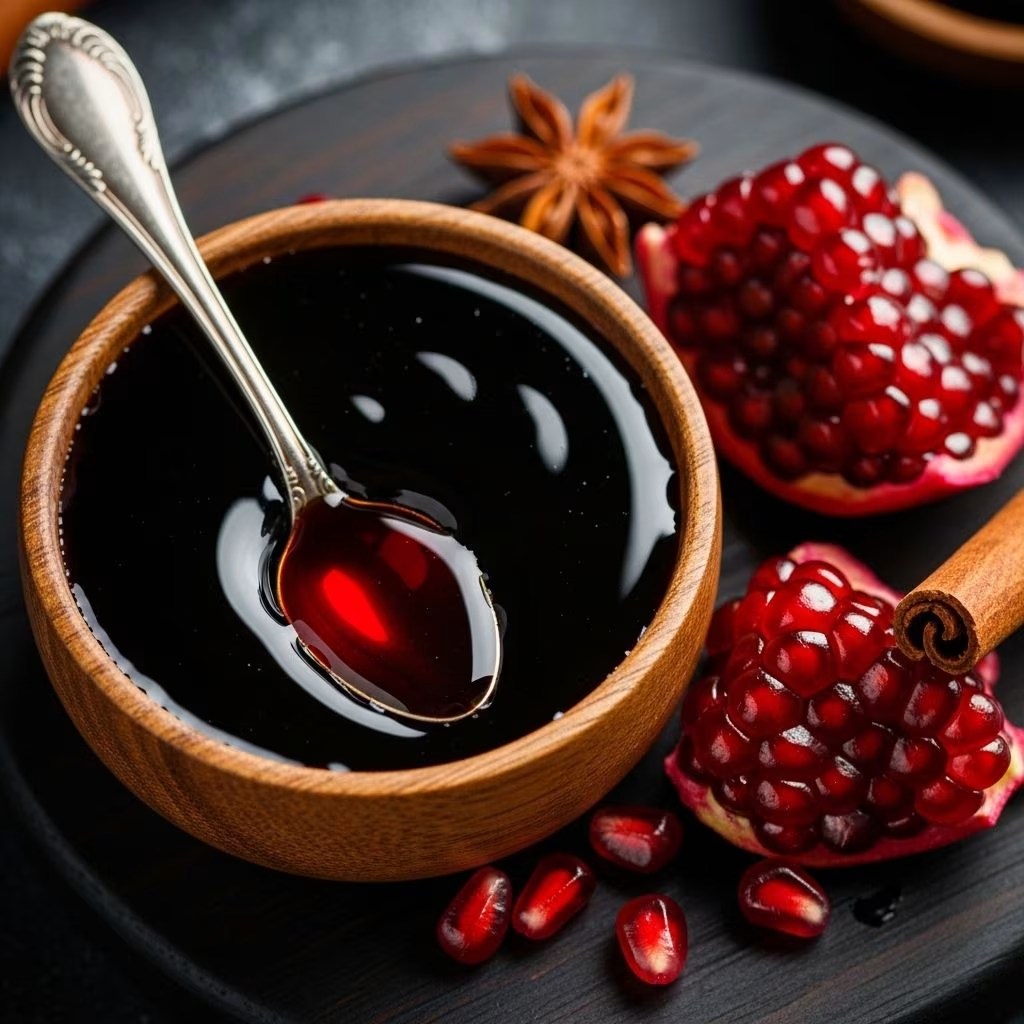
Pomegranate molasses has enchanted cooks for centuries with its luscious, deeply flavored syrup that brings a uniquely sweet-tart complexity to dishes. Long celebrated in Persian, Turkish, and Levantine cuisines, this ingredient is now finding its way into kitchens around the globe. In this comprehensive guide, delve into the origins, making process, nuanced flavor, health benefits, and the myriad ways you can sprinkle, drizzle, or stir this ruby elixir into your home cooking.
Origin and History of Pomegranate Molasses
Pomegranate molasses traces its roots back to ancient Persia and the Levant, where the abundance of pomegranates made it a staple in local pantries. Culinary records indicate its use in Middle Eastern and Mediterranean societies going back centuries, prized both as a condiment and a preservative in a time before refrigeration. Today, it continues as a bedrock flavor in regional dishes from Iran, Syria, Lebanon, and Turkey, while also enjoying newfound attention among global chefs for its vibrant, sophisticated character.
What Exactly Is Pomegranate Molasses?
Pomegranate molasses is a concentrated syrup made by reducing pomegranate juice—sometimes with added sugar and lemon juice—until it becomes thick and glossy. Unlike molasses made from sugar cane, pomegranate molasses is not a byproduct of sugar refining, but a stand-alone essence of fruit intensity. Authentic versions are often made of nothing but 100% pomegranate juice, slowly cooked to a syrupy consistency without additives or artificial colors.
- Appearance: Deep burgundy to dark brown, viscous and glossy.
- Main Ingredient: Pure pomegranate juice, sometimes a touch of sugar and lemon juice.
- Texture: Syrupy, thicker than pomegranate juice, but still pourable.
How Is Pomegranate Molasses Made?
The process for making pomegranate molasses can be remarkably simple or slightly sweetened, depending on tradition and preference. Homemade versions are easy to prepare and allow you to control the purity and intensity.
Traditional Method
- Juice Extraction: Start with fresh pomegranate arils or use 100% bottled pomegranate juice for convenience.
- Simmering: Pour the juice into a heavy saucepan and bring it to a gentle simmer. Avoid a rolling boil, as this can dull the fruit’s brightness.
- Reduction: Simmer the juice (optionally add a small amount of sugar and lemon juice) until it reduces to about 25% of its original volume. This usually takes 1.5 to 2 hours, yielding a syrup that coats the back of a spoon.
- Cooling: Remove from heat and let cool; it thickens further as it comes to room temperature.
- Storage: Transfer to a clean jar and refrigerate. It can keep for up to six months.
Homemade Pomegranate Molasses: Basic Recipe
- 4 cups 100% pomegranate juice
- 2/3 cup sugar (optional, adjust to taste)
- 2 tablespoons lemon juice (for brightness and preservation)
Simmer as directed above, stirring occasionally. The syrup is ready when reduced to about 2/3 or 3/4 cup, thick and glossy.
Key Nutritional Benefits
Aside from its alluring taste, pomegranate molasses retains many of the healthful properties of the fruit itself. Here’s why it’s cherished in health-forward kitchens:
- Rich in Antioxidants: Pomegranates are high in polyphenols—like punicalagins and anthocyanins—that help combat oxidative stress and may protect against inflammation.
- Vitamin Content: Contains small amounts of vitamin C, potassium, and some B vitamins. The juice’s concentration means micronutrients are present in higher density.
- Supports Heart Health: Some studies suggest pomegranate juice may help lower blood pressure and reduce cholesterol levels.
- Low Fat & No Saturated Fat: Virtually fat-free and cholesterol-free. Contains natural sugars (about 10g per tablespoon) but lower than many artificial syrups.
- Vegan and Gluten-Free: A natural fit for plant-based and gluten-free diets.
Taste Profile: What Does It Taste Like?
The best way to describe pomegranate molasses is “sweet, tangy, and intensely fruity with a hint of bitterness.” Its flavor balances fruit-forward sweetness against robust acidity and subtle sourness—a bold, mouthwatering combination unmatched by other syrups.
| Flavor Note | Description |
|---|---|
| Sweetness | Natural fruit sugars offer a honeyed undertone, more pronounced if sugar is added. |
| Tartness | Distinct, palpable tang reminiscent of fresh pomegranate juice. |
| Bitterness | Delicate, almost tannic edge—most noticeable in unsweetened varieties. |
| Acidity | Bright, refreshing sharpness from concentrated fruit acids and optional lemon juice. |
| Umami Depth | Complex, savory undertone that lends depth, especially in savory dishes. |
This harmony of contrasting notes means pomegranate molasses can enliven both savory and sweet recipes without overpowering either.
How to Use Pomegranate Molasses in Cooking
Thanks to its punchy taste and syrupy body, pomegranate molasses is renowned as a culinary chameleon. Explore its diverse uses:
Popular Uses in Middle Eastern and Mediterranean Cuisine
- Salad Dressings: Whisk into vinaigrettes for fattoush or modern salads, replacing vinegar or lemon juice for a richer tartness.
- Marinades: Adds depth and caramelizes beautifully on grilled chicken, lamb, or seafood. Pairs well with spices like allspice, sumac, and cumin.
- Drizzles and Finishing Touches: Splash over roasted vegetables, hummus, baba ganoush, cheeses, or hearty grains for instant brightness.
- Braising and Stews: Traditional in dishes like fesenjan (a Persian chicken and walnut stew), it enriches sauces with complexity and a touch of sweetness.
- Desserts: Swirl into yogurt, glazes, cakes, or fruit salads; drizzle over ice cream or pancakes for an exotic fruity tang.
- Beverages and Cocktails: Stir into spritzers, sodas, or craft cocktails for tart color and flavor.
Creative Ideas for Modern Kitchens
- Toss with brussels sprouts, carrots, or eggplant before roasting.
- Blend into barbecue sauces, ketchup, or hot sauces for complexity.
- Whisk into beetroot or bulgur salads alongside fresh herbs.
- Combine with olive oil, garlic, and honey for an all-purpose glaze.
- Experiment in baked goods: brownies, meringues, or sticky cakes.
Pomegranate Molasses vs. Other Syrups
| Feature | Pomegranate Molasses | Balsamic Glaze | Maple Syrup |
|---|---|---|---|
| Main Ingredient | Pomegranate juice | Grape must, vinegar | Maple tree sap |
| Flavor | Sweet, tart, fruity, slight bitterness | Sweet, tangy, umami | Pure sweet, woody |
| Typical Uses | Salads, meat, dips, desserts | Salads, drizzles, meats | Pancakes, baking, glazes |
| Color | Deep burgundy-brown | Dark brown-black | Golden amber to dark brown |
Buying and Storing Tips
When shopping for pomegranate molasses, look for products where pomegranate juice is the first and ideally only ingredient. Avoid those with excessive added sugars, artificial flavors, or preservatives. High-quality brands include many Middle Eastern and specialty food labels.
- Storage: Keep in a tightly sealed jar in the refrigerator. Properly stored, it lasts for 4–6 months without significant loss of flavor.
- Signs of Quality: Thick, pourable texture; vibrant, complex aroma; no sediment or cloudiness unless noted as ‘unfiltered.’
Frequently Asked Questions (FAQs)
Is pomegranate molasses the same as pomegranate syrup?
While the terms are sometimes used interchangeably, pomegranate syrup is often sweeter and thinner, sometimes intended for drinks or desserts. Pomegranate molasses is more concentrated, typically less sweet, and thicker—designed as a bold flavoring agent in savory as well as sweet dishes.
Can I substitute pomegranate molasses for lemon or vinegar?
In many recipes, yes: it brings an acidic lift similar to citrus or vinegar, but with more fruity depth. Try it in salad dressings, marinades, or any dish needing tart balance.
Is pomegranate molasses suitable for vegans and gluten-free diets?
Absolutely. Pure pomegranate molasses is made from fruit juice alone, containing no animal-based or gluten-containing ingredients.
What does it pair best with?
It shines with grilled meats, roasted vegetables, fresh cheeses (like feta), salads, yogurt, and even chocolate-based desserts. Try it in traditional dishes or as a creative substitute for other sweet-and-sour condiments.
How much should I use?
Its intensity means a little goes a long way. Start with a teaspoon, taste, and adjust up as needed.
Can I make it at home?
Yes! Homemade versions use fresh or bottled pomegranate juice, sometimes with a touch of sugar and lemon juice, simmered until thickened. See the method above for details.
In Summary
Pomegranate molasses is a pantry staple that bridges centuries of tradition and modern innovation, delivering depth, brightness, and nuanced complexity to any dish. Whether you drizzle it over vegetables, whisk into sauces, or swirl into desserts, this versatile ingredient promises to transform your cooking with color, flavor, and a taste of the Mediterranean sun.
References
- https://www.themediterraneandish.com/pomegranate-molasses/
- https://ingredientbyrachelphipps.substack.com/p/pomegranate-molasses
- https://californiagrown.org/recipes/pomegranate-molasses/
- https://simplybeautifuleating.com/2020/03/30/healthier-pomegranate-molasses/
- https://en.wikipedia.org/wiki/Pomegranate_molasses
- https://www.myjewishlearning.com/the-nosher/what-is-pomegranate-molasses-and-how-do-you-use-it/


