


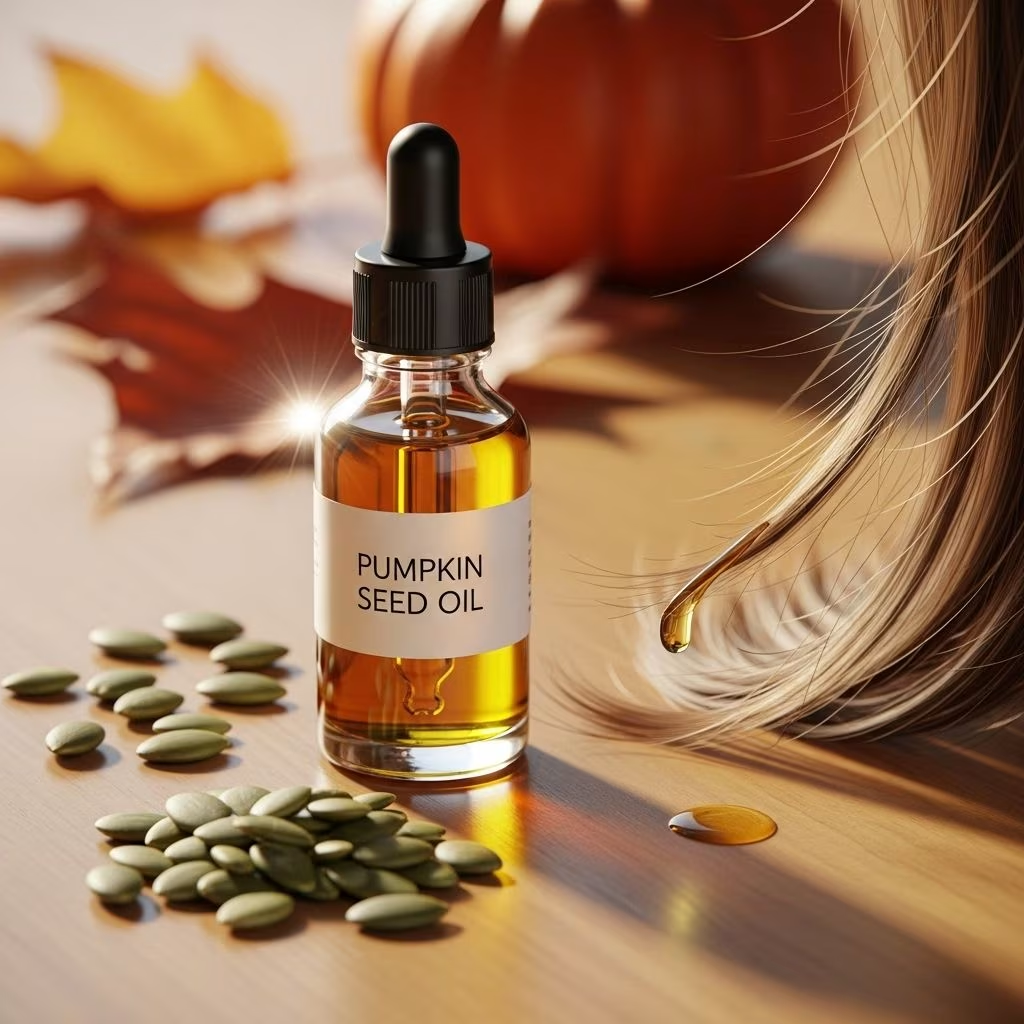
Pumpkin Seed Oil: Hair Benefits, How to Use & Tips
Pumpkin seed oil, extracted from the seeds of Cucurbita pepo, is increasingly recognized in both scientific literature and popular wellness culture for its potential role in promoting hair growth, slowing hair loss, and nourishing the scalp. This guide explores the latest research, practical usage advice, potential side effects, and answers to frequently asked questions about pumpkin seed oil and your hair health.
What is Pumpkin Seed Oil?
Pumpkin seed oil is a dark green, viscous oil derived from cold-pressed pumpkin seeds. Traditionally used in culinary contexts, it is rich in fatty acids, antioxidants, phytosterols (plant sterols), vitamins (particularly vitamin E), and minerals such as zinc and magnesium. Its unique biochemical profile has prompted both anecdotal and formal studies into its potential for improving overall health—including hair and scalp wellness.
Hair Benefits of Pumpkin Seed Oil
Among the many natural oils considered for hair care, pumpkin seed oil stands out for several science-supported and hypothesized benefits:
- Promotes Hair Growth: Clinical studies indicate that both topical and oral pumpkin seed oil can stimulate hair growth rates and increase hair density in certain populations.
- Reduces Hair Loss: The oil appears to help counteract androgenic alopecia (male and female pattern baldness) by blocking 5-alpha reductase enzyme activity, thereby lowering levels of dihydrotestosterone (DHT), a hormone linked to hair loss.
- Nourishes the Scalp: With its blend of fatty acids (omega-3, omega-6), vitamin E, and zinc, pumpkin seed oil provides hydrating and anti-inflammatory support for scalp tissue—potentially reducing dryness, irritation, and flakiness.
- Supports Follicle Health: The oil’s phytoestrogens and antioxidants may help strengthen hair follicles and promote anagen (growth) phase in hair cycling.
- Improves Hair Texture & Shine: Regular use can help increase moisture levels, soften hair, manage frizz, and enhance overall hair sheen.
Scientific Evidence & Clinical Studies
The effectiveness of pumpkin seed oil for hair has been investigated in several studies on both animals and humans.
Key Studies and Findings
- Clinical Trial in Men with Androgenetic Alopecia: In a 24-week randomized, double-blind, placebo-controlled study of 76 men, oral pumpkin seed oil (400 mg daily) resulted in a 40% increase in mean hair count, compared to 10% in the placebo group. Participants also reported higher satisfaction and improved hair thickness, with no significant adverse effects.
- Animal Model (Mouse Study), Topical Application: A 2019 study showed that topical pumpkin seed oil reversed testosterone-induced hair growth retardation in mice. After 3 weeks, the group using 10% pumpkin seed oil had significantly higher hair growth scores and more follicles in the growing (anagen) phase compared to those receiving testosterone only.
- Comparisons With Minoxidil: Research comparing pumpkin seed oil and minoxidil demonstrated that while minoxidil showed slightly higher results, pumpkin seed oil also significantly improved hair growth markers and can be considered a promising natural alternative, especially for those seeking non-pharmaceutical approaches.
- Effects on Hormonal Hair Loss: Studies hypothesize that phytosterols and other minor constituents in pumpkin seed oil may inhibit enzymes and hormones (like DHT) responsible for follicle miniaturization and progressive hair loss.
Summary Table: Study Results
| Study Type | Population | Usage Method | Duration | Result |
|---|---|---|---|---|
| Randomized Controlled (Human) | 76 men (mild-to-moderate AGA) | Oral (400mg/day) | 24 weeks | +40% hair count vs +10% (placebo) |
| Controlled (Mouse) | Male Swiss mice | Topical (5 60%) | 3 weeks | Hair growth restored, more follicles in anagen phase |
| Comparative (Human) | Women (pattern hair loss) | Topical pumpkin seed oil vs minoxidil | 3 months | Similar results for both groups |
How to Use Pumpkin Seed Oil for Hair
Pumpkin seed oil can be incorporated into your hair care routine in several ways, either as a stand-alone product or mixed with other ingredients. Below are common methods of application:
Topical Application
- Scalp Massage: Warm a few drops of cold-pressed pumpkin seed oil in your hands. Massage gently into clean, dry scalp for 5 610 minutes. Focus on areas of thinning or concern.
- Pre-Shampoo Treatment: Apply oil thoroughly to scalp and strands; leave for 30 6160 minutes before shampooing. For deeper conditioning, leave oil in overnight and shampoo as usual in the morning.
- Leave-In Serum: Mix a few drops of pumpkin seed oil with your favorite carrier oil (e.g., jojoba, coconut) and apply to the ends of damp hair to improve manageability and shine.
- DIY Masks: Blend pumpkin seed oil with natural ingredients such as honey, yogurt, or avocado and apply as a nourishing mask for 20 6130 minutes before rinsing.
Oral Supplementation
- Take pumpkin seed oil capsules daily, typically 400 mg, as used in clinical studies. Consult your healthcare provider before starting supplements, especially if you have underlying health conditions.
Frequency & Duration
- For topical use, 2 663 times per week is generally effective. Oral supplementation is often recommended daily for up to six months for best results, based on research studies.
Tips for Best Results
- Use cold-pressed, unrefined pumpkin seed oil for maximum nutrient retention.
- Combine topical oil treatments with regular gentle scalp massage to boost circulation.
- Consistency is key: benefits may take several weeks to months to become evident.
- Pair with a holistic approach including a nutrient-rich diet, stress management, and regular exercise.
Tips for Effective and Safe Use
- Conduct a patch test before full application to check for allergies or sensitivities.
- Avoid using pumpkin seed oil immediately before heat styling, which can degrade its nutrient content.
- Store oil in a cool, dark place to preserve its potency.
- If you experience scalp irritation, discontinue use and consult a dermatologist.
- For oral supplements, adhere strictly to recommended dosages. Excessive intake may cause gastrointestinal discomfort.
Potential Side Effects & Precautions
- Allergic Reaction: Rare, but possible if you have seed allergies.
- Scalp Irritation: Redness, itching, or bumps may occur with direct application. Try diluting the oil or consult a professional.
- Digestive Effects (Oral Use): High doses taken orally may cause mild stomach upset or loose stools.
- Interactions: If you take medications, particularly for hormonal conditions or blood thinners, consult your physician before supplementing.
Frequently Asked Questions (FAQs)
Q: How quickly will I see results with pumpkin seed oil for hair growth?
Most clinical studies report visible improvements after 12 6624 weeks of consistent use—either topically or as supplements. Some users may notice enhanced softness or shine within a few applications, but regrowth and thickness typically require sustained treatment.
Q: Can pumpkin seed oil help with female hair loss?
Yes. Though many studies focus on male pattern baldness, research suggests comparable efficacy for women experiencing pattern hair loss, especially when applied topically.
Q: Is pumpkin seed oil better used topically or taken orally?
Both methods have shown effectiveness in research. Oral supplementation offers systemic hormone-balancing benefits, while topical use targets the scalp directly. Combination approaches may be most effective for some individuals.
Q: Are there any groups who should avoid pumpkin seed oil?
People with severe seed allergies, those on specific hormone-related or anticoagulant medications, and young children should use caution or consult a doctor before use.
Q: Can I combine pumpkin seed oil with other hair treatments (e.g., minoxidil)?
Yes. Some studies directly compared pumpkin seed oil and minoxidil, finding both beneficial. However, consult your healthcare provider before combining therapies to avoid unexpected reactions.
Q: Does pumpkin seed oil work for all types of hair loss?
Pumpkin seed oil is most effective for androgenic alopecia and mild to moderate pattern hair loss. It is less likely to help with scarring alopecia or loss due to autoimmune disorders. Determining the cause of hair loss with a professional is crucial.
Conclusion
Pumpkin seed oil offers a gentle, scientifically-backed alternative or adjunct for those seeking natural approaches to hair growth and scalp health. While more large-scale, long-term studies are needed, current clinical evidence supports its efficacy for androgenic alopecia, and it is well-tolerated by most users. For best results, combine regular topical application or oral supplementation with overall holistic hair care practices, and seek professional advice for persistent or severe hair loss symptoms.
References
- https://pmc.ncbi.nlm.nih.gov/articles/PMC6823528/
- https://www.healthline.com/health/pumpkin-oil-for-hair
- https://pmc.ncbi.nlm.nih.gov/articles/PMC4017725/
- https://health.clevelandclinic.org/pumpkin-seed-oil-for-hair
- https://perfecthairhealth.com/pumpkin-seed-oil-for-hair-growth/
- https://onlinelibrary.wiley.com/doi/10.1111/jocd.13976
- https://wimpoleclinic.com/blog/7-scientifically-proven-benefits-of-pumpkin-seed-oil-for-hair/
- https://www.webmd.com/diet/pumpkin-seed-oil-good-for-you


