


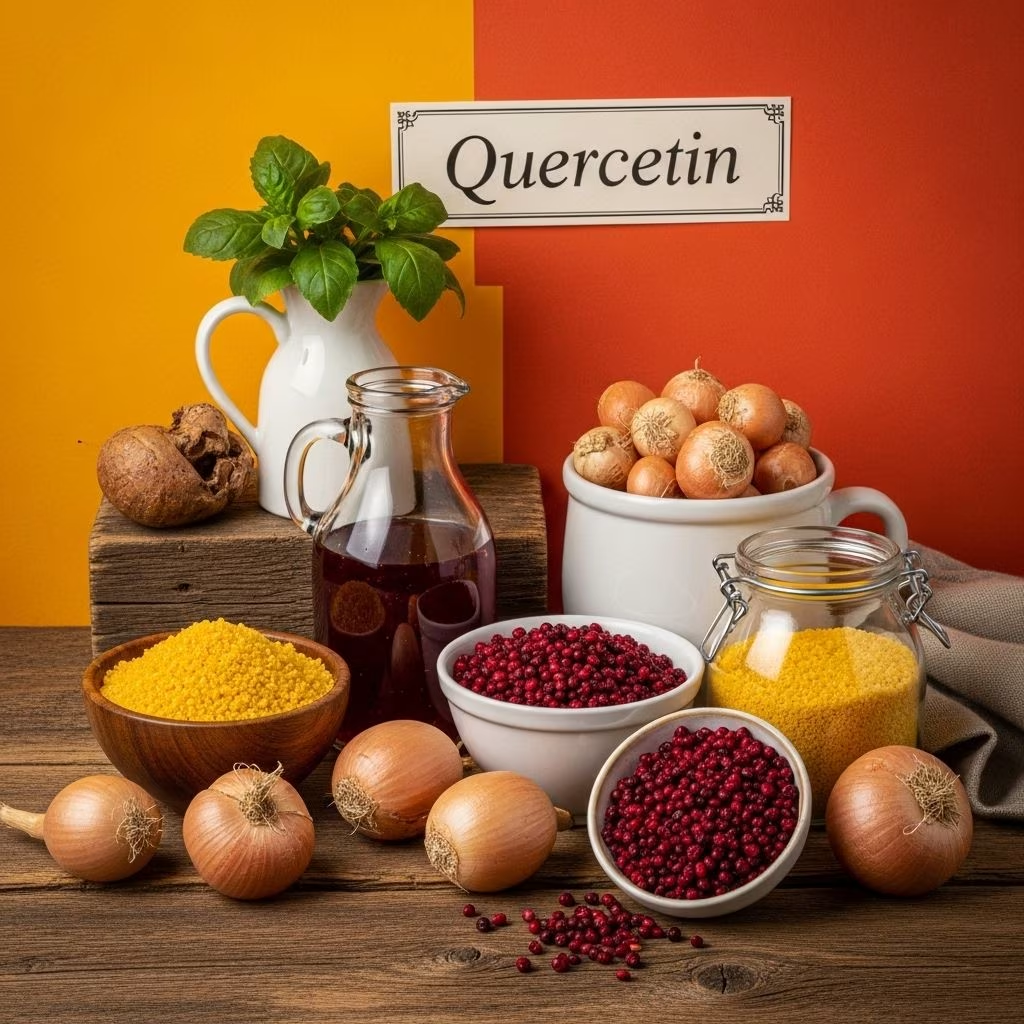
Quercetin is a powerful plant compound praised for its health-promoting effects. From antioxidant action and immune support to potential roles in cancer prevention and allergy relief, this bioflavonoid is enjoying renewed scientific and public interest. But what exactly is quercetin, how is it used, and what does it taste like? This comprehensive guide explores everything you need to know about quercetin, including its health benefits, uses, sources, dosage guidance, safety profile, and taste characteristics.
What is Quercetin?
Quercetin is a plant-derived compound from the bioflavonoid family, naturally occurring in many fruits, vegetables, and herbs. It is recognized as one of the most abundant dietary flavonoids. Scientists have documented its strong antioxidant, anti-inflammatory, and potential disease-fighting properties.
Key characteristics:
- Chemical class: Flavonol (a subtype of flavonoid)
- Molecular formula: C15H10O7
- Natural role: Plants produce quercetin to defend against stressors (e.g., UV rays, pathogens)
Quercetin has been part of the human diet for centuries and is gaining attention as both a nutritional supplement and a potential therapeutic compound.
How Does Quercetin Work?
Quercetin’s effects stem from its unique ability to influence numerous biological pathways:
- Antioxidant action: Scavenges free radicals and reduces oxidative stress, protecting cells from damage
- Anti-inflammatory effect: Suppresses pro-inflammatory mediators (e.g., cytokines, enzymes)
- Immune modulation: Inhibits release of histamine and other allergy-related chemicals
- Potential anticancer properties: Interferes with the growth and survival of cancer cells in laboratory studies
- Cardiovascular support: Can lower blood pressure, enhance vascular function, and improve cholesterol profiles
Because of these actions, quercetin is widely studied for its role in various health conditions.
Natural Sources of Quercetin
Quercetin is commonly found in a wide variety of plant-based foods. Here are some of the richest dietary sources:
- Onions (red and yellow, especially in the outer layers)
- Capers
- Apples (with skin)
- Berries (especially cranberries, blueberries, and lingonberries)
- Kale and other leafy greens
- Broccoli
- Cherries
- Citrus fruits
- Grapes
- Green tea
- Black tea
- Coffee
- Red wine
Daily dietary intake: Most people consume between 5–40 mg of quercetin per day through food, depending on diet. Diets abundant in fruits and vegetables can provide higher intakes, and supplements may provide much higher concentrations.
Table: Quercetin Content in Common Foods (per 100g serving)
| Food Source | Estimated Quercetin Content (mg) |
|---|---|
| Raw Capers | 180–230 |
| Red Onions | 30–50 |
| Kale | 7.7 |
| Apple (with skin) | 4.4 |
| Blueberries | 3.1 |
| Green Tea | 2.0 |
Main Health Benefits of Quercetin
Researchers have explored a broad range of health benefits attributed to quercetin. While much of the evidence stems from laboratory and animal studies, some potential effects have been observed in humans.
1. Antioxidant Protection
Quercetin is a powerful antioxidant, helping to neutralize iron- and oxygen-derived free radicals that damage cells. This property is linked to slowed aging and prevention of chronic diseases.
2. Anti-Inflammatory Activity
Chronic inflammation is connected to many serious diseases. Quercetin helps reduce inflammation by inhibiting enzymes and cytokines involved in the body’s inflammatory response.
3. Allergies and Immune Function
Quercetin has antihistamine and immune-supporting effects:
- Prevents the release of histamine—a chemical responsible for allergy symptoms
- May help relieve symptoms of hay fever, asthma, eczema, and hives
However, clinical trials in humans are limited, and more research is necessary to confirm these benefits.
4. Heart and Vascular Health
- May help lower high blood pressure
- Might reduce cholesterol levels
- Improves endothelial function (lining of blood vessels)
- Diets rich in quercetin are occasionally associated with reduced risk of cardiovascular disease
Evidence in humans is mixed, and most findings are not yet definitive.
5. Anticancer Potential
Laboratory studies show that quercetin:
- Inhibits cancer cell proliferation and may induce programmed cell death (apoptosis)
- Reduces risk of lung, breast, prostate, skin, and colon cancer in some cell/animal models
However, large-scale human studies are required to confirm its actual impact.
6. Brain and Nervous System Support
Early research suggests that quercetin might protect brain cells from damage, possibly helping slow progression in neurodegenerative diseases like Parkinson’s.
7. Antiviral and Antimicrobial Activity
Quercetin demonstrates broad-spectrum antiviral properties in laboratory studies, providing protection against influenza, herpes simplex, and various respiratory viruses by blocking their infection of cells.
8. Support for Exercise Recovery
Athletes sometimes use quercetin for its potential to:
- Reduce exercise-induced inflammation and oxidative stress
- Plausibly support immune defense post-exercise
9. Gut and Digestive Health
Some research indicates quercetin may enhance gut barrier integrity and promote balance in the gut microbiome by reducing inflammation.
Common Uses of Quercetin
People use quercetin—in dietary and supplement forms—for various reasons:
- As a general antioxidant supplement
- For allergy relief (hay fever, asthma, eczema, hives)
- To support immune function and prevent infection
- For cardiovascular wellness (lowering blood pressure, reducing cholesterol)
- To reduce inflammation in chronic diseases (arthritis, prostatitis)
- As an adjunct in managing prostate health
- For exercise recovery and enhanced athletic performance
Note: While quercetin is widely marketed for these uses, the strongest evidence remains for its antioxidant and anti-inflammatory activity; other uses require more substantiated human trials.
Supplementation and Dosage
Quercetin supplements are available in capsules, tablets, powders, and sometimes as a part of complex formulations for allergy, immune support, or cardiovascular health.
- Common dosage: 500–1000 mg per day (split into 2 or 3 doses)
- Some clinical studies use daily doses between 500 mg and 2000 mg for short periods
- Best absorption occurs when taken with a meal containing some dietary fat
Since quercetin bioavailability is relatively low, some supplements pair it with bromelain (a pineapple-derived enzyme) or vitamin C to enhance absorption.
Consultation
Always consult a healthcare provider before beginning quercetin supplementation, especially for those on medication, with chronic health conditions, or during pregnancy.
Quercetin: Taste Profile
Pure quercetin is known for its distinct, strong flavor:
- Taste: Bitter, slightly astringent.
- Mouthfeel: May feel puckering or drying, especially in concentrated forms.
In food: The taste of quercetin is usually masked by other flavors in fruits, vegetables, tea, or wine. However, the bitterness can occasionally be perceived in capers, onions, or the skin of certain apples and grapes.
In supplements: Quercetin is often encapsulated to avoid off-putting bitterness.
Potential Side Effects and Safety
Quercetin is considered safe when consumed in moderate amounts from food sources. Supplementation is generally well tolerated, but potential issues include:
- Headache
- Upset stomach
- Tingling sensations
Precautions:
- Pregnant or breastfeeding women should consult a doctor before using quercetin supplements, as safety is not established
- Possible interactions with antibiotics, blood thinners, or drugs processed by the liver (CYP3A4 pathway).
- High doses (>1000 mg/day) may increase risk of kidney issues or other side effects over prolonged use.
Always discuss new supplements with your healthcare professional—especially if you take medications or have pre-existing conditions.
Frequently Asked Questions (FAQs)
Q: What are the benefits of taking quercetin?
A: Key benefits include antioxidant protection, reduced inflammation, allergy relief, potential cardiovascular support, and antiviral effects. However, most evidence is derived from laboratory studies, with human trials still evolving.
Q: Which foods are highest in quercetin?
A: The richest sources are capers, red onions, apples (skin), berries, leafy greens, broccoli, green tea, and red wine.
Q: Is quercetin effective for allergies?
A: Quercetin shows promise for allergy relief by inhibiting histamine release, but robust evidence supporting supplement use for allergy symptoms in humans is limited.
Q: Can quercetin help prevent cancer?
A: Quercetin has demonstrated anticancer effects in laboratory studies. More high-quality human research is needed to confirm any benefit for disease prevention or therapy.
Q: What are the main side effects of quercetin?
A: Most people tolerate it well. Possible side effects at high doses may include headaches, upset stomach, tingling, or kidney strain.
Q: Can you take quercetin with other antioxidants or medications?
A: Combining with other antioxidants is generally considered safe, but interactions with certain medications are possible, especially blood thinners, antibiotics, and drugs metabolized by liver enzymes. Consult your healthcare provider.
References
- EBSCO – Quercetin’s therapeutic uses
- WebMD – Quercetin: Uses, Health Benefits, Dosage and Side Effects
- PMC – Recent Advances in Potential Health Benefits of Quercetin
- Cooper Complete – Quercetin Health Benefits: Immune Support, Allergies, and More
References
- https://www.ebsco.com/research-starters/complementary-and-alternative-medicine/quercetins-therapeutic-uses
- https://www.webmd.com/vitamins-and-supplements/quercetin-uses-and-risks
- https://pmc.ncbi.nlm.nih.gov/articles/PMC10384403/
- https://coopercomplete.com/blog/quercetin-health-benefits/
- https://www.medicalnewstoday.com/articles/324170
- https://pmc.ncbi.nlm.nih.gov/articles/PMC9032170/


