


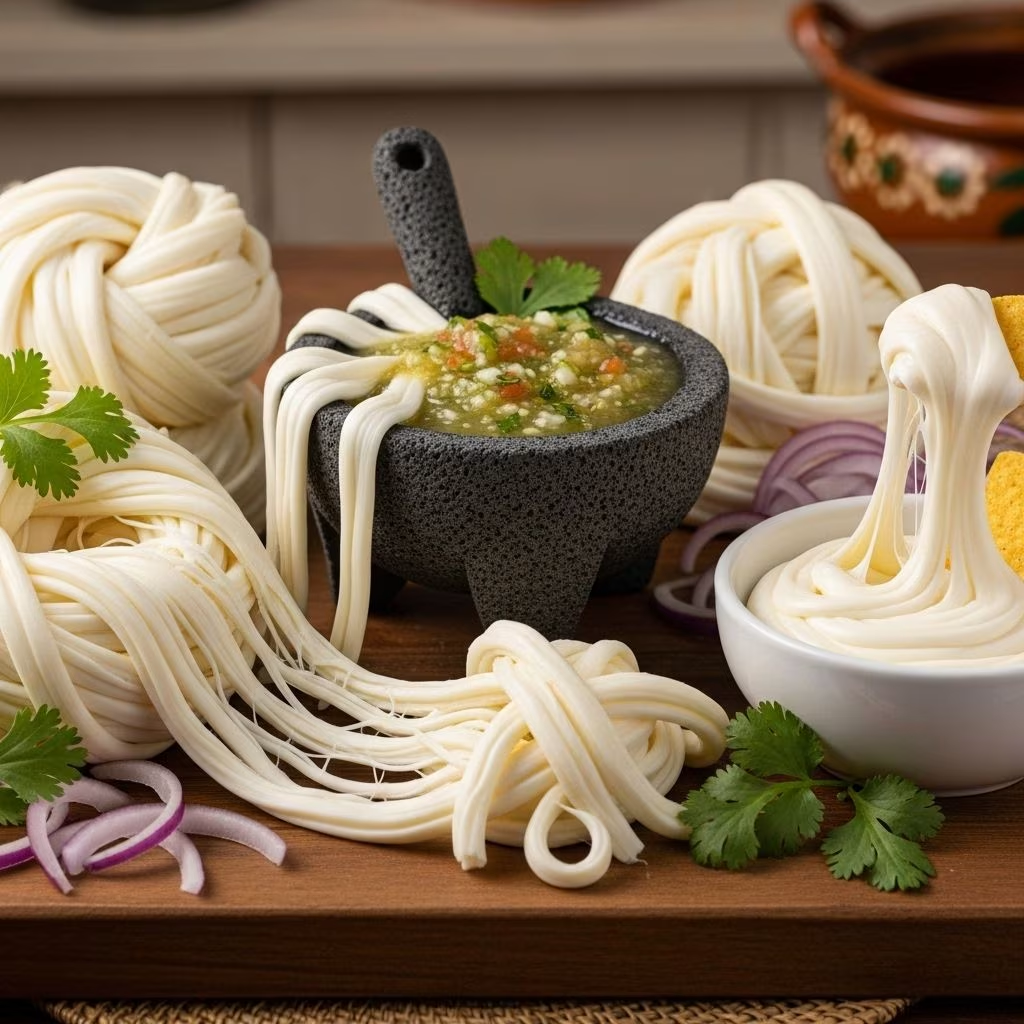
Queso Oaxaca, also known as quesillo, stands as one of Mexico’s most iconic cheeses, treasured for its melt-in-your-mouth texture, subtle flavor, and rich cultural heritage. This article explores the many facets of Queso Oaxaca—delving into its origin, production process, health benefits, culinary versatility, and taste profile—designed to inform cheese enthusiasts and culinary explorers alike.
Origin and History of Queso Oaxaca
Queso Oaxaca finds its roots in the state of Oaxaca, southern Mexico, where it was traditionally crafted and remains a classic ingredient in local cuisine. Its invention is often attributed to the culinary ingenuity of native Oaxacan families and Dominican friars—the latter are believed to have introduced the Italian string cheese technique used for mozzarella, replacing buffalo milk with cow’s milk when crafting the cheese in Oaxaca.
The cheese’s original name, quesillo, is still favored in Oaxaca, while Queso Oaxaca became the widely recognized label throughout Mexico and abroad. Over time, local legend has attributed its creation to a young girl named Leobarda Castellanos, though the story is more folklore than documentary fact.
Today, Queso Oaxaca is produced both artisanally and industrially across Mexico, though true Oaxacan cheese is often associated with unrivaled quality and tradition.
Production Process: How Queso Oaxaca Is Made
Queso Oaxaca is renowned for its distinctly stringy, meltable consistency, achieved by the pasta filata method—the same technique responsible for Italy’s mozzarella and provolone.
- Cow’s milk curdling: Fresh cow’s milk, occasionally blended with a touch of natural sour milk, is curdled to form a soft mass.
- Cutting & Melting: The curd is sliced and then heated with hot water, until it begins to melt and form an elastic, sticky paste.
- Stretching: The paste is stretched repeatedly, creating long strings or ribbons that develop the cheese’s signature texture.
- Shaping: Finally, these ribbons are rolled or braided into yarn-like balls, which are cut or unwound to use in cooking.
- Fresh consumption: Queso Oaxaca is generally eaten fresh, with a short shelf-life leading to rapid consumption and local production.
Artisan producers emphasize the need for gentle handling and precise temperature control to ensure a cheese that is both flavorful and easily pulled apart in threads.
Key Characteristics
- Type: Semi-soft, fresh cheese
- Color: White or pale ivory
- Texture: Stringy, elastic, and easily melts when heated
- Milk: Cow’s milk (pasteurized or raw in artisanal forms)
Nutritional Benefits of Queso Oaxaca
Queso Oaxaca, while not a diet food, offers several nutritional attributes that make it a flavorful addition to balanced diets:
| Nutrient | Per 1 oz (28g) | Benefit |
|---|---|---|
| Calories | 70–80 | Provides energy for daily activities |
| Protein | 5–6g | Supports muscle maintenance and growth |
| Fat | 5–6g | Essential for hormone production |
| Calcium | 200mg | Strengthens bones and teeth |
| Sodium | 150mg | Regulates fluid balance |
- Source of calcium: Important for bone health and nerve function
- High-quality protein: Provides all essential amino acids
- Lower fat than some cheeses: Queso Oaxaca is typically lower in fat due to the pasta filata process, which expels excess whey
- Contains vitamins: B vitamins and vitamin A, present in dairy products
Moderation is recommended, as its sodium content is moderate and caloric density is typical of dairy cheeses.
Culinary Uses: Where Queso Oaxaca Shines
Queso Oaxaca is celebrated for its superior melting ability and flexible texture, making it a prized ingredient in Mexican and fusion dishes.
- Quesadillas: The cheese’s stringy melt is visually and gustatorily ideal for stuffed tortillas, creating classic Mexican quesadillas.
- Enchiladas: Used as a filling or topping for enchiladas, adding creamy contrast to spicy sauces.
- Chiles Rellenos: Stuffed roasted peppers often feature melted Queso Oaxaca inside, balancing the heat with buttery goodness.
- Queso Fundido: Melted cheese dip, sometimes combined with sausage or vegetables, is a favorite party dish and appetizer.
- Tacos & Tostadas: Sprinkled or melted into traditional street food staples.
- Pizza & Sandwiches: In fusion cooking, Queso Oaxaca can replace mozzarella for a Mexican twist.
- Soups: Shredded and added to brothy soups, lending richness and body.
Creative Kitchen Tips
- No grater needed: Simply pull apart by hand to create strings or ribbons for recipes or snacking.
- Mild taste makes it versatile: Mix with stronger cheeses or spices for extra flavor complexity.
- Served fresh: Enjoy as part of a cheese platter with fruit, bread, or alongside cured meats.
Taste Profile and Texture
The delight of Queso Oaxaca lies in its delicate flavor and unique mouthfeel.
- Flavor: Buttery, milky, and slightly salty, with a clean finish that lets other ingredients shine.
- Aroma: Mild, fresh dairy scent, sometimes described as earthy.
- Texture: Semi-soft, elastic, and easily stretched into strings—almost identical to high-quality mozzarella, but slightly firmer.
When heated, Queso Oaxaca melts smoothly without turning oily or gritty, holding together in ribbons or pools. Its stringy quality makes for a signature gooey effect in dishes, prized by professional chefs and home cooks alike.
Queso Oaxaca vs Other Cheeses
For those familiar with mozzarella or Monterey Jack, Queso Oaxaca offers both a parallel and a distinct experience.
| Cheese | Milk Source | Texture | Flavor | Best Uses |
|---|---|---|---|---|
| Queso Oaxaca | Cow | Stringy, elastic | Mild, buttery | Quesadillas, melting, Mexican dishes |
| Mozzarella | Cow or Buffalo | Stretchy, soft | Mild, milky | Pizza, salads, Italian dishes |
| Monterey Jack | Cow | Semi-hard, smooth | Creamy, mild | Melting, American and Mexican fusion |
| Asadero | Cow | Semi-soft, stringy | Buttery, mild | Melting, Mexican sandwiches |
Queso Oaxaca’s enhanced elasticity and mildness make it superior in dishes requiring a dramatic melt that doesn’t overwhelm with flavor.
Tips for Buying and Storing Queso Oaxaca
For best taste and stringy effect, follow these guidelines:
- Choose authentic cheese: Seek out products labeled “Queso Oaxaca” or “quesillo” from trusted sources. Artisan markets and specialty Latin grocers usually offer premium quality.
- Look for freshness: Queso Oaxaca should be soft, moist, with a pale ivory color and no signs of excessive drying or browning.
- Storage: Keep refrigerated, wrapped tightly in plastic or parchment to avoid drying. Use within a week for optimal texture and flavor.
- Freezing: Not recommended, as freezing changes the elastic texture.
Frequently Asked Questions (FAQs)
What is the difference between Queso Oaxaca and mozzarella?
While both use the string cheese (pasta filata) method, Queso Oaxaca is crafted with cow’s milk and typically has a slightly saltier, butterier flavor and firmer texture. Mozzarella is most often made with water buffalo or cow’s milk and is softer and creamier.
Is Queso Oaxaca vegetarian?
Most commercially produced Queso Oaxaca uses animal rennet, making it non-vegetarian. However, some artisan producers may use microbial enzymes—check labeling for specifics.
Can I substitute Queso Oaxaca in recipes?
Yes. Mozzarella is the closest substitute, especially for melting applications, but it lacks Queso Oaxaca’s specific stringiness and mild, buttery notes.
What dishes feature Queso Oaxaca?
Quesadillas, enchiladas, chiles rellenos, queso fundido, and many other traditional Mexican favorites feature Queso Oaxaca—where its melting characteristics are showcased as a star ingredient.
How much Queso Oaxaca does Mexico produce?
In 2020, nearly 30,000 metric tonnes of Queso Oaxaca were produced in Mexico, reflecting both industrial and artisanal output.
Conclusion
Queso Oaxaca combines history, tradition, and culinary flexibility into one irresistible, stringy delight. Whether melted into classic Mexican fare or enjoyed fresh with simple accompaniments, its mild buttery taste and artisanal roots make it a must for cheese lovers and curious cooks. Remember to source authentic, fresh cheese—and let every pull and melt connect you to the vibrant tapestry of Mexican gastronomy.
References
- https://en.wikipedia.org/wiki/Oaxaca_cheese
- https://www.tastingtable.com/1127215/why-mexicos-stretchy-oaxaca-cheese-stands-out-from-the-rest/
- https://www.caciquefoods.com/blog/get-cooking-oaxaca/
- https://matadornetwork.com/read/queso-oaxaca-cheese/
- https://www.cheese.com/oaxaca/
- https://www.laphamsquarterly.org/roundtable/what-cheese
- https://us.kiwilimon.com/blog/history/oaxaca-cheese-the-story-of-this-mexican-cheese
- https://www.rachellaudan.com/2008/08/the-answer-queso-oaxacas-a-recent-child-of-mozzarella.html
- https://www.murrayscheese.com/dp/queso-campesino-oaxaca-mini


