


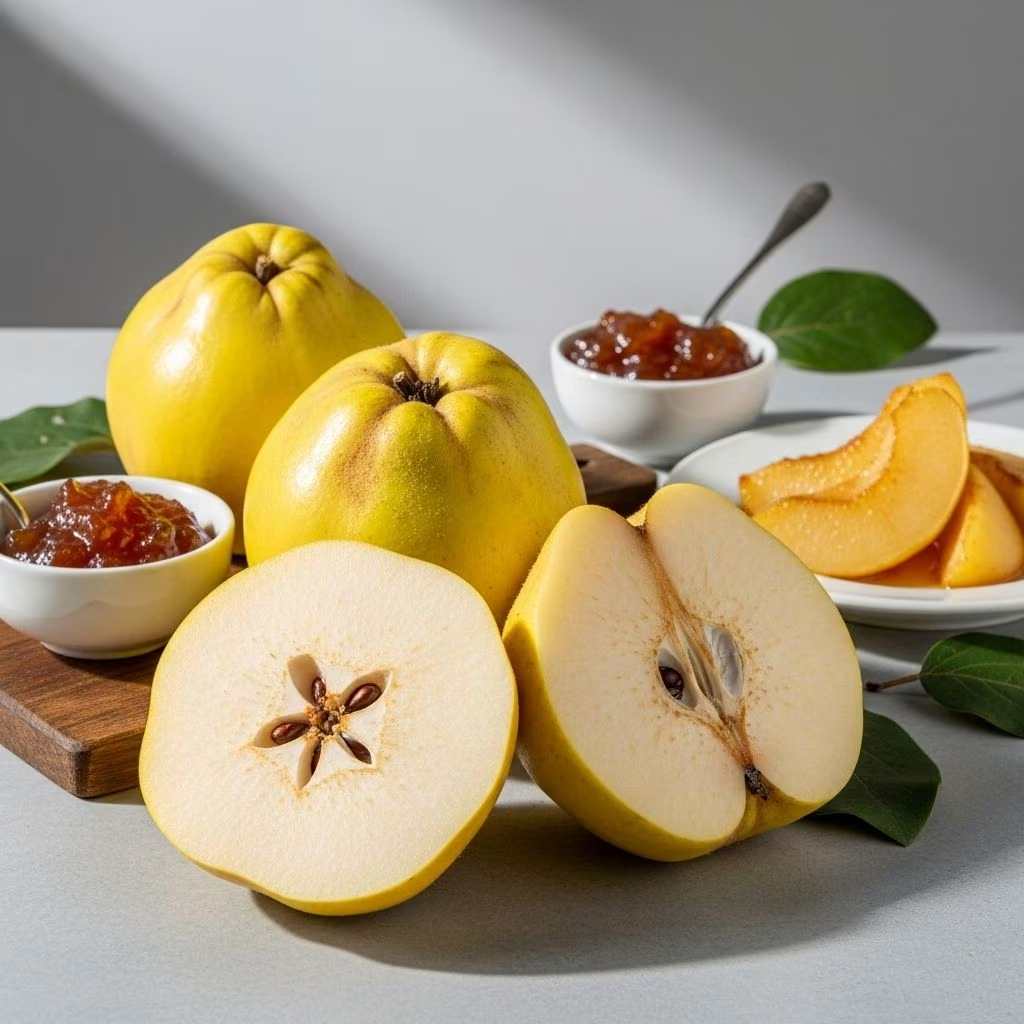
Quince is an ancient fruit known for its rich aroma, nutritional value, and unique transformation from a hard, astringent raw fruit into a sweet, fragrant delicacy when cooked. Though once a mainstay in home gardens and kitchens across Europe, Asia, and the Middle East, quince is rediscovering modern popularity for its distinct taste and health benefits.
What Is Quince?
Quince (Cydonia oblonga) is a fruit-bearing deciduous tree belonging to the Rosaceae (rose) family, closely related to apples and pears. Native to Southwest Asia and the Mediterranean, quince is the only member of its genus and has been cultivated for thousands of years for both culinary and ornamental purposes.
The fruit itself is typically large, pear-shaped or round, and features a bright golden-yellow skin when ripe. Historically associated with symbolism of love and fertility, quince was prized by ancient Greeks and Romans and remains central in many Middle Eastern and European cuisines.
Botanical Characteristics
- Quince trees grow as small trees or large shrubs, typically reaching 4–6 meters (13–20 feet) in height.
- Leaves are ovate with a soft, fuzzy underside; young twigs also appear downy.
- Flowers bloom in late spring, displaying attractive solitary blossoms in pale pink or white.
- Fruits are generally 6–13 cm long, with a round or pear-like shape and textured, sometimes fuzzy, skin that becomes smooth as it ripens.
Beyond its fruit, the quince tree is valued for its ornamental qualities—its pink blossoms and aromatic presence add beauty to gardens and landscapes. It is also sometimes used as a bonsai plant.
Nutritional Value of Quince
Quince is a nutrient-dense fruit, supporting a balanced diet with its ample vitamins, minerals, and fiber. While precise nutritional content can vary by preparation and variety, a typical 100-gram serving of raw quince contains approximately:
| Nutrient | Per 100g | Key Benefits |
|---|---|---|
| Calories | ~57 kcal | Low-calorie fruit |
| Carbohydrates | 15 g | Energy source, fiber content |
| Dietary Fiber | 1.9 g | Supports digestion |
| Vitamin C | ~15 mg | Antioxidant, immune support |
| Vitamin B-complex | Present (B1, B2, B3, B6) | Energy, metabolism |
| Potassium | 197 mg | Electrolyte balance |
| Iron | 0.7 mg | Red blood cell production |
| Magnesium | 8 mg | Nerve and muscle health |
| Copper | 0.1 mg | Enzyme function |
The fruit is low in fat and cholesterol and provides a diverse range of micronutrients necessary for bodily health.
Key Health Benefits of Quince
- Rich in Antioxidants: Quince contains polyphenols and vitamin C, which protect cells from free radical damage and may reduce risk of chronic disease.
- Supports Digestive Health: Its high fiber content promotes healthy digestion, helps regulate bowel movements, and may alleviate constipation.
- Immune System Booster: Vitamin C along with mineral content (like copper) strengthen the immune system, helping the body ward off infections.
- May Aid Weight Management: Quince is low in calories and fat but high in fiber, contributing to satiety and supporting healthy weight management.
- Anti-Inflammatory Properties: Antioxidants and polyphenols in quince may help reduce inflammation, beneficial for certain chronic conditions.
- Potential Cancer Protection: Preliminary research suggests certain phytonutrients in quince could play a role in reducing cancer risk through antioxidant action.
- Cardiovascular Health: The potassium and fiber in quince help regulate blood pressure and cholesterol, supporting heart health.
It is important to note that while quince offers many health benefits, scientific studies in humans are limited and most data relates to its nutritional profile and traditional uses.
Culinary Uses of Quince
Quince is most famous for its dramatic transformation from a hard, sour, and astringent raw fruit to a sweet, fragrant treat when cooked. While raw quince is rarely eaten due to its harsh taste and dry, grainy texture, cooking softens the fruit, changes its color to a beautiful rose-pink, and reveals pleasant flavors.
- Jams and Jellies: Quince’s high pectin content makes it ideal for thick, flavorful preserves. Quince jelly and membrillo (quince paste) are classic products enjoyed in many cultures.
- Baked Goods: Sliced quince fruit is used in pies, tarts, cakes, and crumbles, often paired with apples or pears.
- Poached and Stewed Quince: Poaching quince slices in syrup or wine is a traditional dessert or accompaniment to savory dishes.
- Sauces and Compotes: Quince sauces add depth to roasted meats, particularly lamb, pork, or poultry.
- Alcoholic Beverages: Quince is sometimes used in flavored liquors, ciders, and wines.
- Dried Quince: In Middle Eastern cuisine, quinces are often dried and added to stews or as snacks.
Innovative cooks are rediscovering quince as an ingredient in chutneys, honey infusions, and even glazes for modern dishes. Its flavor pairs well with warm spices such as cinnamon, cloves, and star anise.
Taste and Aroma Profile
Raw quince is hard, dry, and astringent with a tart sourness and light bitterness; eating it this way is typically unpleasant. However, when cooked, the fruit undergoes a remarkable transformation:
- Flavor: Becomes sweet, delicately tart, floral, and honeyed, sometimes reminiscent of guava, pear, and apple all at once.
- Aroma: Emits an intense, fragrant perfume—floral, apple-like, with hints of tropical fruit.
- Texture: Firm and gritty when raw, turning tender and even jelly-like when cooked.
- Color change: From pale white or yellow to a rich, rosy pink or amber when cooked.
These attributes make quince a unique addition to both sweet and savory recipes, offering complexity and aroma unmatched by most orchard fruits.
Choosing and Storing Quince
- Look for firm, plump quinces with smooth, golden-yellow skin and a strong aroma.
- Avoid fruit with deep blemishes, bruises, or excessive browning.
- Some fuzz on the skin is normal in young fruit; it can be rubbed off before use.
Store quinces at room temperature to ripen. Once ripe, they can be refrigerated for up to two weeks. Due to their high pectin content, quinces store well in preserves or as cooked desserts for several weeks.
How to Prepare and Eat Quince
- Wash and Peel: Rinse the quinces well to remove fuzz, then peel the skin.
- Core and Slice: Core the tough center (seeds are not edible in quantity), then slice as recipes dictate.
- Cook: Most commonly, quinces are poached, stewed, or baked. Slow cooking transforms their texture and enhances flavor.
- Combine: Pair cooked quince with apples, pears, or warming spices for jams, preserves, and desserts.
Raw quince can be used sparingly in salads for a crunchy, tart accent, but most enjoy it after culinary transformation.
Quince in World Cuisines
- Spain & Portugal: Membrillo (quince paste) is a beloved accompaniment to cheeses like Manchego.
- Turkey & Middle East: Used in stews, syrups, and sweet preserves—known as “ayva tatlısı” in Turkish desserts.
- France: Cotignac d’Orléans is a classic French quince jelly.
- Iran, Armenia, Georgia: Quince is incorporated into savory meat stews and pilafs.
- Latin America: Farmers grow several quince varieties for jellies and local recipes.
Its strong aroma and flavor make quince a prized ingredient across many diverse food traditions.
Tips and Precautions
- Quince seeds contain amygdalin, a compound that can release cyanide when digested. Avoid consuming seeds in large quantities.
- People with food allergies or specific health conditions should consult a healthcare provider before making quince a dietary supplement.
- Cooking not only improves flavor and texture but also makes the fruit easier to digest and enjoy.
Frequently Asked Questions (FAQs)
Q: Is it safe to eat quince raw?
A: While not poisonous, raw quince is generally too hard and astringent to eat. Cooking makes it palatable and brings out its flavor and aroma.
Q: Does quince have any toxic parts?
A: The seeds of quince, like those in apples, contain small amounts of potentially toxic compounds and should not be eaten in large quantities.
Q: What is the best way to store quince at home?
A: Store unripe quinces at room temperature until they turn golden and aromatic, then refrigerate for up to two weeks to maintain freshness.
Q: Is quince suitable for people with diabetes?
A: Quince is relatively low in natural sugar compared to many fruits. Its high fiber content helps slow sugar absorption, but as with any fruit, portion moderation is advised—especially when made into sweetened preserves.
Q: Can quince be substituted for apples or pears in recipes?
A: In cooked recipes, quince can replace apples or pears to add a more floral, tart complexity. It may require longer cooking times due to its dense texture.
Conclusion
Quince is a unique fruit with a long cultural and culinary history, celebrated for its captivating fragrance, nutritional qualities, and transformation from a tough, tart fruit into delightful sweet treats when cooked. Its health-promoting properties, versatility in traditional and creative recipes, and ability to bring an aromatic twist to the table make it an invaluable addition to any food lover’s kitchen.
References
- https://en.wikipedia.org/wiki/Quince
- https://www.anadolumedicalcenter.com/health-guide/what-are-the-benefits-of-quince-what-is-quince-good-for
- https://specialtyproduce.com/produce/Quince_587.php
- https://www.britannica.com/plant/quince
- https://extension.psu.edu/quince-an-autumn-fruit/
- https://uncommonfruit.cias.wisc.edu/quince/
- https://gobotany.nativeplanttrust.org/species/cydonia/oblonga/
- https://www.drhauschka.com/plant-glossary/quince/


