


Introduction
Radishes have long been cherished around the world for their exceptional nutritional value, versatility in cuisine, and distinctive taste. As one of the oldest cultivated root vegetables, the radish offers more than just a crispy addition to salads—it is a nutritional powerhouse with a history as rich as its variety of flavors.
This comprehensive guide explores radish’s biology, health benefits, culinary uses, and flavor profile, providing in-depth answers to everything you need to know about this remarkable vegetable.
What Is Radish?
The radish (Raphanus sativus) is a flowering plant classified in the Brassicaceae family, which also includes cabbage, mustard greens, and turnips. Originally domesticated in Asia, it has become a staple worldwide due to its adaptability, fast growth cycle, and culinary appeal.
- Plant Structure: Radishes are annual or biennial, grown primarily for their swollen taproot—the edible portion most commonly consumed.
- Edibility: While the root is most commonly eaten, the leaves, pods, and even seeds are edible and used in various dishes.
- Origin: Likely Asian or Mediterranean, radishes have spread globally due to their adaptability in different climates.
The name “radish” comes from the Latin radix, meaning “root.” Its scientific name, Raphanus sativus, derives from Greek, referring to its rapid growth and appearance.
Botanical Description
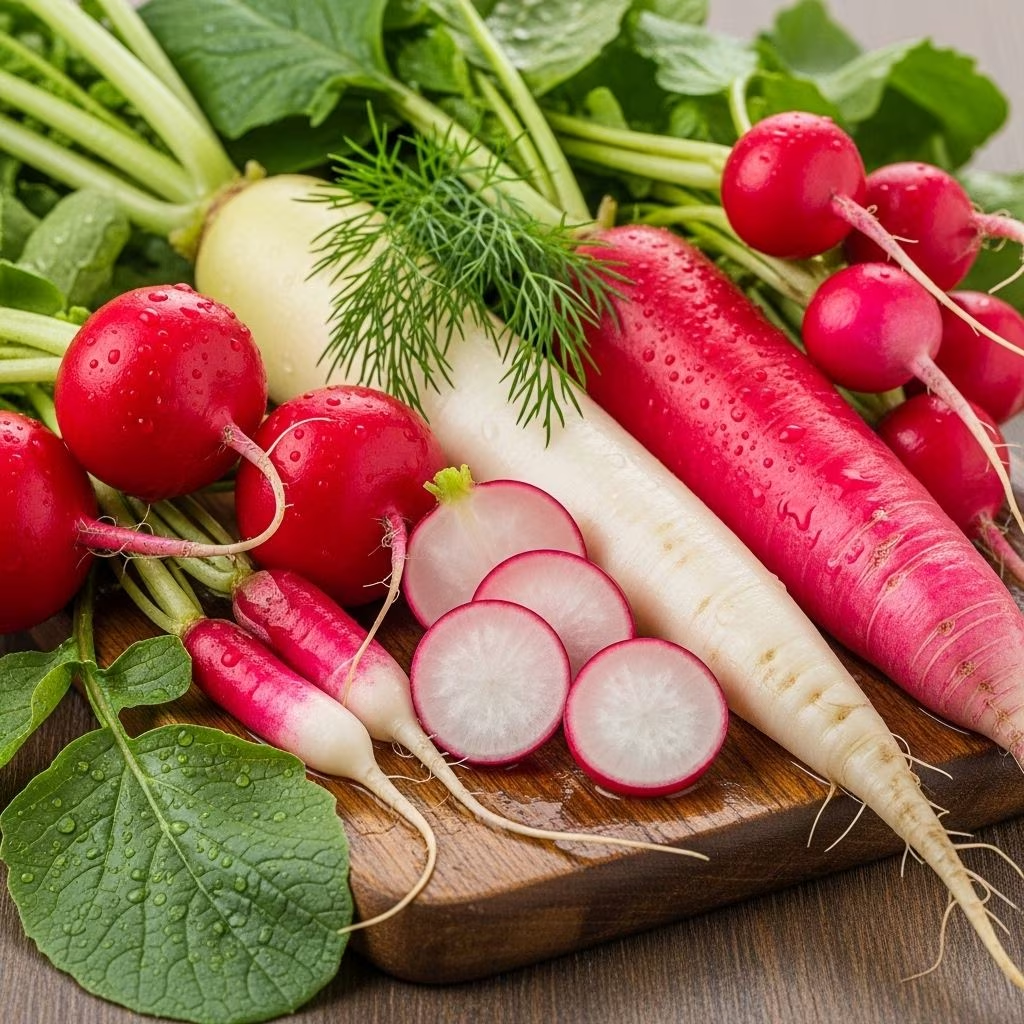
- Root Shape: Can be globular, tapering, cylindrical, oval, or elongated.
- Skin Color: Ranges from white, pink, red, purple, yellow, green, to black. The flesh is typically white, with exceptions like the watermelon radish.
- Leaves: Arranged in a rosette, pinnately divided, edible when young.
Varieties of Radish
Radishes come in myriad shapes, sizes, and colors, each suited to different culinary uses and seasons. They are generally categorized by their time of harvest and root characteristics.
| Common Name | Latin Name | Shape & Color | Season | Primary Culinary Use |
|---|---|---|---|---|
| Red Radish | Raphanus sativus var. sativus | Small, round, red skin, white flesh | Spring/Summer | Raw in salads, garnishes |
| Daikon | Raphanus sativus var. longipinnatus | Large, long, white skin and flesh | Winter | Pickled, cooked, raw snack |
| Black Radish | Raphanus sativus var. niger | Round or elongated, black skin | Winter | Fermented, roasted, sliced |
| Watermelon Radish | — | Green skin, pink flesh | Spring/Fall | Salads, carpaccio, decorative |
| French Breakfast | — | Small, elongated, pink with white tip | Spring | Raw, breakfast dishes |
| Wild Radish | Raphanus sativus var. raphanistroides | Varied | Wild, various | Regional uses |
- Spring/Summer Varieties: Typically smaller, milder, and harvested quickly (Cherry Belle, French Breakfast, etc.).
- Winter Varieties: Larger, more pungent, can be stored for longer (Daikon, Black Spanish, China Rose etc.).
Nutritional Benefits of Radish
Radishes are low in calories, making them an ideal addition for weight management and balanced diets.
- Caloric Content: One cup of sliced radishes contains around 19 calories.
- Macronutrients: Rich in water (~95%), with small amounts of carbohydrates and negligible fat.
- Micronutrients: Particularly high in vitamin C, potassium, folate, vitamin B6, magnesium, calcium, and fiber.
- Phytonutrients: Contains glucosinolate, myrosinase, and isothiocyanate—these compounds are linked to numerous health benefits and contribute to the radish’s pungent flavor.
- Antioxidants: The pigments (anthocyanins) responsible for red and purple colors serve as antioxidants, supporting immune health and reducing inflammation.
Health Benefits of Radish
The diverse phytochemical composition of radishes lends them a variety of health benefits. Regular inclusion in the diet is associated with multiple positive effects.
- Digestive Support: High fiber promotes healthy digestion and regular bowel movements.
- Hydration: High water content helps maintain hydration and supports metabolic functions.
- Immune System Boost: Vitamin C strengthens immunity against common infections.
- Antioxidant Action: Anthocyanins and other compounds reduce oxidative stress and inflammation.
- May Reduce Cancer Risk: Glucosinolates and isothiocyanates have been studied for their potential role in lowering risk for certain cancers by influencing detoxification processes.
- Heart Health: Potassium aids in regulating blood pressure, contributing to cardiovascular health.
- Nutrient Density for Weight Management: Low calories and high nutrition make radish ideal for weight-loss diets.
- Liver & Kidney Support: Traditionally used in various cultures to support liver and kidney functions.
Culinary Uses of Radish
Radish’s versatility in the kitchen stems from its crisp texture, unique flavor, and vibrant appearance.
- Raw Applications: Sliced or chopped radishes are a classic addition to salads, slaws, sandwiches, and as garnishes.
- Cooked: Radishes can be sautéed, roasted, braised, or steamed, which mutes their sharpness and brings forth a subtle sweetness.
- Pickled: Daikon and red radish are often pickled in Asian and European cuisines for tangy side dishes.
- Sprouts: Radish seeds are used for sprouting, providing a spicy crunch for salads and sandwiches.
- Leaves: Young leaves are edible and can be cooked like spinach or added into soups and stir-fries.
- Pods/Fruit: Young radish seed pods are eaten raw or cooked in some cultures.
Popular Radish Recipes
- Simple radish salad with herbs and vinaigrette
- French breakfast radishes with butter and salt
- Asian-style daikon pickles
- Roasted mixed radishes with olive oil and spices
- Radish and avocado toast
- Radish leaf pesto
- Korean kimchi with daikon
Taste and Flavor Profile
Radish flavor varies by variety, growing conditions, and method of preparation.
- Pungency: The distinctive spicy, peppery taste comes from glucosinolate and isothiocyanate compounds, similar to those in mustard and horseradish.
- Mild and Sweet: Spring varieties (like Cherry Belle) are milder and often slightly sweet; when harvested young, the flesh is crisp and pleasant.
- Strong & Spicy: Winter varieties (like Black Spanish and Daikon) are more pungent and firm in texture.
- Texture: Usually crisp, but can become tough and woody if left too long in the ground or improperly stored.
How Taste Changes:
- Raw vs Cooked: Raw radish is much more pungent; cooking or roasting mellows the flavor and adds earthiness.
- Pickling: Pickled radishes develop tangy, slightly sweet notes, balancing their original sharpness.
- Young vs Mature Harvest: Younger radishes are sweeter and crisper; older ones develop a harsher bite.
Growing and Harvesting Radishes
Radishes are among the easiest vegetables to cultivate, making them popular for home and commercial gardening.
- Growth Cycle: Some varieties can mature in as little as 22–30 days; winter types take longer, up to 70 days.
- Soil & Sunlight: Radishes grow best in loose, loamy soils with good drainage and full sun.
- Planting: Often direct-seeded, planted in intervals for continual harvest; companion planting (with carrots, lettuces, and cucumbers) is common due to radish’s pest-repellent properties.
- Harvest: Timely harvest ensures best flavor and texture; overgrown radishes tend to become tough and bitter.
- Winter Storage: Larger winter radishes store well and are used throughout the cold season.
Radish in World Cuisines
Radishes play important culinary and cultural roles globally.
- Europe: Red radishes are a classic salad addition in France, Germany, and the UK. Black radish features in traditional Eastern European recipes.
- Asia: Daikon is a main ingredient in Japanese, Chinese, and Korean cuisines. Used for pickling, soup bases, and fresh salads.
- India: Both root and leaves used in curries, salads, and snacks (“mooli”). Daikon is a staple in North and Central Indian cuisine.
- Mexico: Radishes are essential to traditional garnishes such as in “tacos de pastor” and “pozole.” Oaxaca holds the famous “Night of the Radishes” festival, celebrating radish art and culinary heritage.
- United States: Common in salad mixes and increasingly popular in farm-to-table cuisine for their flavor and nutritional density.
Frequently Asked Questions (FAQs)
Q: Are radish leaves edible?
A: Yes. Young, tender radish leaves can be cooked like spinach or added raw to salads for a peppery flavor.
Q: Can radishes help with digestion?
A: Absolutely. Their high fiber content supports healthy digestion and bowel regularity.
Q: What’s the difference between daikon and red radishes?
A: Daikon is a large, white, elongated winter radish with mild flavor, often used in Asian cuisine. Red radishes are smaller, round, and pungent, typically used raw in salads.
Q: Why do some radishes taste spicier than others?
A: That depends on the variety, growing conditions, and when they are harvested. Warm weather and mature roots can intensify spiciness.
Q: How do I store radishes?
A: Remove the leaves and refrigerate roots in a sealed container for up to two weeks. Store winter radishes in a cool, moist cellar for months.
Conclusion
Radishes have earned their place as a globally beloved vegetable, thanks to their nutritional density, vibrant flavors, and versatility in the kitchen. From quick-growing garden favorites to essential ingredients in world cuisine, radishes deliver satisfaction for cooks, nutritionists, and gardeners alike. Whether enjoyed raw, pickled, roasted, or in traditional recipes, the radish’s distinctive character continues to make it a staple in kitchens and gardens around the world.
References
- https://en.wikipedia.org/wiki/Radish
- https://www.britannica.com/plant/radish
- https://www.ebsco.com/research-starters/agriculture-and-agribusiness/radish
- https://www.missouribotanicalgarden.org/PlantFinder/PlantFinderDetails.aspx?taxonid=278044&isprofile=1&basic=radish
- https://gardeningsolutions.ifas.ufl.edu/plants/edibles/vegetables/radishes/
- https://mag.wilson.edu/campus-crops-simply-ravishing-radishes/
- https://www.ams.usda.gov/grades-standards/radish-grades-and-standards
- https://gobotany.nativeplanttrust.org/species/raphanus/sativus/


